Accéder au contenu principal
CORE SCIENCE · BIOLOGICAL PHOTOPROTECTION

Biological Photoprotection
in Aesthetic Medicine

Modern photoprotection is no longer limited to ultraviolet filtering. Advanced aesthetic medicine increasingly focuses on biological defense, epidermal resilience, barrier preservation, oxidative stress modulation, and intelligent tissue adaptation.

Biological photoprotection represents a new scientific paradigm aiming to preserve skin stability while minimizing chronic inflammatory damage and premature tissue exhaustion.
From UV blocking to biological skin defense
Biological photoprotection shifts the focus from passive UV filtering toward active tissue defense, epidermal resilience, and controlled biological adaptation.
PARADIGM SHIFT · MODERN PHOTOPROTECTION

From UV Blocking to
Biological Skin Defense

Conventional photoprotection has long been reduced to the external blocking of ultraviolet radiation. While this remains important, it does not fully address the biological consequences of light exposure inside the skin.

Ultraviolet radiation, visible light, infrared exposure, heat, oxidative stress, barrier destabilization, and chronic inflammatory signaling all participate in the progressive exhaustion of cutaneous defense systems.

Biological photoprotection therefore introduces a broader medical concept: protecting the skin not only by blocking light, but by preserving its capacity to respond, recover, stabilize, and adapt.

Clinical principle: the future of photoprotection is not only external protection. It is biological resilience.
BEYOND SPF · BIOLOGICAL PROTECTION

Why Photoprotection Cannot Be
Reduced to SPF

SPF remains clinically important, but it mainly expresses protection against UVB-induced erythema. It does not fully describe biological resilience, oxidative stress control, barrier stability, inflammatory regulation, or tissue recovery after environmental exposure.

SPF Measures a Signal,
Not the Entire Biology

A high SPF value may reduce sunburn risk, but it does not automatically mean that the skin is biologically protected from all mechanisms of photoaging.

Visible light, infrared radiation, heat, pollution, oxidative stress, lipid peroxidation, barrier weakness, and chronic low-grade inflammation may continue to affect tissue stability even when conventional UV protection is used.

Key point: sunscreen protection is necessary, but it is not equivalent to biological photoprotection.
Why SPF alone is not enough in biological photoprotection
Biological photoprotection considers multiple pathways beyond UVB: oxidative stress, barrier disruption, inflammation, visible light, infrared exposure, and recovery capacity.
01

UVB Is Only One Dimension

SPF primarily reflects UVB erythema protection and does not fully represent the broader biological burden of environmental exposure.

02

Oxidative Stress Persists

Reactive oxygen species may continue to damage lipids, proteins, mitochondria, and cellular signaling pathways.

03

The Barrier Must Recover

Photoprotection becomes clinically incomplete when epidermal hydration, lipids, and barrier architecture are destabilized.

04

Inflammation Must Be Controlled

Repeated exposure may promote chronic inflammatory signaling, sensitivity, pigmentation instability, and accelerated tissue aging.

ACTIVE CUTANEOUS DEFENSE · BIOLOGICAL RESILIENCE

The Skin as an
Active Defense Organ

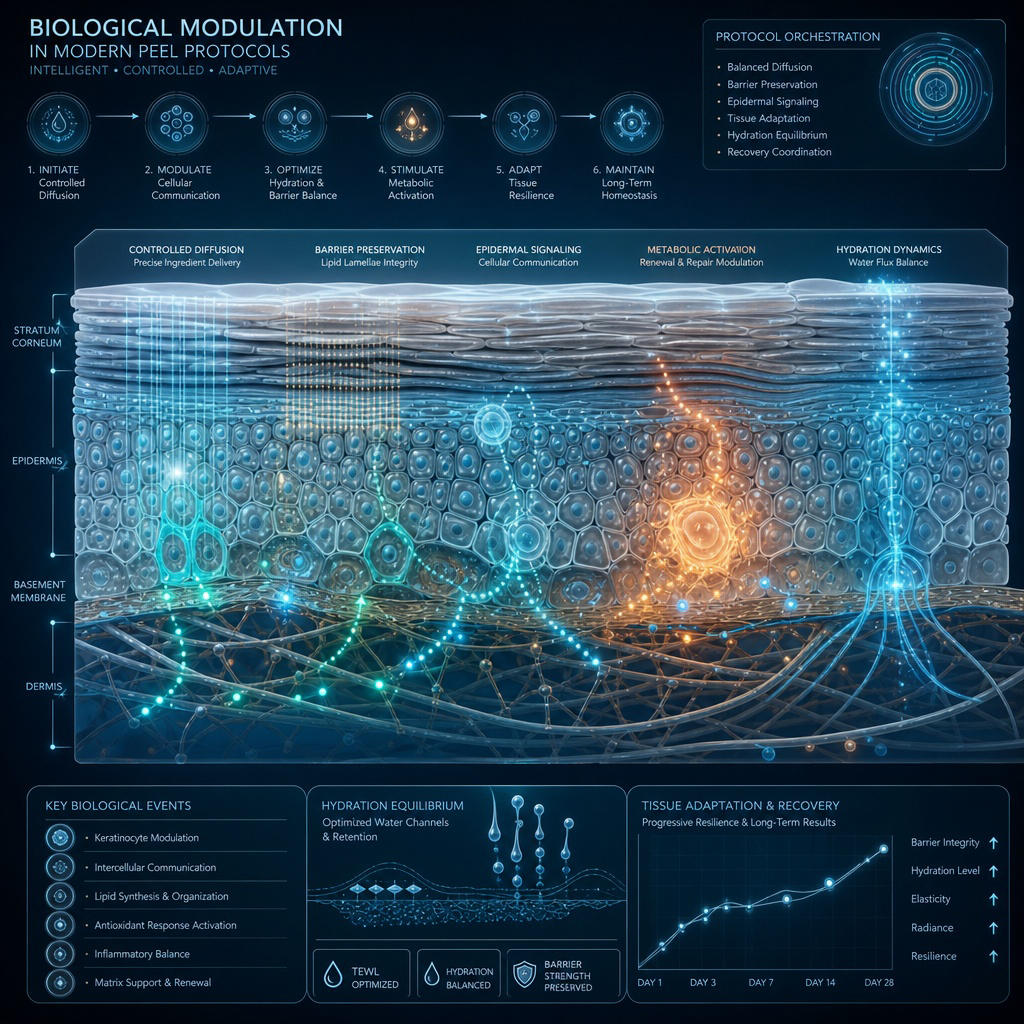
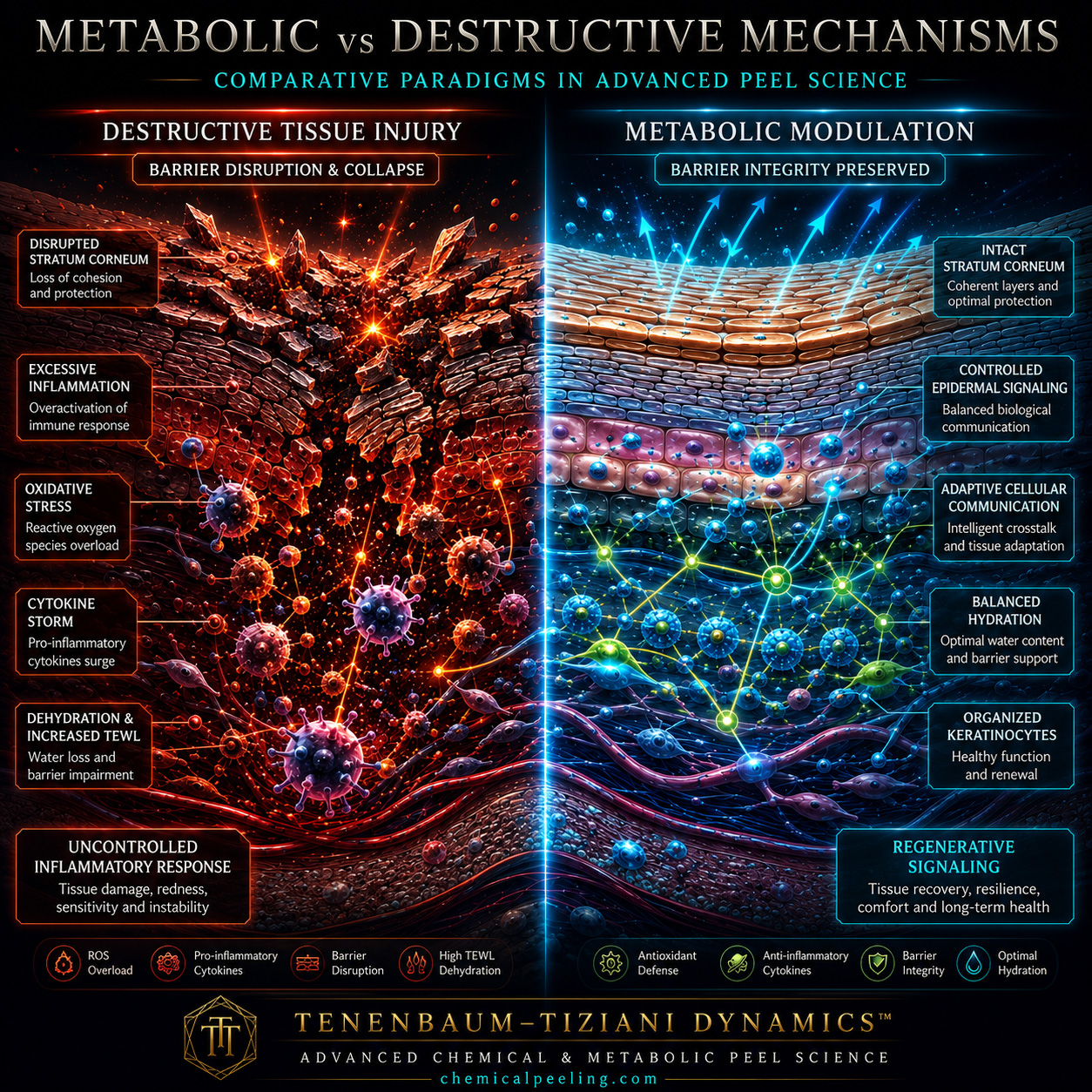
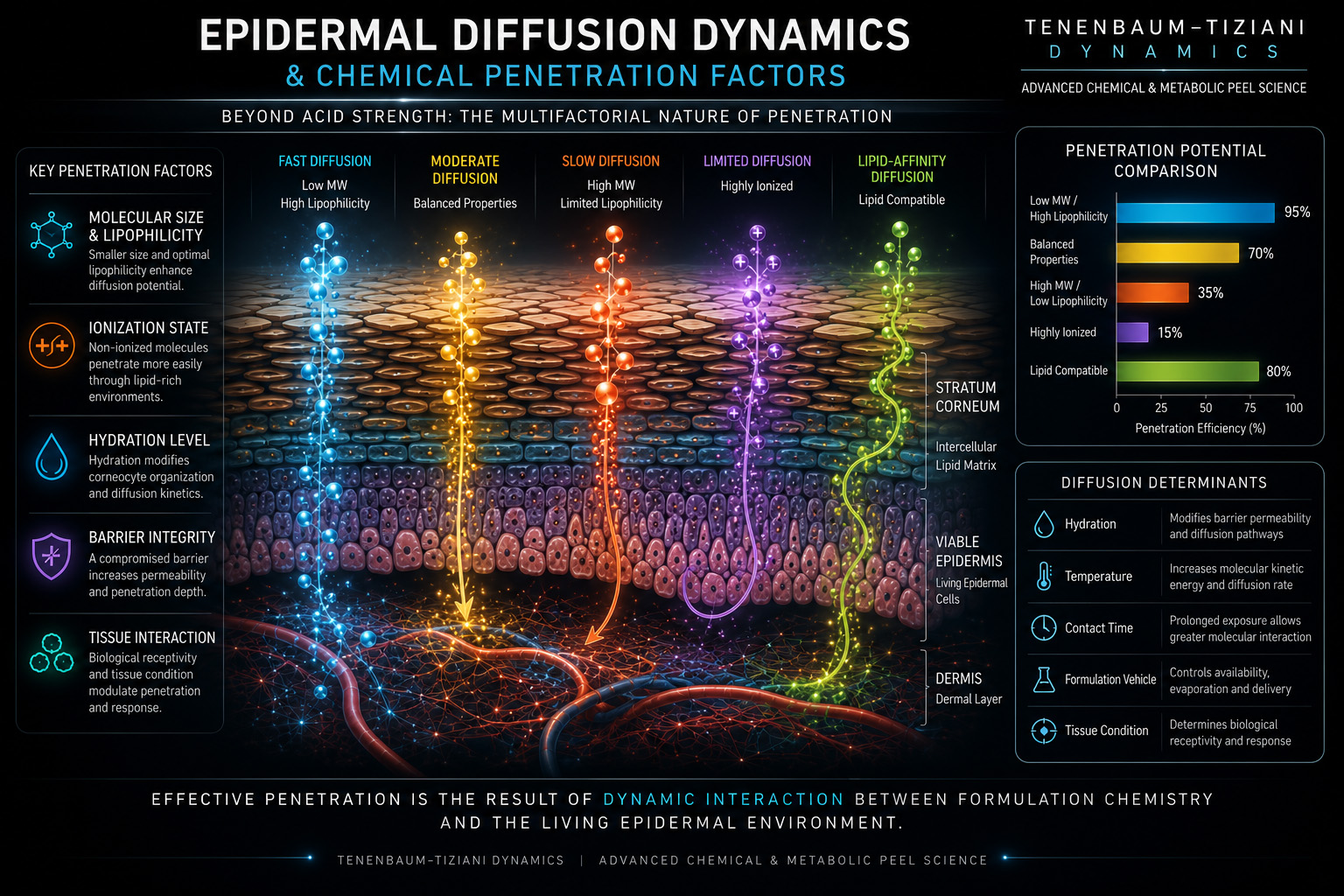
The skin is not a passive surface exposed to ultraviolet radiation. It is a biologically active defense system integrating barrier protection, immune surveillance, oxidative stress control, tissue adaptation, and regenerative signaling.

Modern Photoprotection Must Preserve Biological Function

Contemporary aesthetic medicine increasingly recognizes that effective photoprotection cannot rely exclusively on external UV filtering.

Epidermal lipids, keratinocyte signaling, antioxidant systems, hydration dynamics, cellular repair pathways, and controlled inflammatory responses all contribute to tissue resilience under environmental stress.

When these defense systems become destabilized, the skin progressively loses its capacity to recover efficiently from ultraviolet exposure, oxidative injury, pollution, and repetitive inflammatory aggression.

Biological photoprotection therefore aims to preserve the skin’s adaptive capacity rather than merely shielding it from radiation.
The skin as an active biological defense organ
The epidermis integrates barrier defense, immune regulation, oxidative stress control, hydration dynamics, and adaptive tissue resilience mechanisms.
01

Barrier Integrity

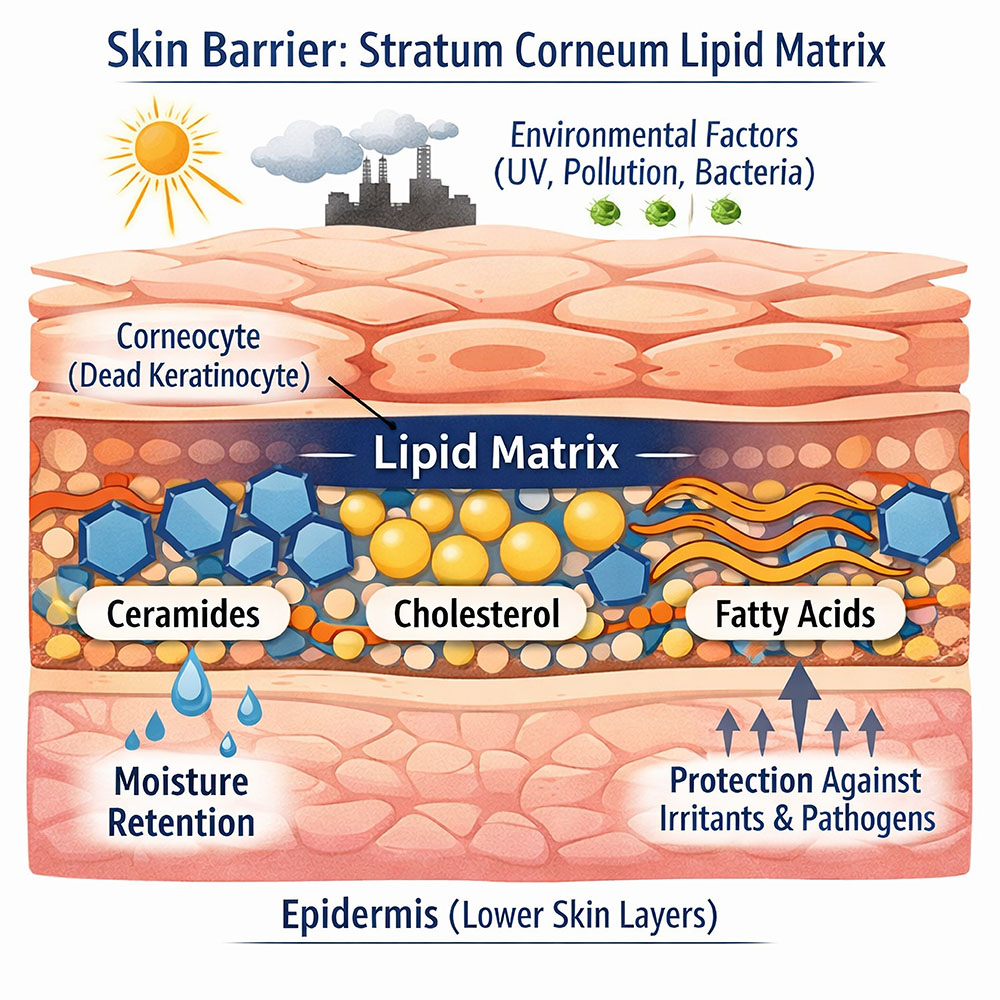
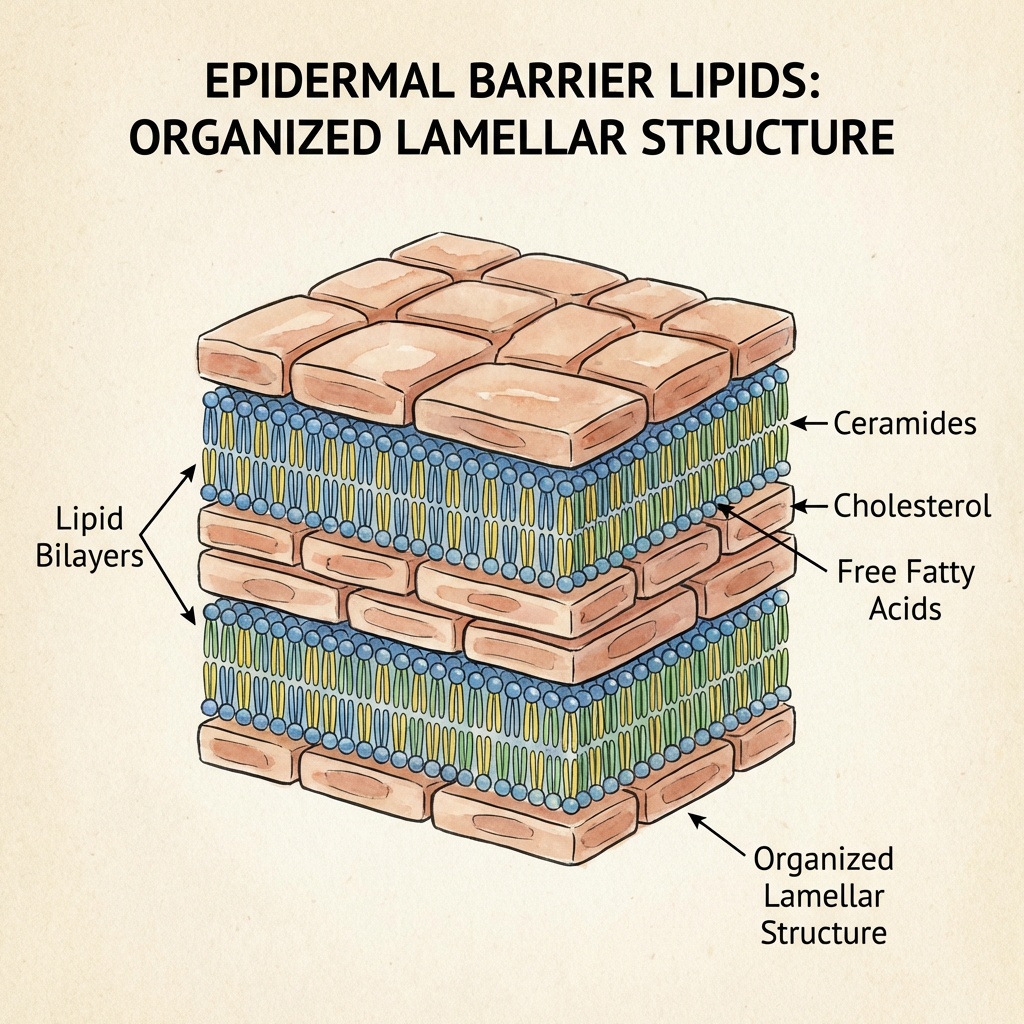
Epidermal lipids and lamellar organization contribute to hydration stability, environmental defense, and tissue recovery dynamics.

Explore Barrier Science
02

Oxidative Defense

Antioxidant systems help regulate reactive oxygen species and minimize progressive cellular exhaustion induced by environmental stress.

Explore Molecular Mechanisms
03

Tissue Adaptation

Adaptive epidermal resilience depends on controlled biological signaling rather than excessive inflammatory disruption.

Explore Biological Principles
ADAPTIVE DEFENSE · TISSUE RESILIENCE · BIOLOGICAL STABILITY

Biological Photoprotection as
Tissue Resilience

Modern aesthetic medicine increasingly views photoprotection as a dynamic biological process involving adaptation, recovery, stabilization, and preservation of tissue integrity under environmental stress.

Intelligent Photoprotection Goes Beyond Surface Shielding

Biological photoprotection does not attempt to isolate the skin from all environmental interaction. Instead, it aims to preserve the skin’s capacity to tolerate, regulate, recover, and adapt.

This modern approach integrates barrier preservation, hydration stability, oxidative stress modulation, controlled inflammatory signaling, epidermal resilience, and optimized recovery dynamics.

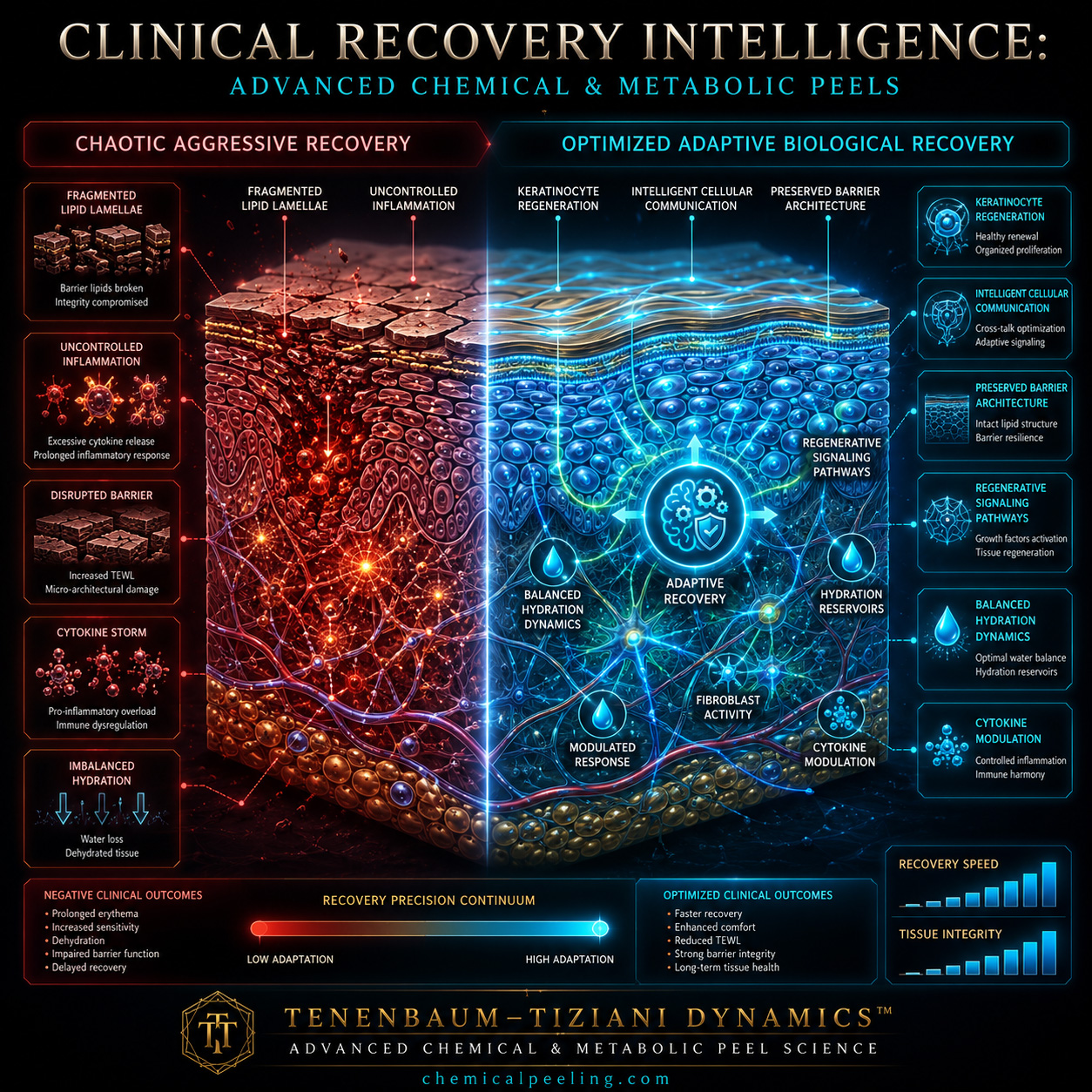
Rather than promoting excessive inflammatory resurfacing or repeated barrier destabilization, intelligent tissue strategies aim to support long-term biological equilibrium.

The future of photoprotection is increasingly based on maintaining adaptive biological function rather than relying exclusively on passive ultraviolet shielding.
Biological photoprotection and tissue resilience
Intelligent photoprotection integrates barrier stability, oxidative balance, tissue adaptation, epidermal recovery, and controlled biological resilience mechanisms.
01

Adaptive Resilience

Healthy skin constantly adapts to environmental fluctuations through dynamic biological regulation and recovery pathways.

02

Controlled Biological Signaling

Modern resurfacing strategies increasingly seek to preserve useful regenerative signaling while limiting excessive inflammatory overload.

03

Long-Term Tissue Stability

Preserving epidermal integrity and recovery capacity may contribute to improved tolerance, stability, and visible skin quality over time.

Stretchpeel and metabolic photoprotection
Stretchpeel is positioned within a biological resurfacing philosophy: supporting epidermal renewal while respecting barrier stability, recovery dynamics, and tissue resilience.
STRETCHPEEL · METABOLIC RESURFACING · BIOLOGICAL DEFENSE

Stretchpeel and
Metabolic Photoprotection

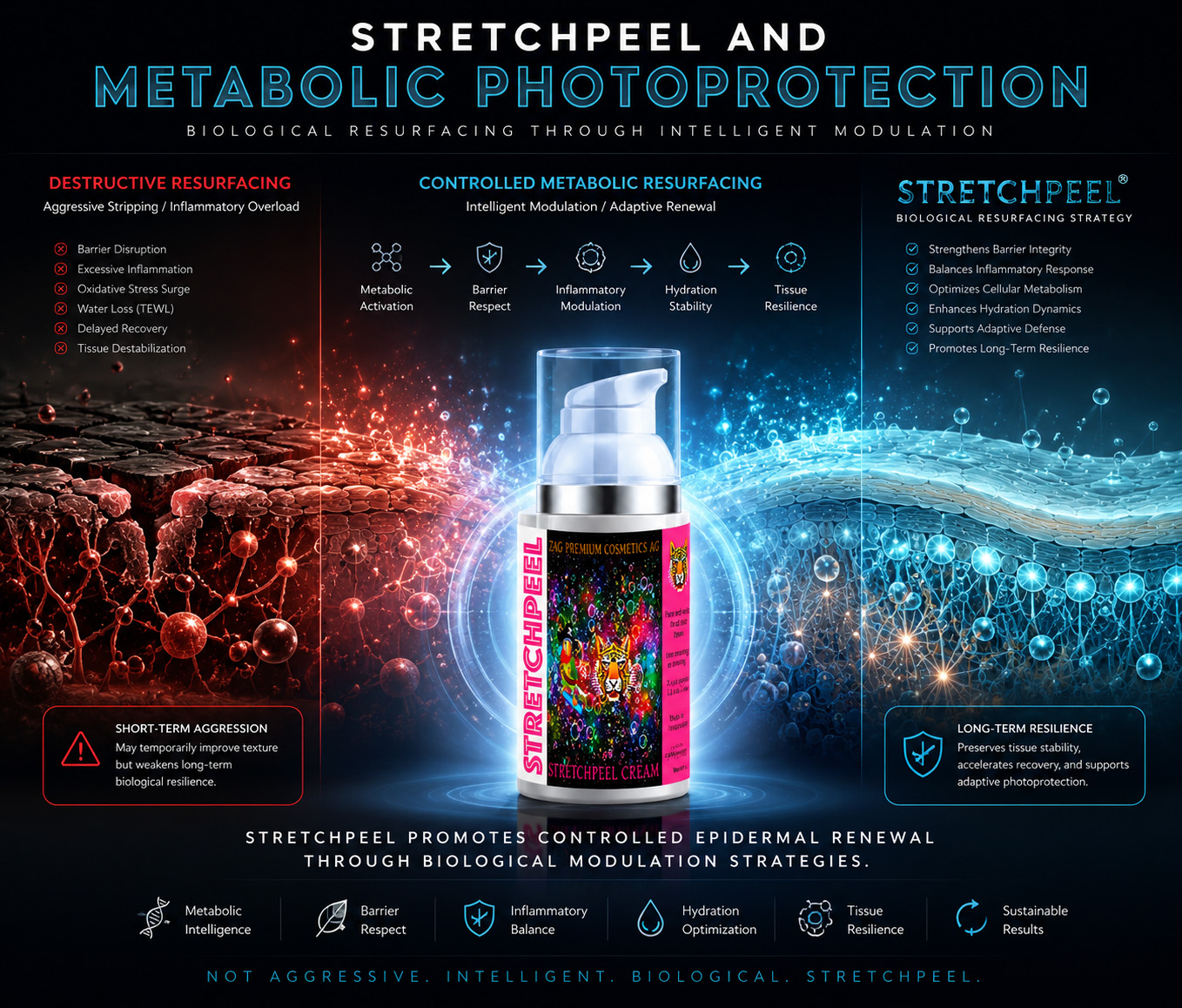
Stretchpeel is not conceived as an aggressive stripping procedure. It belongs to a more refined resurfacing philosophy, where epidermal renewal must remain compatible with tissue stability, controlled recovery, and biological resilience.

In the context of biological photoprotection, Stretchpeel supports the idea that aesthetic procedures should not weaken the skin’s defensive capacity. Instead, they should participate in a strategy of controlled renewal, barrier respect, and adaptive tissue quality.

This positioning clearly differentiates Stretchpeel from excessively inflammatory or destructive resurfacing approaches that may temporarily improve surface appearance while destabilizing the biological systems required for long-term skin defense.

Stretchpeel represents a biologically oriented resurfacing strategy: controlled, intelligent, barrier-conscious, and aligned with modern photoprotection principles.
STRETCHPEEL · CLINICAL STRATEGY · BIOLOGICAL ADVANTAGES

Clinical Advantages of a
Barrier-Oriented Strategy

Stretchpeel is positioned for physicians seeking controlled epidermal renewal without excessive inflammatory disruption. Its clinical value lies in combining visible skin improvement with respect for tissue stability and biological recovery.

01

Controlled Renewal

Supports progressive surface refinement while avoiding the logic of excessive stripping or unnecessary epidermal aggression.

02

Barrier Respect

Fits a modern approach where resurfacing must remain compatible with hydration stability, lipid organization, and recovery capacity.

03

Lower Inflammatory Burden

Avoids positioning based on maximal visible irritation, replacing it with controlled biological interaction and tissue tolerance.

04

Post-Exposure Stability

Particularly coherent with biological photoprotection because the target is not only renewal, but also resilient skin behavior.

05

Protocol Intelligence

Can be integrated into barrier-conscious aesthetic protocols rather than isolated as a purely destructive exfoliating procedure.

06

Premium Differentiation

Differentiates the physician from generic aggressive peel concepts by emphasizing biology, recovery, and tissue quality.

Stretchpeel is designed for a more intelligent resurfacing philosophy.

Not more aggression. Not more inflammation. Not more barrier collapse. A modern clinical strategy should improve appearance while preserving the biological systems that protect the skin.

Discover Stretchpeel
CLINICAL FAQ · BIOLOGICAL PHOTOPROTECTION

Biological Photoprotection
Clinical FAQ

Modern photoprotection increasingly integrates barrier science, oxidative stress modulation, adaptive tissue resilience, and biologically intelligent resurfacing strategies.

Is SPF alone sufficient for modern photoprotection?
SPF remains clinically important, especially against UVB-induced erythema, but modern photoprotection cannot be reduced to SPF values alone. Biological resilience, oxidative stress control, barrier stability, hydration dynamics, and inflammatory modulation also contribute to long-term tissue protection.
What is biological photoprotection?
Biological photoprotection refers to strategies aiming to preserve the skin’s adaptive defense systems rather than focusing exclusively on external ultraviolet shielding. This includes barrier preservation, tissue recovery, oxidative balance, and controlled biological resilience.
Why is barrier stability important in photoprotection?
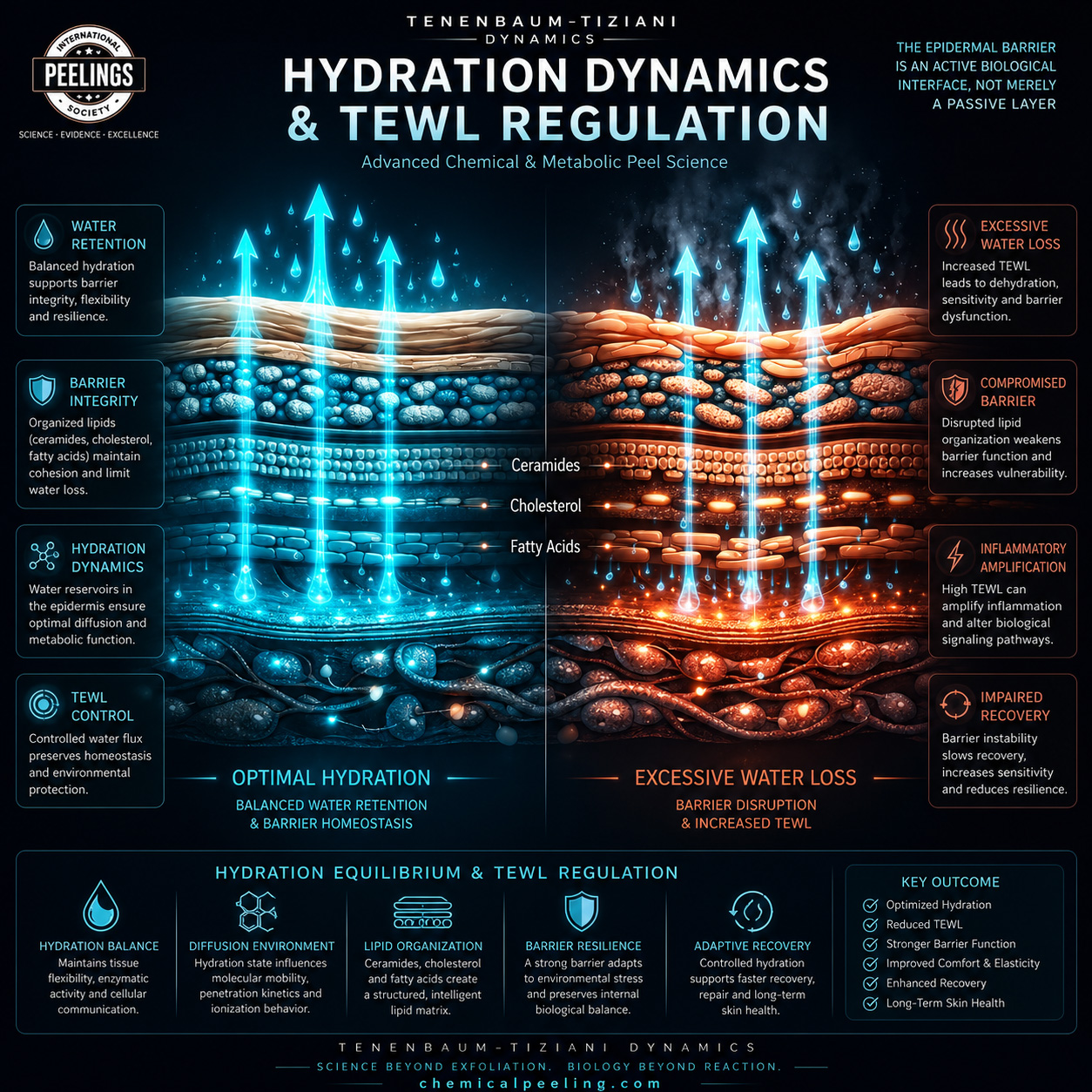
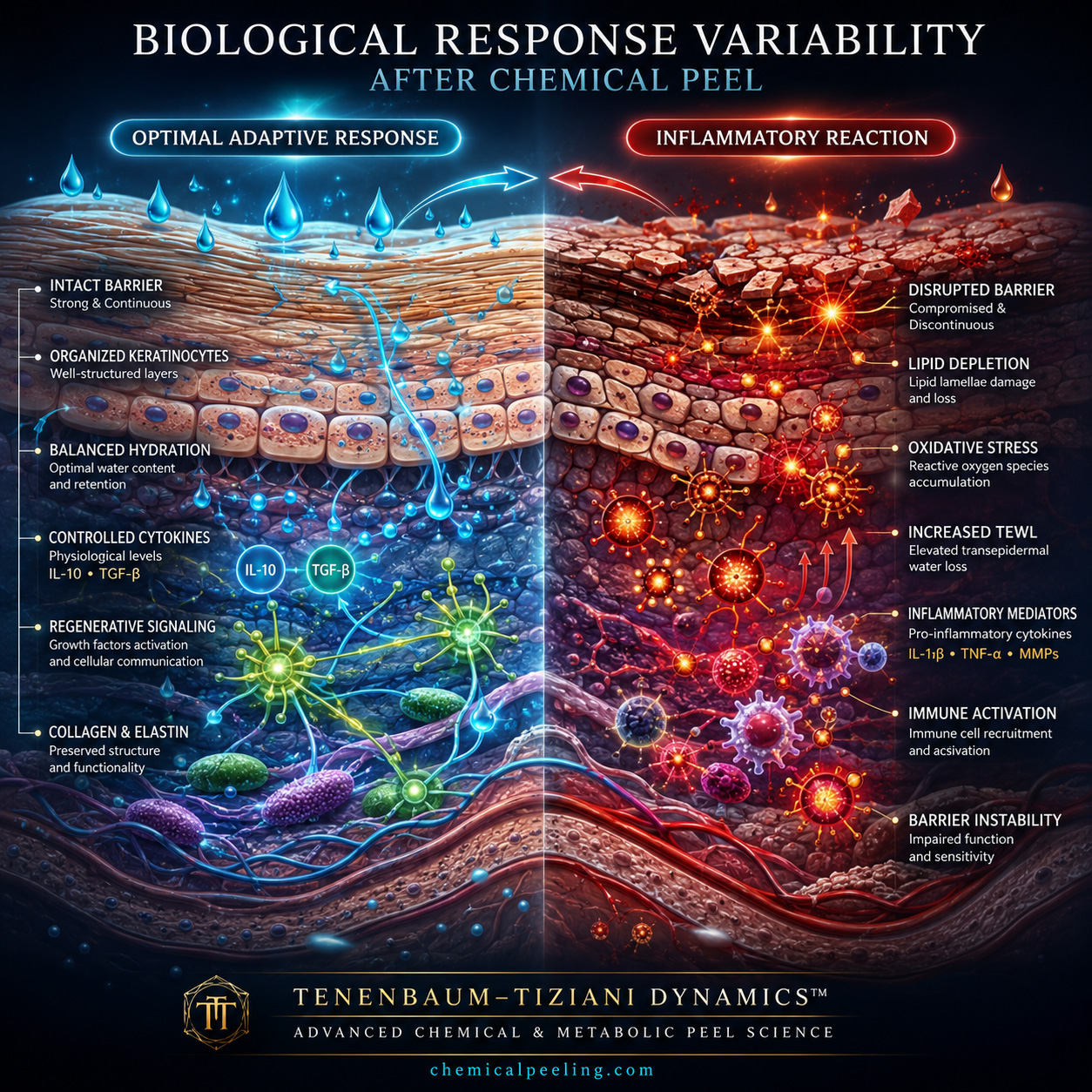
Ultraviolet exposure progressively alters epidermal lipids, hydration dynamics, and trans-epidermal water loss (TEWL). When barrier stability declines, the skin becomes more vulnerable to inflammation, oxidative stress, irritation, and premature photoaging.
Can aggressive resurfacing weaken biological defense mechanisms?
Excessively inflammatory or destructive procedures may temporarily improve surface appearance while simultaneously destabilizing epidermal recovery systems and barrier integrity. Modern aesthetic medicine increasingly favors controlled biological interaction rather than unnecessary tissue aggression.
How does Stretchpeel fit into biological photoprotection?
Stretchpeel is positioned as a biologically oriented resurfacing strategy designed to support epidermal renewal while remaining compatible with barrier preservation, controlled recovery, and adaptive tissue resilience.
Is inflammation always harmful in aesthetic medicine?
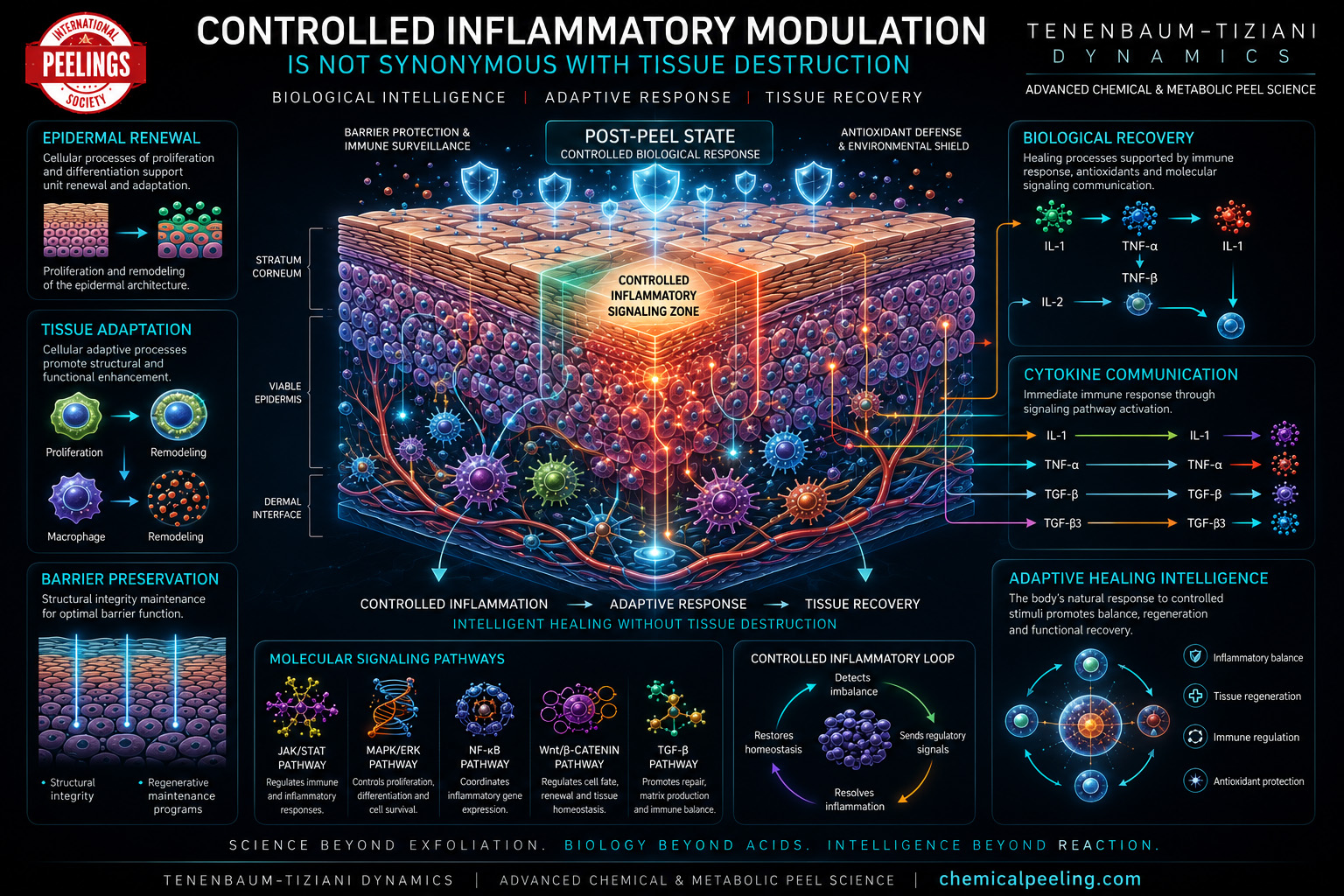
No. Controlled inflammatory signaling participates in tissue repair and biological adaptation. The problem arises when repetitive inflammatory overload leads to chronic tissue destabilization, sensitivity, pigmentation irregularities, and accelerated aging.
FINAL PERSPECTIVE · BIOLOGICAL PHOTOPROTECTION

The Future of Photoprotection
Is Biological

Photoprotection is no longer only a question of blocking ultraviolet radiation. It is becoming a broader biological strategy focused on preserving epidermal intelligence, tissue resilience, oxidative balance, inflammatory control, and long-term skin stability.

In this perspective, aesthetic procedures should not simply remove, strip, or inflame. They should respect the biological systems that allow the skin to recover, adapt, and defend itself over time.

Stretchpeel belongs to this modern philosophy: controlled resurfacing, barrier awareness, biological recovery, and intelligent tissue quality.

Share this page with your network