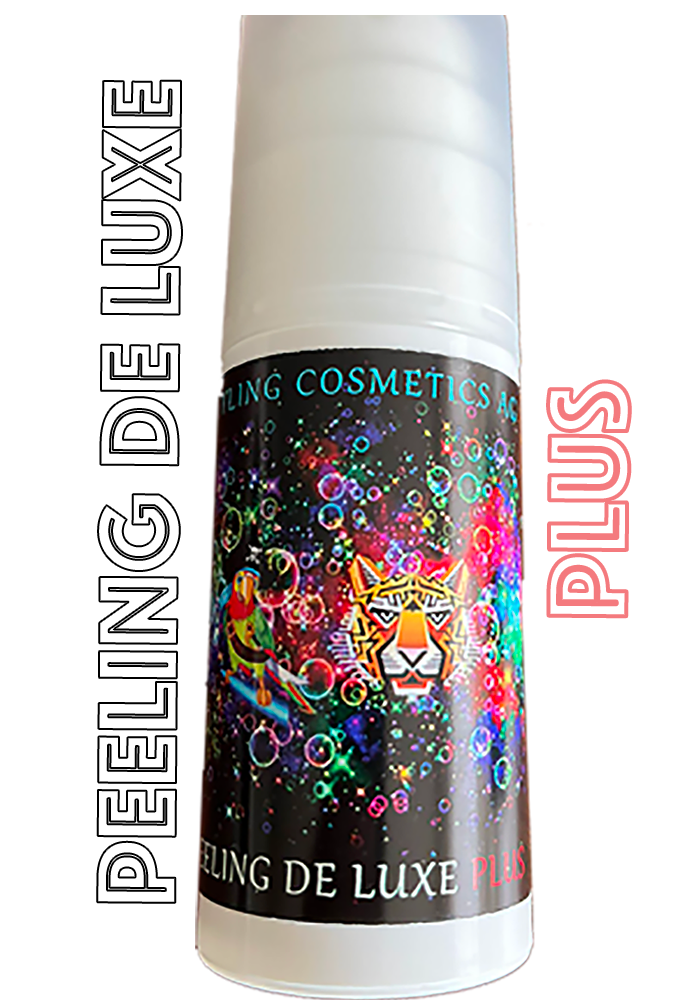



Peeling de Luxe Plus
Central metabolic formulation used in advanced protocols for modulation, transition phases, and broader corrective design.
Metabolic peels are not designed to act only through superficial exfoliation. They are conceived to modulate biological skin activity, influence regeneration pathways, and support a more functional form of corrective skin management.
Unlike conventional peel logic focused mainly on visible desquamation, this category addresses cellular behaviour, pigment dynamics, skin fatigue, recovery capacity, and long-term tissue regulation. In practical use, metabolic peels are often integrated where the skin requires guidance, rebalancing, and progressive correction rather than simple surface aggression.
This hub gathers the metabolic solutions portfolio, its clinical rationale, related protocol pathways, and the core scientific positioning behind this category.
Metabolic peels occupy a distinct place within chemical peeling strategy. They should not be understood as a simple variation of superficial peeling, but as a category designed to support functional skin correction, biological modulation, and progressive tissue rebalancing.
In conventional peel thinking, the clinical objective is often reduced to visible exfoliation, controlled injury, or accelerated epidermal turnover. Metabolic peels follow a broader rationale. Their role is not limited to removing superficial layers, but to influence the biological environment in which the skin recovers, reorganises, and stabilises itself over time.
This is precisely why they become relevant in situations where the practitioner is not merely seeking a stronger peel, but a more intelligent response from the skin: better tolerance, improved recovery logic, more coherent maintenance, and a clinically useful bridge between correction and long-term regulation.
The real clinical shift is not about choosing a different peel, but about redefining the objective of treatment.
Instead of asking how strong a peel should be, the more relevant question becomes: what biological response are we trying to guide?
This is where metabolic logic moves beyond product selection and becomes a strategy of skin management, integrating correction, tolerance, and long-term coherence.
Metabolic peels are especially relevant when the skin no longer behaves like a simple healthy substrate ready for routine exfoliation. In real practice, many patients present with fatigued skin dynamics, recurrent dyschromia, post-inflammatory instability, barrier stress, or incomplete recovery after previous interventions.
In such contexts, the therapeutic challenge is not always to peel more aggressively, but to restore a more coherent biological response. This is where metabolic solutions become clinically valuable: they help reposition the practitioner from a purely abrasive logic toward a more strategic logic of support, modulation, and controlled progression.
Support of pathways involved in regeneration, repair, pigment behaviour, and tissue adaptation.
Useful when the goal is not only cosmetic resurfacing, but progressive rebalancing of skin function.
Particularly relevant before, between, or after stronger corrective interventions as part of a broader plan.
A category designed to work with less dependence on visible epidermal violence when properly selected.
On this platform, the metabolic peel category stands between pure product presentation and protocol intelligence. It connects science, formulation logic, clinical use pathways, and practical integration.
In other words, this hub is not just a catalogue page. It is the point where the practitioner can understand why these products exist, when they become clinically relevant, and how they relate to broader corrective protocols across the site.
The distinction between metabolic and standard peels is not based solely on chemistry. It is based on how the skin is approached as a biological system, and how treatment strategies are designed to influence its behaviour at different epidermal levels.
Conventional peels are frequently judged by what happens at the surface. Metabolic peels introduce a more sophisticated view: surface visibility, tissue transit, and true biological target are not the same thing.
This distinction is clinically decisive. A patient may see flaking, but the therapeutic rationale may actually depend on what is happening deeper, where renewal, regulation, and tissue adaptation are coordinated.
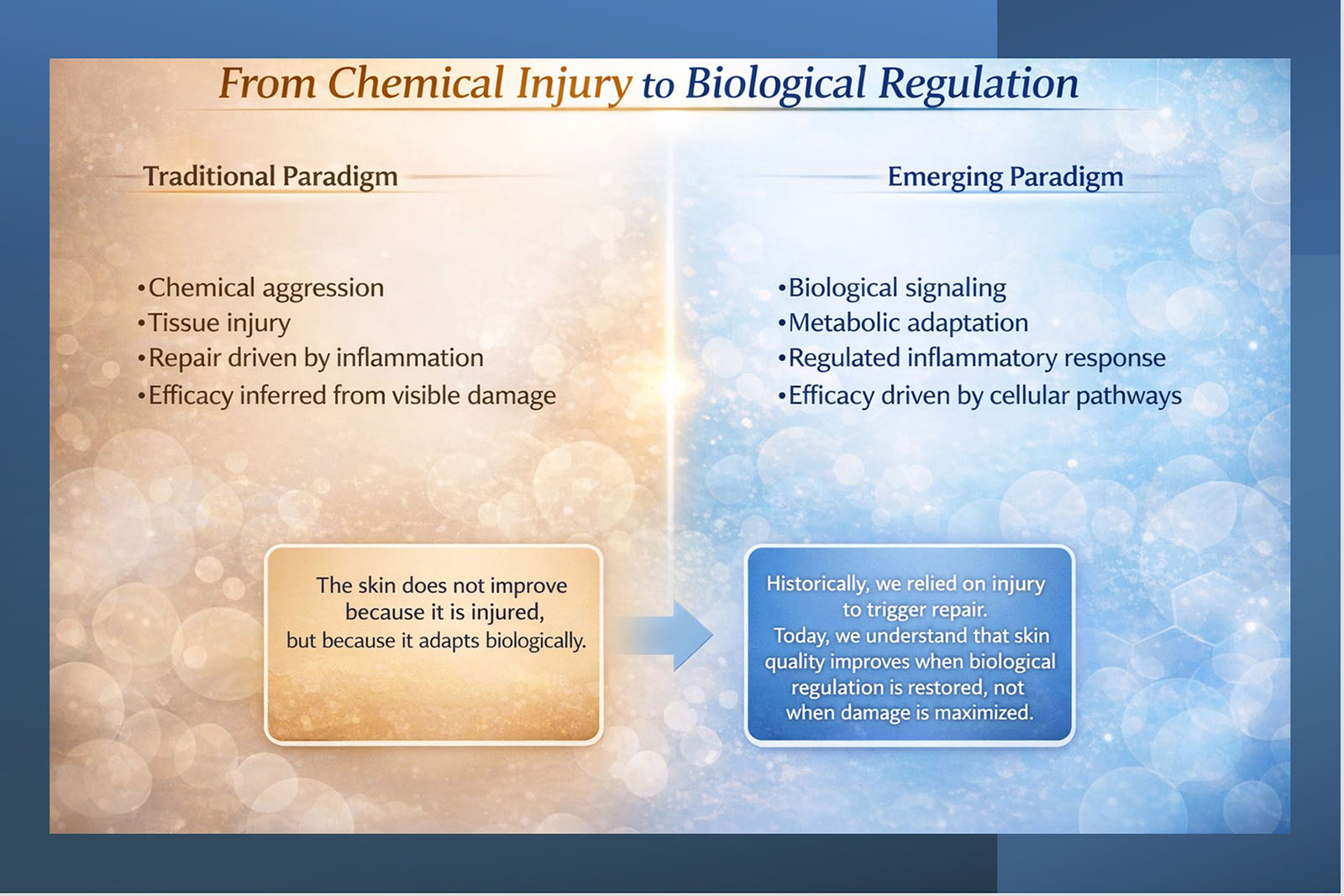
Standard peels are often built on a logic of controlled injury followed by repair. Metabolic peels introduce a different approach: supporting biological regulation before forcing visible damage.
Instead of focusing only on the stratum corneum, metabolic strategies aim to influence living epidermal layers, cellular turnover, and functional balance.
Clinical outcomes are not only determined by strength or concentration. They depend on protocol design, sequencing, and biological coherence.
A peel does not need to produce broad desquamation to be active. Visible surface response and meaningful biological action are not equivalent phenomena.
Metabolic peels are often integrated where repeated sessions are needed, allowing progressive correction with lower inflammatory burden.
The key is not choosing a stronger peel, but building a coherent treatment sequence adapted to the indication and the patient.
A chemical peel is not defined by how much the skin peels,
but by how intelligently the skin is guided.
Metabolic peels are not weaker — they are more controlled.
X-axis: pH (chemical environment)
Skin ≈ pH 5.5
Y-axis: % unionized
Determines diffusion capacity
Higher unionized fraction → higher penetration
Only the non-ionized form crosses biological membranes
This portfolio should not be read as a simple product list. It reflects a structured clinical ecosystem designed for biological modulation, progressive correction, support phases, protocol sequencing, and indication-specific use.
Not all peeling strategies pursue the same objective. This distinction is essential because surface exfoliation, tissue stimulation, and biological targeting are not equivalent therapeutic logics.
The metabolic portfolio is designed for clinical environments where the practitioner wants more than a visible peel: better coherence, greater control, improved tolerance, and a more functional relationship with skin renewal.
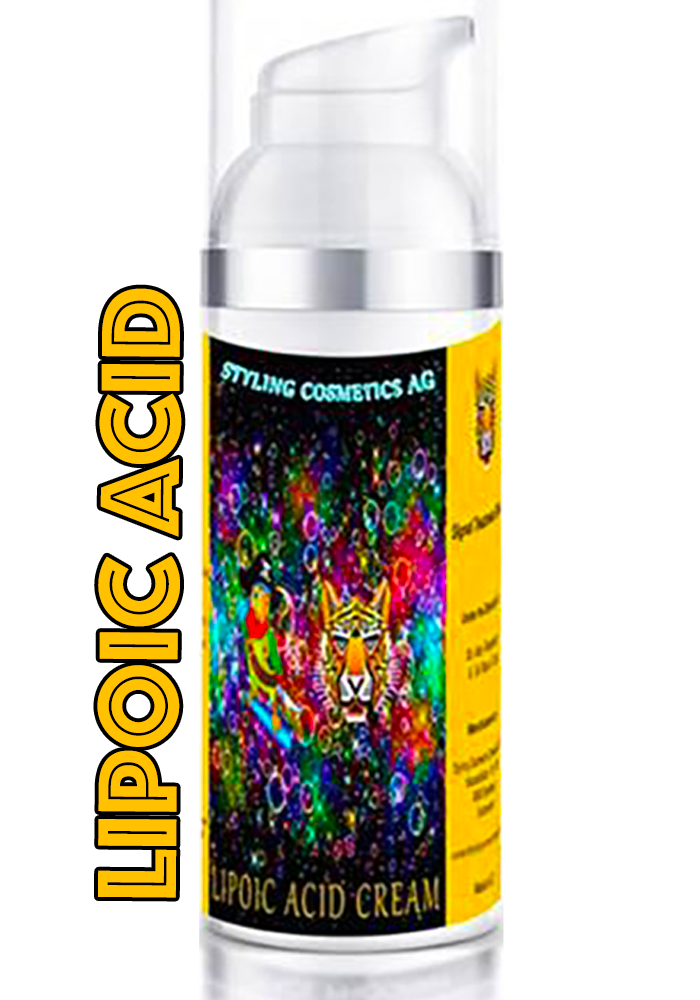
In practical portfolio interpretation, Peeling de Luxe Plus functions as the core metabolic peel, aligned with retinoic acid–driven renewal and living epidermal targeting. Within more advanced sequence-based strategies, Lipoic Acid may serve as a diffusion-support step, contributing to trans-epidermal penetration and functional modulation.
These formulations represent the central metabolic logic of the category and form the backbone of advanced treatment design.
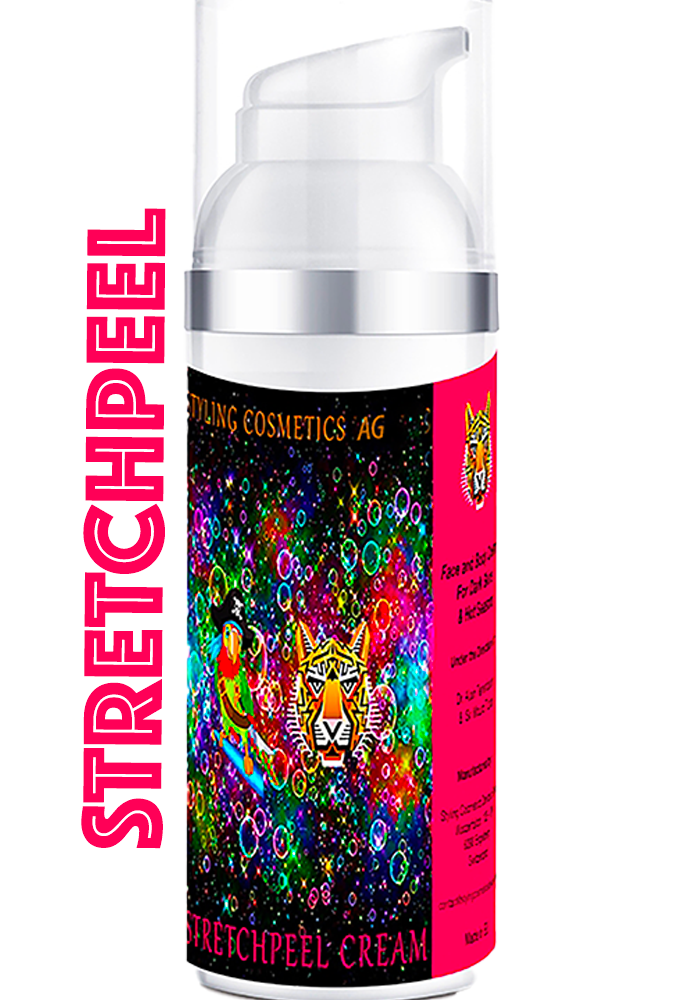
Central metabolic formulation used in advanced protocols for modulation, transition phases, and broader corrective design.
Progressive modulation support designed for tolerance management, sequence control, and long-term clinical coherence.
Targeted metabolic support often positioned in dyschromia-oriented and lower-trauma treatment strategies.
These products support renewal quality, modulation, pigment-oriented care, tolerance, and maintenance phases within the metabolic framework.
Antioxidant-driven support used in skin regulation strategies where biological balance and controlled progression matter.
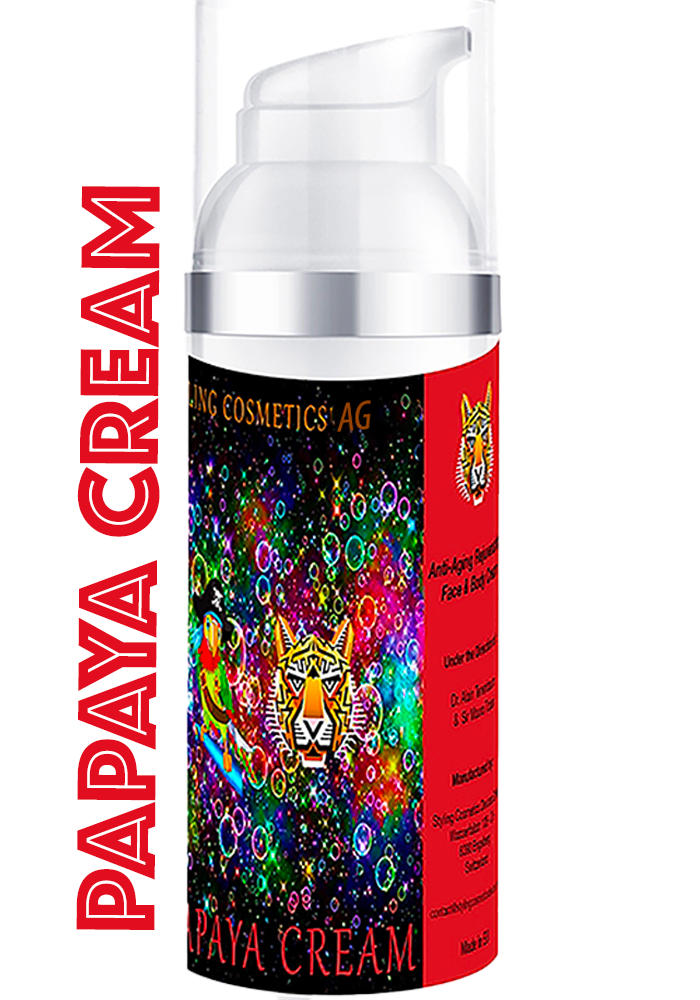
Enzymatic support solution for gentle renewal, maintenance logic, and biologically guided skin activity.
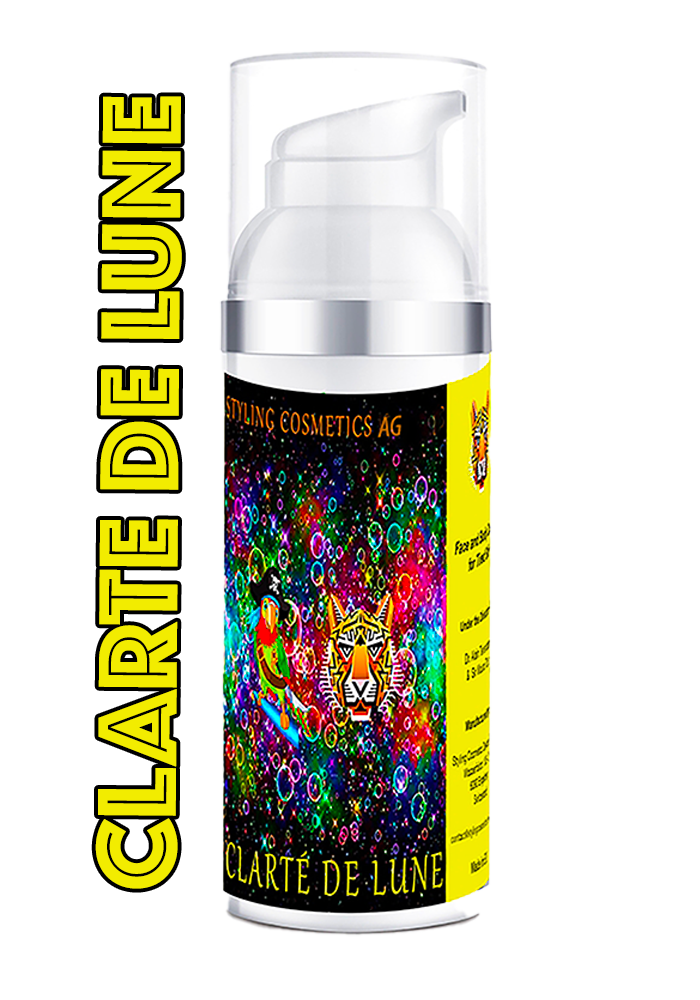
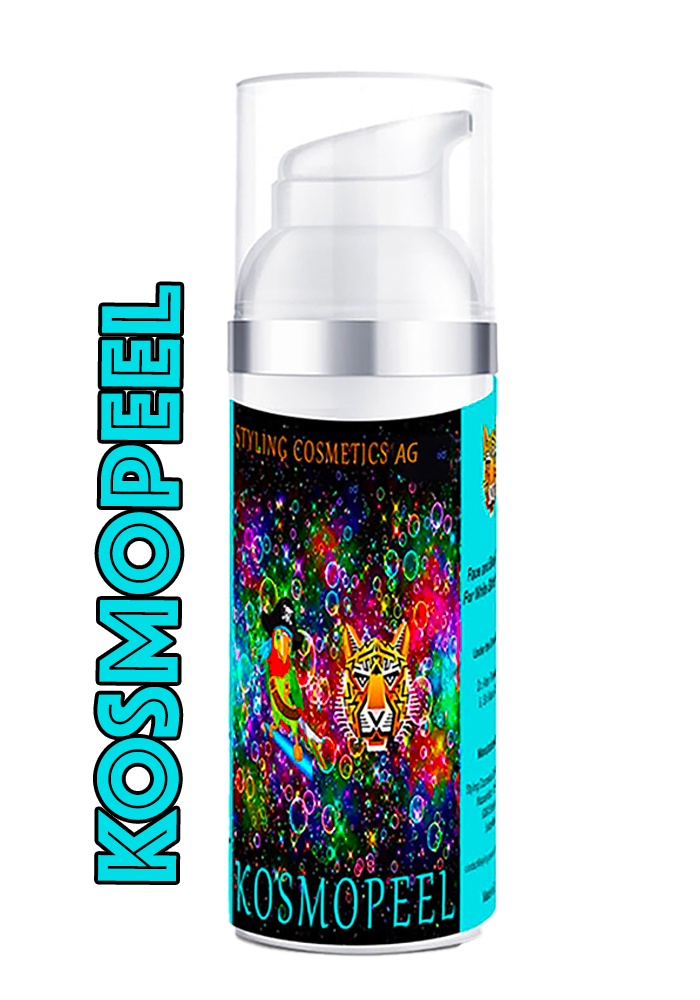
Metabolic support product positioned around radiance, pigment-oriented care, and controlled corrective pathways.
Support and modulation solution positioned for balance, maintenance, and biologically coherent protocol integration.
These formulations support the treatment environment before, during, or after intervention and contribute to broader protocol architecture.
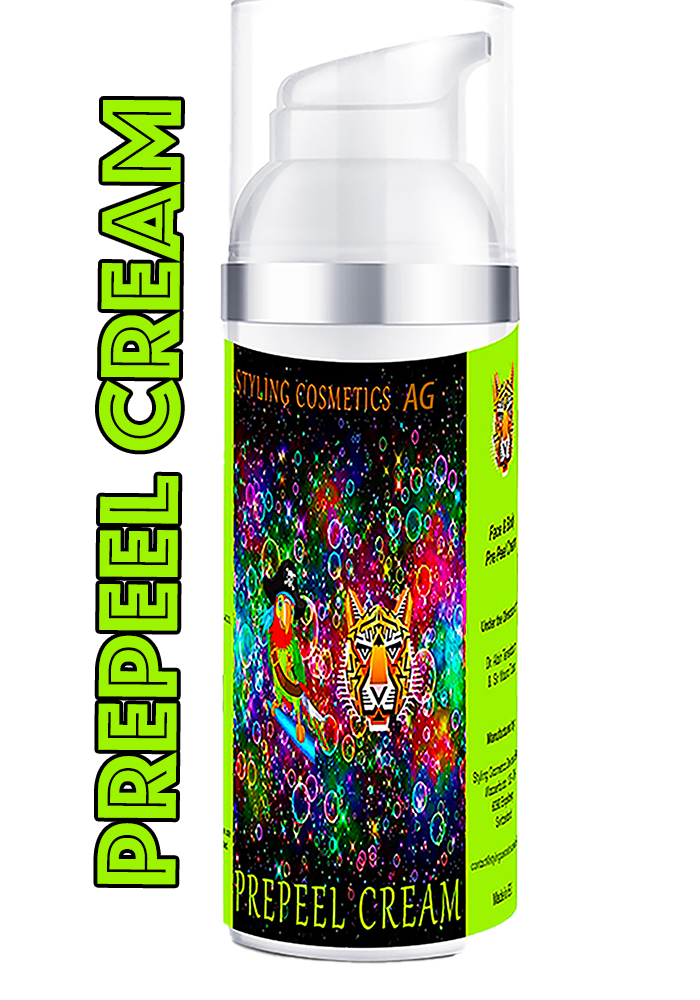
Designed for pre-procedural preparation and improved protocol readiness within a controlled clinical workflow.
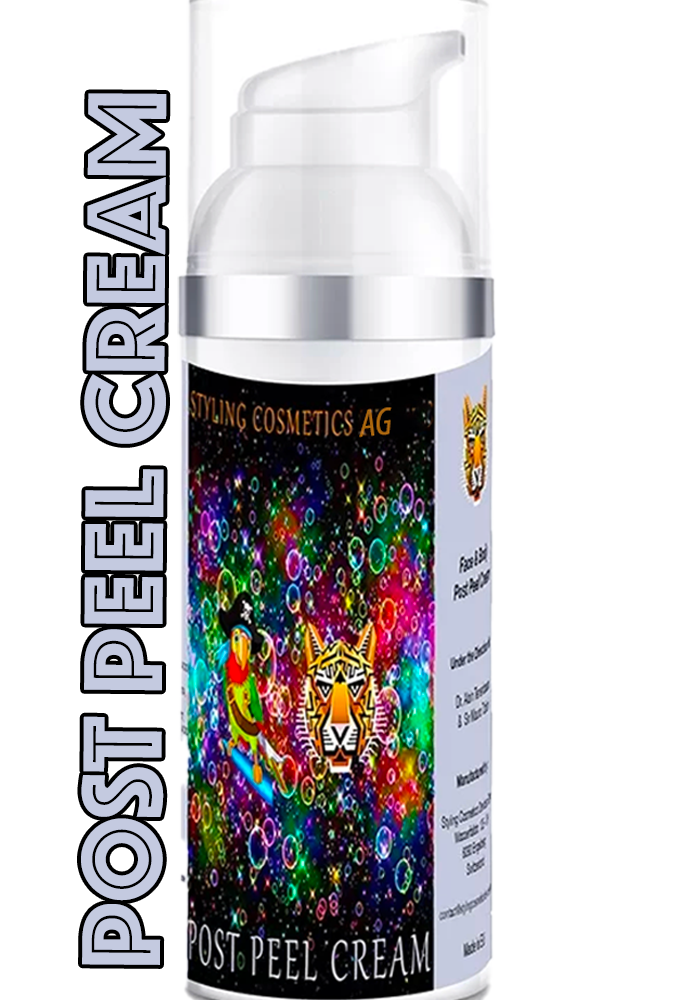
Post-procedural support formulation contributing to recovery logic, tolerance, and maintenance of protocol coherence.
Integrated protocol product positioned within the broader metabolic environment rather than as an isolated intervention.
Supportive formulation integrated into protocol design where progression, environment, and sequence intelligence matter.
These products address more targeted zones or indication-specific positioning within the broader metabolic portfolio.
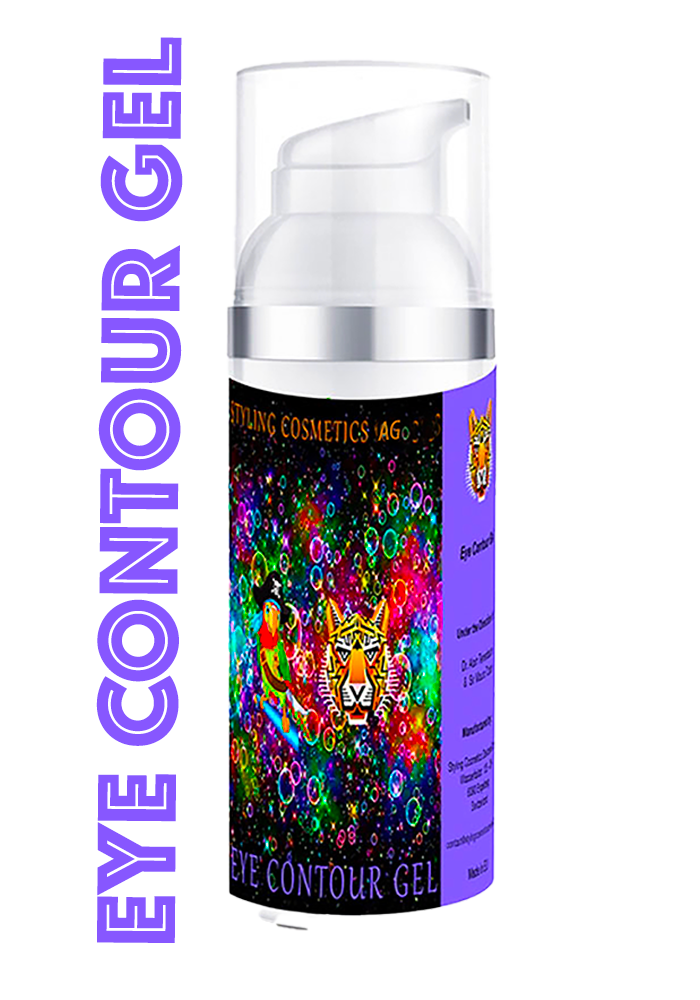
Indication-focused product designed for the delicate periorbital area and specific functional skin support needs.
More specialised positioning within the metabolic range, suited to targeted aesthetic logic and selective protocol use.
These formulations are most valuable when understood as part of a structured therapeutic logic. Explore how metabolic solutions connect with broader clinical pathways, sequencing strategies, and decision-making principles.
Metabolic solutions are not used randomly. Their value lies in how they are integrated into clinical strategies, depending on the indication, skin behavior, and treatment objective.
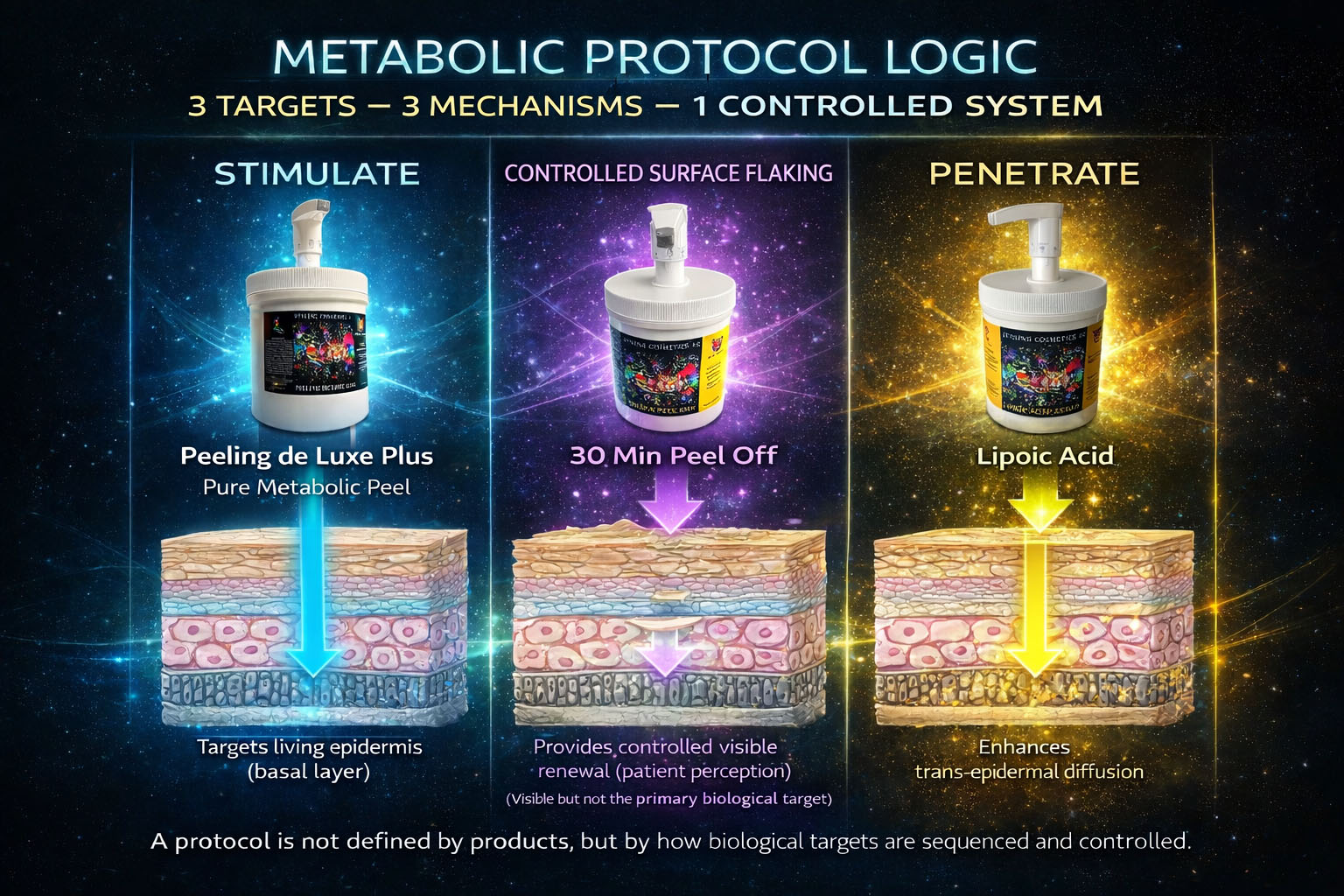
A metabolic protocol should not be interpreted as a simple accumulation of products. Its value lies in how distinct biological functions are sequenced to create a more controlled and coherent clinical response.
In this framework, Peeling de Luxe Plus supports basal stimulation, 30 Min Peel Off provides a controlled visible flaking step, and Lipoic Acid contributes to penetration-support and functional modulation.
The question is not which peel is stronger,
but which biological strategy is appropriate.
Metabolic peels are not an alternative —
they are a framework for smarter clinical design.
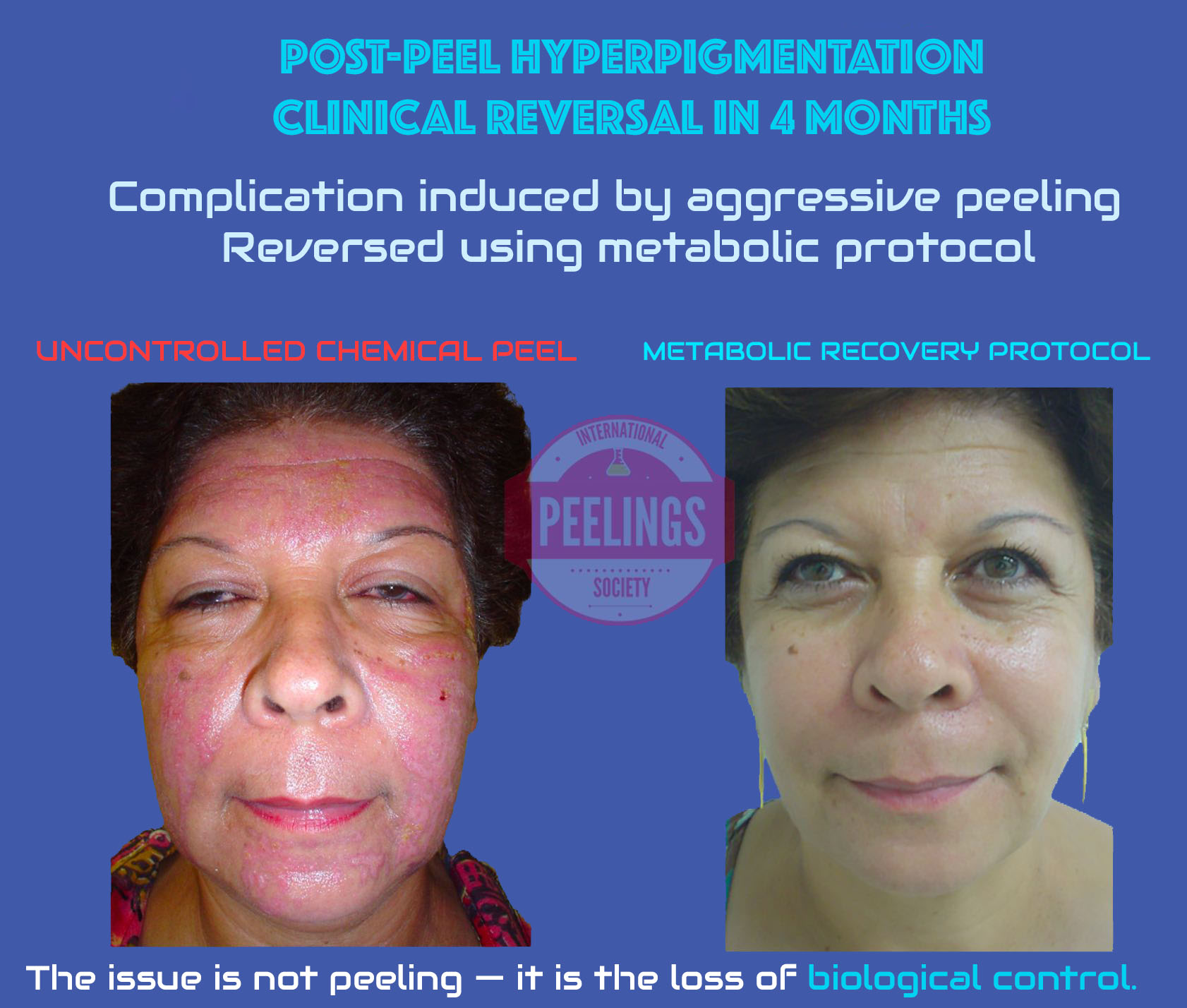
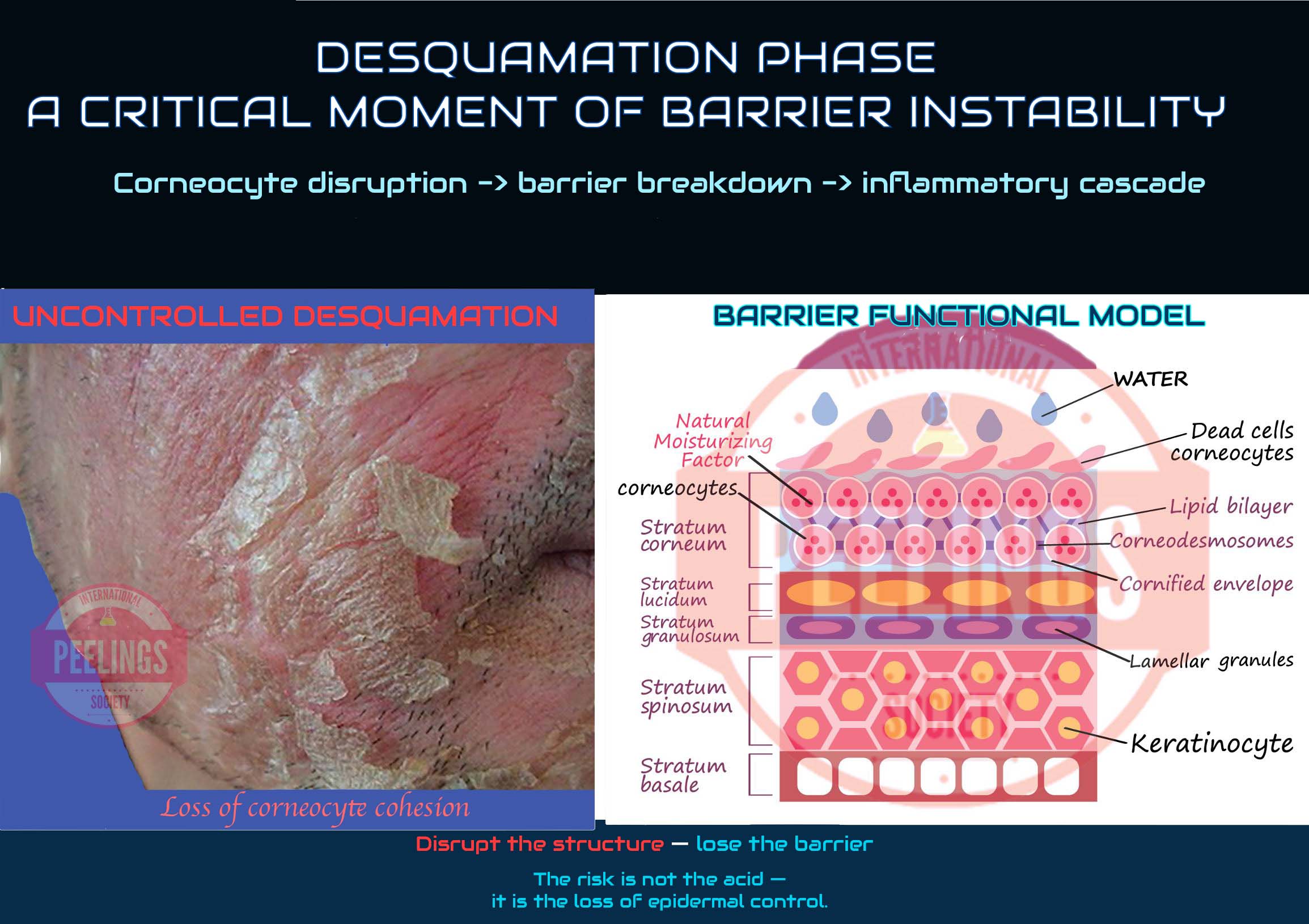
In classical peeling, the most problematic moment is not always the procedure itself. Very often, the real danger appears later — when the patient enters the desquamation phase without supervision, while the barrier is unstable and the biological cost of error becomes much higher.
During visible desquamation, the skin may no longer behave like a stable barrier. At that moment, compliance errors, inappropriate products, friction, sun exposure, self-manipulation, or poorly understood aftercare can become far more consequential.
A peeling strategy should not be judged only by what happens in-office. It must also be judged by what happens after the patient leaves — especially during the phase when tissue control decreases and complication potential rises.
This is precisely where metabolic strategies redefine safety: less dependence on broad desquamation, more emphasis on biological control, tolerance, and guided regulation. In other words, safety is no longer reduced to depth alone — it becomes a question of systemic coherence.
Metabolic peels are not only treatments — they are a framework to understand, prevent and reverse skin dysfunction following aggressive or uncontrolled procedures.
Learn how to control skin — not just peel it.
Chemical peeling should not be understood as a technique of aggression, but as a method of biological guidance.
Traditional approaches focus on visible skin reaction:
frosting, desquamation, inflammation.
But these are consequences — not objectives.
When epidermal regulation is preserved, the skin regenerates.
When it is disrupted, complications appear:
hyperpigmentation, inflammation, instability.
Metabolic peels redefine the objective:
not to force peeling — but to guide cellular behavior.
The classical classification of chemical peels is primarily based on depth of injury and visible skin response. This framework assumes that clinical efficacy is directly linked to the intensity of epidermal damage.
However, emerging observations suggest that outcomes are not determined by the extent of surface injury, but by the preservation or disruption of epidermal regulatory mechanisms.
Within this perspective, metabolic peels introduce a different paradigm: they aim to interact with living epidermal layers, modulate cellular turnover, and maintain functional integrity, rather than inducing uncontrolled desquamation.
This conceptual shift aligns with a broader movement in dermatology: transitioning from injury-driven intervention to biologically guided modulation.
Chemical peels cannot be understood through depth alone. A functional classification requires integration of chemical structure, functional behavior, and biological role.
| Acid | pKa | Type | Function | Biological Role |
|---|---|---|---|---|
| TCA | Very Low | Monoprotic | Caustic | Surface Injury |
| Glycolic Acid | ~3.8 | Monoprotic | Keratolytic | Surface Renewal |
| Salicylic Acid | ~2.9 | Monoprotic | Lipophilic / Comedolytic | Sebum Targeting |
| Citric Acid | Multiple | Triprotic | Hydrating / Buffering | Metabolic Regulation |
| Retinoic Acid | N/A | Non-classical | Cell Signaling | Basal Stimulation |
Utilizziamo cookie e tecnologie simili per migliorare la tua esperienza di navigazione nel nostro sito web.