Clinical Topic • Chronic Inflammatory Acne

Persistent
Adult Acne

A chronic inflammatory and metabolic skin disorder requiring more than symptomatic suppression.

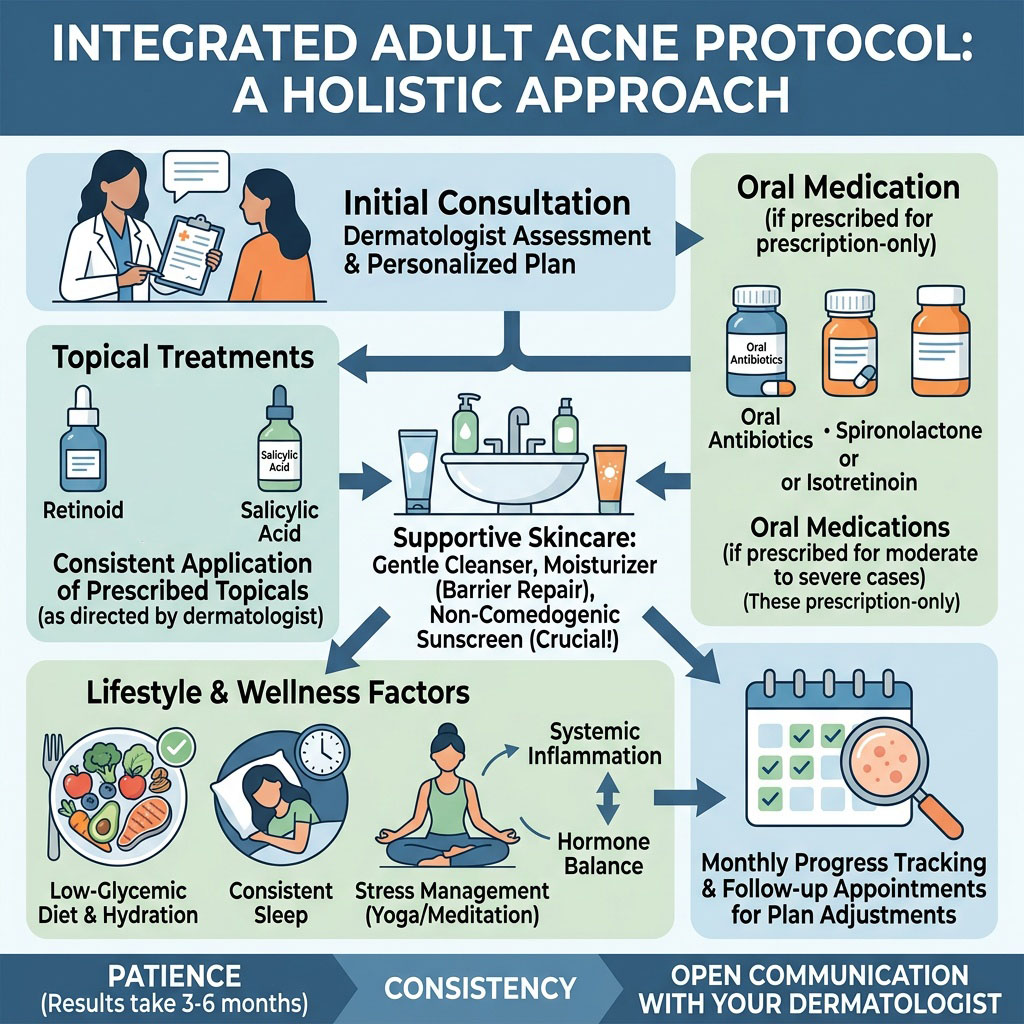
Persistent adult acne is not simply adolescent acne that never disappeared. In many patients, it reflects a more complex biological pattern involving chronic low-grade inflammation, altered follicular regulation, microbiome imbalance, oxidative stress, and impaired epidermal control. The objective is not merely to dry lesions, but to restore skin function with precision.

Clinical Reality

More persistent, more inflammatory, and often more resistant than conventional acne patterns.

Therapeutic Logic

Move from repetitive suppression toward controlled biological regulation and epidermal rebalancing.

Strategic Focus

Support turnover, reduce inflammatory persistence, and optimize the skin environment without unnecessary aggression.
Chronic Adult Indication Inflammation-Oriented Strategy Precision Peeling Logic
Inflammation Microbiome Keratinization
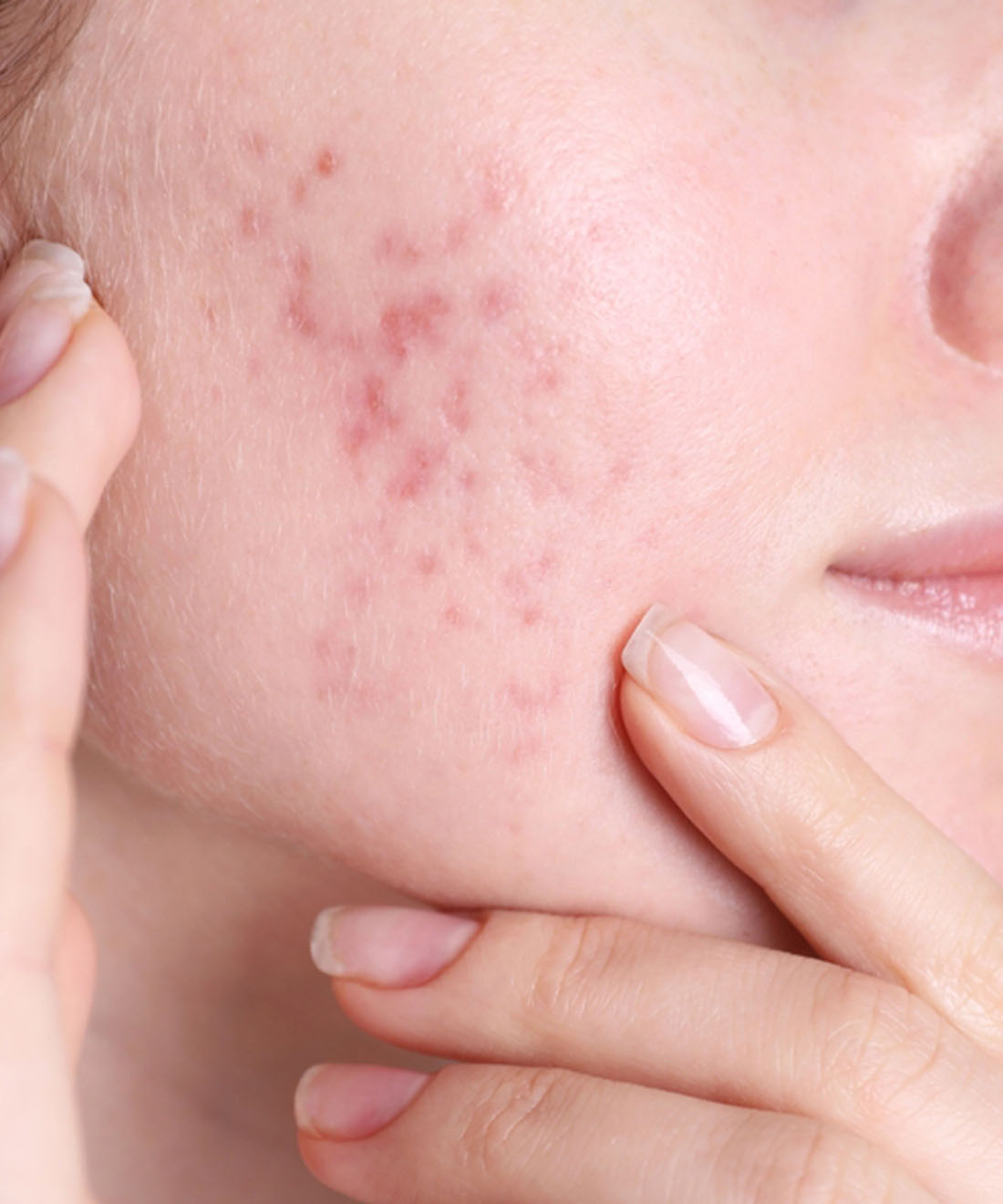
Persistent adult acne in adult female patient with inflammatory lesions on jawline
Persistent adult acne typically presents with inflammatory lesions localized to the lower face, associated with chronic low-grade inflammation, microbiome imbalance, and altered follicular regulation.
Clinical Positioning

Adult acne management requires controlled intervention, not repeated irritation. The aim is to reduce lesion persistence while restoring epidermal coherence.
Section 02 • Clinical Definition

Persistent Adult Acne Is a Distinct Clinical Pattern, Not Simply Adolescent Acne That Continued

In clinical practice, persistent adult acne should be approached as a specific inflammatory and regulatory disorder, not as a delayed variant of teenage acne. Its presentation, evolution, tolerance profile, and therapeutic response are often different, which is why clinical management must be more selective, more structured, and biologically more intelligent.

How This Condition Should Be Defined Clinically

Persistent adult acne generally refers to acne persisting beyond the age of 25, or to lesions that reappear later in life after a period of relative stability. In many patients, the condition no longer behaves like adolescent seborrheic acne. Instead, it often reflects a more complex interaction between chronic microinflammation, altered follicular regulation, oxidative stress, barrier fragility, and variable hormonal influence.

The clinical picture may include inflammatory papules, recurrent lower-face lesions, delayed resolution, a tendency toward post-inflammatory marks, and an overall pattern of persistent dysregulation rather than acute eruptive excess. This distinction matters, because adult skin frequently tolerates indiscriminate irritation poorly, especially when previous treatments have already destabilized the epidermal barrier.

From a practical standpoint, the condition should not be reduced to a cosmetic complaint. It is often a chronic biological imbalance involving epidermal turnover, local inflammatory signaling, microbial imbalance, and altered tissue recovery. That is precisely why treatment must aim for regulation, restoration, and controlled correction rather than repeated empirical suppression.

Age Context

Persistence after 25 years of age or delayed reappearance in adult life changes the clinical logic of management.

Topographic Pattern

Lower-face involvement, jawline recurrence, and localized inflammatory persistence are frequently observed.

Tolerance Profile

Adult skin often reacts poorly to repetitive aggressive strategies, especially after prior irritation or barrier disruption.

Therapeutic Implication

The target is not merely lesion reduction, but restoration of a more stable epidermal and inflammatory environment.

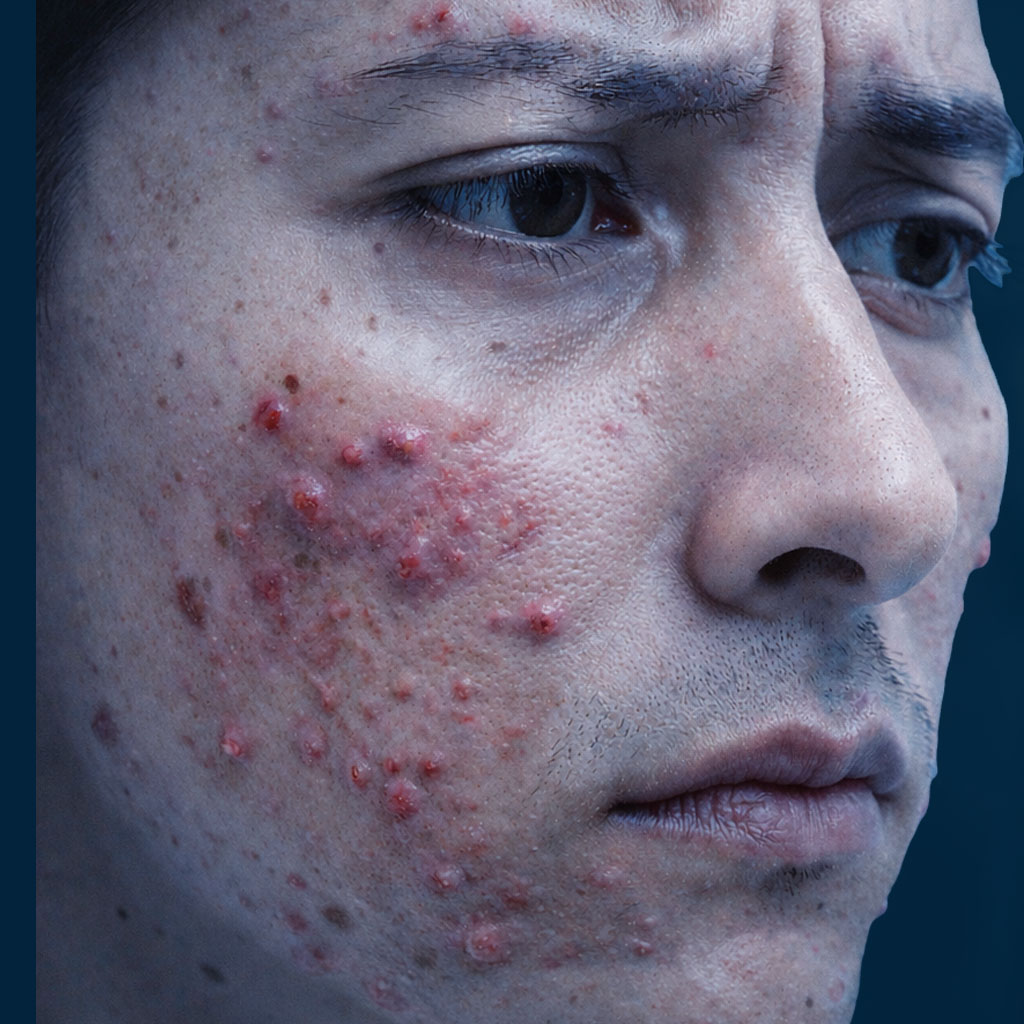
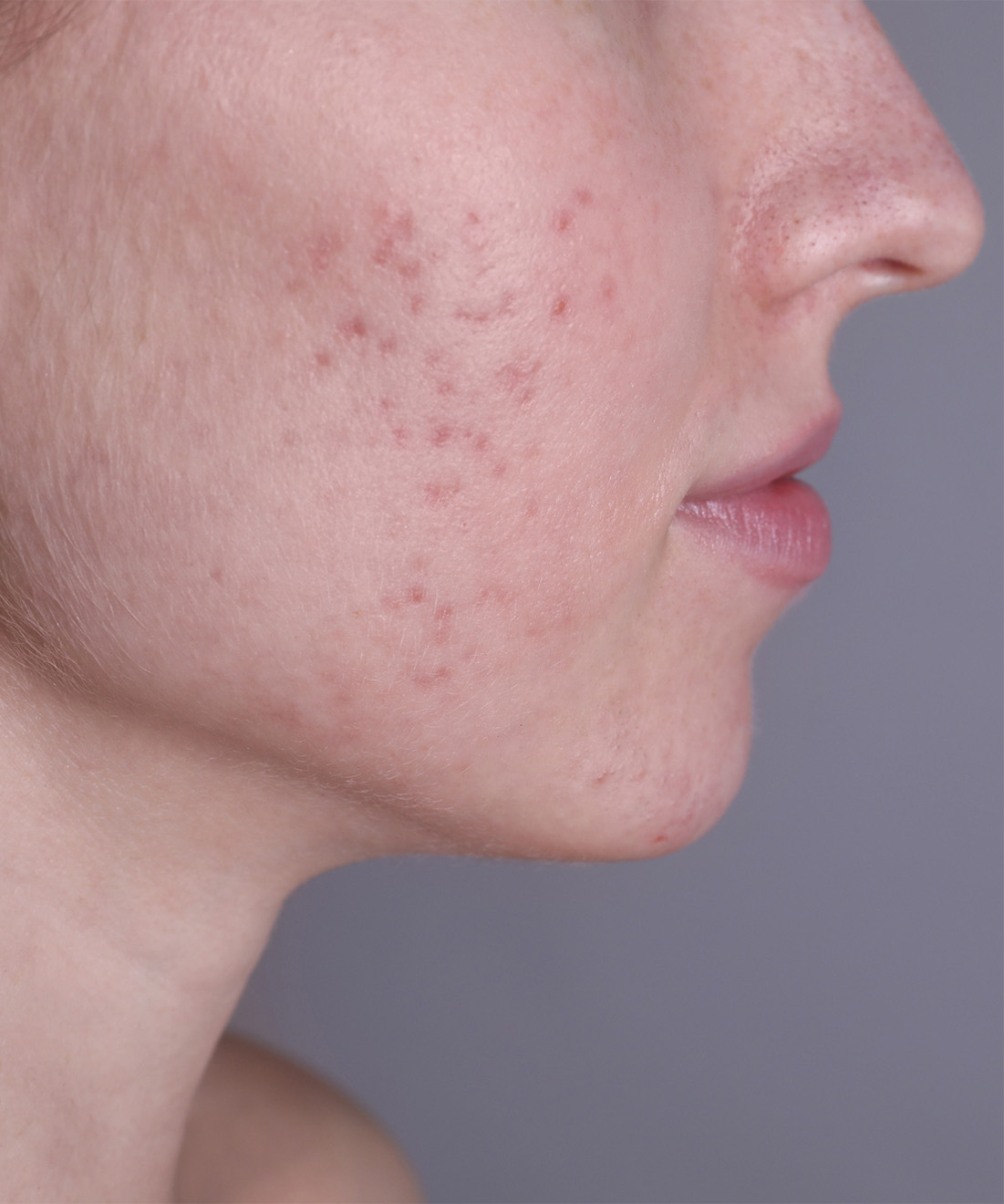
Persistent adult acne showing inflammatory papules and microcystic lesions on the lower face in an adult patient
Persistent adult acne typically presents with inflammatory papules and microcystic lesions localized to the lower face, reflecting chronic low-grade inflammatory activity.
Clinical Distinction

Adult acne is often characterized by greater inflammatory persistence, a more fragile tolerance profile, and a stronger need for controlled biological regulation than routine adolescent acne management.

Clinical Note

The essential point is that persistent adult acne is not defined only by age. It is defined by a different therapeutic context: more chronicity, more recurrence, more sensitivity to poorly calibrated treatment, and a stronger need for strategies based on epidermal control, inflammatory balance, and functional restoration.

Section 03 • Pathophysiology

Persistent Adult Acne Reflects a Multifactorial Dysregulation, Not a Single Sebaceous Problem

The pathophysiology of persistent adult acne is best understood as the result of several interacting dysfunctions. Follicular behavior, inflammatory signaling, oxidative lipid changes, microbial imbalance, and hormonal modulation may converge to create a chronic state in which lesions persist, skin recovery slows, and standard suppressive treatments often provide only partial or temporary control.

Why Adult Acne Becomes Persistent

In many patients, adult acne does not result from one isolated abnormality. It evolves because the skin enters a state of recurrent low-grade inflammatory instability, associated with altered follicular turnover, oxidized surface lipids, microbial disequilibrium, and a barrier environment that no longer restores itself efficiently. Once this pattern is established, lesions may become more chronic, more localized, and more resistant to purely symptomatic care.

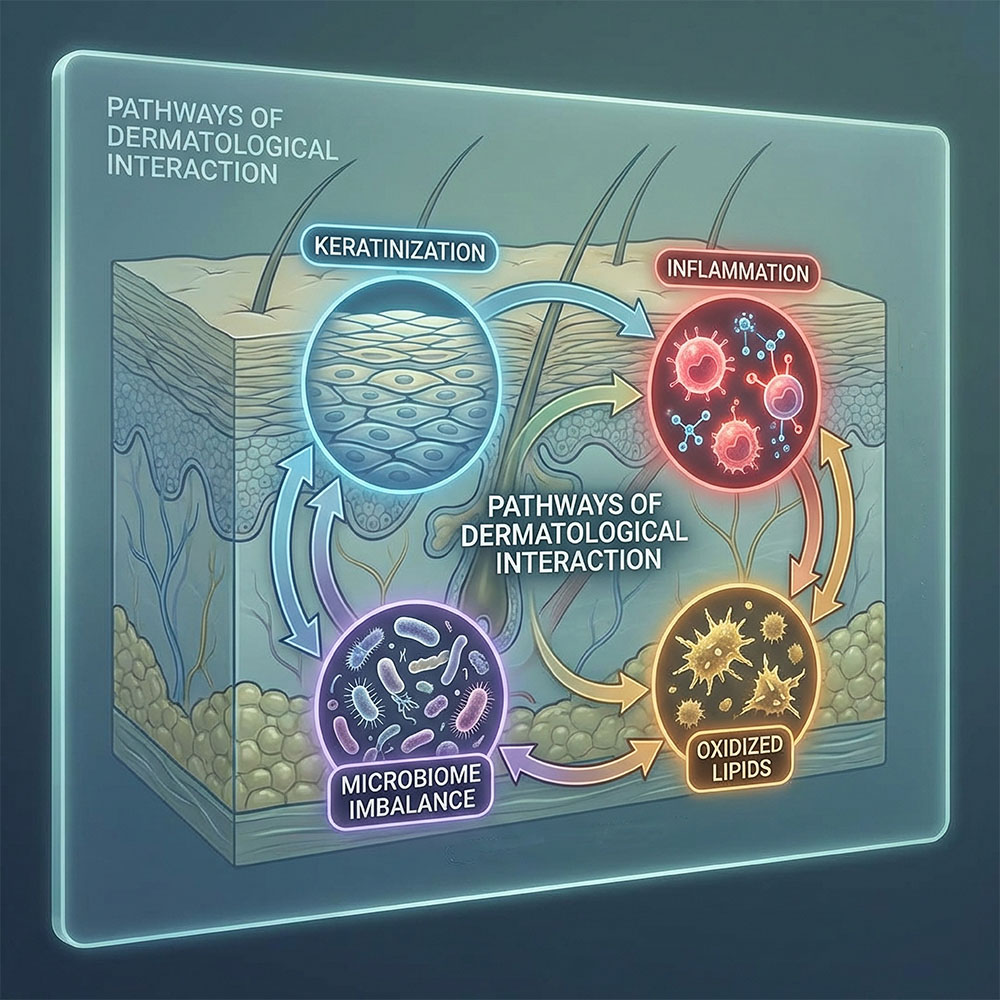
This is why a modern clinical interpretation must go beyond the simplistic model of “excess sebum alone.” The problem is often one of regulatory failure: keratinocytes differentiate abnormally, inflammatory mediators remain active, oxidized lipids amplify comedogenic behavior, and the local ecosystem becomes less stable over time.

The therapeutic consequence is essential. If the pathology is multifactorial, treatment must address functional control rather than repetitive aggression. This includes restoring epidermal rhythm, reducing inflammatory persistence, supporting tissue recovery, and improving the biological conditions in which the skin can normalize itself.

Mechanism 01

Keratinocyte Dysregulation

Altered differentiation and abnormal follicular desquamation contribute to obstruction, microcomedone persistence, and unstable epidermal turnover.

Mechanism 02

Chronic Microinflammation

Low-grade inflammatory activity may remain continuously active, driving lesion persistence even when the eruption is clinically less explosive than teenage acne.

Mechanism 03

Sebum Oxidation

Oxidized surface lipids may become more comedogenic and pro-inflammatory, helping sustain an unfavorable follicular microenvironment.

Mechanism 04

Microbiome Imbalance

Adult acne is not simply a matter of bacterial presence, but of altered equilibrium, biofilm behavior, and reduced ecological stability of the skin surface.

Mechanism 05

Hormonal and Stress Modulation

Androgenic influence, stress signaling, and neuroendocrine factors may modulate sebum quality, inflammatory expression, and lesion recurrence, especially in lower-face adult acne patterns.

Pathophysiology of persistent adult acne showing the interaction between keratinization, chronic inflammation, microbiome imbalance, and oxidized lipids
Persistent adult acne results from interacting mechanisms including keratinization abnormalities, chronic inflammation, microbiome imbalance, and oxidized lipids forming a self-sustaining pathological cycle.
Pathophysiological Logic

The persistence of adult acne usually reflects interacting biological disturbances, not one isolated defect. The condition becomes chronic when turnover, inflammation, microbial balance, and local recovery mechanisms remain functionally dysregulated over time.

Clinical Consequence

The practical implication is clear: persistent adult acne should not be treated as a purely sebaceous disorder. It must be approached as a broader problem of epidermal regulation, inflammatory persistence, oxidative imbalance, and impaired biological control. That is precisely why well-structured peeling strategies can become relevant: not merely to strip the surface, but to reorganize the skin environment.

Section 04 • Treatment Limitations

Standard Treatments Often Reduce Symptoms Without Fully Restoring Skin Function

In persistent adult acne, many conventional strategies provide only partial control, temporary improvement, or a cycle of repeated irritation followed by recurrence. The reason is not necessarily that these treatments are useless, but that they are often designed to suppress visible lesions without adequately correcting the broader regulatory dysfunction underlying adult acne persistence.

Why Control Often Remains Incomplete

Standard acne treatments may reduce lesion count, decrease apparent inflammation, or transiently improve the surface appearance of the skin. However, in adult acne, this effect is frequently incomplete, unstable, or poorly tolerated over time. The underlying reason is that persistent adult acne often reflects a broader disturbance involving keratinocyte behavior, chronic inflammatory signaling, oxidative lipid changes, microbial disequilibrium, and impaired tissue recovery.

When treatment focuses only on the visible lesion, it may leave the pathogenic environment functionally unchanged. Antibiotics may suppress part of the microbial or inflammatory component, retinoid-based routines may improve turnover but provoke irritation, and repeated aggressive exfoliation may further destabilize an already fragile epidermal barrier. The patient may therefore improve temporarily without reaching true biological stabilization.

In practical terms, this explains why many adult patients report a recurrent pattern of improvement, irritation, relapse, and treatment fatigue. The skin is treated, but not fully reorganized. The lesions decrease, but the tissue environment remains vulnerable to renewed dysregulation.

Limitation 01

Antibiotic Suppression

Antibiotics may reduce inflammation temporarily, but they rarely restore long-term epidermal balance or address the full regulatory complexity of persistent adult acne.

Limitation 02

Retinoid Intolerance

Retinoid-based strategies can improve turnover, yet many adult patients develop irritation, barrier fragility, dryness, or poor adherence over time.

Limitation 03

Barrier Destabilization

Repetitive aggressive correction may worsen sensitivity, prolong inflammation, and reduce the skin’s ability to recover coherently between interventions.

Limitation 04

Incomplete Functional Reset

Visible lesions may improve while the pathogenic background remains active, allowing recurrence as soon as treatment intensity decreases or tolerance declines.

Persistent adult acne with incomplete therapeutic response illustrating treatment failure and chronic inflammatory lesions
Therapeutic Interpretation

The issue is often not that conventional treatment has no effect, but that it may act on symptoms without sufficiently restoring the tissue environment. This creates a gap between visible short-term improvement and long-term functional control.

Clinical Implication

The key implication is that persistent adult acne requires more than repetitive suppression. It requires strategies capable of reducing lesions while also supporting epidermal regulation, inflammatory balance, tissue recovery, and better long-term tolerance. This is precisely where a more structured peeling logic begins to make clinical sense.

Section 05 • Chemical Peeling Strategy

Chemical Peeling Should Be Understood as a Strategy of Regulation, Not Simply as Surface Aggression

In persistent adult acne, chemical peeling becomes relevant when it is no longer interpreted as a purely exfoliative act, but as a controlled biological intervention. The objective is not to provoke unnecessary damage, but to influence epidermal rhythm, reduce inflammatory persistence, improve tolerance, and help reorganize the skin environment under more stable functional conditions.

From Visible Action to Biological Control

In adult acne, the problem is rarely solved by increasing aggression alone. Many patients already present a pattern of chronic inflammatory instability, incomplete recovery, and poor tolerance to repetitive correction. For this reason, peeling must be structured as a technique of regulation rather than escalation.

A well-designed peeling strategy may help normalize surface turnover, reduce the persistence of microcomedonal obstruction, modulate inflammatory activity, and improve the biological conditions in which the epidermis can recover more coherently. The key point is that therapeutic relevance does not depend only on visible peeling or on crude penetration depth, but on the way active substances interact with viable epidermal targets.

This distinction is critical in persistent adult acne. The aim is not to chase stronger visible reactions, but to obtain a more coherent response through controlled diffusion, calibrated action, and better tissue compatibility. That is precisely where modern peeling logic becomes more intelligent than purely destructive approaches.

Principle 01

Controlled Diffusion

Therapeutic effect should be linked to controlled diffusion through viable epidermis, not to the pursuit of excessive visible injury.

Principle 02

Inflammation Modulation

In persistent adult acne, the objective is to reduce inflammatory persistence and improve regulation rather than amplify irritation.

Principle 03

Barrier Respect

Epidermal integrity and recovery capacity must be respected to obtain coherent long-term improvement and better tolerance.

Principle 04

Biological Targeting

The relevant question is not only how deep a peel appears to act, but which functional layer is biologically influenced.

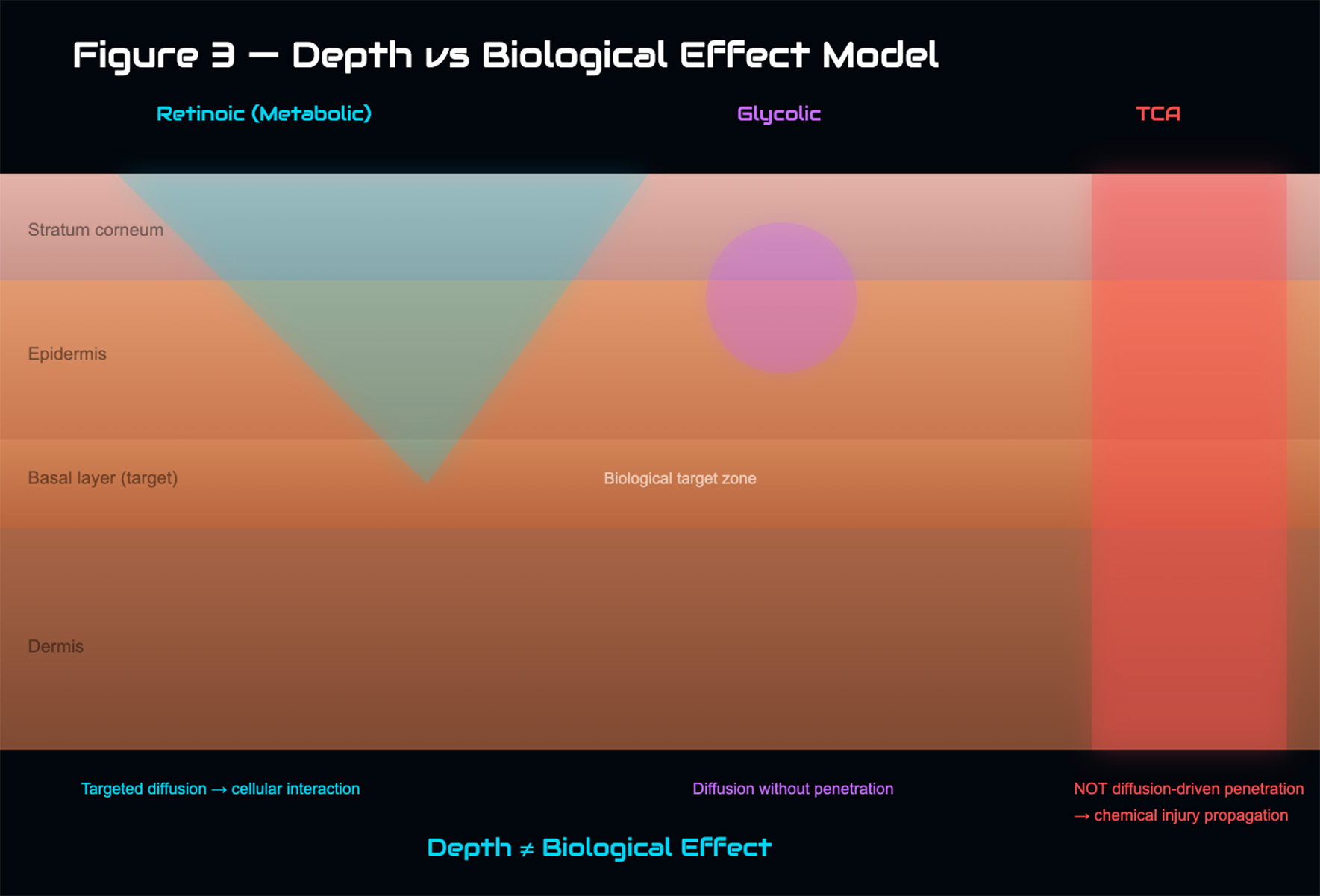
Conceptual model comparing metabolic, glycolic, and TCA peels, showing that biological effect does not depend solely on penetration depth
Conceptual model illustrating that biological effect does not depend solely on penetration depth. Metabolic peeling strategies rely on controlled diffusion and cellular interaction, whereas deeper destructive models primarily follow chemical injury propagation.
Strategic Interpretation

This model helps explain why peeling strategy in adult acne should not be reduced to the simplistic idea that more depth automatically means more therapeutic value. In many indications, the decisive issue is the nature of the biological interaction, the quality of diffusion, and the level of compatibility with epidermal regulation.

Clinical Perspective

In persistent adult acne, chemical peeling becomes clinically relevant when it supports functional stabilization rather than repeated aggression. Properly structured protocols can bridge the gap between short-term lesion reduction and longer-term tissue reorganization, especially when the goal is to improve inflammatory balance, turnover coherence, and therapeutic tolerance.

Section 06 • Metabolic Approach

The Metabolic Approach Aims to Restore Cellular Function Rather Than Produce Controlled Damage

In persistent adult acne, the most relevant therapeutic objective is not necessarily to intensify visible surface reaction, but to influence the living regulatory machinery of the epidermis. A metabolic approach seeks to act on viable tissue, support epidermal rhythm, improve biological coherence, and help restore a more stable inflammatory and differentiation environment.

Why Metabolic Peeling Makes Sense in Adult Acne

Persistent adult acne often develops in a context of chronic dysregulation rather than acute excess alone. The issue is not only the presence of lesions, but the persistence of inflammatory signaling, altered follicular behavior, unstable turnover, and insufficient tissue normalization. In this context, a metabolic peeling strategy becomes relevant because it seeks to influence how living epidermal structures function, not merely how the surface reacts.

The core logic is that true biological action depends on cellular interaction. When active substances are designed to diffuse in a controlled manner and reach viable epidermal targets, the therapeutic objective is to support regeneration, normalization, and better coherence of epidermal behavior. This is fundamentally different from a model based primarily on visible injury propagation.

In practical terms, this means supporting the layer where regulation matters most: the basal compartment and its living keratinocytic activity. The metabolic approach therefore aligns particularly well with adult acne patients whose skin needs functional correction, improved tolerance, and a strategy capable of reducing lesions without worsening instability.

Metabolic Target 01

Mitochondrial Support

Cellular recovery depends on metabolic competence. Supporting mitochondrial activity helps maintain a more coherent epidermal response and better adaptive capacity.

Metabolic Target 02

ATP Production

ATP availability is central to tissue renewal, repair signaling, and the functional energy required for more orderly epidermal behavior.

Metabolic Target 03

Differentiation Signaling

A major objective is to improve keratinocytic differentiation logic, helping reduce dysfunctional turnover and the persistence of microcomedonal instability.

Metabolic Target 04

Basal Layer Interaction

The relevant biological target is not the visible surface alone, but the viable epidermal zone where regulation, renewal, and organized tissue response begin.

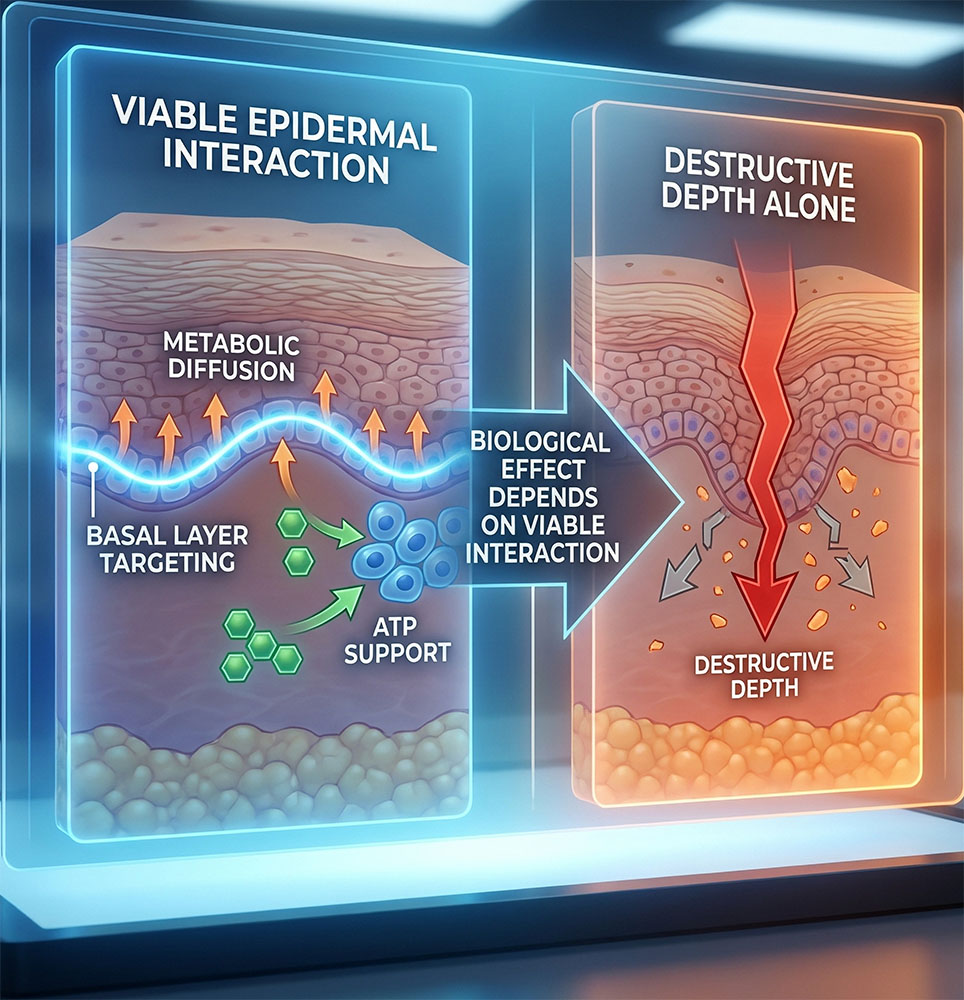
Metabolic vs destructive peeling model showing viable epidermal interaction versus depth-driven tissue injury in adult acne treatment
Conceptual model illustrating the difference between metabolic diffusion targeting viable epidermis and destructive depth-driven injury, highlighting why biological effect depends on cellular interaction rather than penetration depth.
Metabolic Interpretation

The decisive difference is that metabolic peeling is oriented toward cellular intelligence, not toward visible tissue aggression. In adult acne, this makes it particularly relevant when the therapeutic goal is to improve lesion control while preserving tolerance and supporting long-term epidermal regulation.

Strategic Clinical Meaning

In persistent adult acne, the metabolic approach provides a bridge between surface correction and functional biological reorganization. Its importance lies not in producing stronger visible reactions, but in helping the skin recover a more stable pattern of differentiation, regulation, inflammatory balance, and therapeutic tolerance.

Section 07 • Clinical Indications

When a Metabolic Peeling Strategy Becomes Clinically Relevant

Persistent adult acne requires a targeted and adaptive therapeutic approach. Chemical peeling strategies become particularly relevant when conventional treatments fail to restore epidermal stability, inflammatory balance, and functional coherence.

Indication 01

Chronic Inflammatory Persistence

Low-grade inflammation remains active despite conventional treatment.

Indication 02

Relapsing Acne Pattern

Cycles of improvement and relapse reflecting unstable regulation.

Indication 03

Retinoid Intolerance

Patients unable to tolerate aggressive epidermal stimulation.

Indication 04

Barrier Fragility

Skin prone to irritation, dryness, and poor recovery capacity.

Indication 05

Microcomedonal Instability

Persistent subclinical lesions reflecting dysregulated turnover.

Indication 06

Post-Inflammatory Sequelae

Residual erythema, dyschromia, and surface irregularities.

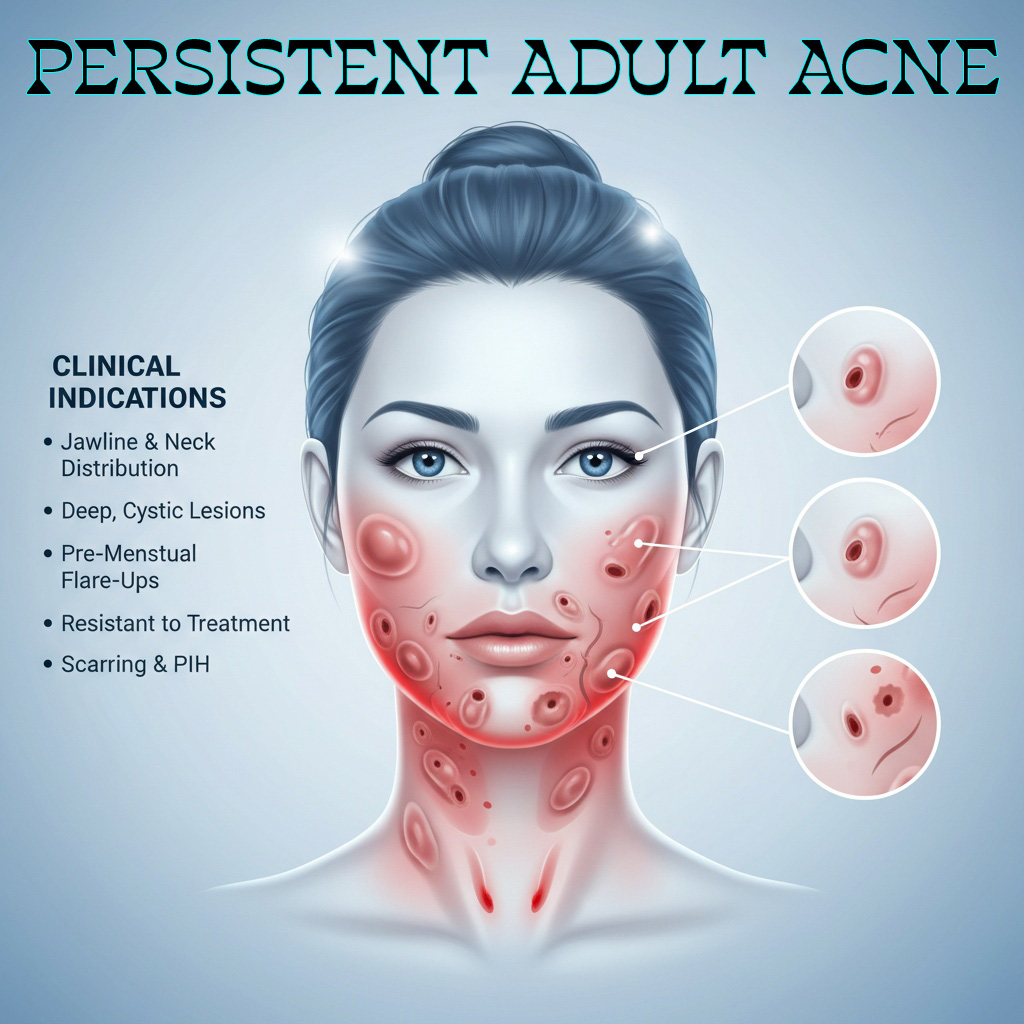
Clinical indications map of persistent adult acne showing distribution patterns and lesion types in adult patients
Conceptual clinical mapping of persistent adult acne highlighting lesion distribution, inflammatory activity zones, and key indication patterns guiding therapeutic strategy selection.

Translate Clinical Indications Into Structured Protocols

Explore targeted peeling strategies designed to address inflammatory persistence, epidermal dysregulation, and long-term instability.

Explore Clinical Protocols
Section 08 • Protocol Integration

Persistent Adult Acne Requires Protocol Selection Based on Regulation, Tolerance, and Clinical Pattern

Once the indication is correctly identified, the next step is not to choose the strongest intervention, but to determine which protocol logic best matches the patient’s pattern of inflammatory persistence, barrier tolerance, epidermal instability, and therapeutic objective. Protocol integration is therefore a matter of clinical calibration, not of intensity alone.

How This Indication Connects to Protocol Logic

Persistent adult acne does not justify a single universal protocol. Some patients present mainly chronic inflammatory persistence, others show microcomedonal instability, post-inflammatory dyschromia, poor tolerance to retinoids, or recurrent relapse after partial improvement. For this reason, protocol selection must begin with pattern recognition rather than with product preference alone.

In practical clinical use, protocol integration means deciding whether the therapeutic priority is to reduce inflammatory activity, improve turnover coherence, support epidermal tolerance, facilitate more controlled diffusion, or combine lesion control with the management of secondary sequelae such as post-inflammatory erythema or dyschromia. A well-designed protocol is therefore not simply a sequence of products, but a structured response to a specific regulatory problem.

This is why persistent adult acne often benefits from protocols that combine surface preparation, controlled peeling logic, metabolic support, and post-intervention stabilization rather than relying on a single aggressive step. The more chronic the instability, the more important the role of calibration, tolerance, and biological coherence.

Protocol Axis 01

Inflammatory Control

When inflammatory persistence dominates, protocol structure should reduce lesion activity while avoiding repeated aggravation of barrier stress.

Protocol Axis 02

Turnover Reorganization

Microcomedonal instability and irregular follicular behavior require protocols capable of improving turnover coherence without provoking destabilization.

Protocol Axis 03

Tolerance Preservation

In adult acne, fragile or previously irritated skin often benefits more from calibrated progression than from immediate procedural intensity.

Protocol Axis 04

Sequelae Management

When erythema, dyschromia, or superficial irregularity coexist with active lesions, protocol choice must include secondary correction logic.

Integrated protocol approach for persistent adult acne combining metabolic peeling, topical regulation, and epidermal support
Integrated protocol logic combining topical modulation, metabolic support, and epidermal stabilization in persistent adult acne.
Clinical Translation Into Product Logic

In practical protocol design, each therapeutic axis can be supported by targeted formulations. The objective is not to multiply products, but to match each preparation to a precise regulatory role within the overall protocol.

Protocol Interpretation

The essential point is that protocol integration should follow clinical logic, not procedural reflex. In persistent adult acne, the best outcomes usually come from strategies that match the indication profile while preserving tissue compatibility, therapeutic continuity, and long-term epidermal coherence.

Clinical Orientation

The practical conclusion is simple: persistent adult acne should lead to protocol selection, not protocol improvisation. Once the pattern has been identified, the clinician can orient the patient toward a structured pathway that combines lesion control, epidermal stabilization, metabolic support, and longer-term functional improvement.

Section 09 • Mini FAQ

Frequently Asked Questions About Persistent Adult Acne

These concise answers summarize the most relevant points regarding persistent adult acne, its biological logic, and the rationale for structured peeling-based management.

Is persistent adult acne the same as adolescent acne that never disappeared?

Not exactly. Although some patients present continuity from adolescence, persistent adult acne often behaves as a more complex disorder involving chronic inflammation, altered turnover, tolerance fragility, and regulatory dysfunction.

Why do many standard treatments fail to provide stable control?

In many adult patients, treatment reduces visible lesions without fully correcting the broader biological context. This may lead to partial improvement, relapse, irritation, and long-term treatment fatigue.

Can chemical peeling be relevant in persistent adult acne?

Yes, when it is used as a controlled regulatory strategy rather than as a purely aggressive exfoliative procedure. The therapeutic objective is to improve epidermal coherence, lesion control, and tolerance.

What is the difference between a destructive peel and a metabolic approach?

A destructive peel relies mainly on visible injury propagation, whereas a metabolic approach aims for controlled diffusion, viable epidermal interaction, and functional biological support.

Which adult acne profiles may benefit most from structured peeling strategies?

Patients with chronic inflammatory persistence, microcomedonal instability, retinoid intolerance, barrier fragility, or recurrent relapse may particularly benefit from carefully selected protocols.

Does stronger visible peeling necessarily mean better therapeutic effect?

No. A stronger visible reaction does not automatically mean better biological relevance. In many situations, the decisive factor is how the treatment interacts with viable tissue, not how dramatic the surface response appears.

Section 10 • Strategic Clinical Summary

Persistent Adult Acne Requires a Shift From Suppression to Functional Regulation

Clinical Reality

Persistent adult acne is not a simple sebaceous disorder but a condition driven by multifactorial dysregulation, including inflammation, keratinocyte instability, microbiome imbalance, and impaired epidermal recovery.

Limit of Standard Care

Conventional treatments often provide partial or unstable control because they act on visible lesions without sufficiently correcting the underlying regulatory environment.

Therapeutic Shift

Effective management requires a transition toward functional control strategies, capable of restoring epidermal rhythm, reducing inflammatory persistence, and improving tissue coherence.

Role of Peeling

When properly structured, peeling strategies can move beyond surface exfoliation to support controlled diffusion, cellular interaction, and biological normalization.

The key principle is clear: therapeutic success does not depend on visible intensity, but on biological relevance. In persistent adult acne, the objective is not to increase aggression, but to restore a stable and functional epidermal environment.

From Understanding to Clinical Action

Persistent adult acne requires more than repeated suppression. It requires a structured, biologically coherent strategy capable of restoring epidermal regulation, improving tolerance, and stabilizing long-term outcomes. The next step is to translate this understanding into practical protocol selection and targeted formulation use.

Clinical Implementation — Key Formulations
Aseptiskin Pre-treatment cleansing and preparation
Salicylic Acid Keratolytic and comedolytic control
Peeling de Luxe Plus Retinoid-based epidermal modulation
Lipoic Acid Barrier repair and metabolic support
Les Félins Moisturizing and epidermal stabilization
Stretchpeel Non-comedogenic environmental protection (anti UVA + anti UVB)
Structured protocols are designed for progressive correction, tolerance preservation, and long-term epidermal stability.

Share this page with your network