Professional Category Hub

Advanced Peels

Advanced peels are positioned for more selective clinical correction, stronger resurfacing intent and higher procedural precision than routine superficial approaches. This category brings together formulations used when the practitioner needs greater biological impact, finer control and more structured protocol logic.

  • Deeper corrective intent
  • Higher operator control
  • Advanced protocol integration

Clinical Navigation

Explore the page through its main clinical sections, from functional definition and positioning to portfolio, protocols and strategic summary.

Clinical Definition and Functional Role

Advanced peels are not merely “stronger” products. They belong to a more selective functional category used when superficial exfoliation alone is insufficient to achieve the intended corrective objective.

Advanced peels act beyond routine epidermal renewal, addressing alterations requiring deeper biological stimulation, greater operator control and structured protocol logic.

They support a targeted corrective strategy for texture, dyschromia and early structural changes, when superficial-only approaches become insufficient.

  • Moderate dyschromia and persistent hyperpigmentation
  • Textural irregularities and uneven relief
  • Early to moderate photoaging
  • Selected inflammatory or post-inflammatory conditions

When correctly applied, advanced peels enable a controlled clinical strategy with optimized safety and outcome predictability.

Clinical Positioning Beyond Simplistic Depth Labels

The clinical value of advanced peels is not defined by concentration alone and should not be reduced to a naive “deeper means stronger” interpretation. Their role is functional, selective and protocol-dependent.

Formulation Logic

Advanced does not simply mean more concentrated

A peel may belong to an advanced category because of the way it is formulated, the type of correction it is meant to produce and the degree of control required during application.

  • Formulation architecture influences behavior as much as nominal strength
  • Clinical intent matters more than simplistic percentage-based assumptions
  • Operator technique can modify the real biological effect substantially
Operator Control

Advanced peels require disciplined application and judgment

This category is designed for situations in which the practitioner must control not only the product, but also anatomy, indication, exposure logic and protocol sequencing.

  • Anatomical areas do not respond uniformly to the same peel
  • Indication and patient selection remain central to procedural coherence
  • Application method determines whether intensity becomes benefit or liability
Protocol Role

Advanced peels belong inside structured corrective pathways

Their highest value appears when they are integrated within well-designed protocols rather than used as isolated, one-dimensional “stronger peel” solutions.

  • Protocol sequence influences tolerance, outcome visibility and safety
  • Adjunctive products may refine, extend or control the overall effect
  • Clinical structure is what transforms intensity into meaningful correction

Application-Dependent Depth Dynamics

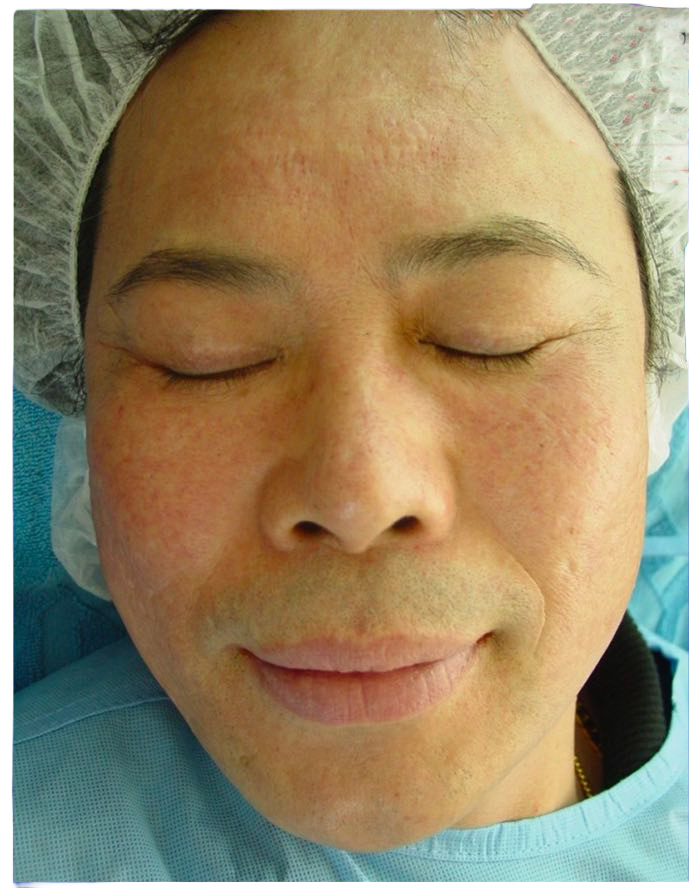
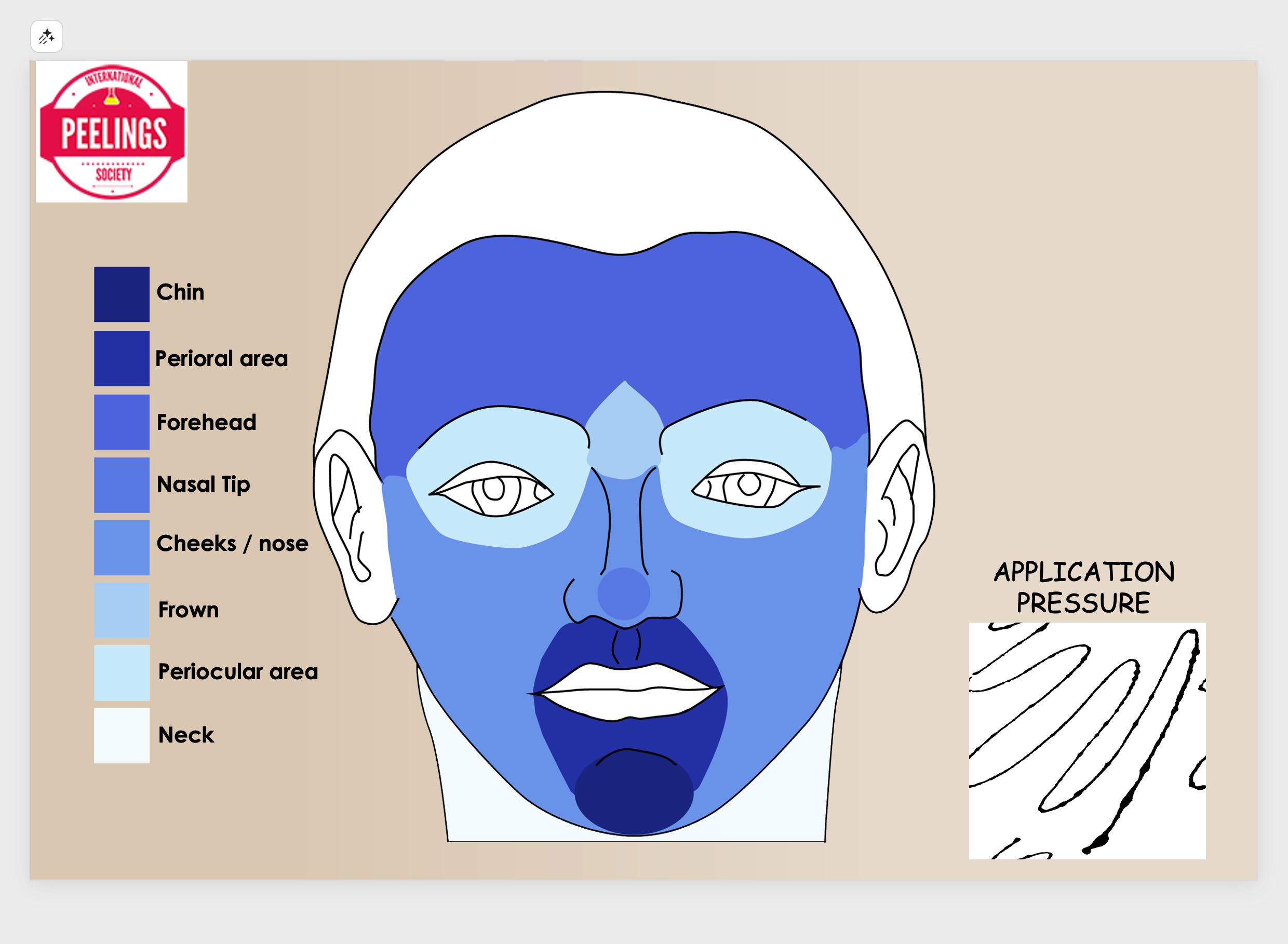
The same formulation does not produce a uniform depth across the face. Application technique, pressure and anatomical variation determine the real clinical effect.

Chemical peel application zones and pressure-dependent depth variation across facial areas
Based on the application principles described by Mauro Tiziani, this diagram illustrates how anatomical variation and application pressure influence the effective depth of a single chemical peel formulation.

Alain Tenenbaum clinical logic: depth is not what the peel is — it is what the operator makes it become.

What advanced peels are not

They are not merely a brutal escalation from superficial exfoliation, and they should not be described only through crude depth terminology. A higher percentage alone does not automatically define superior clinical intelligence or better outcomes.

What advanced peels actually represent

They represent a more selective corrective category in which formulation choice, anatomy, application logic and protocol design converge to produce a controlled and clinically purposeful result.

Clinical takeaway: in real practice, the distinction between superficial and advanced is best understood as a matter of functional behavior, operator control and protocol architecture, not as a simplistic ranking based only on nominal intensity.

Advanced Peel Portfolio

Clinical-grade formulations selected for stronger resurfacing activity, deeper corrective intent, enhanced procedural control and advanced professional integration across high-level peeling strategies.

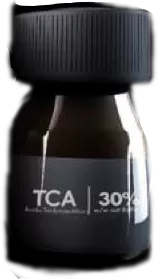
Controlled Medium Depth PRO TCA 18 advanced peel

TCA 18

Controlled advanced TCA profile positioned for selected dyschromias, textural irregularities and medium-depth corrective protocols requiring precision and versatility.

  • Balanced advanced peel profile with broad procedural utility
  • Suitable for targeted correction with more measured intensity
  • Strong bridge between precision and visible clinical effect
Specialized Professional Use PRO Injectable Peels professional formulation

Injectable Peels

Specialized professional formulation concept intended for advanced interventional thinking, regenerative positioning and highly selective protocol architecture.

  • Distinctive positioning within advanced peel-related formulations
  • Designed for expert audiences and higher-level procedural logic
  • Supports premium differentiation inside the category
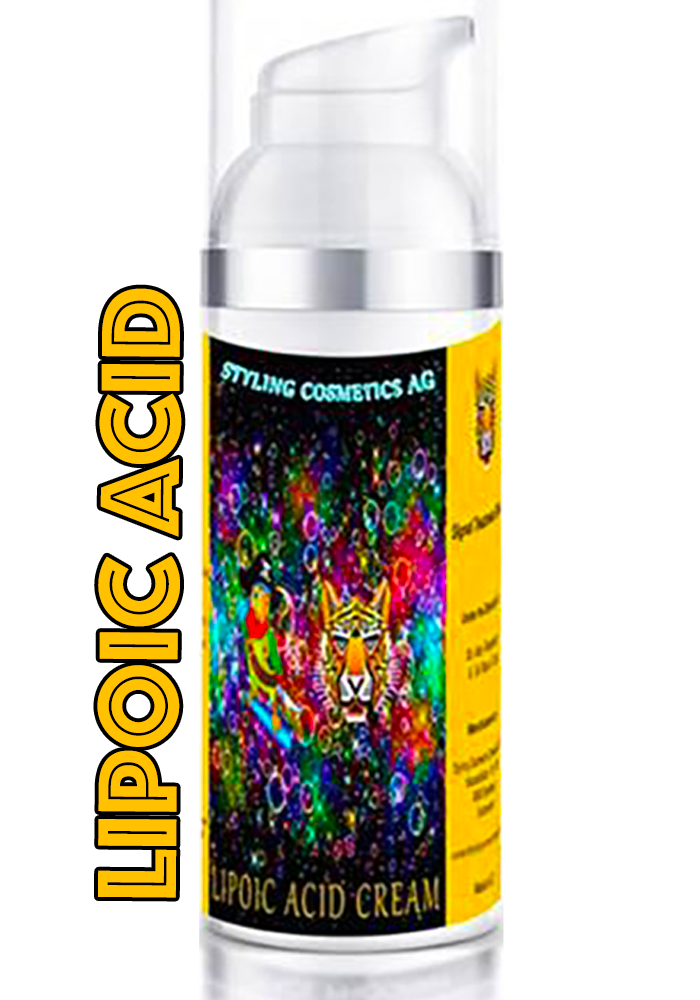
Protocol Support Format Lipoic Acid clinic size professional support product

Lipoic Acid

Lipoic Acid is a complementary solution intended for advanced protocol support, metabolic integration and strategic use alongside higher-level resurfacing approaches.

  • Useful as a support product within broader clinical strategies
  • Professional format aligned with practitioner workflow
  • Strengthens the category as a complete advanced portfolio

Core Clinical Range

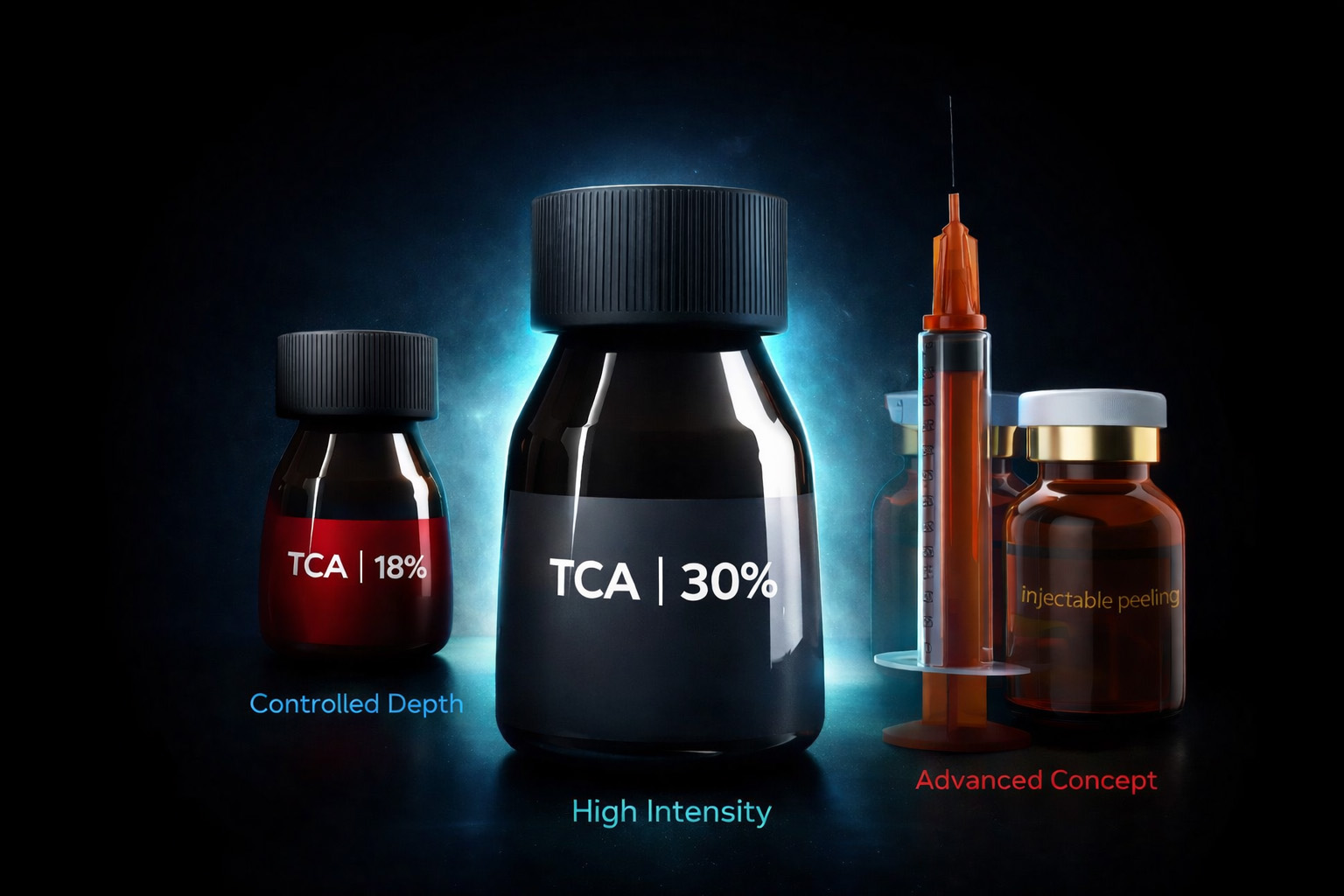
This visual selection summarizes the central identity of the advanced peel category: controlled intensity, clinical positioning and differentiated procedural use.

Advanced chemical peels including TCA 30 and TCA 18 clinical range for controlled deep resurfacing

The advanced peel category is built around controlled high-intensity correction, combining deeper resurfacing intent with formulation discipline and selective clinical use.

Strategic reading: this category should be understood as a clinical selection, not as a simple product lineup. Its value lies in how these formulations are integrated into professional protocols and controlled procedural logic.

Why This Category Matters

Advanced peels are not simply a higher intensity option. They represent a shift in clinical reasoning, where the objective is no longer superficial renewal but structured, targeted correction.

They expand therapeutic possibilities

When superficial exfoliation reaches its limits, advanced peels allow the practitioner to address more complex visible alterations with greater precision and intent.

They require and reward expertise

This category is not about stronger products, but about better control. It rewards practitioners who understand formulation behavior, anatomy and protocol sequencing.

They define clinical differentiation

Mastering advanced peels creates a clear distinction between routine cosmetic practice and structured medical aesthetic intervention.

Key insight: advanced peels do not increase risk by definition — they increase responsibility. When used with proper technique and clinical logic, they transform intensity into controlled and meaningful correction.

Clinical Questions About Advanced Peels

Are advanced peels simply stronger chemical peels?
No. Advanced peels are defined by their clinical role, formulation behavior and application logic, not only by their nominal concentration.
Do advanced peels always penetrate deeper?
Not necessarily. Depth is influenced by technique, anatomical zone and protocol, not by the product alone.
Are advanced peels more dangerous?
They require more control and expertise, but when used correctly within structured protocols, they can remain predictable and clinically safe.
When should a practitioner move beyond superficial peels?
When superficial approaches no longer achieve visible correction and a more targeted, protocol-driven intervention is required.

Explore and Master Advanced Peels

Integrate advanced peeling strategies into your clinical practice or deepen your expertise through structured training and hands-on workshops.

Clinical Perspective

Advanced peels are not defined by their intensity, but by their capacity to be controlled. In clinical reality, depth is not a property of the product — it is the result of a deliberate act performed by the practitioner.

Share this website on your social medias