30 Min Peel-Off • Clinical Evidence

Clinical Cases & Video Demonstration

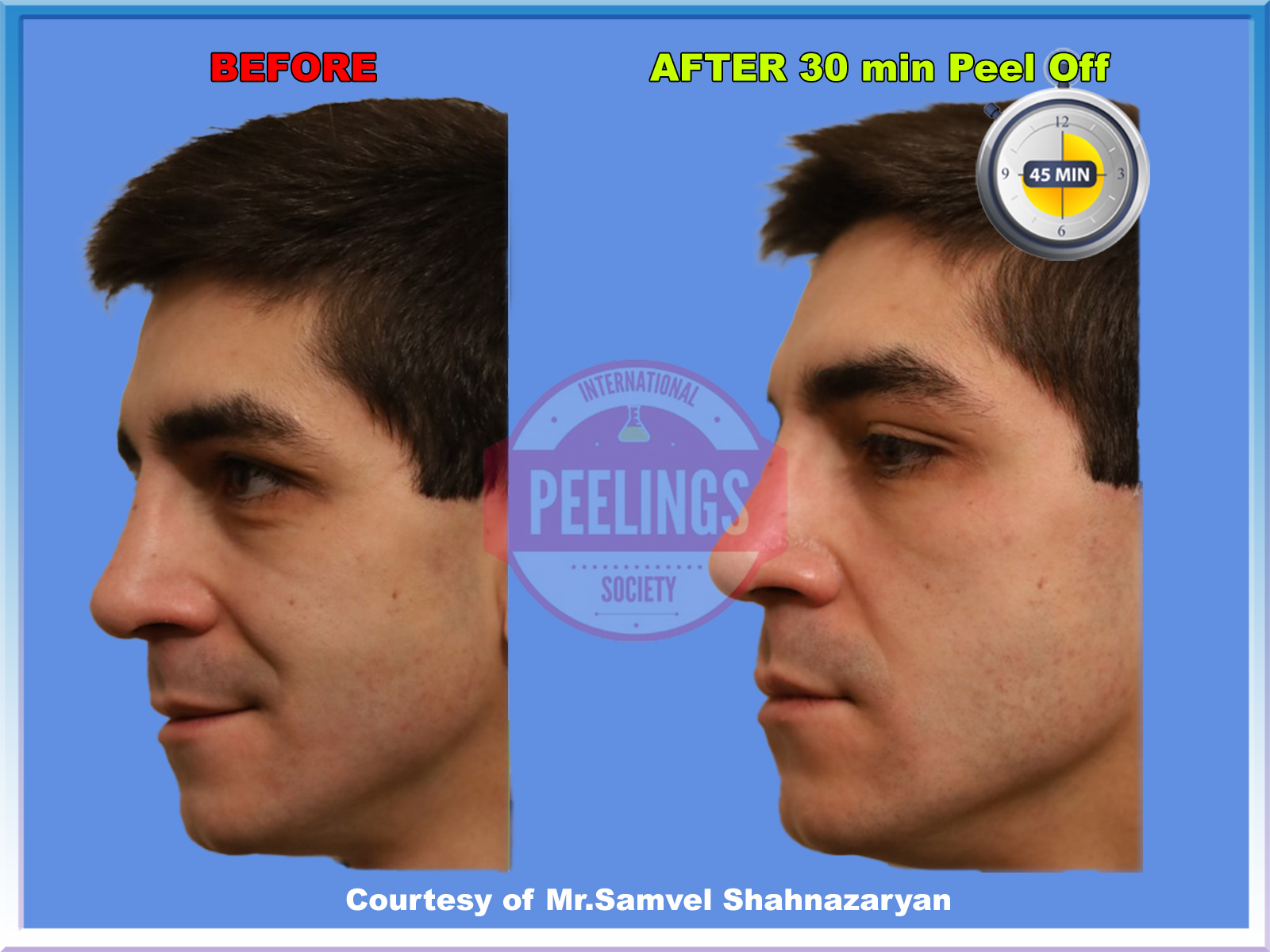
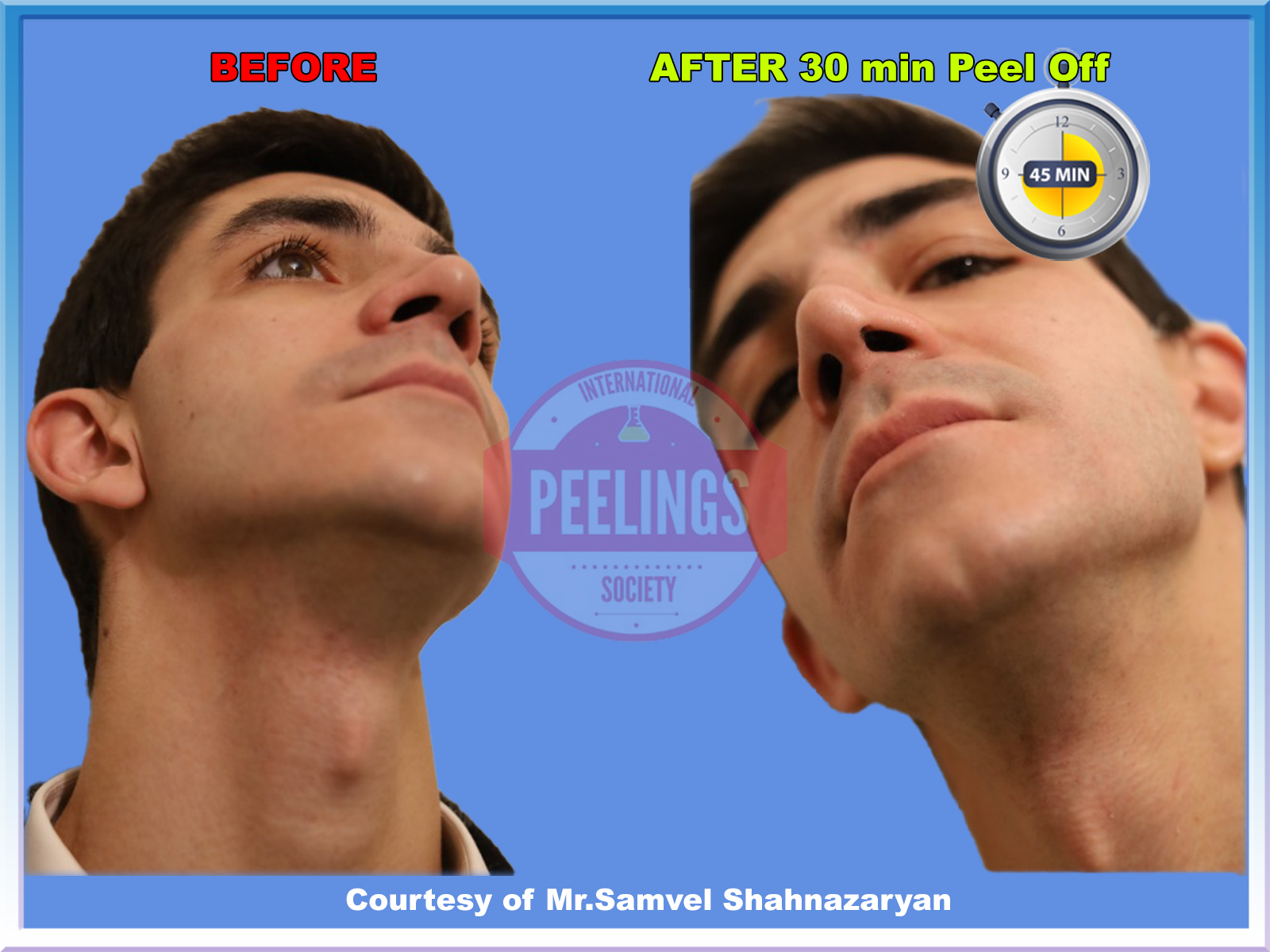
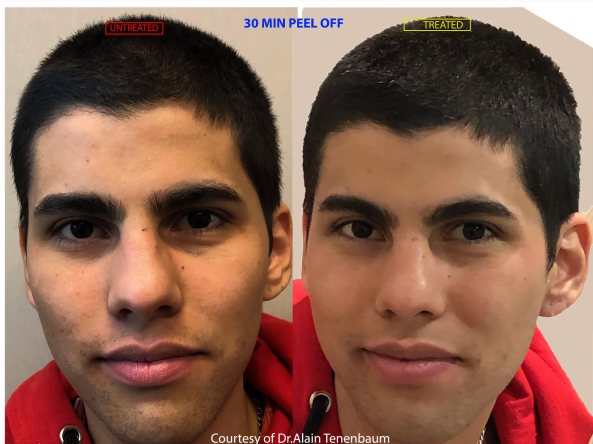
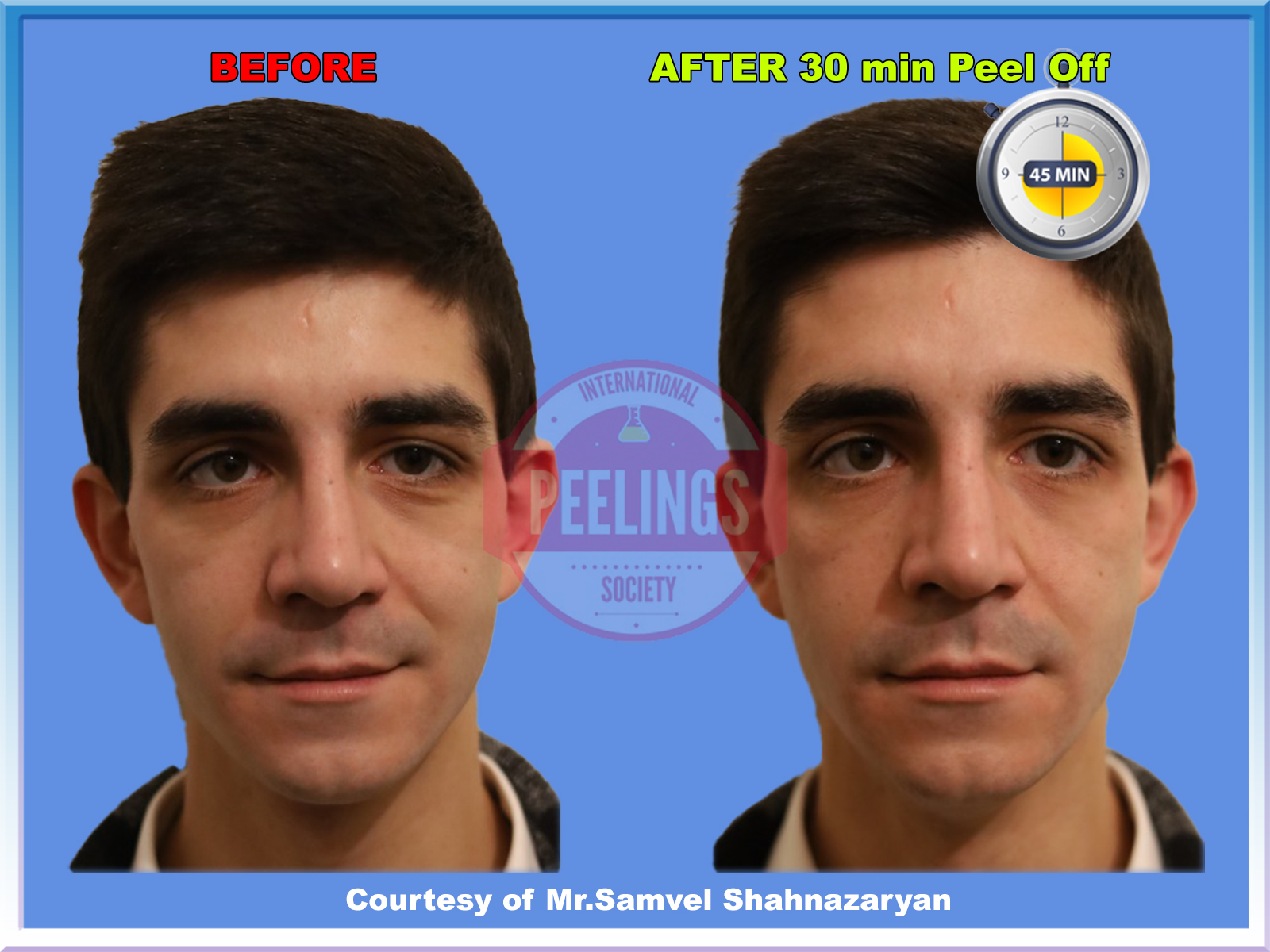
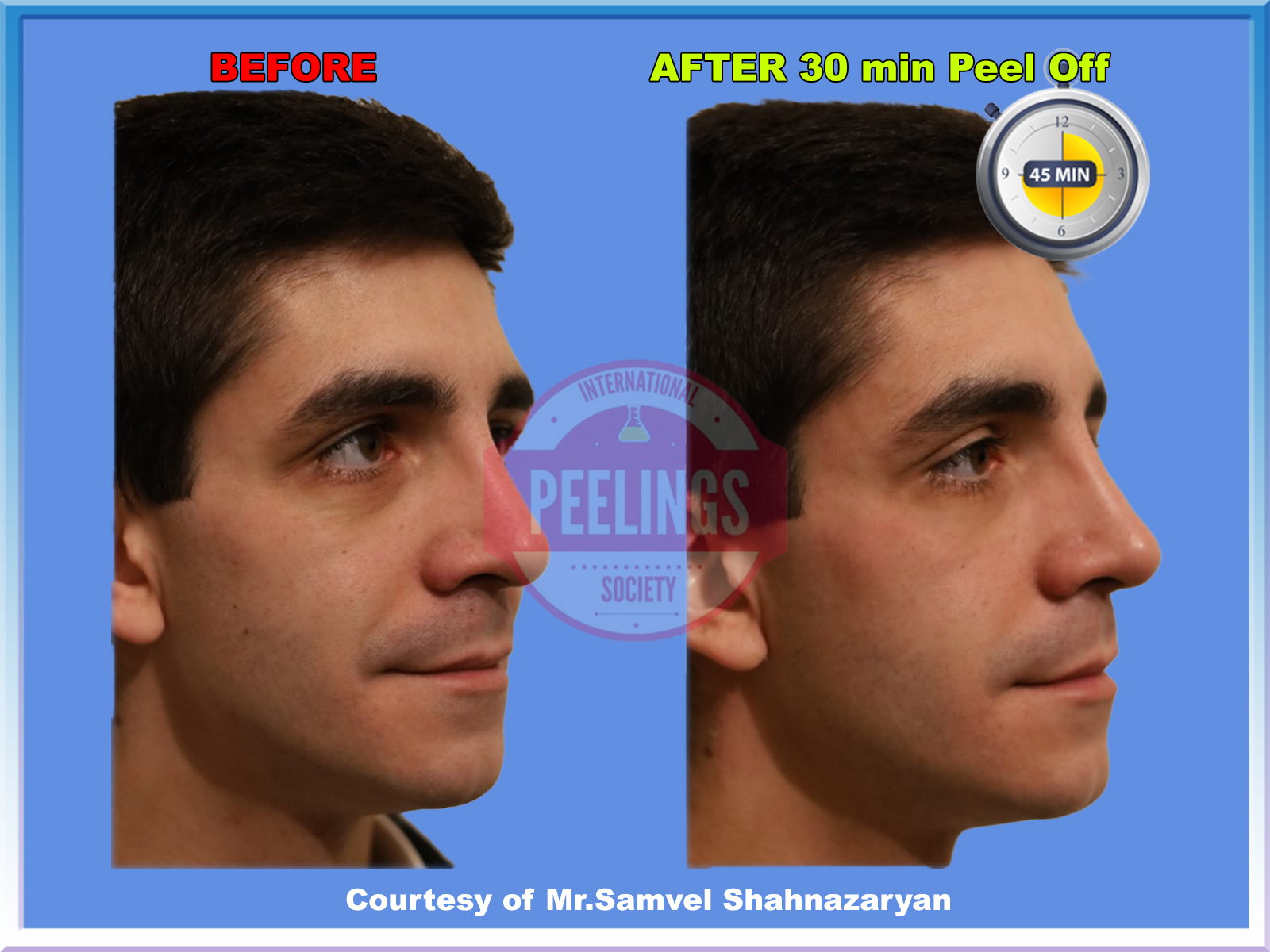
This page presents standardized photo documentation and a step-by-step protocol video for the 30 Min Peel-Off . The clinical goal is to illustrate texture and comedonal improvement patterns under consistent views (frontal + left profile + right profile), whenever possible.
Standard Views
Frontal + profiles to reduce interpretation bias.
Protocol Timing
Application → 45 minutes (minimum) → peel-off removal.
Educational Use
Documentation only — results may vary.
Educational documentation • No promise of outcomes • Clinical discretion required
Protocol Demonstration (Video)

Watch the complete sequence: application, 45 minutes (minimum), and peel-off removal. This format is designed to support consistency in clinical execution and documentation.
Step-by-step
Timed exposure
Removal phase
For educational use • results may vary
Selected Snapshots

Quick Results (Selected)

Two separate clinical examples are shown below. Each mini-block belongs to one patient. Tap any image to view full size.
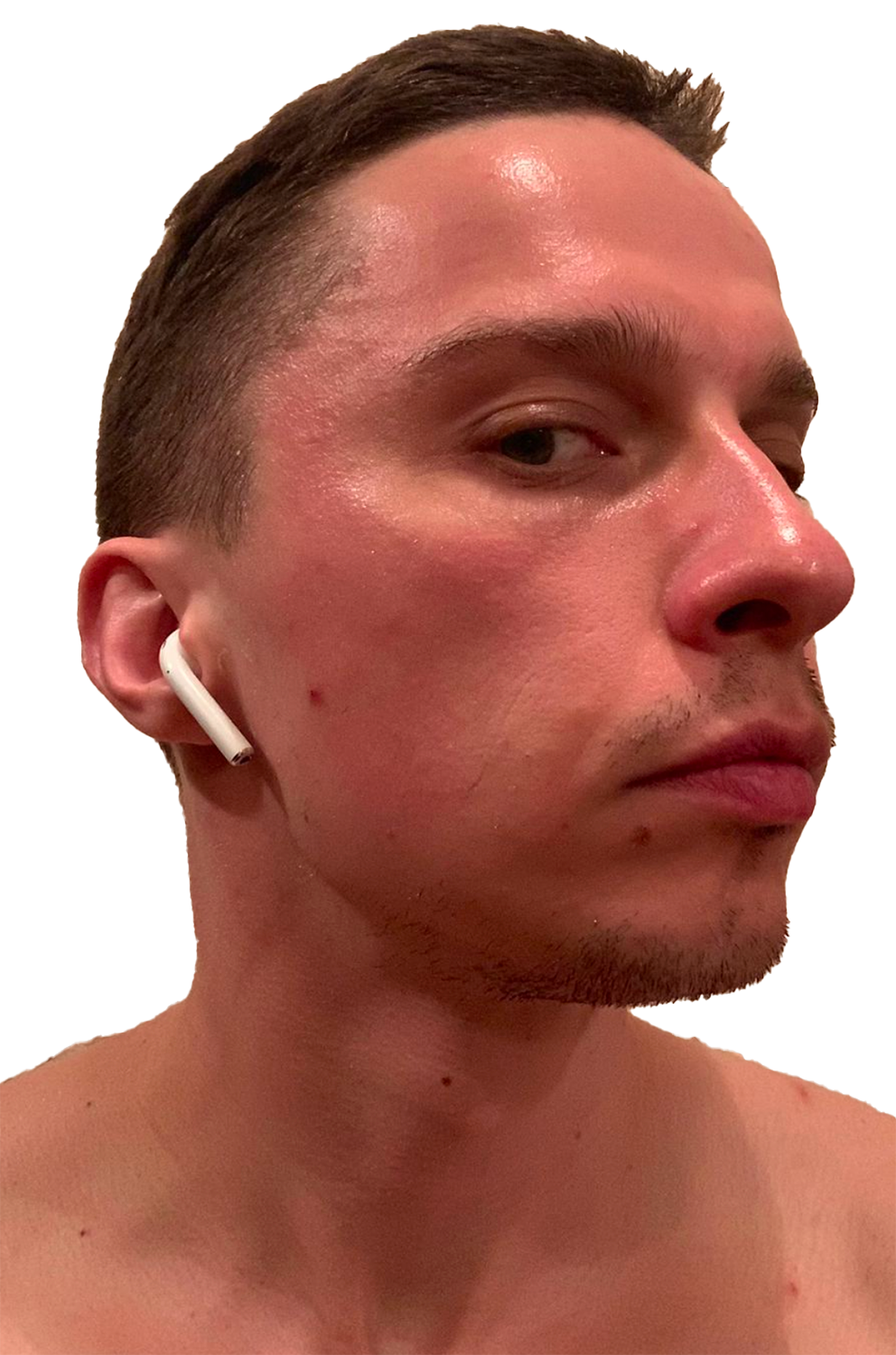
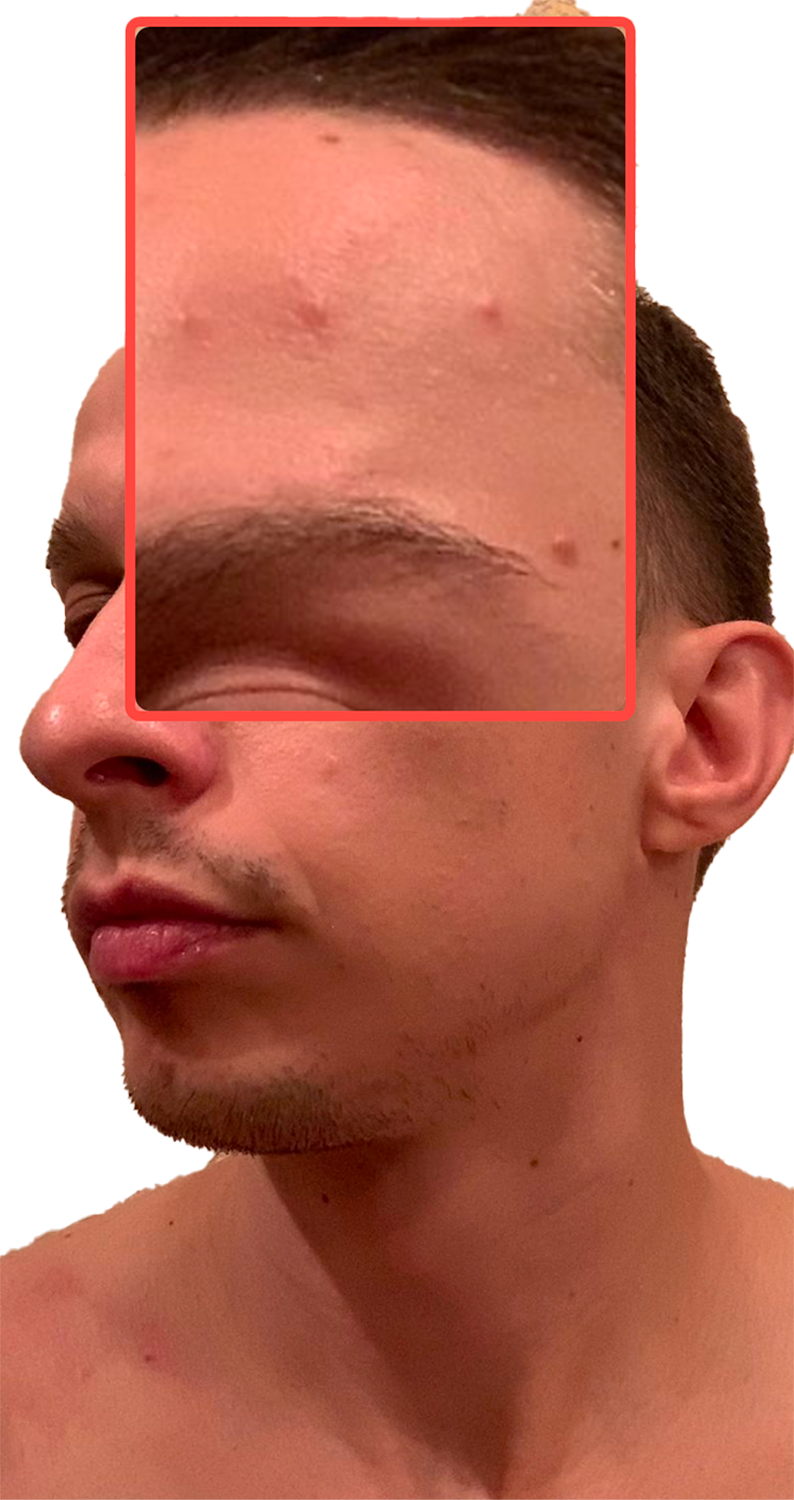
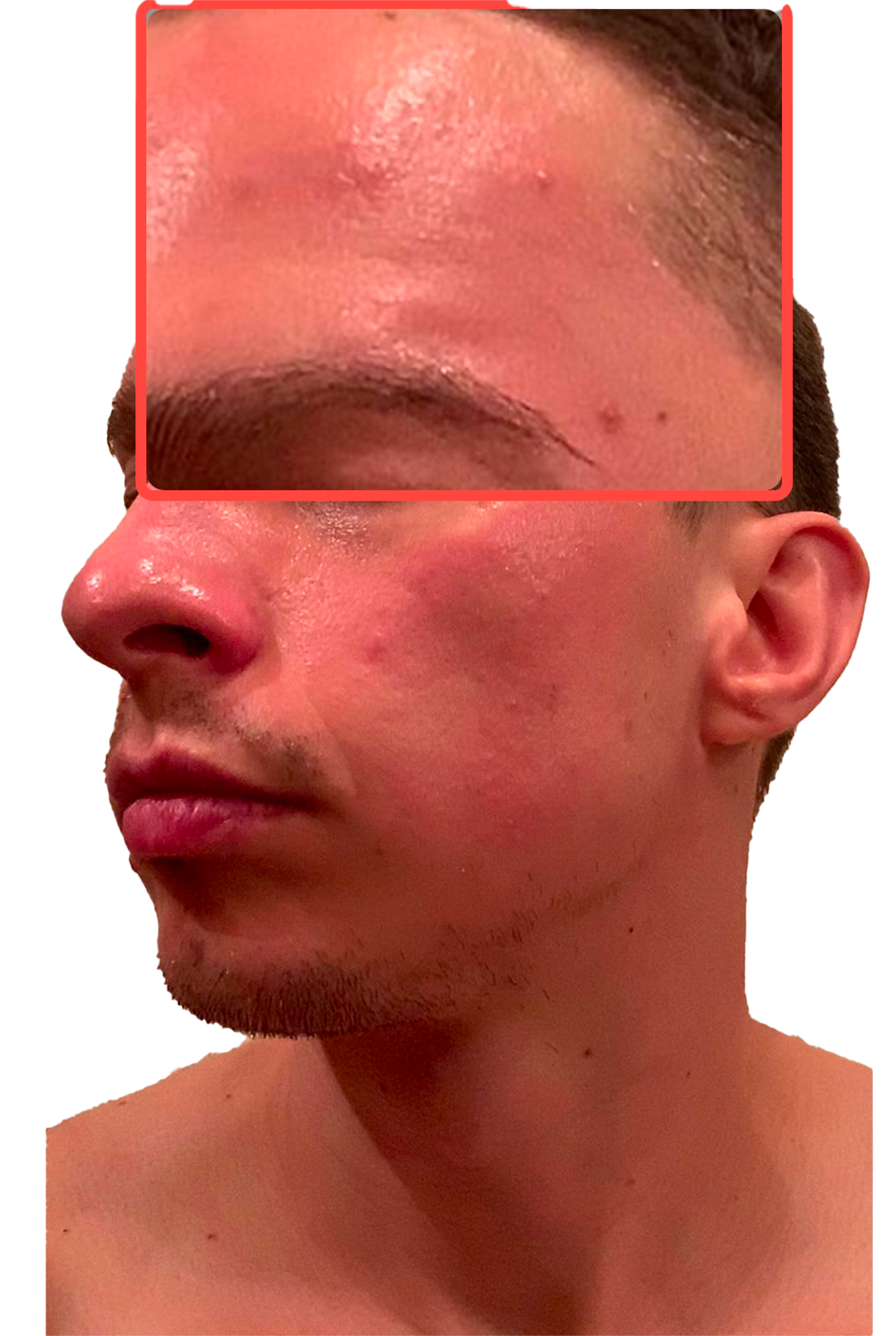
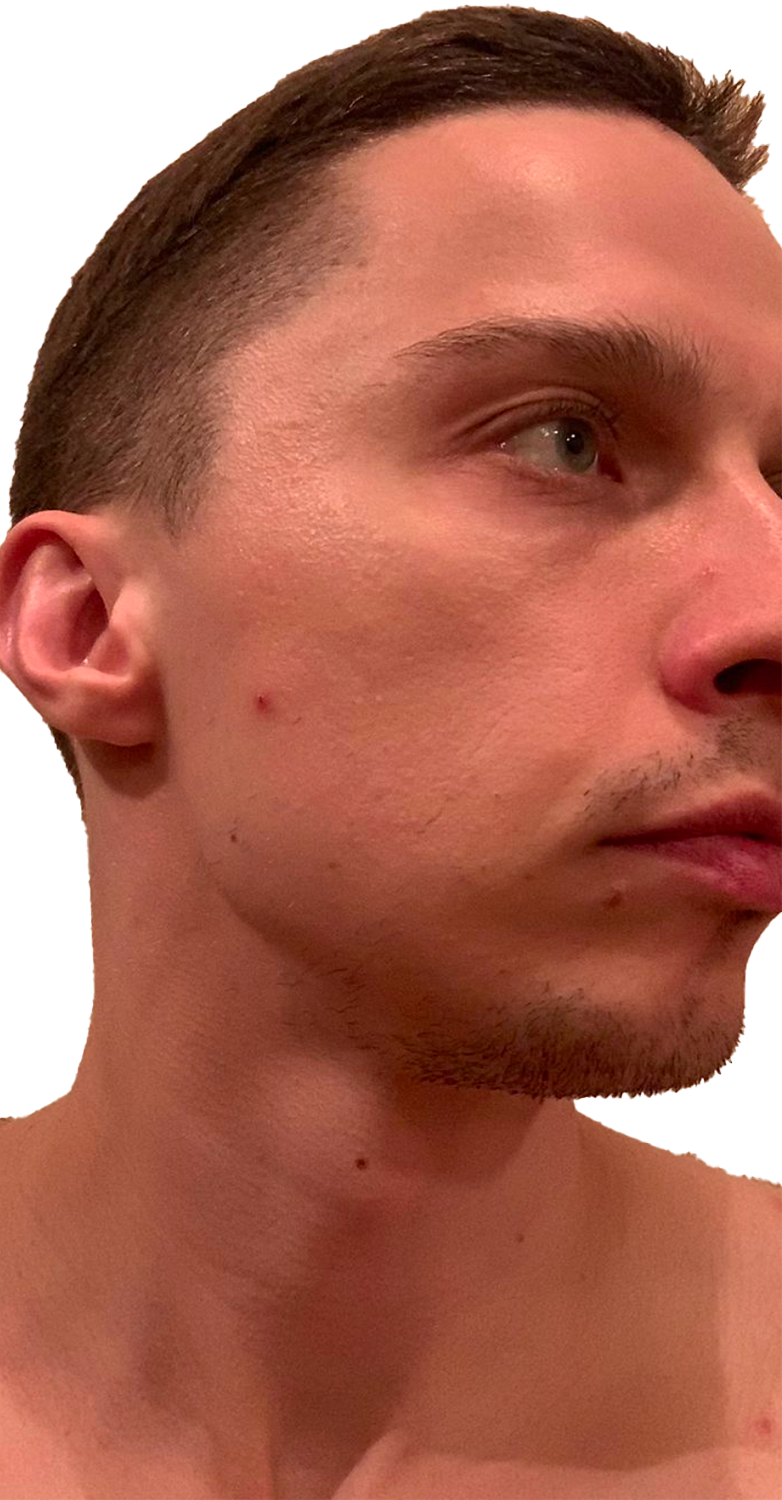
Patient 1 — Smoker’s Skin (Standard Views)
Frontal • Right profile • Left profile • 3/4 view
smokers skin front view

Smoker’s Skin — Frontal View

smokers skin right profile

Smoker’s Skin — Right Profile

smokers skin left profile

Smoker’s Skin — Left Profile

smokers skin 3/4 view

Smoker’s Skin — 3/4 View

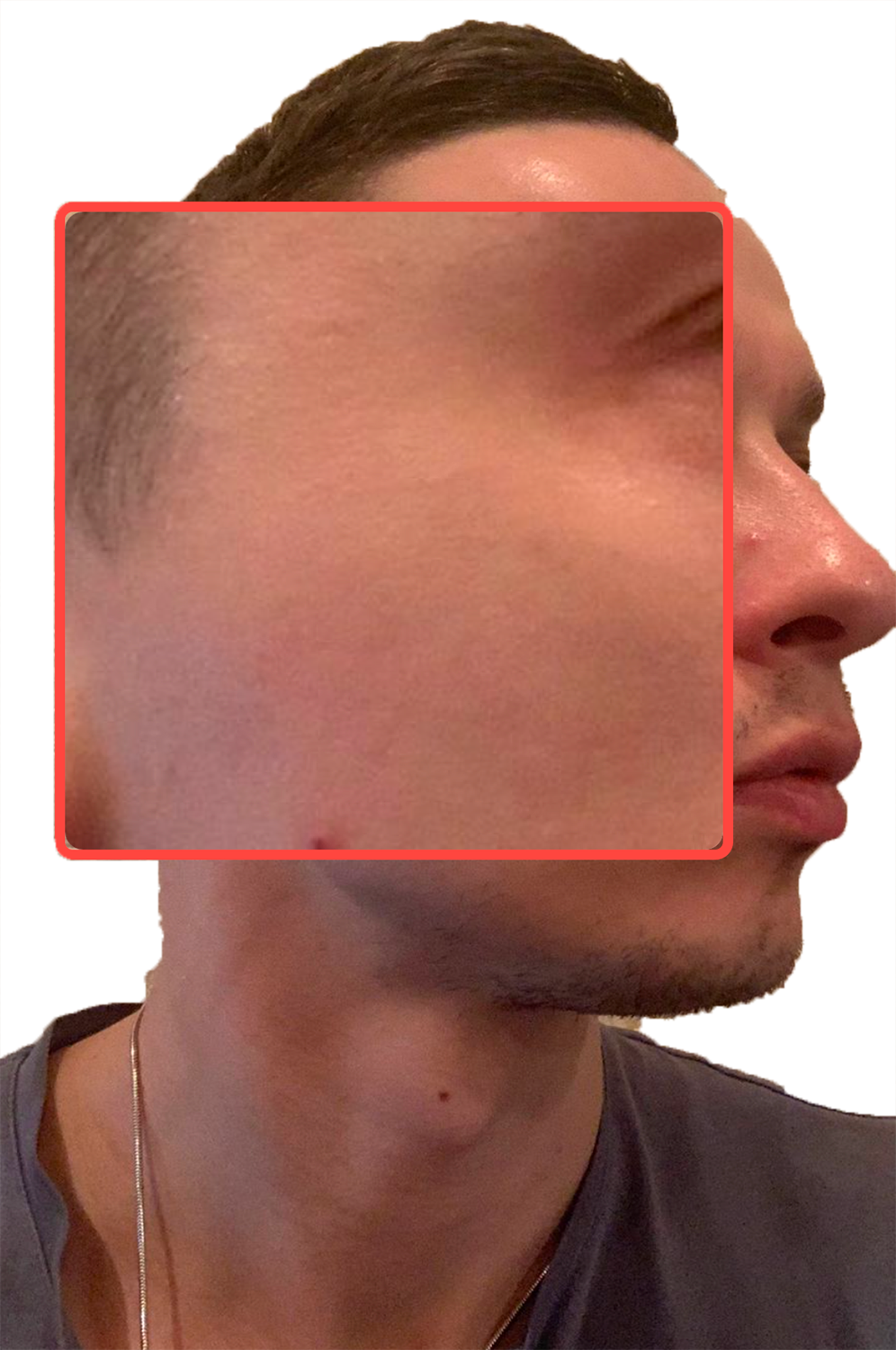
Patient 2 — Comedones (Target Area)
Close-up documentation focused on comedonal lesions and surface texture.
treatment of comedones

Treatment of Comedones

Standardized clinical documentation. No digital retouching. Variations in lighting, skin hydration, and camera angle may influence visual perception. Educational material only — results may vary.
Structured Clinical Documentation

Case Study 01 — Layer Optimization Protocol

Sequential documentation illustrating product thickness assessment at 45 minutes, second-layer reinforcement when coverage is insufficient, followed by an additional 45-minute exposure period prior to peel-off removal and immediate post-protocol evaluation.
Age: 30  •  Fitzpatrick: III  •  Indication: Seborrheic Skin with Comedonal Acne  •  Sessions: 1  •  Follow-up: 24 Hours

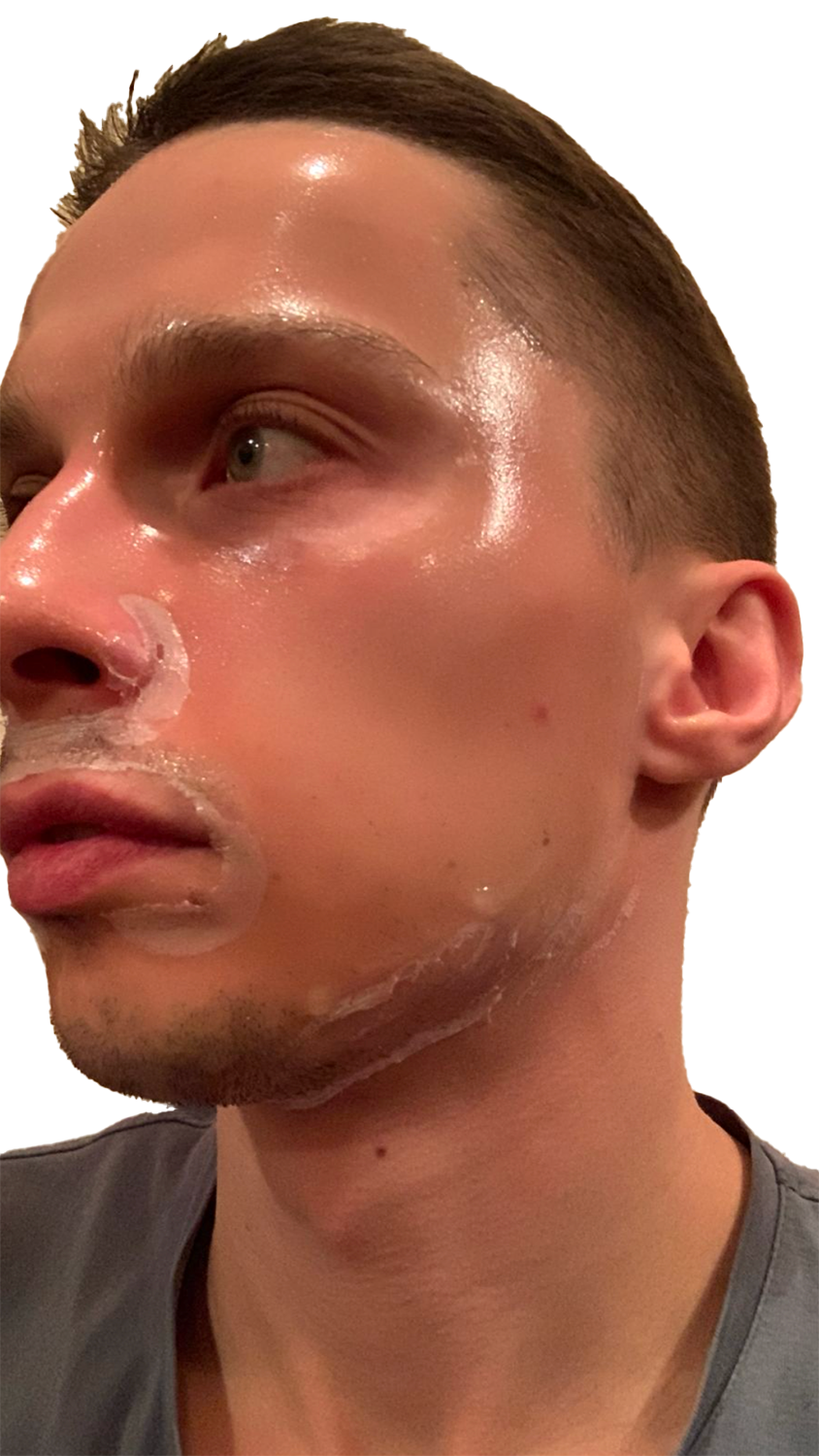
Phase 1 — 45 Minutes After Application (Coverage Check)

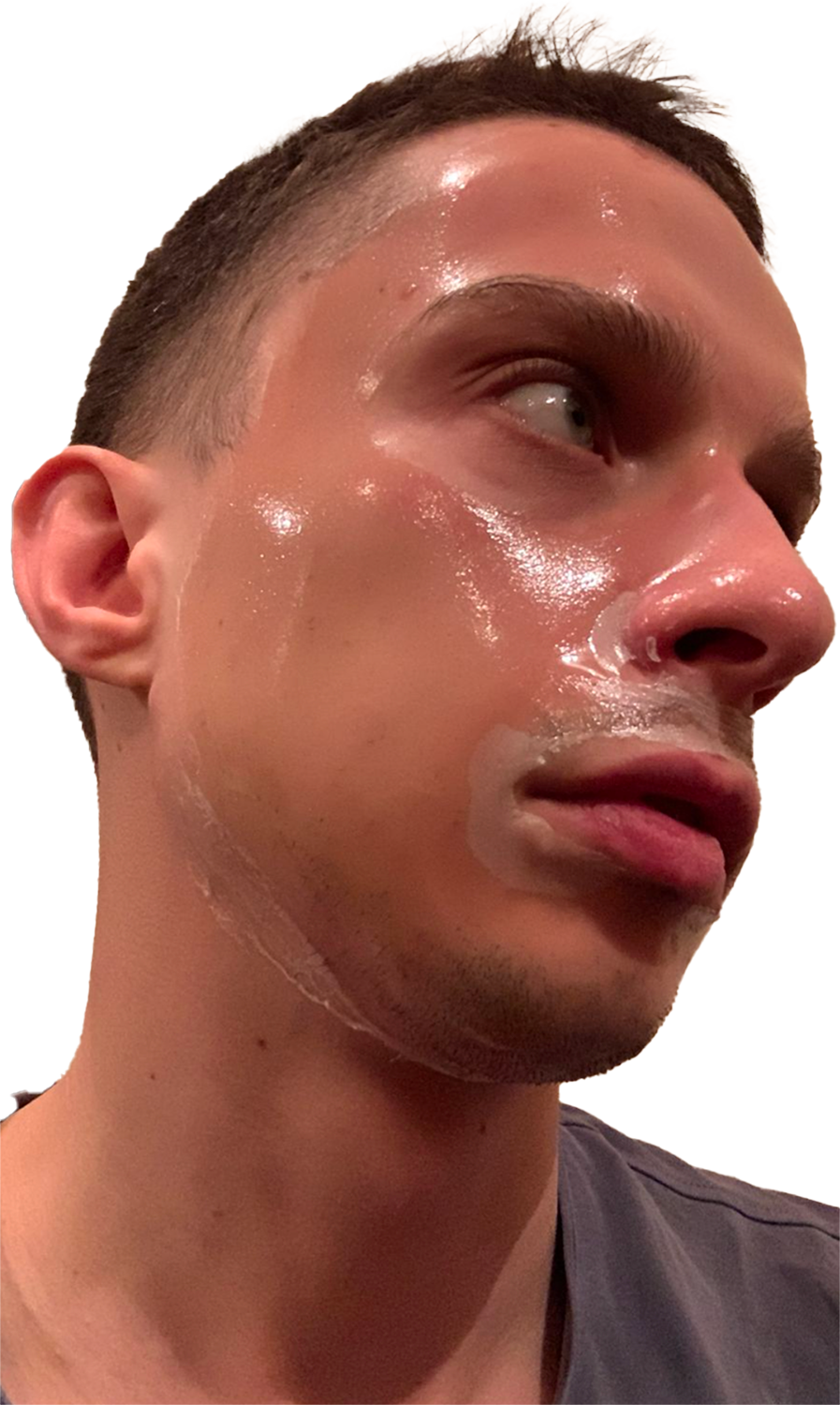
Clinical views documenting the peel appearance at 45 minutes after the first application, highlighting insufficient product thickness in selected areas.
Clinical Teaching Point
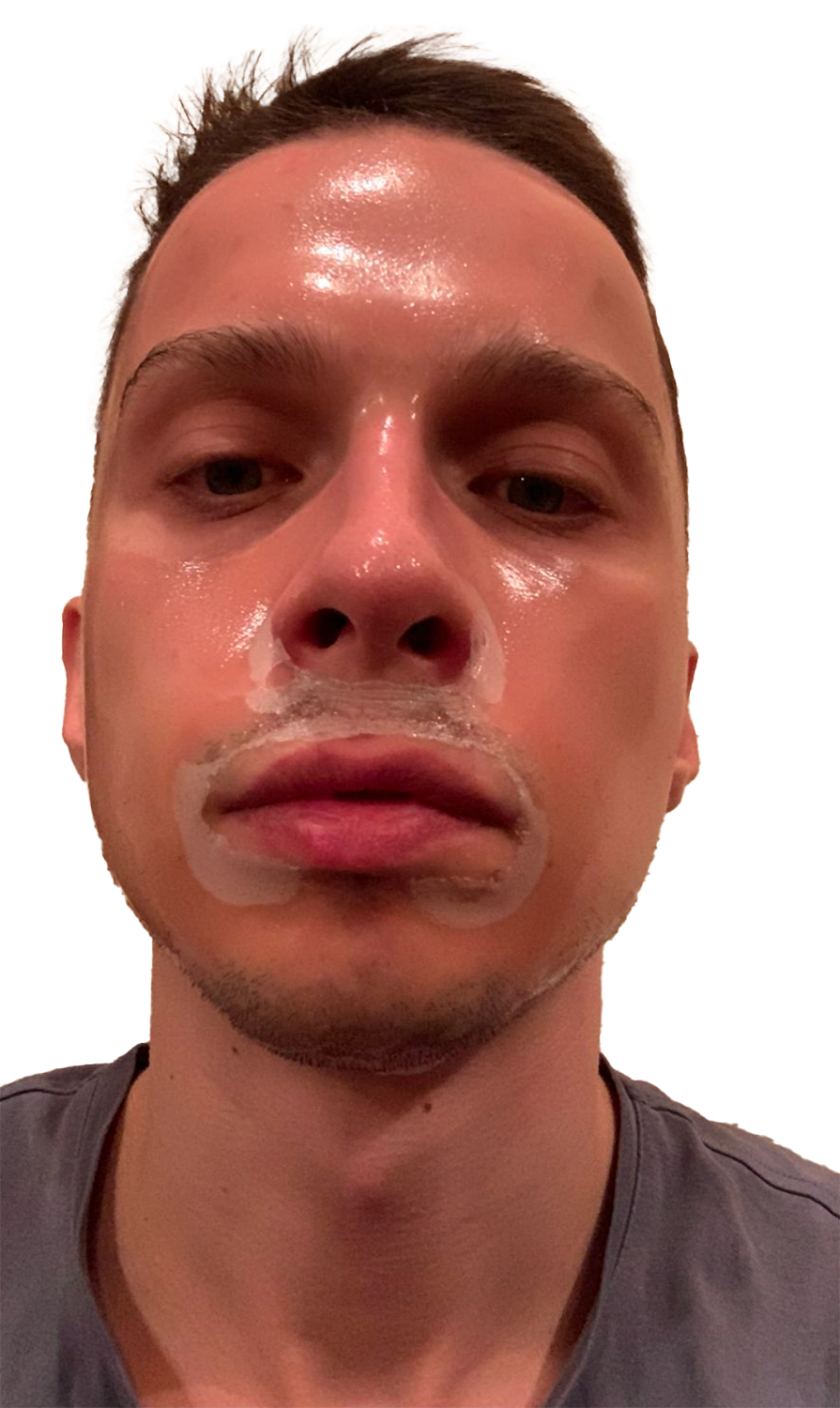
frontal view 45 min after 1 st application insufficient

Frontal View — 45 min (1st Layer)

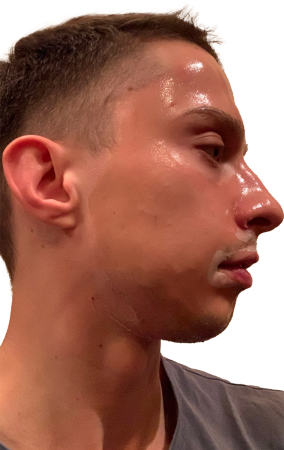
right profile- 45 min after 1 st application- insufficient product

Right Profile — 45 min (1st Layer)

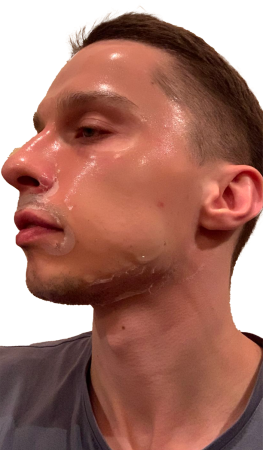
45 min after 1 st application insufficient- left view

Left Profile — 45 min (1st Layer)

Clinical Interpretation
Adequate product thickness is confirmed when the entire face demonstrates a uniform reflective shine across all anatomical zones and hemifaces.

In the images above, reduced shine is observed in the lower jowl region and across parts of the hemifaces, indicating insufficient product thickness.

A second application of 30 min Peel Off was therefore performed to ensure homogeneous coverage and optimal protocol performance.

Phase 2 — Second Layer Applied (45-Minute Exposure)

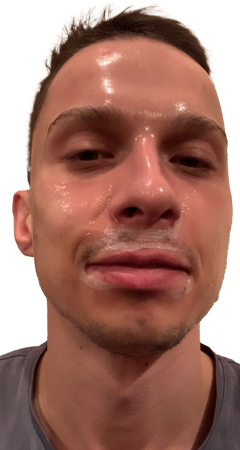
After re-application to achieve uniform thickness, the product is left in place for an additional 45 minutes prior to peel-off removal.
2nd application frontal

Frontal — 45 min (2nd Layer)

2nd application- right profile

Right Profile — 45 min (2nd Layer)

2 nd application left profile

Left Profile — 45 min (2nd Layer)

Patient must wait 45 minutes before removal.

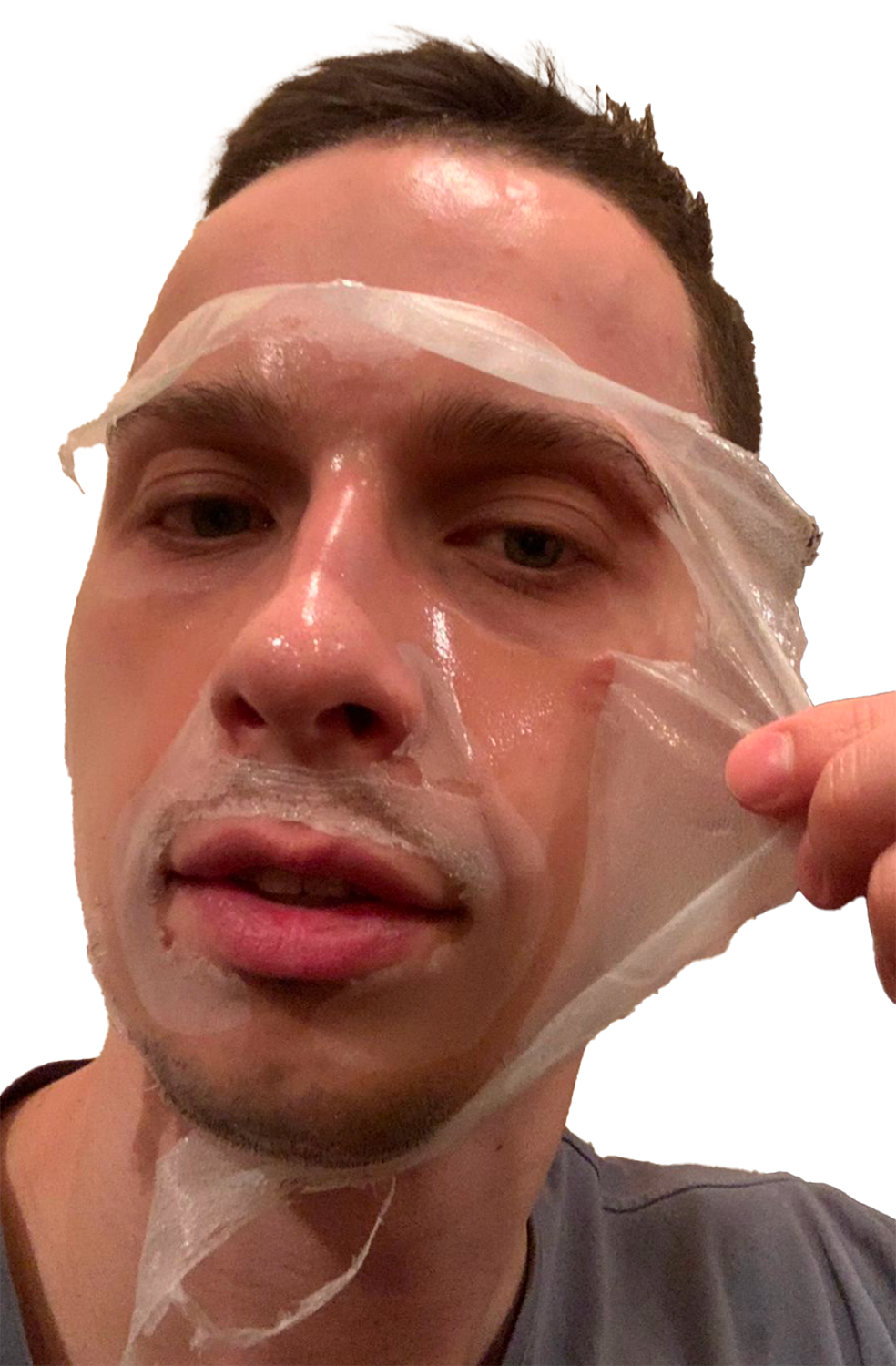
Phase 3 — Peel-Off Removal

Removal should be performed gently on dry skin, preferably in one piece, from top to bottom.
Removal after 45 min (one piece)

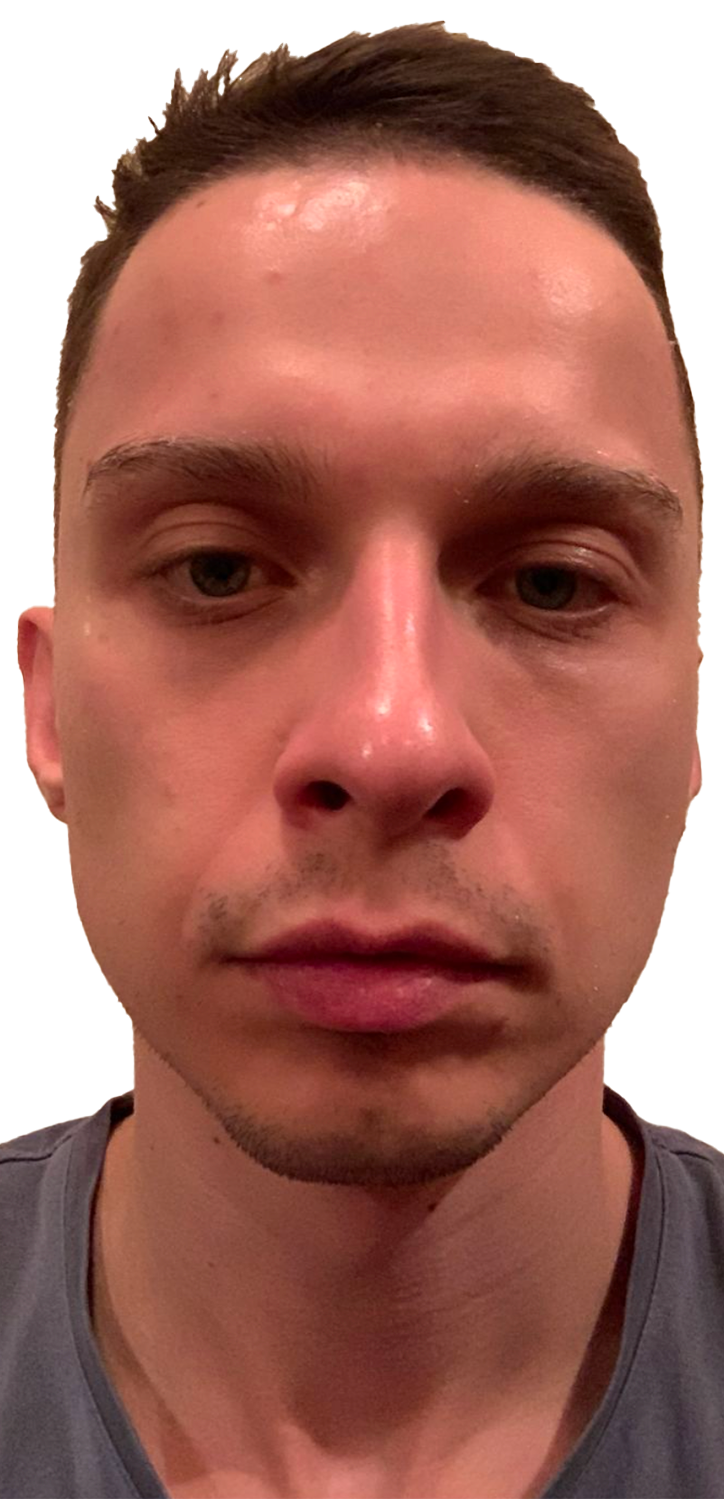
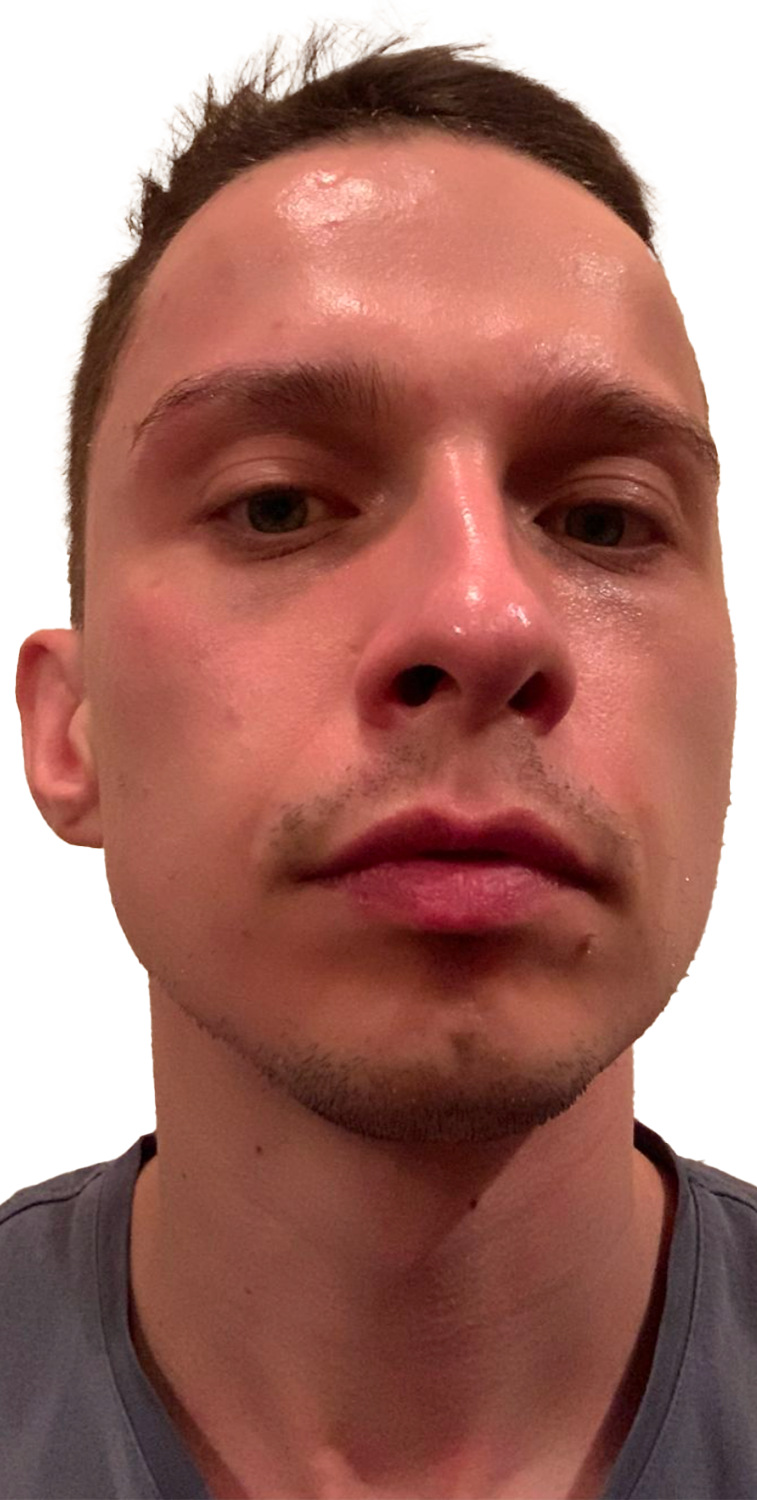
Phase 4 — 1st Immediate Results

Standard views immediately after complete removal.
immediate result front view

Front View — Immediate Result

immediate result- 3/4 profile right

3/4 Right Profile — Immediate Result

immediate result left profile

Left Profile — Immediate Result

Immediate Clinical Observation
The skin surface appears visibly smoother and more refined. Texture irregularities are reduced, and tactile assessment reveals a softer, silk-like feel.
Adjunctive Tools

Targeted Post-Peel Support

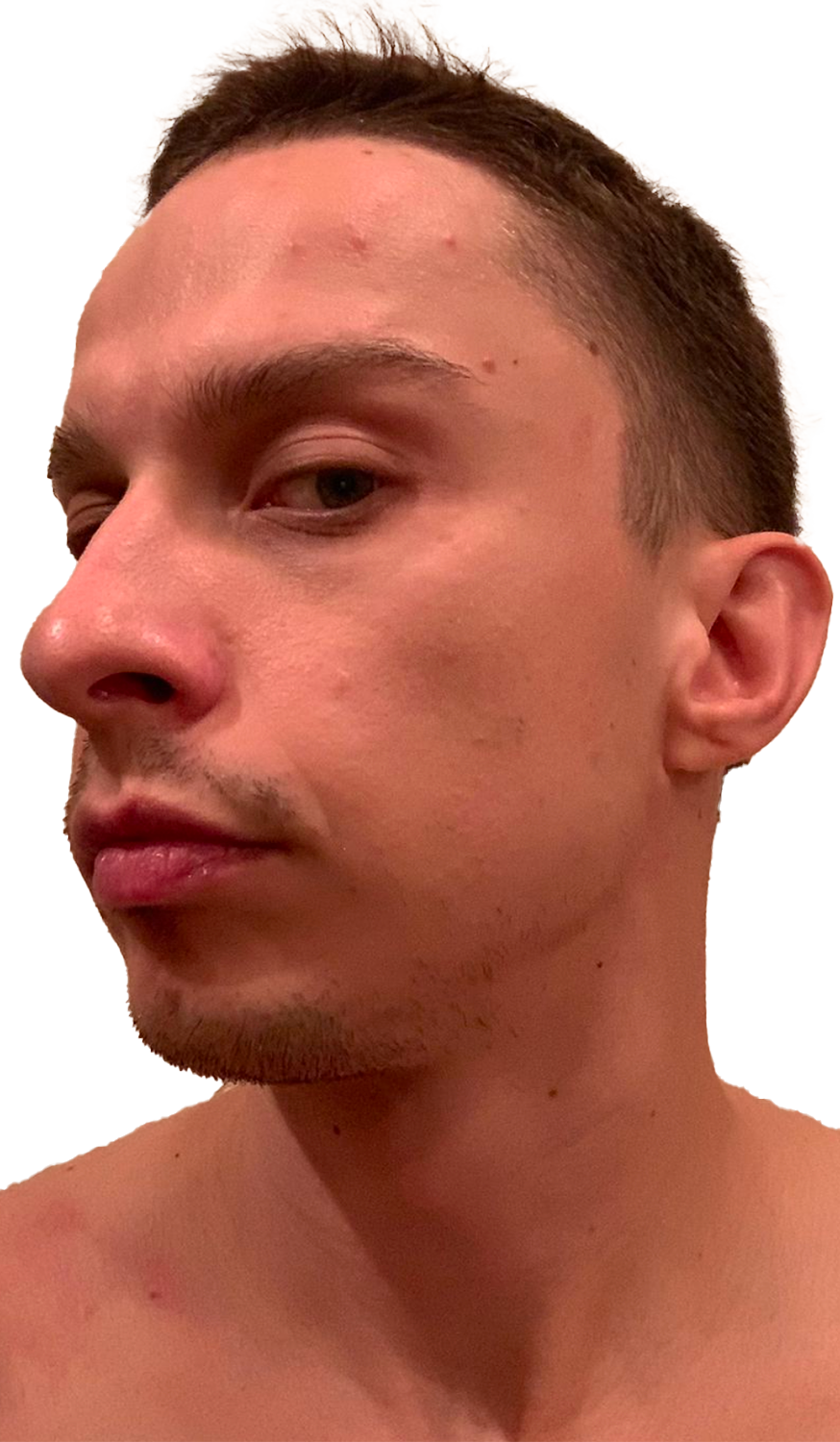
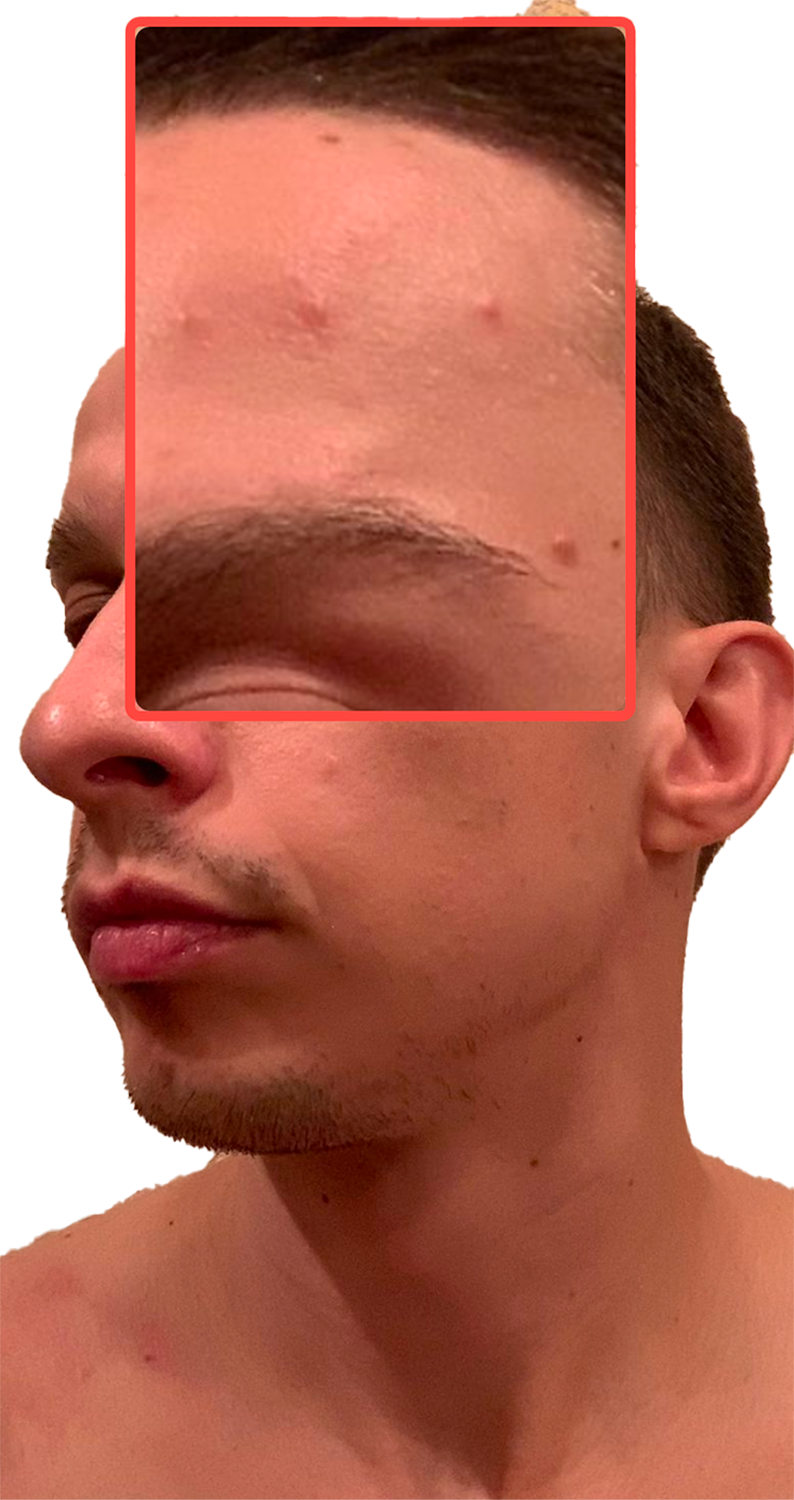
Despite overall improvement, localized inflammatory lesions may persist. Adjunctive topical support is therefore indicated.
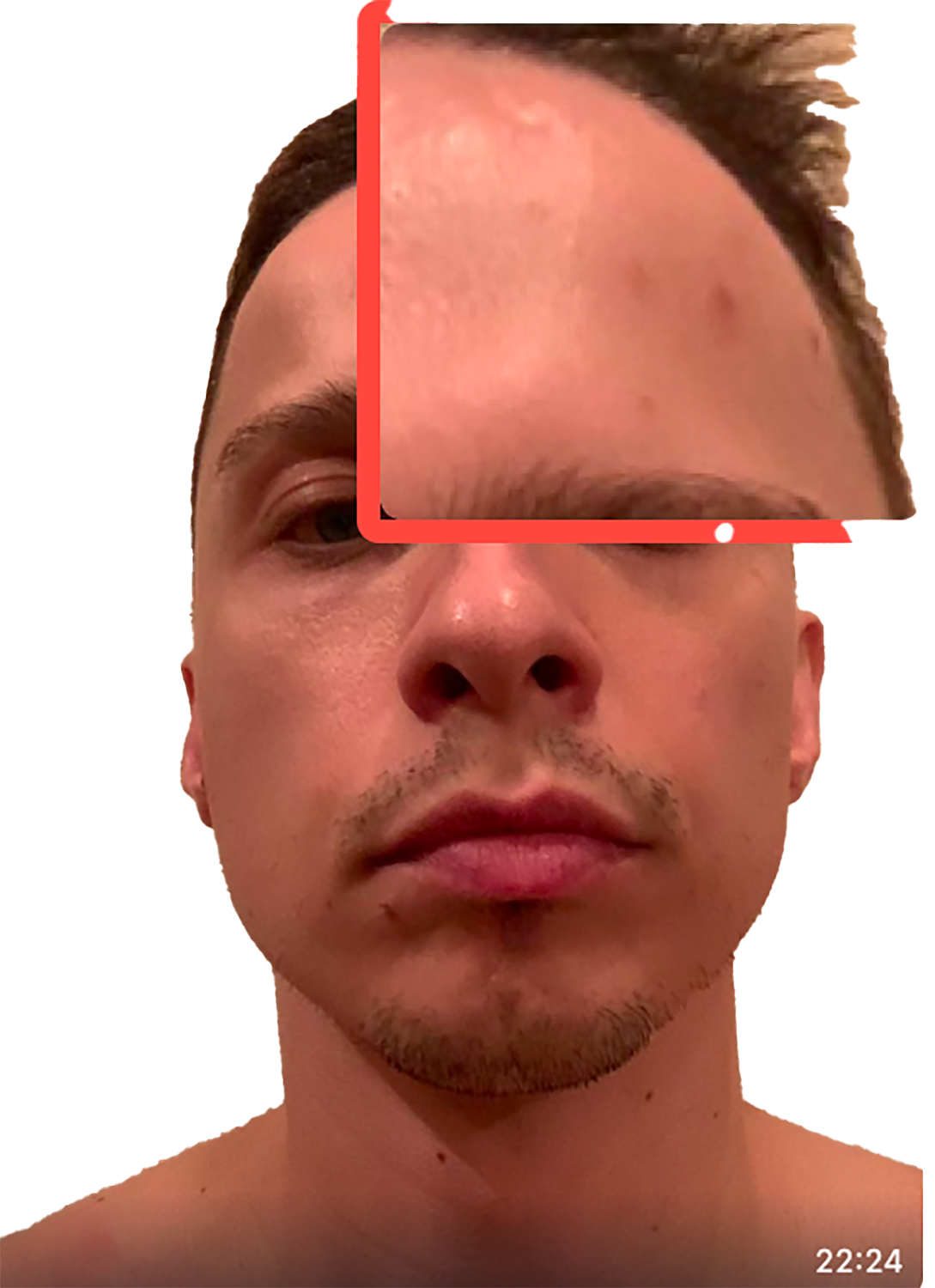
persistant papular lesions-forehead

Persistent Papular Lesions — Forehead

focused view-inflammatory papules- acne vulgaris

Focused View — Inflammatory Papules (Acne Vulgaris)

Adjunctive Tool

Lipoic Acid Cream

In cases of persistent inflammatory papules (acne vulgaris), adjunctive topical therapy may be introduced after peel-off removal to help modulate inflammation and support localized skin recovery.

Particularly beneficial for forehead-dominant lesions and seborrheic, acne-prone skin types.
Follow-Up Assessment

Immediate Response After Lipoic Acid Application

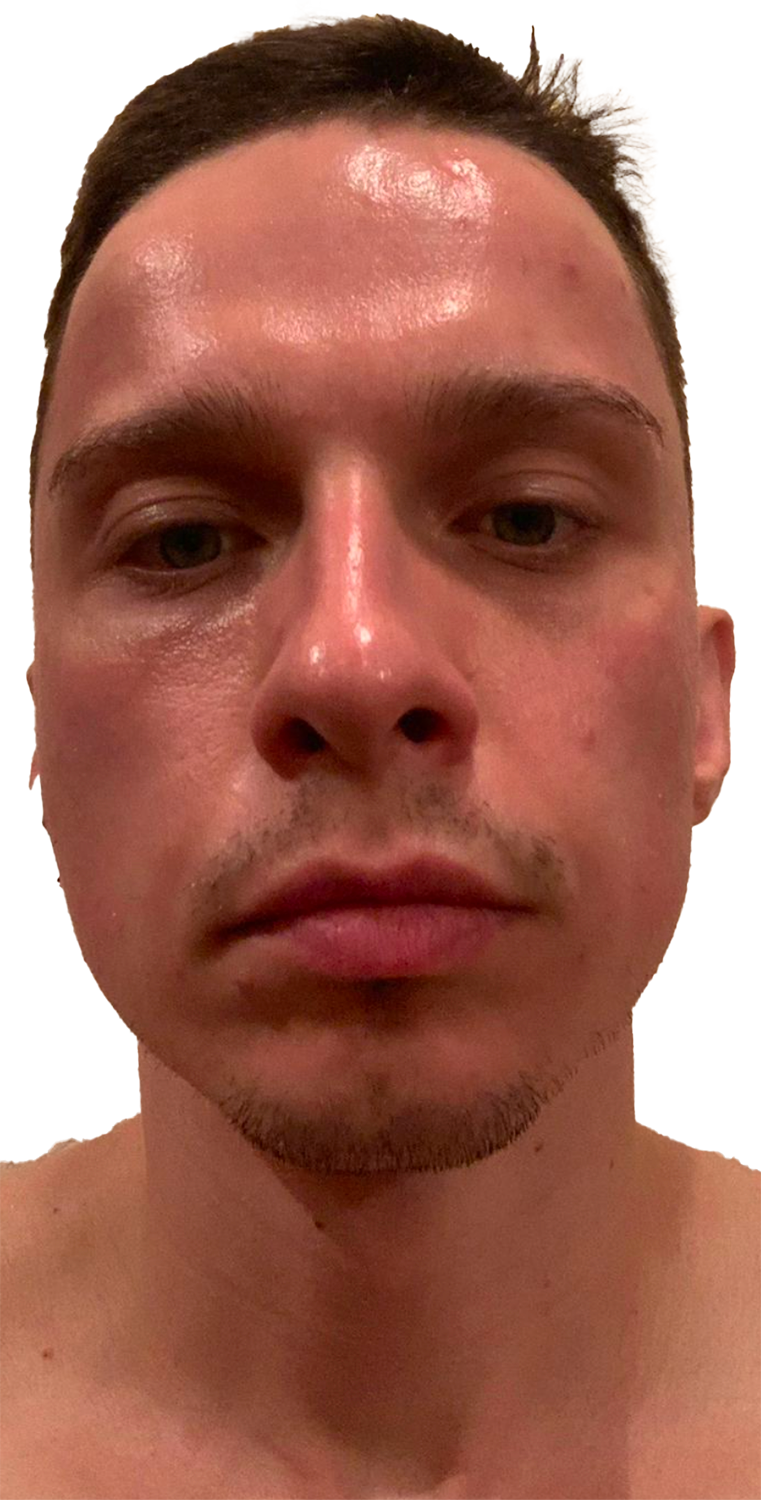
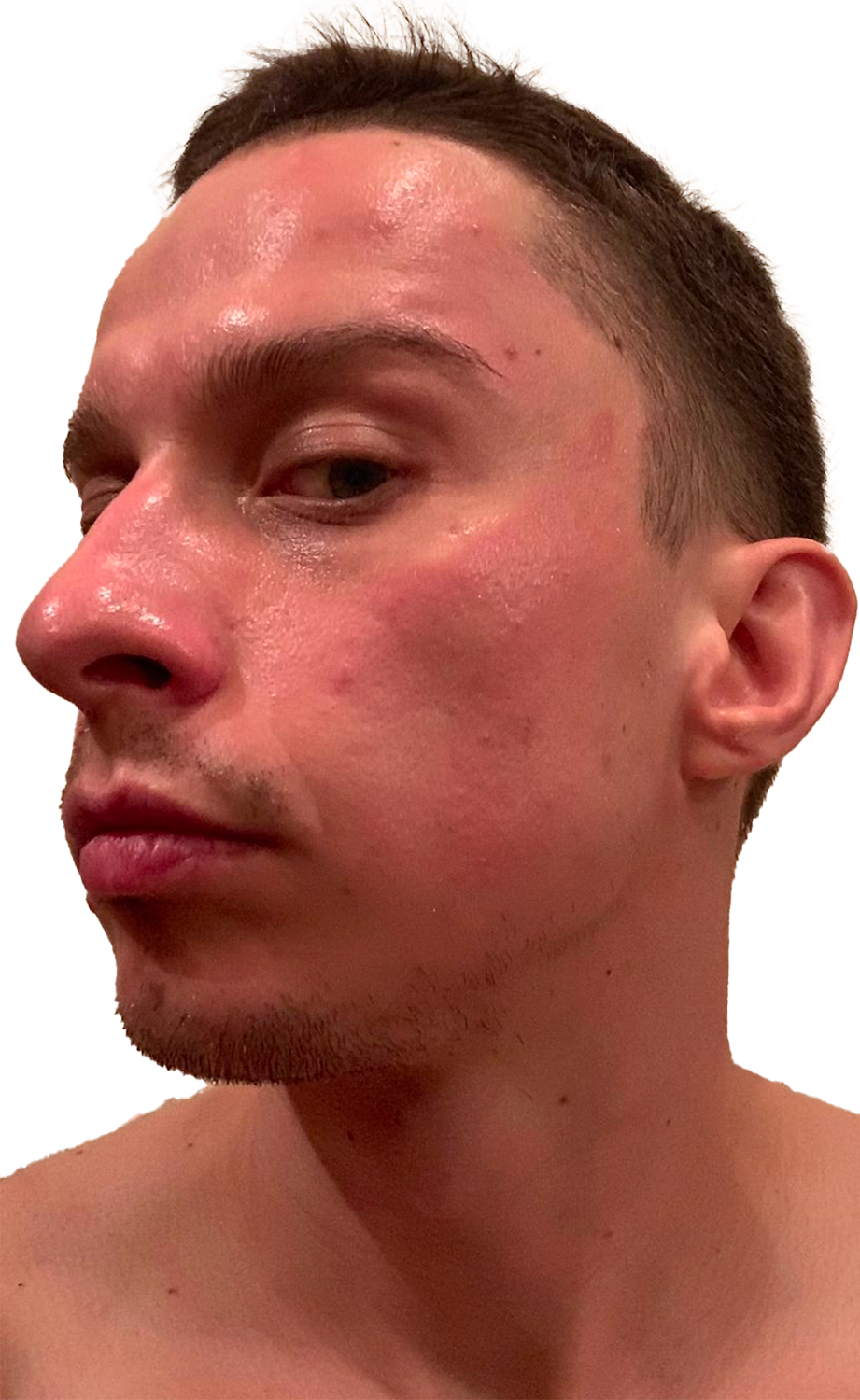
A transient erythema appears, testifying to the in-depth biological activity of Lipoic Acid and its interaction with inflamed lesions.
Front View — Immediate Erythema

Front View — Immediate Erythema

Left Profile — Immediate Erythema

Left Profile — Immediate Erythema

Right Profile — Immediate Erythema

Immediate Comparative Assessment

Before and immediately after Lipoic Acid application.
Before Lipoic Acid

Closed Comedonal Acne Lesions — Before Lipoic Acid

Immediately After Lipoic Acid

Immediately After Lipoic Acid Application

Clinical Follow-Up

24-Hour Post-Treatment Evaluation

The transient erythema observed immediately after Lipoic Acid application has completely resolved. A marked improvement in papular inflammatory lesions is evident, with reduced elevation and improved surface homogeneity.
Front View — 24 Hours

Front View — 24 Hours

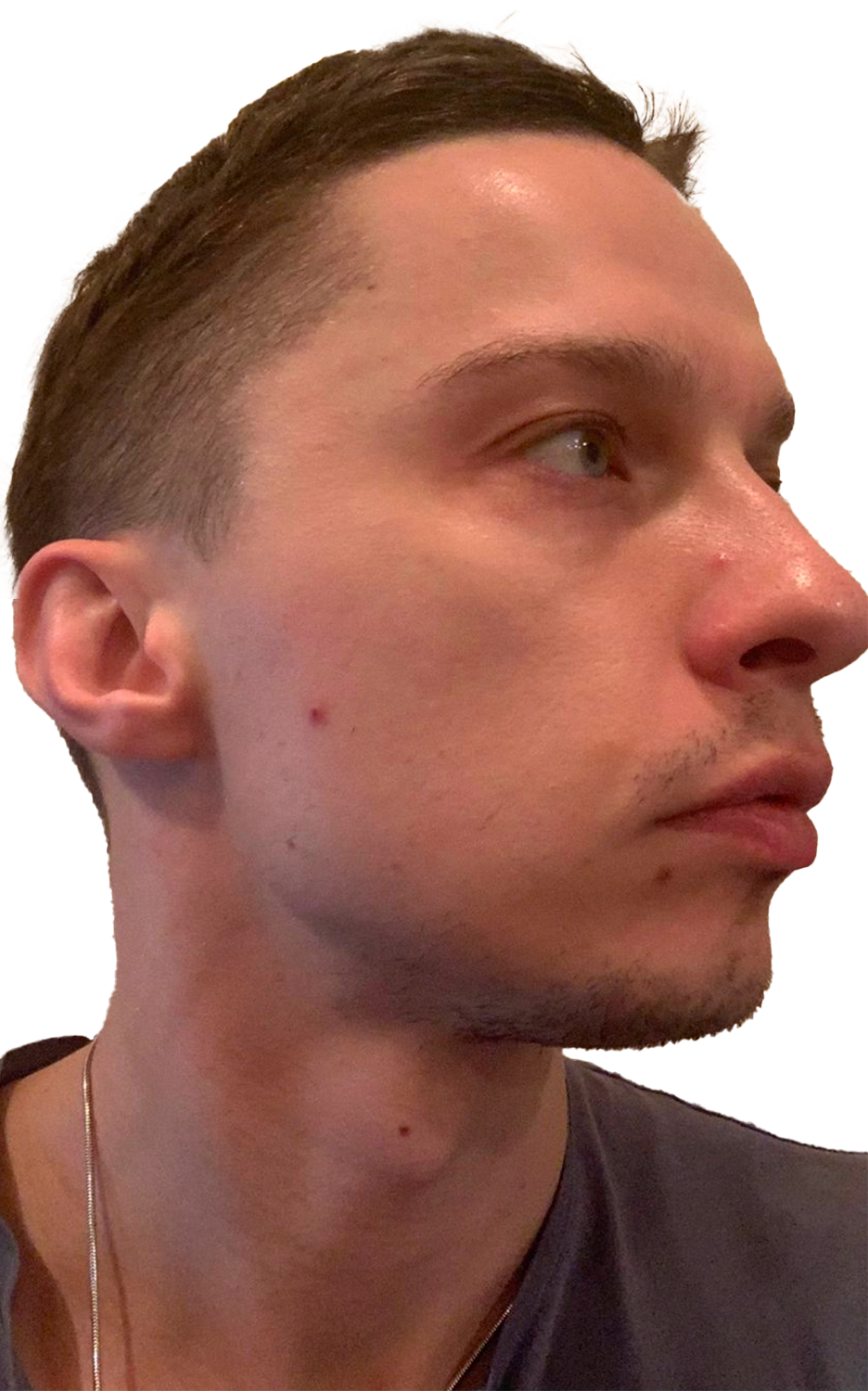
Right Profile — 24 Hours

Right Profile — 24 Hours

Focused Forehead View — 24 Hours

Focused Forehead View — 24 Hours

With inflammatory activity stabilized and epidermal integrity preserved, the protocol may now progress to controlled surface refinement.

The objective shifts from inflammatory modulation to texture optimization and epidermal uniformity enhancement.
Adjunctive Phase

Microabrasive Refinement Phase

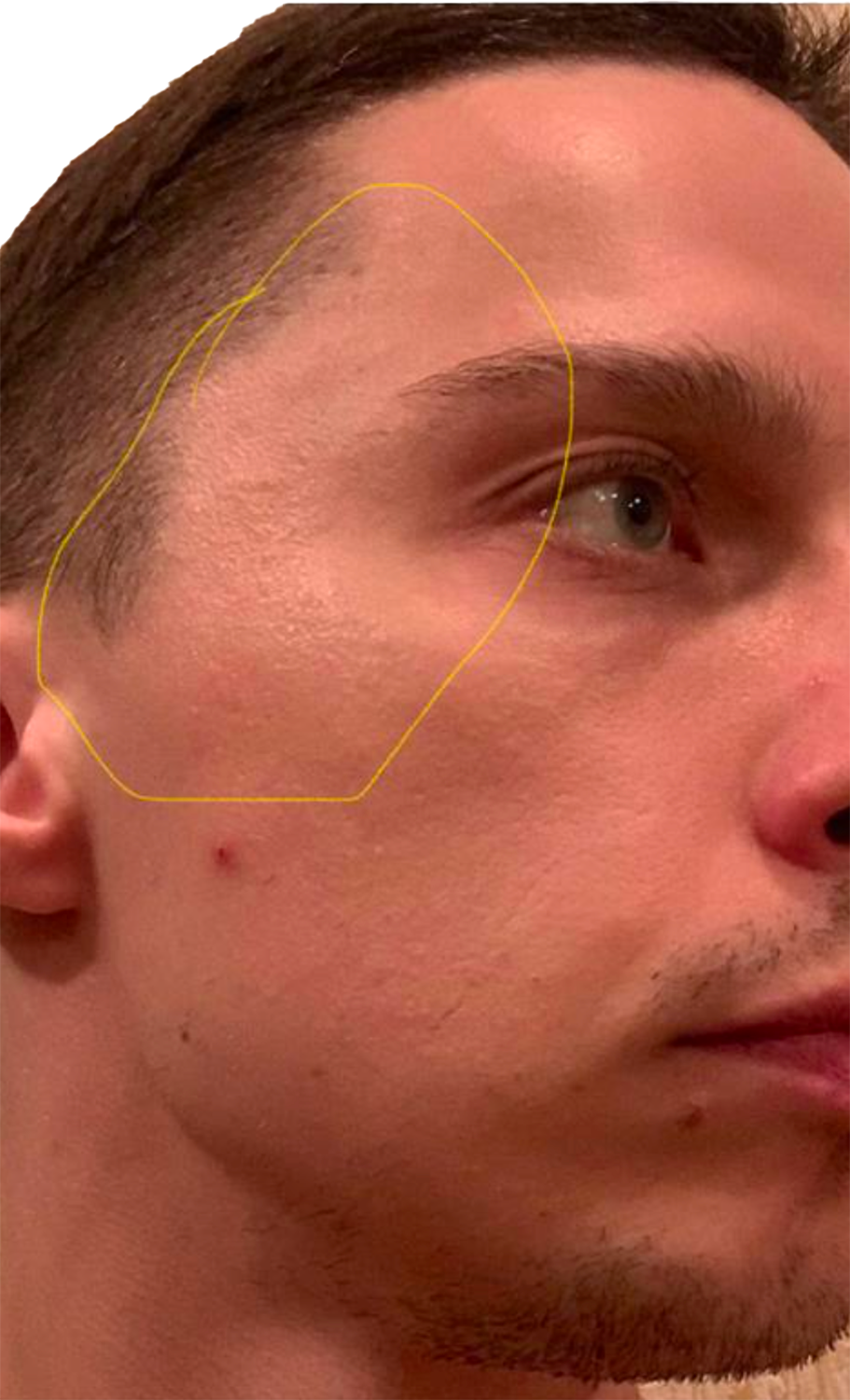
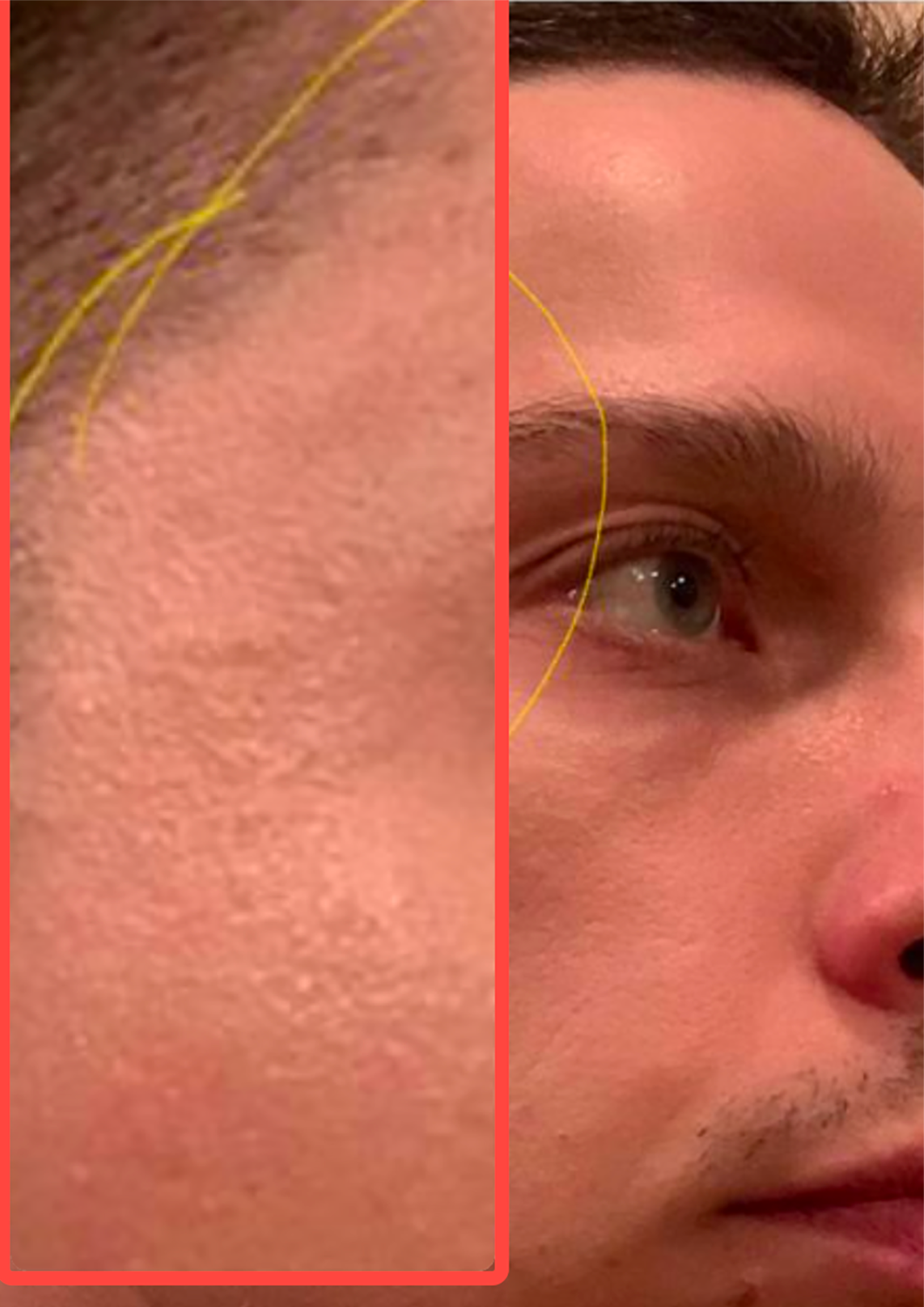
Even after significant improvement, residual temporal closed comedones may persist. Controlled microabrasive dermal refinement is introduced to achieve optimal surface uniformity.
Temporal Closed Comedones — Acne Vulgaris

Temporal Closed Comedones — Acne Vulgaris

Focused View — Temporal Closed Comedones

Focused View — Temporal Closed Comedones

Adjunctive Mechanical Refinement

Microabrasive Sand Cream

Designed for controlled dermabrasive refinement, this formulation assists in the removal of residual closed comedones and improves epidermal texture in targeted areas.
Immediately After Microabrasive Sand Cream

Immediately After Microabrasive Cream

Focused View — Immediate Result

Focused View — Immediate Result

Before Microabrasive Sand Cream

Before Microabrasive Sand Cream

After Microabrasive Sand Cream

After Microabrasive Sand Cream

Conclusion

A single session combining 30 min Peel Off, Lipoic Acid Cream, and Microabrasive Sand Cream may significantly improve lesion appearance. However, repeated sessions are required to achieve long-term stabilization and optimal epidermal uniformity.
This case illustrates the layered protocol approach combining 30 Min Peel Off, Lipoic Acid Cream and Microabrasive refinement.

For detailed product information and protocol guidelines, refer to the main product page.

Share this website on your social medias