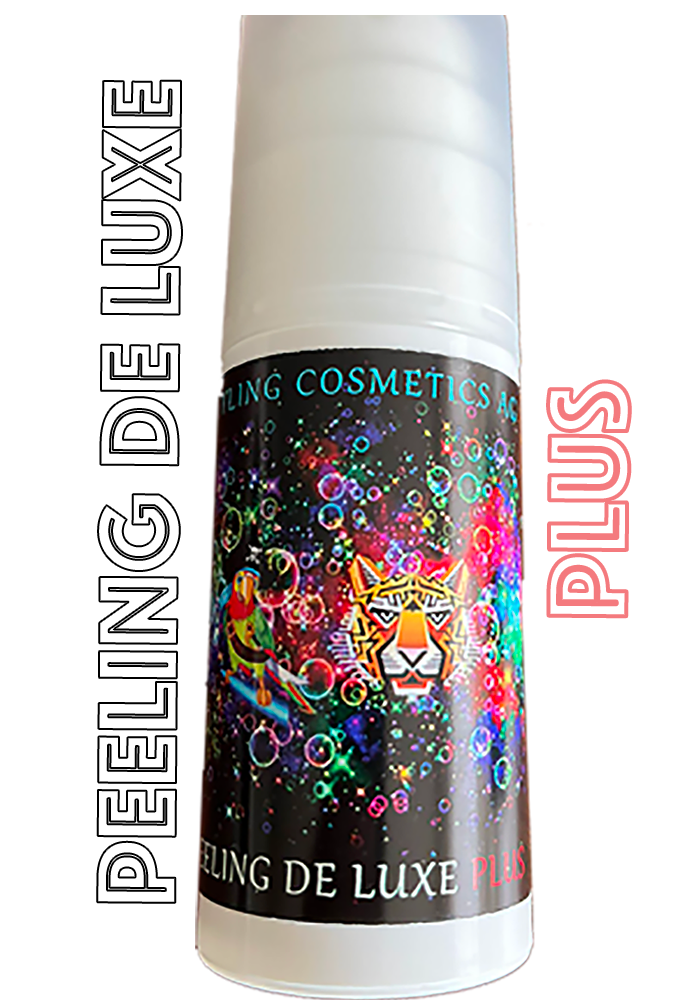
Prepare
Mechanical preparation may improve selected rough, thickened or hyperkeratinized surfaces, but it is not automatically required for every indication.
Body peeling requires more than transferring a facial peel to a larger surface. Treatment integrates preparation, correction, recovery and maintenance according to the anatomical area, skin condition and clinical indication.
Body peeling is not simply a facial peel transferred to a larger surface. The strategy follows the clinical indication, anatomical area, surface condition and biological response.
Mechanical preparation may improve selected rough, thickened or hyperkeratinized surfaces, but it is not automatically required for every indication.
Select the appropriate chemical or metabolic pathway according to the clinical objective, anatomical area, surface condition and intended response.
Correction is followed by an active biological phase focused on barrier function, water retention and tissue stability rather than immediate repetition.
Once correction has achieved its objective, move toward stabilization, biological photoprotection and maintenance instead of automatically re-correcting.
Navigate the complete clinical pathway from assessment and preparation through correction, biological recovery, safety and long-term maintenance.
Body peeling is a structured treatment strategy for body skin that combines preparation, targeted correction, biological recovery and maintenance according to the anatomical site and clinical objective.
The term body peeling should not describe only the application of an exfoliating or corrective substance to the skin.
A rational approach begins with the condition of the surface, the anatomical area being treated and the clinical indication.
Depending on these factors, treatment may integrate mechanical preparation, chemical or metabolic correction, barrier recovery and a planned maintenance phase.
The therapeutic sequence is therefore selected according to what the skin requires, rather than by pursuing peeling intensity as an objective in itself.
Different body areas require individual assessment rather than a single universal treatment approach.
Texture, surface irregularity, pigmentation, photoaging and other clinical objectives do not require identical strategies.
Treatment does not end with correction. Barrier recovery, water retention and maintenance form part of the clinical pathway.
In this framework, the objective is not “How deep can we peel?” but “Which sequence best addresses this body area and this clinical indication?”
The body should not be approached as one uniform treatment surface. Anatomical site, surface condition, clinical indication and recovery requirements can vary considerably from one area to another.
A rational body peeling strategy adapts the sequence and intensity of treatment to the characteristics of the area being treated rather than applying the same protocol everywhere.
The back, shoulders, arms, hands, legs, décolleté and other body regions do not present identical clinical conditions. Treatment must therefore begin with the area, not with the peel.
Site · Anatomy · AdaptationRoughness, surface irregularity and accumulated keratinization can alter the way a body area should be prepared. This is why mechanical preparation may become a genuine therapeutic stage before chemical or metabolic correction.
Texture · Surface · PreparationSome areas are chronically exposed while others remain covered or are subjected to clothing, friction and different environmental conditions. Exposure history forms part of the clinical assessment.
Exposure · Friction · EnvironmentBody peeling may address very different objectives: surface roughness, uneven texture, pigmentation, signs of photoaging or other selected aesthetic indications. Different problems require different corrective pathways.
Indication · Objective · SelectionThe corrective phase is only one part of treatment. Barrier recovery, water retention and long-term maintenance must be anticipated when constructing the protocol, particularly when treating larger body surfaces.
Barrier · Recovery · MaintenanceThe practitioner should first identify where the problem is, what needs to be corrected and how the skin should recover. Product selection and treatment intensity follow from that assessment — not the other way around.
Body peeling may address several different clinical objectives — from rough and hyperkeratinized areas to localized body hyperpigmentation, photoaging, dullness and selected surface irregularities. The indication and anatomical area should determine the treatment pathway, preparation and corrective strategy.
01
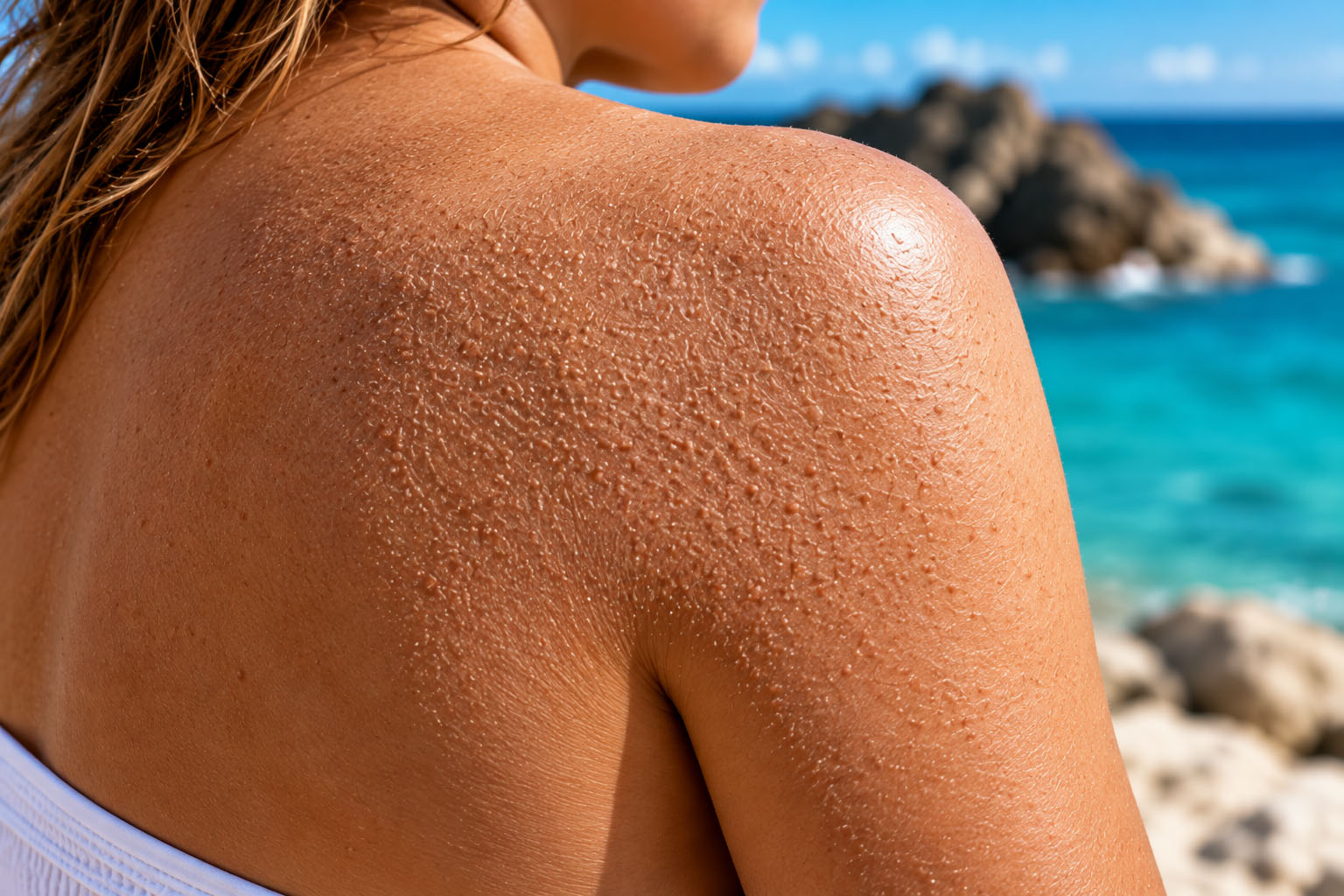
Hyperkeratinization
Localized body areas may develop roughness, superficial thickening, excessive keratinization and irregular texture. These findings are particularly relevant when deciding whether mechanical surface preparation should precede the corrective phase.
02
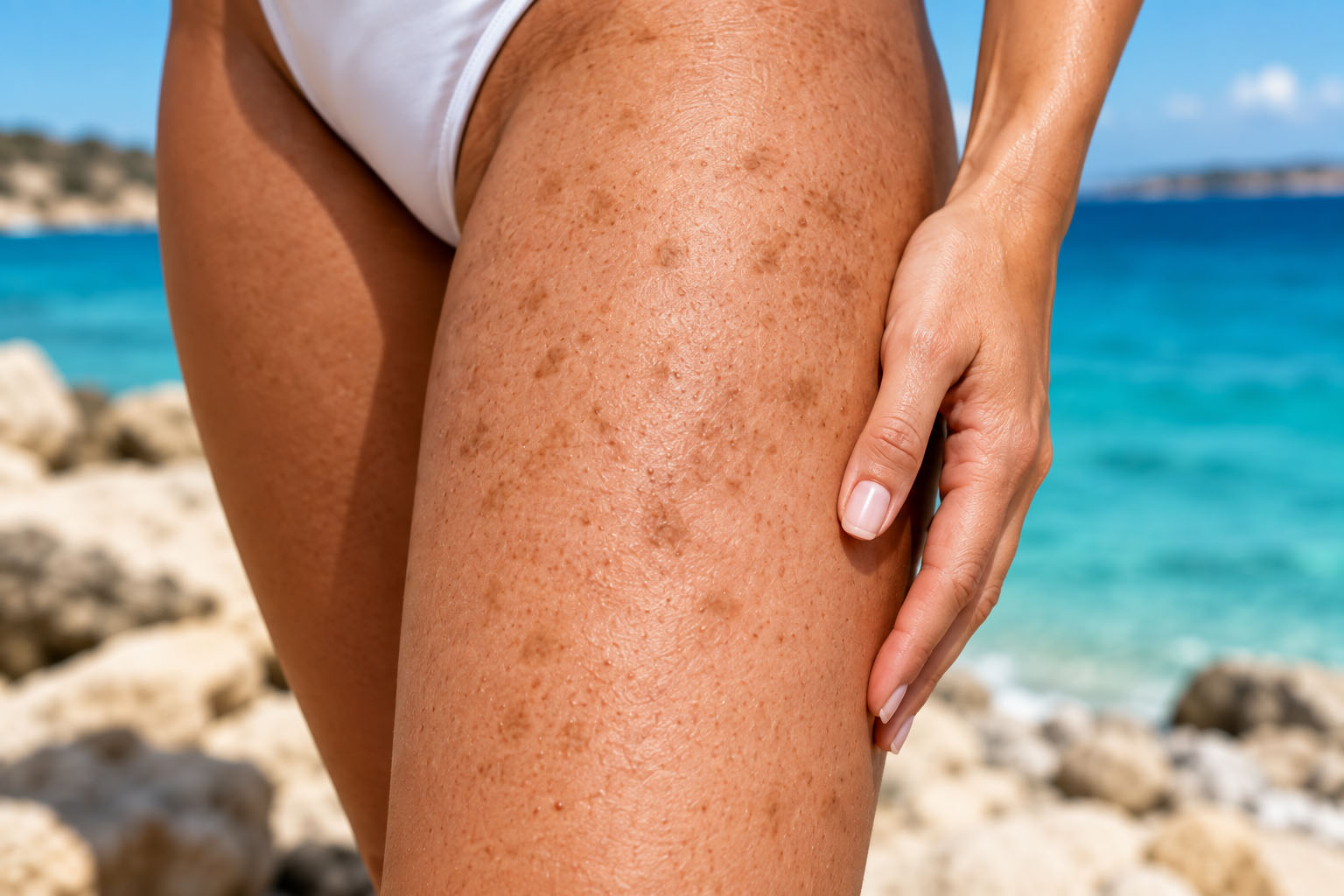
Hyperpigmentation
Localized hyperpigmentation and uneven body skin tone may occur in exposed areas as well as in regions influenced by friction, occlusion or repeated mechanical stress. Treatment must be adapted to the specific anatomical site.
03
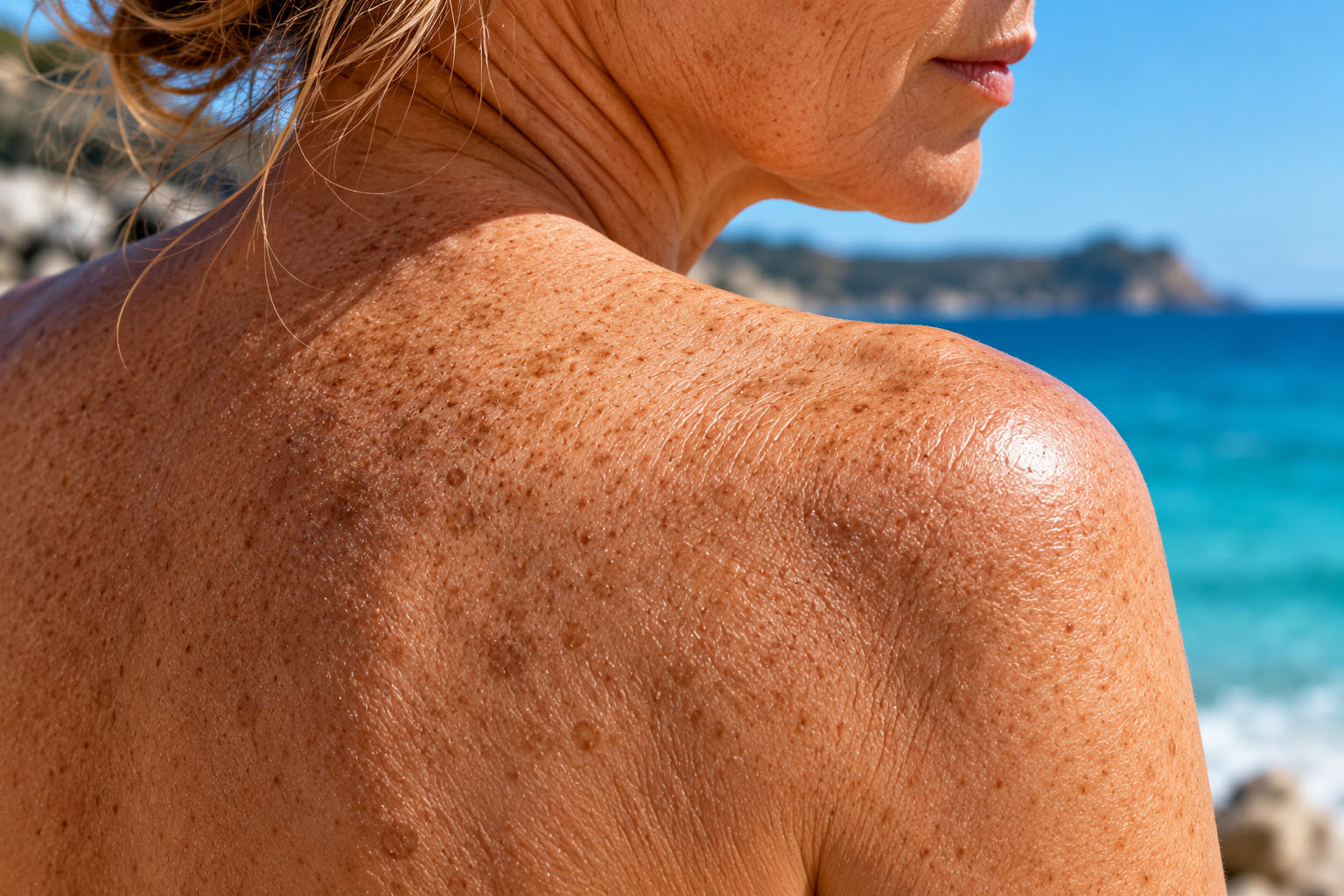
Photoaging
Chronically exposed areas may develop a combination of uneven tone, textural change and visible signs of cumulative environmental exposure. These areas require an integrated approach rather than correction based on one isolated feature.

04
Radiance
Body skin may appear dull, visually irregular or lacking in surface luminosity. Surface renewal can be incorporated into a broader strategy aimed at improving the visible quality and regularity of the skin.
Dullness · Radiance · Renewal

05
Irregularity
Some body areas present visible follicular or superficial irregularity in which controlled surface preparation and appropriate corrective treatment may form part of the clinical strategy.
Follicular · Surface · Regularity

06
Renewal
Selected larger areas may be treated when the objective is controlled improvement of surface quality and visual uniformity. The size of the area makes appropriate preparation, recovery and maintenance especially important.
Large Areas · Renewal · MaintenanceHyperpigmentation may also involve selected external intimate areas and the perianal region. These indications belong to the broader clinical field of pigmentation correction, but they should not be treated as conventional body peeling areas.
External intimate hyperpigmentation requires dedicated assessment of the anatomical site, local skin characteristics and the appropriate corrective and recovery pathway.
Perianal hyperpigmentation represents a specialized indication requiring its own clinical assessment, treatment strategy and post-treatment management.
A rough, thickened elbow or knee may primarily present a surface and keratinization problem, making preparation an important component of the treatment pathway.
Hyperpigmented underarms, bikini-line, external intimate or perianal areas should not automatically receive the same preparation or corrective sequence used for a hyperkeratinized elbow, knee or heel.
The clinical question is not “Which peel can I use on the body?” It is: “What am I treating, where am I treating it, and which preparation, correction and recovery sequence is appropriate for that specific skin?”
Before choosing a product or procedure, the practitioner should determine what is being treated, where it is located, whether the dominant problem is pigmentation, keratinization or another surface alteration, and how the skin is expected to recover. The treatment pathway begins with assessment.
A body peel should not be selected from the name of a product alone. Clinical indication + anatomical site + surface condition + local influences + recovery capacity determine the rational sequence.
Identify the principal reason for treatment: hyperkeratinization, roughness, textural irregularity, hyperpigmentation, uneven tone, dullness, photoaging or another selected indication. Pigmentation and keratinization may coexist, but they are not the same clinical problem.
Indication · Objective · PriorityDetermine exactly which anatomical area will be treated. An elbow, knee or heel differs from an underarm or bikini-line area, while external intimate and perianal regions require specialized assessment. The same strategy should never be transferred automatically from one site to another.
Area · Surface · AnatomyAssess visible and tactile roughness, superficial thickening, keratinization, dryness and surface irregularity. Mechanical preparation is considered when the surface condition justifies it — not simply because pigmentation is present.
Texture · Keratinization · PreparationConsider environmental exposure together with clothing, occlusion, repetitive friction and other local mechanical influences. These factors are particularly relevant in areas such as the underarms, bikini line and other friction-prone zones.
Exposure · Friction · Local InfluencesEvaluate whether the planned correction is compatible with appropriate barrier recovery, hydration and water retention. Recovery should be designed before treatment begins, with particular attention to the anatomical site and the extent of the treated surface.
Barrier · TEWL · RecoveryConsider how the result will be stabilized and maintained over time. Repeated aggressive correction should not replace a coherent maintenance strategy adapted to the indication, anatomical area and recurring local influences.
Stabilization · Maintenance · ReassessmentVisible pigmentation does not by itself determine the preparation step. Surface condition and anatomical site must be assessed independently.
When superficial thickening, roughness or excessive keratinization is clinically relevant, assess whether mechanical surface preparation should precede corrective treatment.
Assess → Prepare if indicated → CorrectDetermine whether the dominant issue is pigmentation, friction-related change, surface irregularity or a combination. Mechanical preparation should not be assumed simply because pigmentation is visible.
Assess Site + Surface → Adapt Preparation → CorrectThese areas require dedicated anatomical assessment and a specialized treatment pathway. Conventional body-peeling preparation should not be transferred automatically to these sites.
Specialized Assessment → Dedicated ProtocolThe purpose of assessment is not merely to collect observations. It determines whether the planned pathway should proceed as intended, be modified, or be deferred.
Proceed when the indication is appropriate, the anatomical site has been assessed, the treatment objective is clear and the skin condition is compatible with the selected pathway.
Modify preparation, correction, treated surface or recovery strategy when anatomy, pigmentation, keratinization, friction or local conditions require an individualized approach.
Defer treatment when the skin is not in an appropriate condition for the planned procedure or when safe recovery cannot reasonably be expected.
The final question before beginning is therefore: “What is the dominant clinical problem in this specific anatomical area, which preparation does it actually require — and is the skin ready for the complete treatment and recovery pathway?”
Mechanical preparation has a precise role in body peeling. It is considered when clinical assessment identifies roughness, superficial hyperkeratinization, thickened surface texture or selected irregularities that should be addressed before the corrective phase.
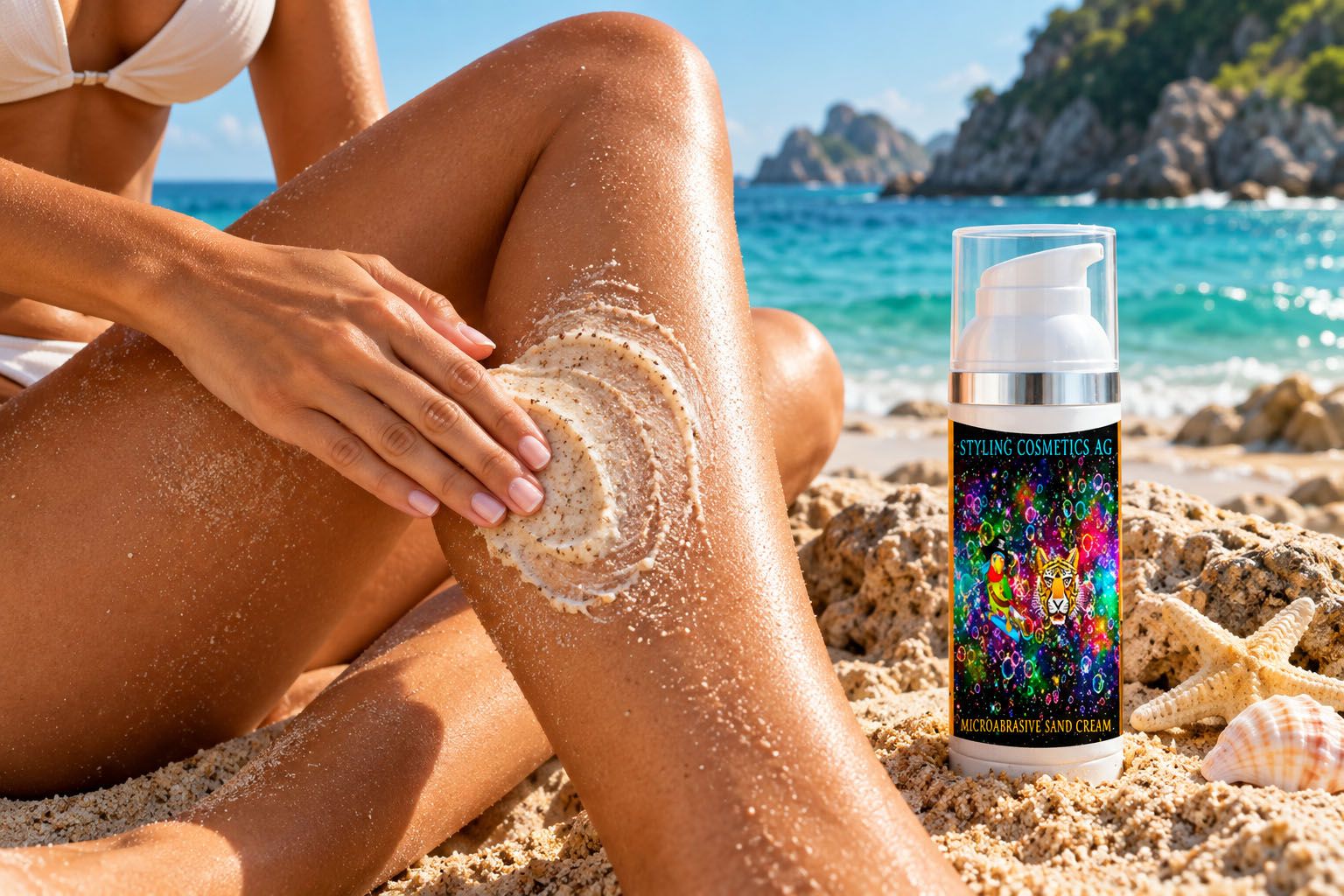
Mechanical Surface Preparation · When Clinically Indicated
Microabrasive Sand Cream is positioned as a mechanical surface-preparation step for selected body areas in which superficial roughness or excessive keratinization forms part of the clinical problem.
Its role is not to replace chemical or metabolic correction. It acts at the preparation stage of the treatment sequence, allowing the practitioner to address the surface condition before deciding how the corrective phase should proceed.
Mechanical preparation may contribute to immediate improvement in surface smoothness and tactile quality while preparing an appropriate body area for the next treatment step.
Determine whether roughness, superficial hyperkeratinization or another surface condition actually requires mechanical preparation.
When indicated, use the mechanical preparation phase to address the superficial surface condition before corrective treatment.
After preparation, select the chemical or metabolic corrective strategy according to the clinical indication and anatomical area.
The strongest rationale exists when the treated surface presents a genuine mechanical surface problem: roughness, thickening or hyperkeratinization. The decision remains anatomical and clinical.
Frequently rough or thickened surfaces may make mechanical preparation a logical first step when hyperkeratinization is clinically evident.
Surface thickening, friction and irregular texture should be assessed separately from any associated pigmentation.
Marked superficial keratinization may create a clear mechanical-preparation indication before considering subsequent correction.
Other localized friction-prone or irregular body surfaces may be considered when examination confirms a relevant superficial keratinization component.
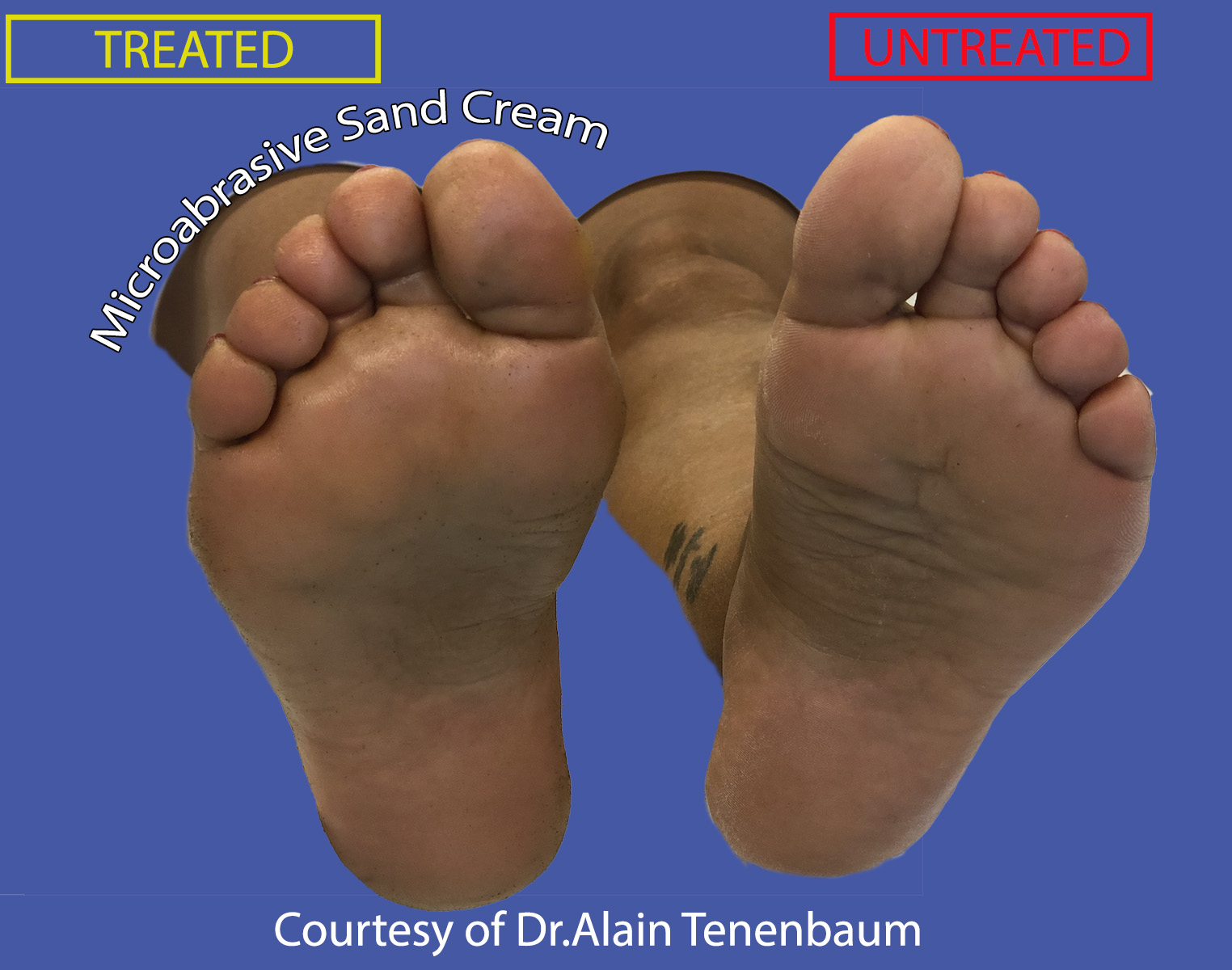
Microabrasive Sand Cream also occupies a distinctive position in the pathway because mechanical removal of selected superficial irregularities may provide an immediately perceptible improvement in skin smoothness and surface appearance. This immediate surface effect remains distinct from the subsequent biological evolution of the corrective treatment.
Pigmentation alone does not justify mechanical abrasion. A pigmented area must first be assessed for its anatomy, surface condition and local influences. Mechanical preparation is selected because the surface requires it — not simply because the skin is darker.
Hyperpigmentation does not automatically imply a need for mechanical preparation. Local anatomy, friction and surface condition determine the pathway.
Treatment should be adapted to the local skin condition rather than extrapolated from rough, hyperkeratinized body areas.
External intimate and perianal indications require dedicated assessment and specialized protocols. Conventional mechanical body preparation should not be transferred automatically to these areas.
Once the surface has been appropriately prepared — when preparation is actually indicated — the next decision is which chemical or metabolic corrective pathway best matches the clinical objective.
Once the anatomical area and clinical indication have been assessed — and mechanical preparation performed only when appropriate — the practitioner selects the corrective pathway according to the biological and clinical objective.
Metabolic correction, salicylic acid and TCA represent different corrective approaches. They should not be selected merely because treatment is being performed on the body. The appropriate pathway follows the indication, anatomical area, surface condition and intended corrective effect.
A metabolic strategy may be selected when the clinical objective requires a progressive corrective approach integrated with subsequent stabilization and maintenance.
Its role should be determined by the indication rather than by a predetermined concept of peel “depth”.
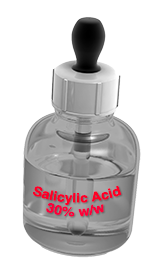
Salicylic acid represents a distinct chemical corrective option whose keratolytic and lipophilic characteristics may be relevant to selected surface and follicular indications.
Its selection remains dependent on the anatomical site and the specific clinical presentation rather than on body location alone.
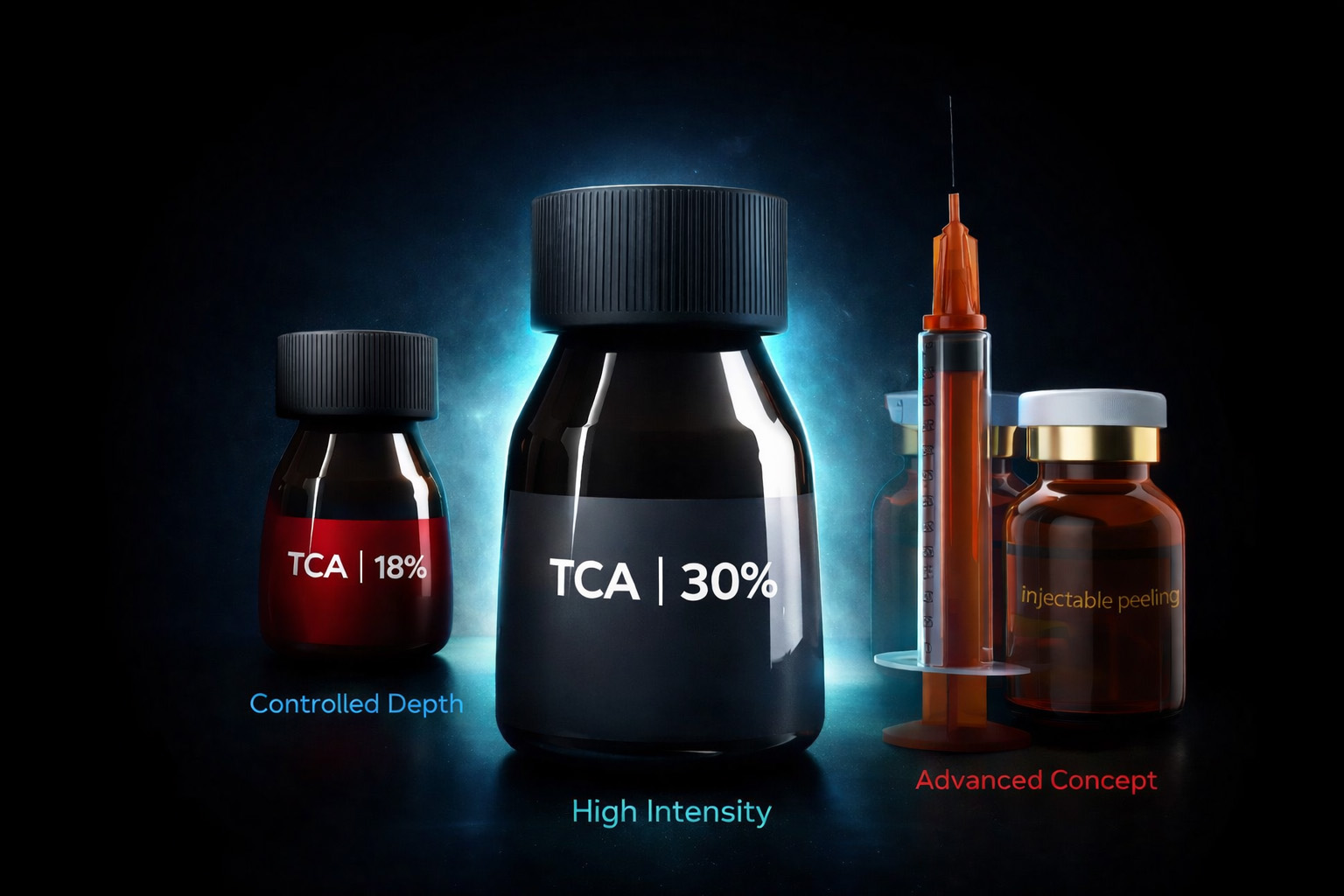
TCA provides another chemical corrective pathway and should be considered according to concentration, anatomical area, indication and the intended treatment intensity.
Body skin should not be treated as a uniform surface. The appropriate TCA strategy therefore requires site-specific clinical selection.
Product selection comes after the practitioner has identified what needs to be corrected and where that correction will be performed.
Determine whether the dominant objective is pigmentation correction, surface renewal, photoaging, radiance, follicular irregularity or another selected indication.
Adapt the strategy to the actual treatment site. Elbows, knees, back, shoulders, underarms and specialized areas do not represent equivalent biological surfaces.
Consider keratinization, texture, dryness, follicular characteristics and previous mechanical preparation where relevant.
The selected correction must remain compatible with the planned barrier recovery, stabilization and long-term maintenance pathway.
Different TCA concentrations may belong to different clinical strategies. The existence of formulations such as TCA 8, TCA 10, TCA 12, TCA 15, TCA 18 and TCA 30 should therefore not be interpreted as a simple progression toward “the strongest peel”. Selection belongs to the appropriate clinical protocol and anatomical indication.
Microabrasive Sand Cream belongs to the preparation phase when preparation is indicated. Salicylic acid, TCA and metabolic strategies belong to the corrective decision. A corrective treatment does not automatically require prior mechanical abrasion, and mechanical preparation does not determine which corrective pathway must follow.
The next step is to integrate these decisions into a single clinical sequence: the complete Body Peeling pathway from assessment through long-term maintenance.
Body peeling is not one procedure and not one acid. The pathway connects clinical assessment, selective preparation, corrective treatment, pigmentation and tanning strategies, recovery and maintenance.
Identify the dominant problem: hyperkeratinization, pigmentation, photoaging, dullness or another surface irregularity. Anatomical site, friction, exposure and recovery capacity determine what follows.
Mechanical preparation is useful when roughness or superficial hyperkeratinization justifies it. Pigmentation alone does not automatically require abrasion.
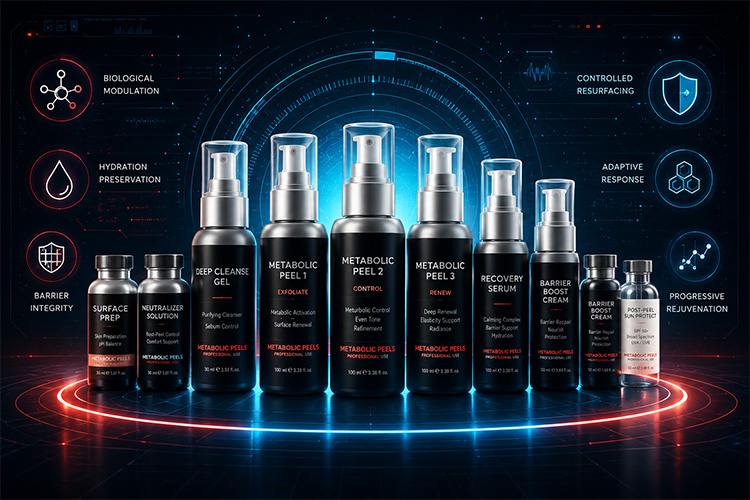
The corrective pathway follows the clinical objective. Metabolic correction, salicylic acid and TCA are different strategies, not interchangeable versions of one universal body peel.
Selection depends on the indication, anatomical site, surface condition and intended biological or chemical effect.
Progressive, indication-driven correction integrated into a broader stabilization and maintenance strategy.
A professional corrective option for selected keratolytic, surface and follicular presentations.
Professional TCA correction selected according to indication, anatomical area and intended treatment response.
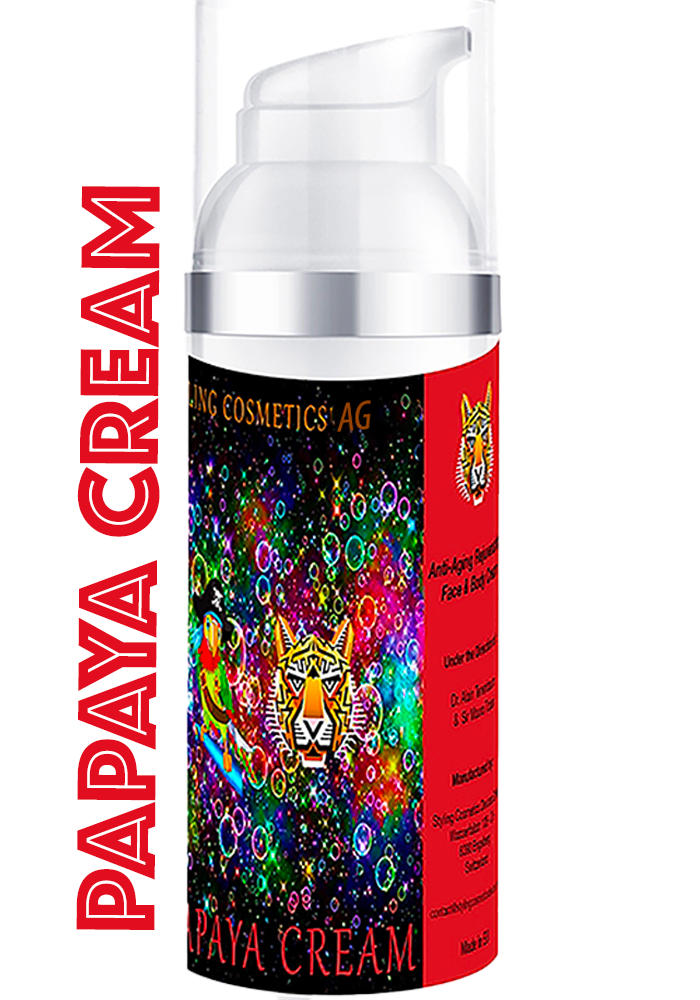
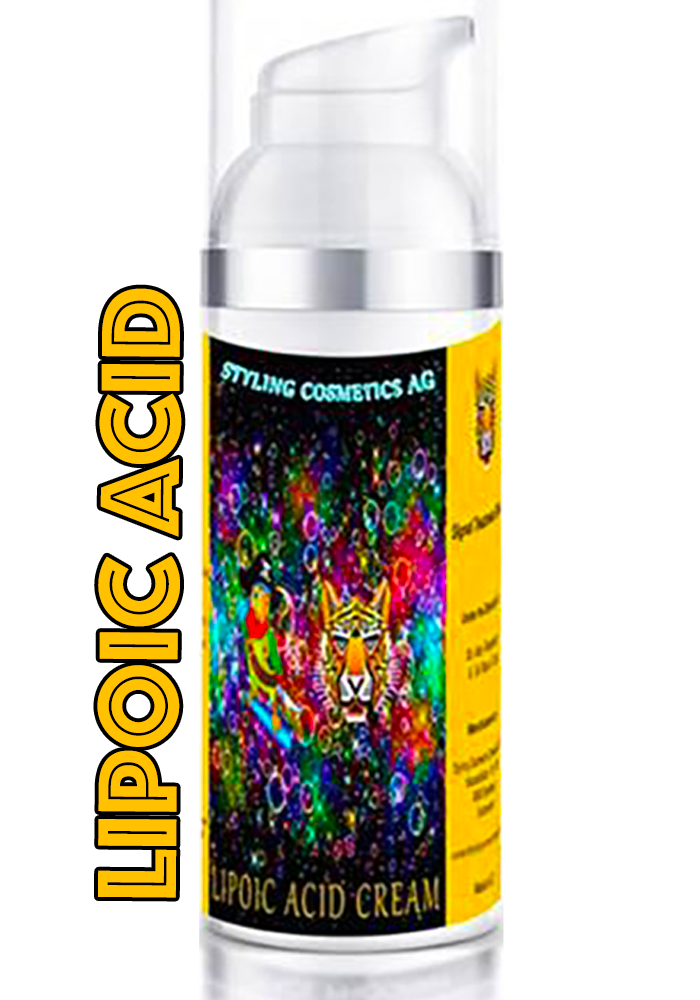
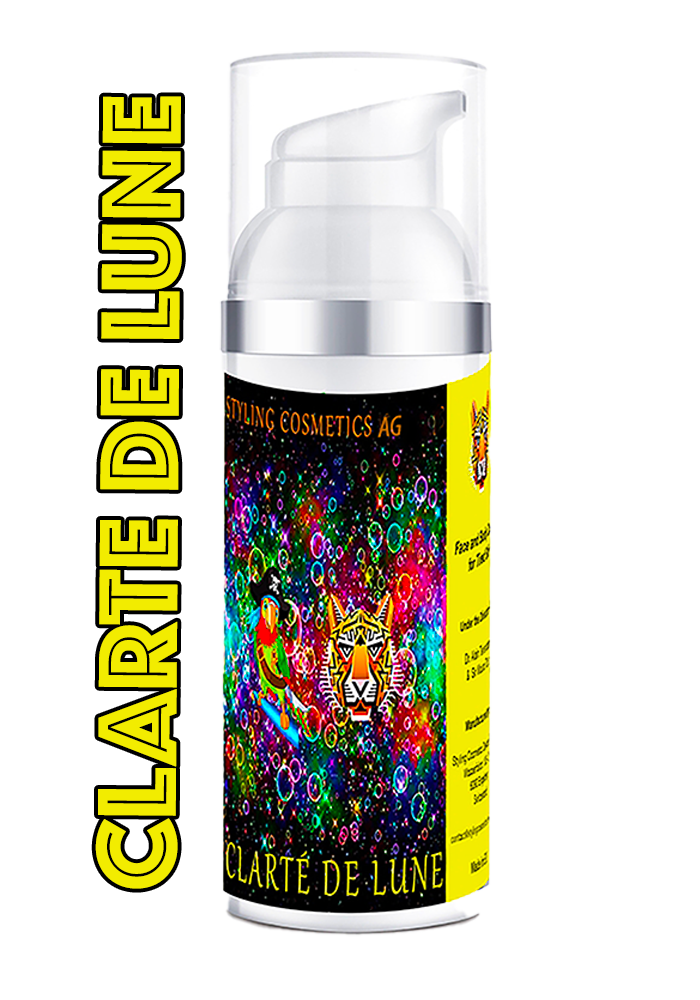
Body peeling may also be integrated into a pigmentation and tanning strategy. Clarté de Lune occupies the regulatory position, followed by Papaya Cream for progressive renewal, with Lipoic Acid available as a penetration facilitator when indicated.
External intimate and perianal areas require dedicated clinical assessment and dedicated protocols. They should not automatically inherit the mechanical preparation or corrective intensity used for conventional hyperkeratinized body areas.
A body peeling strategy is successful not because every product or every step is used, but because each intervention occupies the correct place in a coherent clinical sequence.
A body peeling strategy should not be understood as a treatment event that simply ends after correction. The clinical objective changes over time: first correct, then stabilize the response, then preserve the result.
Correction is an intervention. Stabilization is a transition. Maintenance is a strategy.
This is the active treatment phase. The objective is to address the dominant clinical problem identified during assessment — whether roughness, hyperkeratinization, pigmentation, photoaging, dullness or another selected surface alteration.
Once correction has been initiated, the strategy changes. The objective is no longer simply to intensify treatment, but to allow the cutaneous response to evolve, support recovery and consolidate the improvement obtained.
Maintenance aims to preserve the achieved improvement rather than repeatedly returning the skin to an intensive corrective phase. The priorities may include surface quality, hydration, pigment balance, tanning strategy and biological photoprotection.
A rational long-term strategy does not assume that every improvement requires another corrective cycle. The treatment objective should evolve with the skin response. Renewed correction belongs to reassessment — not to an automatic calendar.
The purpose of this sequence is not to perform more treatment. It is to use the appropriate biological objective at the appropriate moment and to return to active correction only when reassessment indicates that it is required.
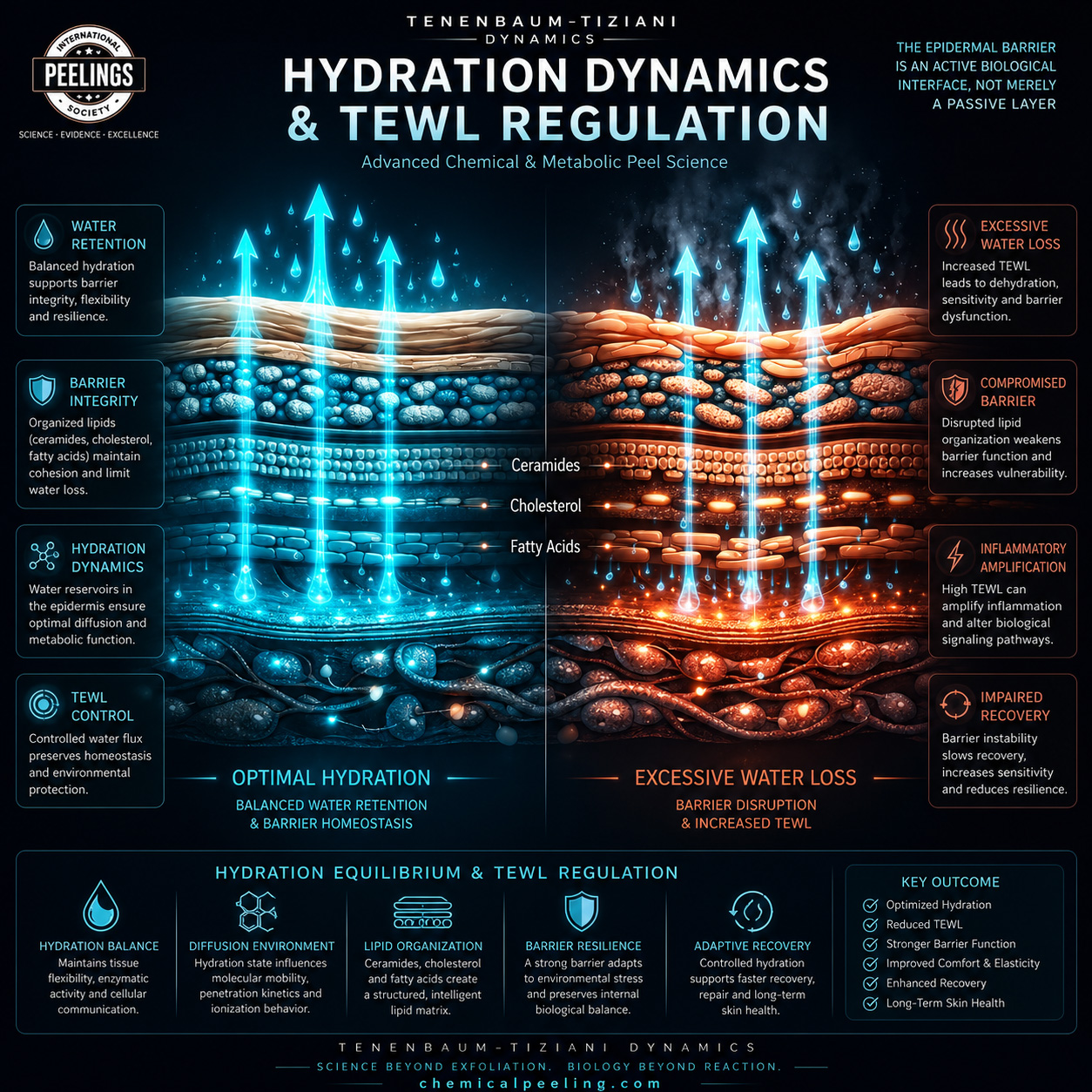
Correction is only one part of body peeling. After the corrective phase, the skin must enter a planned biological recovery phase in which water retention, barrier integrity and functional stability become central treatment objectives.
+
Once the corrective intervention has been completed, the immediate objective is no longer to produce additional correction. Attention shifts toward the functional condition of the treated skin.
Recovery should therefore be considered part of the treatment itself — not simply an interval between two corrective procedures.
The treated surface enters a different biological state. The priority shifts from active correction toward controlled recovery.
Maintaining water within the stratum corneum becomes important as the skin moves through recovery and transepidermal water loss must be considered.
Recovery should support the structures and functions involved in maintaining an effective cutaneous barrier environment.
The objective is not merely a visually calm surface, but a skin condition sufficiently stable to progress toward maintenance.
Post-peel care should distinguish the simple sensation of moisturization from the broader objective of maintaining water retention and barrier function. Transepidermal water loss provides an important biological framework for understanding why recovery must be actively managed after corrective treatment.
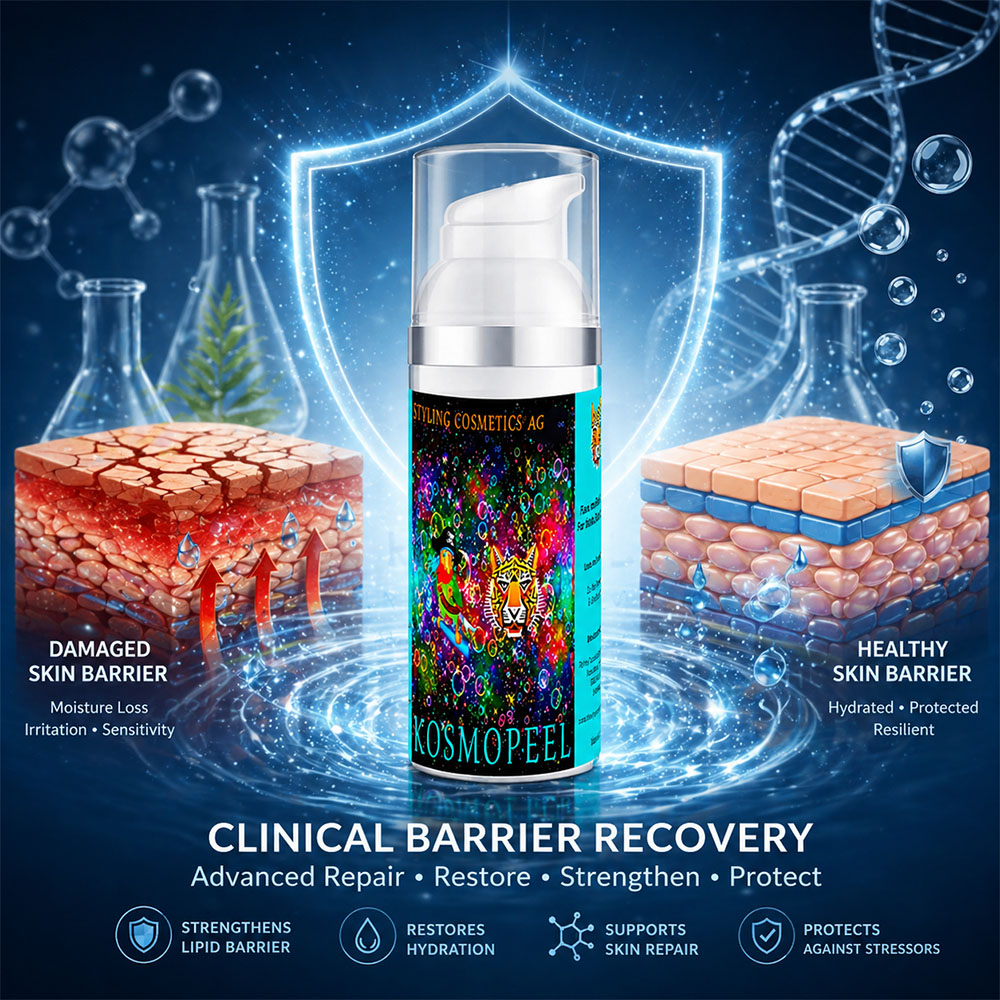
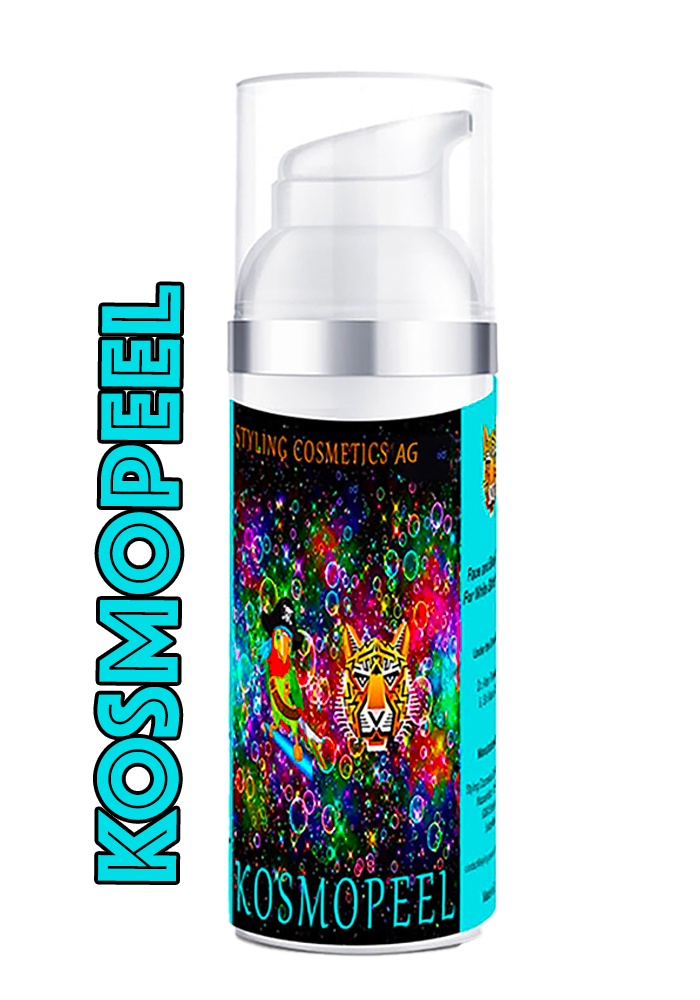
Within the recovery strategy, KosmoPeel is positioned as a protector of the two barriers, supporting the broader objective of post-correction barrier protection.
Ormes des Sioux occupies a complementary role centered on hydration retention, supporting water balance during the recovery and stabilization phases.
Once correction and barrier recovery have been initiated, the strategy must also consider how treated body skin will interact with subsequent environmental exposure. Biological photoprotection therefore belongs to the transition from recovery toward long-term maintenance.
Treated body skin has entered a new biological phase. The objective is no longer to intensify correction, but to preserve the quality of the response.
Environmental exposure becomes relevant to the maintenance strategy because the treated surface must continue to function within its real anatomical and environmental context.
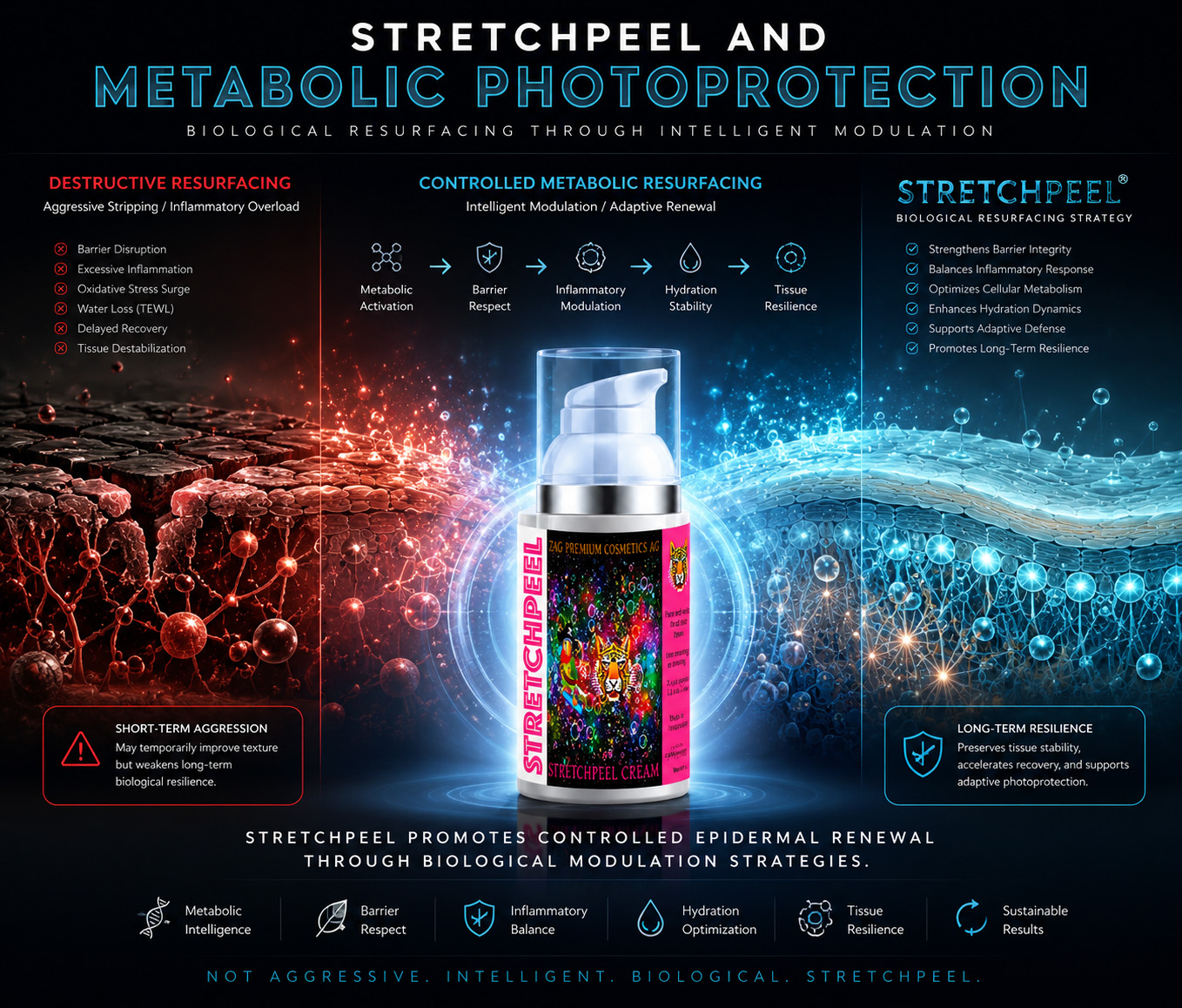
Biological photoprotection forms part of the bridge between recovery and maintenance, helping avoid the concept that every future change requires another corrective intervention.
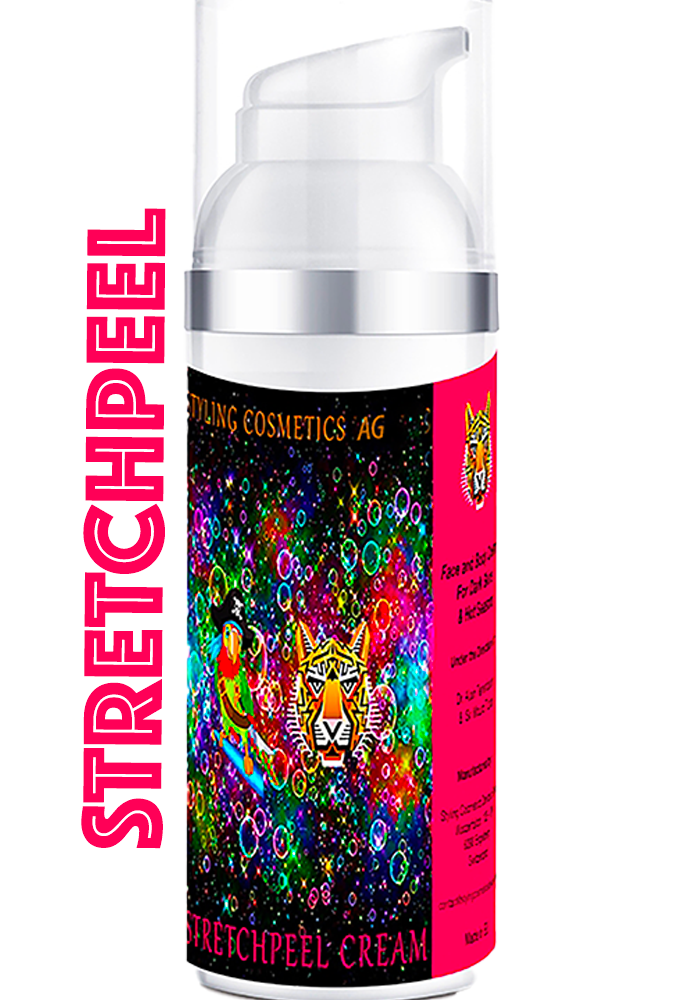
Within this body peeling pathway, StretchPeel occupies the biological photoprotection phase. Its role is positioned within the continuing management of skin exposed to UVA and UVB, while remaining consistent with an alcohol-free maintenance strategy.
The clinical objective is continuity: correction should evolve into recovery, and recovery should evolve into protection and maintenance.
Barrier recovery focuses on water retention, barrier function and the transition toward a stable post-correction state.
Biological photoprotection extends the strategy beyond recovery by integrating subsequent environmental exposure into long-term management.
The end of the corrective phase should not mark the end of the treatment strategy. Once the skin has entered recovery, biological photoprotection contributes to a broader maintenance plan designed to preserve the achieved condition over time.
Body peeling cannot be reduced to one protocol applied over different surfaces. The anatomical area itself is a treatment variable: thickness, friction, exposure, pigmentation pattern, surface condition and recovery environment all influence the clinical strategy.
These areas may present with a more resistant surface, visible roughness and superficial hyperkeratinization. When clinically indicated, they are among the body areas in which mechanical preparation may have a rational role before corrective treatment.
Larger surfaces require attention not only to the indication but also to treated surface area, homogeneity of application and recovery capacity. A strategy suitable for a small localized area should not automatically be extrapolated to a broad body surface.
In exposed areas, the strategy must integrate the clinical indication with the skin's continuing environmental context. Correction should therefore be linked from the beginning to barrier recovery, biological photoprotection and maintenance.
Axillary pigmentation should not automatically be interpreted as hyperkeratinization. The presence of pigment alone does not justify mechanical abrasion. Friction, surface condition and local tolerance must determine whether preparation is required and how correction is adapted.
The bikini and groin line require a more selective approach than resistant hyperkeratinized areas. Treatment should be based on site, pigmentation pattern, friction and actual surface condition, rather than importing an elbow or knee protocol into a different anatomical environment.
External intimate and perianal pigmentation should be treated as specialized clinical indications, not as conventional extensions of body peeling. The preparation, corrective intensity and recovery strategy used elsewhere on the body should not be inherited automatically.
Mechanical surface preparation may be clinically rational when actual roughness, thickening or superficial hyperkeratinization is present.
Pigmentation alone is not an indication for abrasion. Anatomical site and surface condition determine whether preparation should be used, adapted or omitted.
External intimate and perianal areas have their own anatomical and clinical context. They should therefore be evaluated through dedicated protocols rather than treated as another resistant body surface.
This distinction is especially important when pigmentation is the primary concern: the objective is not to increase treatment intensity simply because the area appears darker.
Body peeling results should be interpreted as a clinical evolution rather than a single endpoint. Some surface changes may be perceptible immediately, while corrective, pigmentary and biological responses may evolve progressively through recovery, stabilization and maintenance.
When mechanical preparation is clinically indicated, changes in surface smoothness and tactile quality may be perceptible immediately. This should be distinguished from the subsequent corrective response.
Texture, tone and other indication-specific changes may evolve during the period following treatment. The course depends on area, indication, pathway and treatment intensity.
Once correction has occurred, the objective changes. The clinician evaluates whether the response should be stabilized rather than immediately re-corrected.
Long-term strategy focuses on preserving the acquired condition through appropriate recovery, biological protection and indication-specific maintenance.
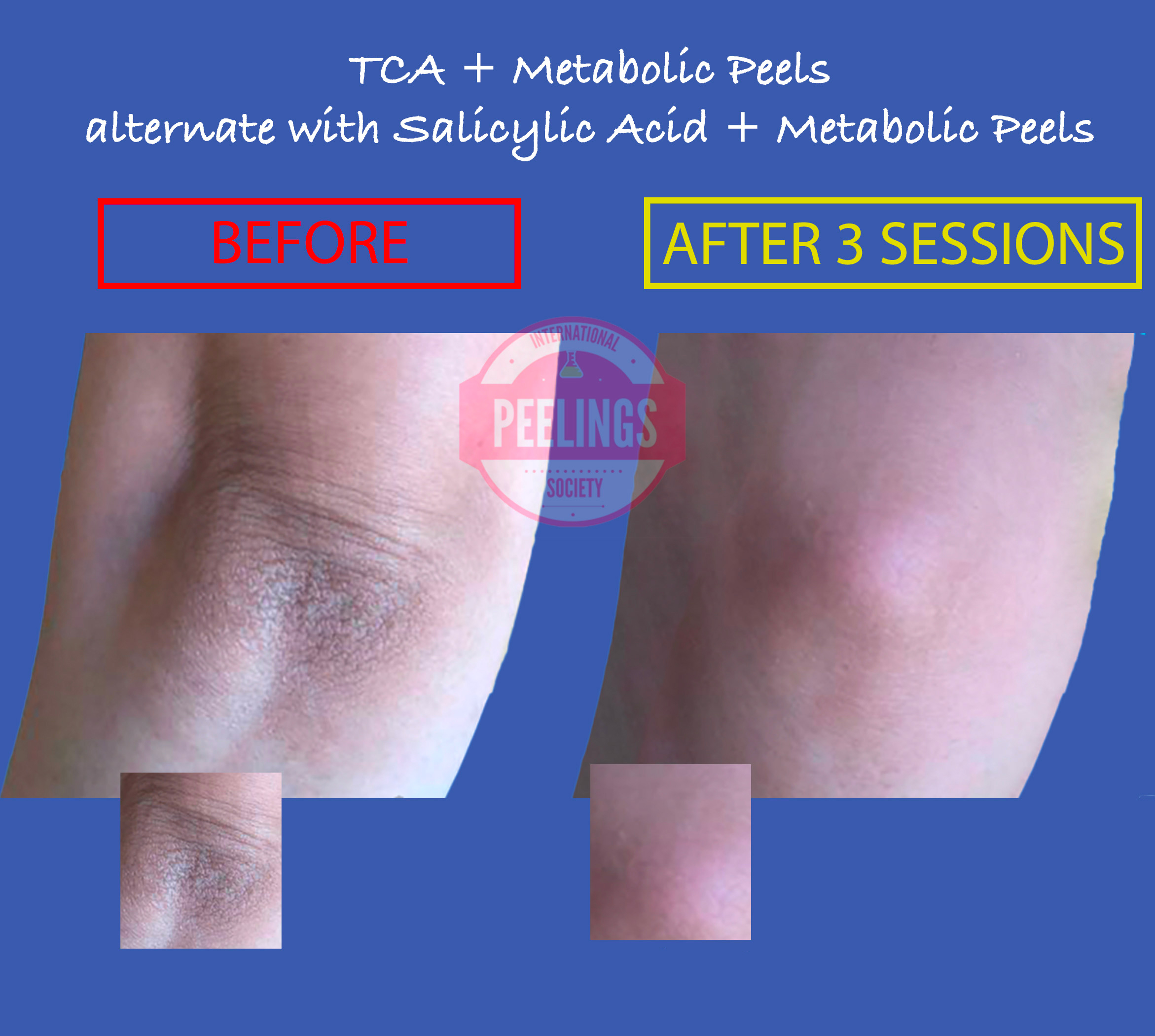
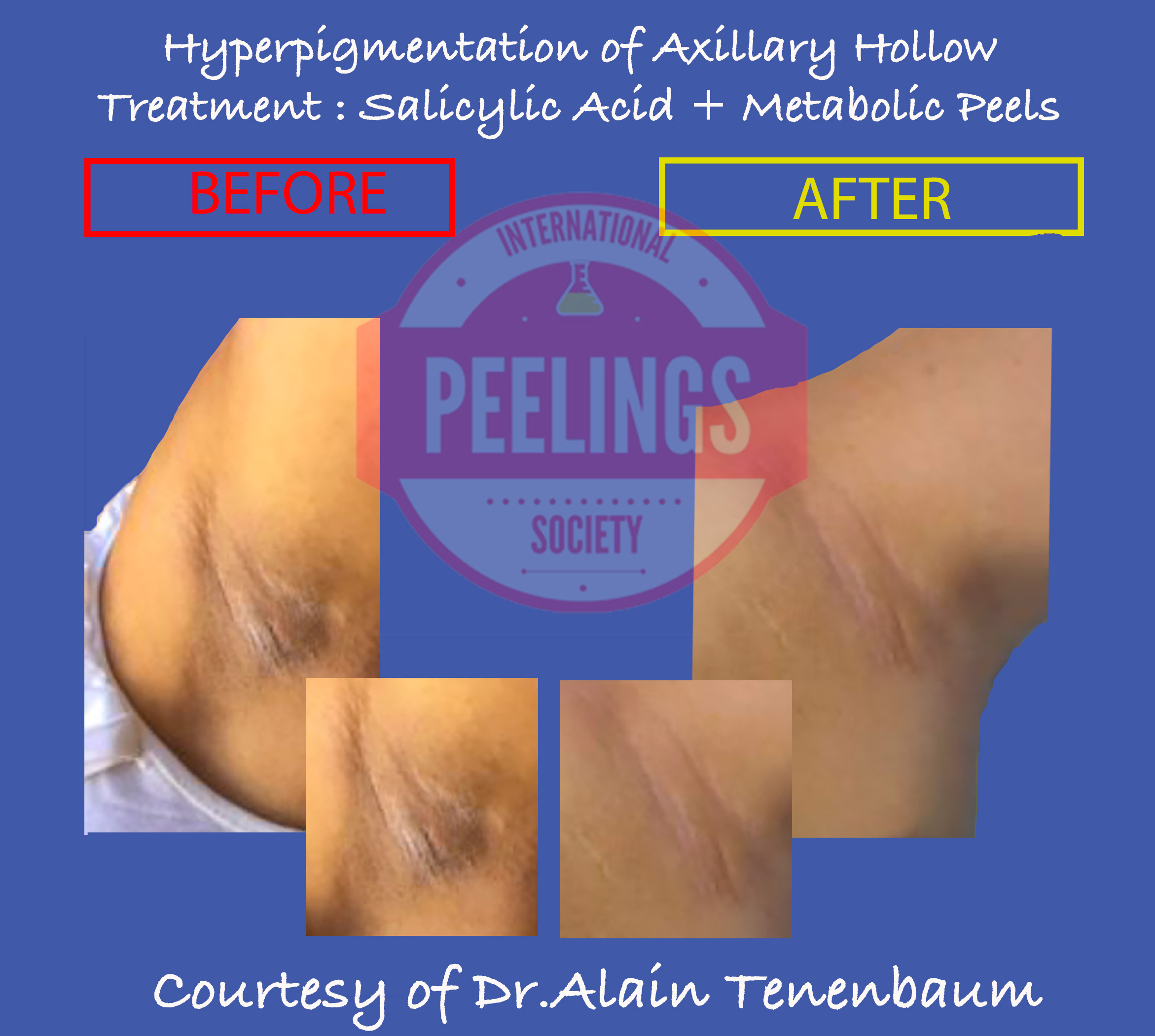
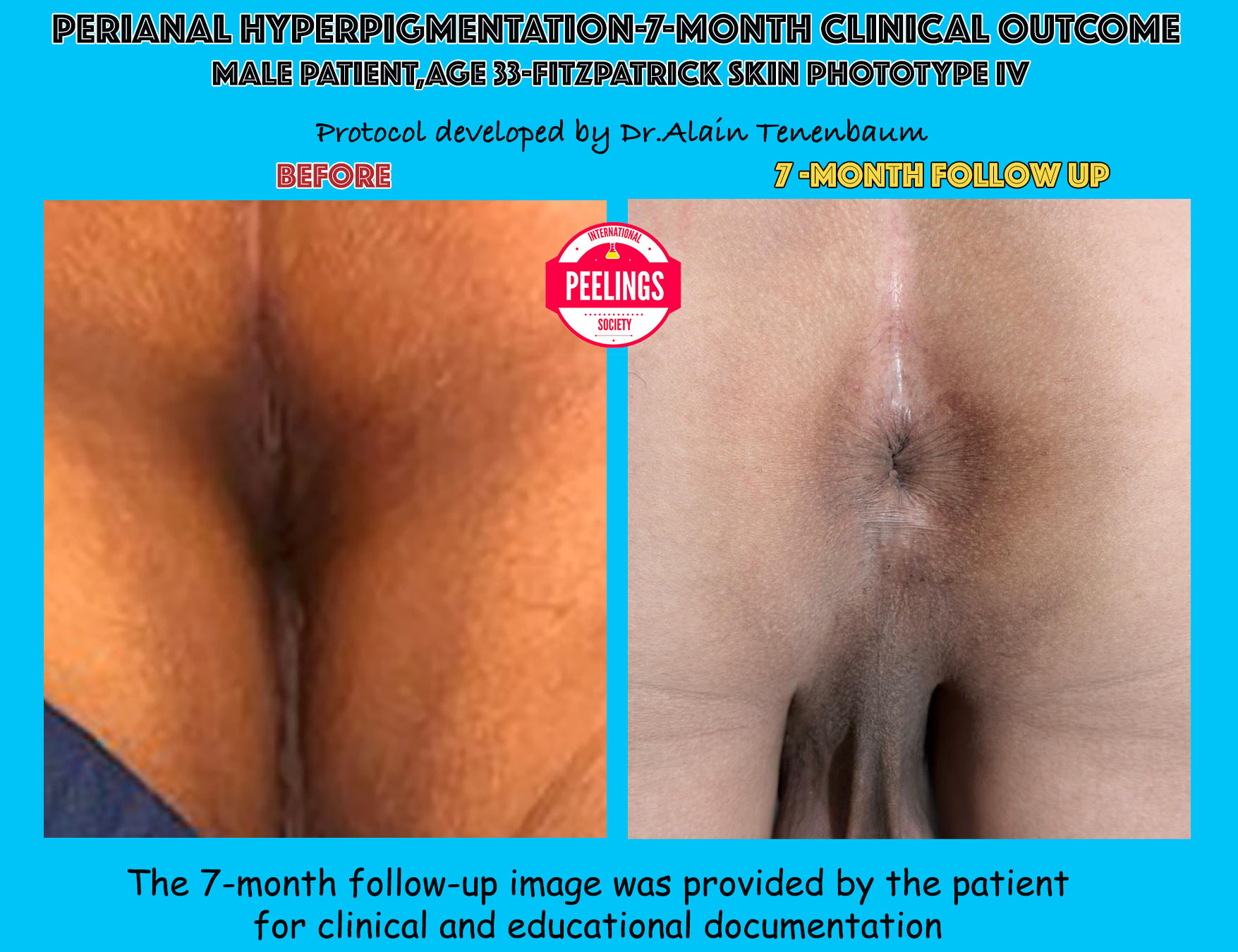
These examples illustrate why body peeling outcomes should be interpreted according to the anatomical area and the clinical problem being treated.
+
Resistant areas such as the elbow may combine surface roughness, thickening and pigmentary change. Result assessment should therefore distinguish surface refinement from pigmentary evolution.
+
Axillary outcomes illustrate a different treatment logic: pigmentation is the principal concern and mechanical preparation should not be assumed simply because the area appears darker.
+
Exposed body areas connect correction directly with the subsequent recovery and maintenance strategy. Clinical assessment may include tone, texture, radiance and signs associated with environmental exposure.
+
This specialized example demonstrates why some outcomes must be evaluated over a longer course. Intimate and perianal areas follow dedicated clinical protocols and should not be interpreted as conventional body peeling surfaces.
Most relevant when roughness, superficial thickening or irregular surface texture formed part of the initial indication.
Depending on indication and area, treatment may target uneven tone, dullness, pigmentary irregularity or loss of radiance.
The objective after correction is not indefinite treatment escalation, but progression toward stabilization and maintenance.
The number of treatments and the interval between interventions cannot be reduced to one universal body peeling schedule. Treatment course depends on the anatomical area, initial condition, selected corrective pathway, biological response, recovery and the clinical objective. Retreatment should follow reassessment — not the calendar alone.
Safe body peeling depends on more than the product selected. Anatomical area, surface condition, treated surface, corrective pathway and recovery capacity must all be considered before deciding whether to treat, adapt or postpone.
Elbows, hands, axillae, large body surfaces and specialized intimate areas do not share identical characteristics. Area modifies treatment strategy.
Roughness, hyperkeratinization, pigmentation and sensitivity represent different clinical problems. They should not automatically receive the same preparation.
Metabolic strategies, salicylic acid and TCA have different clinical logics. Selection should follow indication rather than a generic body-peel recipe.
A treatment applied to a small localized area cannot automatically be extrapolated to a broad body surface. Total treated area matters.
Concentration is only one variable. Application conditions, anatomy, surface state and the intended clinical endpoint also influence treatment intensity.
Correction should only be planned when an appropriate barrier recovery and maintenance pathway can also be supported.
A visible or stronger tissue response should not become the objective in itself. The clinically relevant question is whether the selected intervention is appropriate for the specific indication and anatomical area.
Escalating preparation, acid concentration or treatment frequency without reassessment may increase biological burden without necessarily improving the clinical strategy.
Product categories should not be treated as interchangeable methods for producing progressively stronger peeling.
Metabolic correction belongs to an indication-driven biological pathway. Its selection should remain integrated with recovery, stabilization and maintenance rather than being evaluated only by visible peeling intensity.
Salicylic acid should be selected according to its intended clinical role and the area treated. Concentration, surface extent, anatomy and local condition must remain part of the safety assessment.
TCA is not one uniform treatment. Clinical behavior changes with concentration and application context. The selected strategy must remain compatible with the area, indication and intended endpoint.
The numerical concentration should never be interpreted in isolation. Anatomical area, surface condition, application conditions and intended treatment intensity remain essential parts of clinical selection.
Proceed when the indication is clear, the anatomical area has been assessed, the selected pathway is appropriate and recovery can be planned coherently.
Modify preparation, corrective intensity, treated surface or sequencing when the local anatomy or surface condition requires a more selective strategy.
Delay treatment when the skin condition does not permit predictable correction and recovery, or when the clinical problem has not yet been adequately defined.
External intimate and perianal areas require dedicated anatomical assessment and dedicated clinical protocols. They should not automatically inherit the mechanical preparation or corrective intensity used for resistant areas such as elbows, knees or heels.
Pigmentation in these areas is not, by itself, an indication to increase treatment intensity.
The period after body peeling should not be reduced to a universal Day 1–7 schedule. The post-treatment course depends on what was treated, where it was treated, which corrective pathway was used and how the skin responds biologically.
Recovery is better understood as a sequence of clinical phases than as a rigid series of predetermined days.
Evaluate the immediate surface response and confirm that it remains compatible with the planned clinical endpoint and the anatomical area treated.
The skin enters a treatment-dependent recovery period. Observation should focus on whether the evolution remains coherent with the intervention performed.
As the corrective phase recedes, attention shifts toward water retention, barrier integrity and functional stability rather than further correction.
Once biological stability is established, the strategy can progressively move from recovery toward protection and long-term maintenance.
Recovery should remain proportional to the biological intervention actually performed rather than being standardized for every body peel.
When treatment is principally mechanical or produces limited biological disruption, the post-treatment course may be dominated by immediate surface refinement followed by preservation of skin comfort and stability.
Following metabolic correction, visible surface appearance should not be the sole criterion of evolution. The treatment course should be interpreted through progressive biological response, recovery and stabilization.
After an acid-based corrective pathway, recovery must be interpreted according to concentration, anatomical area, treated surface and intended intensity. One fixed post-treatment timetable cannot represent every acid strategy.
A predetermined number of days should not automatically trigger another corrective intervention. Before changing, intensifying or repeating treatment, determine what phase the skin has actually reached.
Body peeling sits within a wider clinical framework. Use these resources to move from the general body strategy toward specific indications, specialized anatomical protocols, product selection and the biological science of recovery.

Clinical Guide
Move from clinical indication to product role and identify where preparation, correction, recovery and maintenance products fit within the treatment pathway.
Explore Selection Matrix
Clinical Science
Explore the metabolic pathway as an alternative clinical logic to conventional injury-driven peeling and understand its place within progressive biological correction.
Explore Metabolic Peels
Recovery Science
Understand why the recovery phase is biologically active and how barrier function, water balance and tissue stability connect correction with longer-term clinical stability.
Explore Barrier Recovery
Biological Protection
Extend the treatment pathway beyond correction and recovery by integrating biological photoprotection into the maintenance strategy of environmentally exposed body areas.
Explore Photoprotection
Specialized Protocol
Review the dedicated anatomical and clinical pathway for perianal treatment rather than extrapolating a conventional body peeling protocol to this specialized area.
Explore Perianal Protocol
Core Science
Examine the relationship between transepidermal water loss, hydration retention and tissue stability during the post-treatment recovery phase.
Explore TEWL ScienceThis Body Peeling page defines the overall clinical architecture. The resources above should be used when a more specific question requires deeper information on product selection, corrective mechanisms, recovery biology or specialized anatomy.
In other words, the reference pathway remains simple:
Body peeling is not one treatment applied to different anatomical sites. These questions summarize the key decisions linking assessment, preparation, correction, recovery and maintenance.
No. Body skin must be approached according to the anatomical area, surface condition, clinical indication, environmental exposure and expected recovery. A strategy suitable for one body site should not automatically be transferred to another.
Body peeling is therefore better understood as an integrated pathway combining preparation when indicated, corrective treatment, barrier recovery and maintenance.
No. Mechanical preparation is particularly relevant when roughness, superficial hyperkeratinization or a thickened surface justifies it. It should not become an automatic preliminary step for every indication.
Pigmentation alone, for example, does not establish that mechanical abrasion is necessary. The surface must first be clinically assessed.
No. Hyperpigmentation and hyperkeratinization are not equivalent clinical findings. Pigmentation may coexist with surface thickening, but one should not be inferred from the other.
In friction-prone or anatomically sensitive areas, increasing preparation or corrective intensity simply because pigmentation is present may be inappropriate.
They represent different corrective pathways, not interchangeable levels of the same peel. Selection depends on the clinical objective, anatomical area, surface condition and intended treatment strategy.
Metabolic correction follows a biological and progressive logic; salicylic acid provides a keratolytic/lipophilic pathway for selected indications; TCA provides a controlled chemical pathway whose behavior depends on concentration and treatment context.
No. TCA concentration is only one component of the treatment strategy. Anatomy, surface condition, application conditions, treated surface and intended clinical endpoint must also be considered.
A more intense tissue response is not automatically a more appropriate clinical response. The objective is controlled correction compatible with predictable recovery.
No. Recovery depends on the intervention performed, anatomical area, corrective intensity, treated surface and individual clinical evolution.
A mechanical surface intervention, a metabolic strategy and an acid-based corrective pathway should not be expected to follow an identical timetable. Recovery is therefore better evaluated biologically than by calendar alone.
These areas should be considered specialized anatomical treatment zones. A protocol used for resistant or hyperkeratinized body areas such as elbows, knees or heels should not automatically be extrapolated to external intimate or perianal skin.
Dedicated assessment and dedicated clinical pathways are preferable for these areas.
Retreatment should follow clinical reassessment rather than a predetermined date alone. The previous response, degree of correction, barrier recovery and current treatment objective should be evaluated before renewed correction is considered.
Once the desired correction has been achieved, the strategy may appropriately remain in stabilization and maintenance rather than repeatedly returning to corrective treatment.
A rational body peeling strategy is built around clinical indication, anatomical area and biological response — not around a single product, acid concentration or predetermined peeling intensity.
The entire Body Peeling strategy can be summarized as one continuous clinical sequence.
Identify the anatomical area, indication, surface condition and treatment objective before selecting a procedure.
Mechanical preparation has a role when surface roughness or hyperkeratinization justifies it. It is not mandatory for every body peel.
Choose between an appropriate metabolic, salicylic acid or TCA pathway according to indication, anatomy and intended response.
After correction, the clinical priority moves toward barrier function, water retention and tissue stability rather than immediate repetition.
Determine whether correction has achieved its objective and whether the skin has progressed toward functional biological stability.
Once the desired response has been obtained, move toward biological protection and maintenance rather than automatically restarting correction.
Pigmentation does not automatically justify mechanical abrasion or greater corrective intensity.
Treatment intensity should follow the clinical objective and anatomical context — not the desire for a stronger visible reaction.
Retreatment should follow clinical reassessment. A calendar alone should not determine when correction is repeated.
The clinical objective is not to select the strongest peel. It is to select the right sequence of preparation, correction, recovery and maintenance for the individual indication and anatomical area.
Start with the indication and identify where each product belongs within preparation, correction, recovery and maintenance.
Open Selection MatrixReview the available peeling, preparation, recovery and maintenance products within the wider clinical treatment ecosystem.
Explore Products