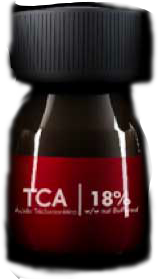
TCA 18% professional peel liquid or gel
Professional High-Purity TCA

TCA18 Liquid or Gel

TCA 18% w/w is a professional trichloroacetic acid peel formulated to deliver a strong and controlled epidermal response under expert protocols. Its concentration provides a clearly visible biological impact while remaining within a fully manageable clinical framework.

Unlike lower concentrations, TCA18 generates a more active exfoliative dynamic, making it a preferred choice when a significant epidermal renewal is required without moving into deeper aggressive peeling ranges.

Clinical positioning: intense but controlled epidermal desquamation, designed for experienced practitioners seeking precision, predictability, and visible skin transformation without the instability associated with higher concentrations such as TCA 30%.
18% w/w ≈ 20% w/v (US equivalent) Liquid & Gel Intense Desquamation High-Purity Non-Buffered Professional Use Only All Phototypes*

*Use on all phototypes requires appropriate professional evaluation and protocol adaptation.

Intense Desquamation
Register as a Professional

Access to purchase is restricted to qualified professionals with validated clinical access.
Top quality Swiss made

Why TCA18?

TCA18 occupies a critical position within professional peeling strategies. It is not a mild exfoliation agent, nor an aggressive deep peel. It represents a controlled high-impact epidermal intervention where intensity, predictability, and precision must be balanced under experienced hands.

More Active Than Low Concentrations

Compared to TCA 8–15%, TCA18 produces a significantly more visible epidermal response, making it suitable when superficial peels are no longer sufficient to achieve clinically relevant skin renewal.

Controlled vs High Concentrations

Unlike TCA 30% and above, TCA18 allows a strong epidermal action without entering unstable or highly aggressive ranges. It offers a safer operational window while maintaining meaningful clinical impact.

Precision-Driven Application

When combined with a high-purity formulation and optional gel control, TCA18 becomes a precision tool rather than a simple peeling agent, allowing refined placement and controlled intensity.

Position Within the TCA Range
TCA 8%
10%
12%
15%
18%
30%

TCA18 stands at the intersection between efficacy and control. It is chosen when practitioners require a clear and visible epidermal transformation, yet still demand precision, predictability, and protocol stability — especially when working on defined areas or managing transition zones.

Liquid or Gel — Two Clinical Approaches

TCA18 is available in both liquid and gel formulations, not as a cosmetic variation, but as two distinct clinical tools. The choice between them determines the level of control, precision, and strategic flexibility during application.

Liquid Formulation

The liquid version allows homogeneous distribution and is typically used when a uniform epidermal response is desired across a broader treatment area.

  • Fluid spreading behavior
  • Suitable for larger zones
  • Progressive and continuous application
  • Classical peeling approach

Gel Formulation

The gel formulation transforms TCA18 into a precision instrument, allowing exact placement and controlled localization of the acid on selected areas.

  • High positional control
  • Reduced lateral diffusion
  • Targeted application zones
  • Removable if required during procedure

Clinical advantage: the gel formulation allows refined management of transition zones between treated and untreated skin. This level of control helps reduce visible demarcation and supports more precise aesthetic outcomes in experienced hands.

Purity Defines Performance

The clinical behavior of trichloroacetic acid is not determined by concentration alone. It is fundamentally influenced by chemical purity, ionic contamination, and formulation integrity. These parameters directly impact predictability, skin response, and pigment stability.

99.9% Pure Crystals

TCA18 is prepared from highly purified trichloroacetic acid crystals, ensuring a clean and consistent chemical profile. This level of purity supports reproducible clinical behavior and minimizes unwanted variability.

Demineralized Water Only

The dilution process uses strictly demineralized water, eliminating the presence of extraneous ions that may interfere with the acid’s activity or alter its interaction with the skin.

Non-Buffered Formulation

Unlike buffered or neutralized systems, this formulation preserves the intrinsic chemical behavior of TCA, allowing a direct and uncompromised interaction with epidermal proteins.

Critical point: residual cations, anions, or buffering systems may alter the intrinsic chemical behavior of trichloroacetic acid. These modifications can affect the expected protein coagulation dynamics and contribute to less predictable clinical responses.

In particular, buffered formulations may reduce the clarity and sharpness of the chemical reaction, and in certain contexts, have been associated with increased variability in pigment response, including a higher risk of post-inflammatory pigment rebound.

Understanding the formulation is only the first step. The real clinical difference lies in how trichloroacetic acid behaves at a molecular level during skin interaction.

Understanding TCA Beyond Concentration

The clinical performance of trichloroacetic acid cannot be reduced to concentration alone. It depends on dynamic chemical interactions occurring at the interface between the acid and epidermal proteins. Understanding these mechanisms allows a more precise and controlled clinical use.

Protein Coagulation Kinetics

The action of TCA is based on rapid protein coagulation within the epidermis. This process is not binary, but kinetic: it depends on how quickly and uniformly the acid interacts with skin proteins.

A clean, non-interfered formulation produces a sharper and more homogeneous coagulation front, resulting in a more predictable clinical endpoint.

pH vs Effective Acidity

The nominal pH of a solution does not fully reflect its biological activity. What matters is the effective availability of active acid species at the skin interface.

Buffering systems may alter this availability, creating a discrepancy between theoretical acidity and actual clinical behavior.

Ionic Interference

The presence of residual ions (cations or anions) can interfere with the acid–protein interaction. These elements may modify diffusion patterns, alter coagulation dynamics, and introduce variability in the skin response.

Eliminating ionic contaminants contributes to a cleaner and more controlled reaction.

Reaction Clarity vs Buffered Diffusion

In a non-buffered system, the chemical reaction tends to be sharper, more localized, and more readable clinically.

Buffered formulations may induce a more diffuse and less defined reaction pattern, potentially reducing precision and increasing variability in outcomes, particularly in sensitive or pigment-prone areas.

The difference between a standard peel and a high-purity, non-buffered TCA formulation lies in the clarity of the chemical reaction. Greater clarity leads to greater predictability — and predictability is the foundation of controlled clinical results.

Clinical Indications

TCA18 is used in professional settings when a visible and controlled epidermal renewal is required. Its intensity makes it suitable for indications where lighter superficial peels are insufficient to achieve clinically relevant improvement.

Photoaging & Skin Aging

Visible signs of skin aging including fine lines, early wrinkles, and loss of epidermal vitality. TCA18 supports a more active resurfacing dynamic compared to low-strength exfoliants.

Targets: fine lines, early wrinkles, dull skin, loss of radiance

Uneven Skin Tone & Pigmentation

Irregular skin tone, superficial pigmentation contrast, and dull complexion. Its controlled epidermal action contributes to a more uniform visual appearance.

Targets: uneven tone, superficial hyperpigmentation, dull complexion

Superficial Texture Irregularities

Rough skin surface, enlarged pores appearance, and uneven epidermal texture. The induced desquamation promotes smoother and more regular skin.

Targets: rough skin, enlarged pores, uneven texture

Acne-Prone & Post-Acne Skin

Selected acne-prone skin profiles and superficial post-acne irregularities. May be integrated into protocols aimed at improving skin clarity and homogeneity.

Targets: acne-prone skin, superficial acne marks, skin irregularities

Due to its intensity, TCA18 is typically selected when practitioners require a clearly visible epidermal transformation while maintaining control over the depth and distribution of the chemical action.

Due to its controlled yet intense epidermal action, TCA18 may be considered across all phototypes when used under appropriate professional protocols and adaptation strategies.

Protocol Support & Complementary Products

TCA18 is best integrated into a broader professional treatment environment. Skin preparation, epidermal balance, and transition management all contribute to cleaner clinical execution and more controlled aesthetic outcomes.

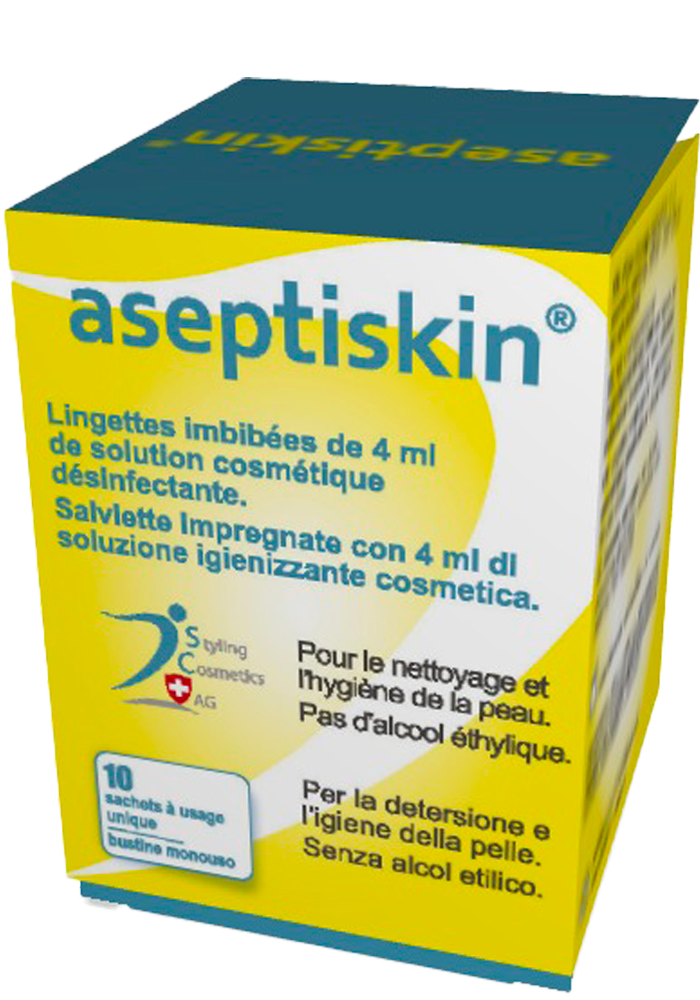
Aseptiskin professional preparation

Aseptiskin

Before Application

Aseptiskin may be used before TCA18 as part of professional skin preparation. Its role is to support clean surface preparation without introducing unnecessary formulation interference prior to acid placement.

Targets: skin preparation, clean surface, protocol readiness
Explore Aseptiskin
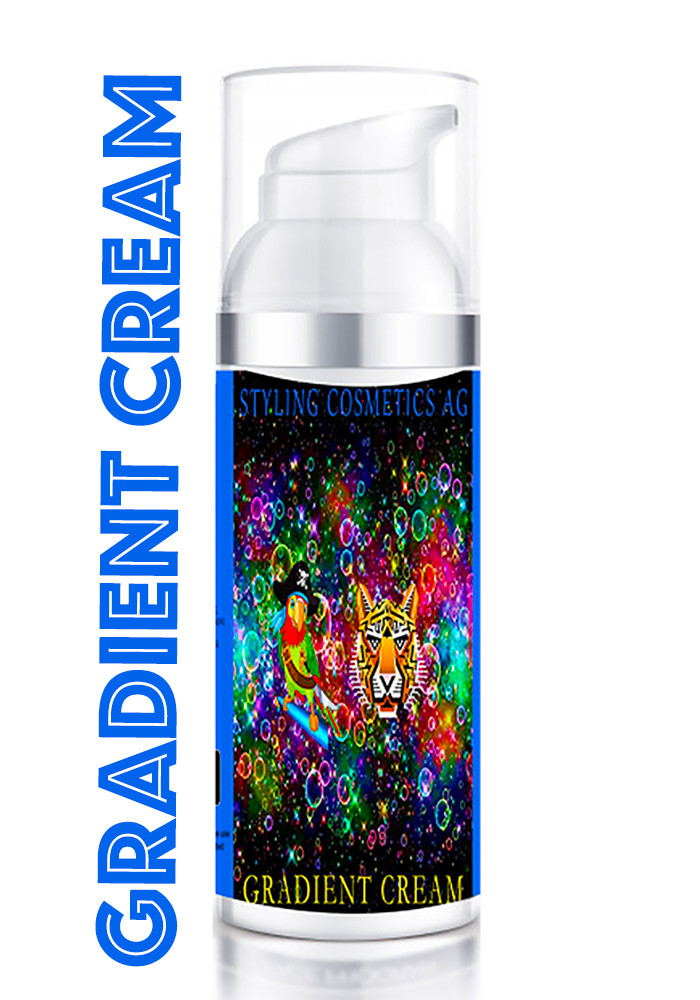
Gradient Cream professional epidermal support

Gradient Cream

After Exfoliation

Gradient Cream may be integrated after professional exfoliative procedures to help maintain epidermal comfort, support visible skin balance, and assist recovery between sessions.

Targets: epidermal comfort, skin balance, post-peel support
Explore Gradient Cream
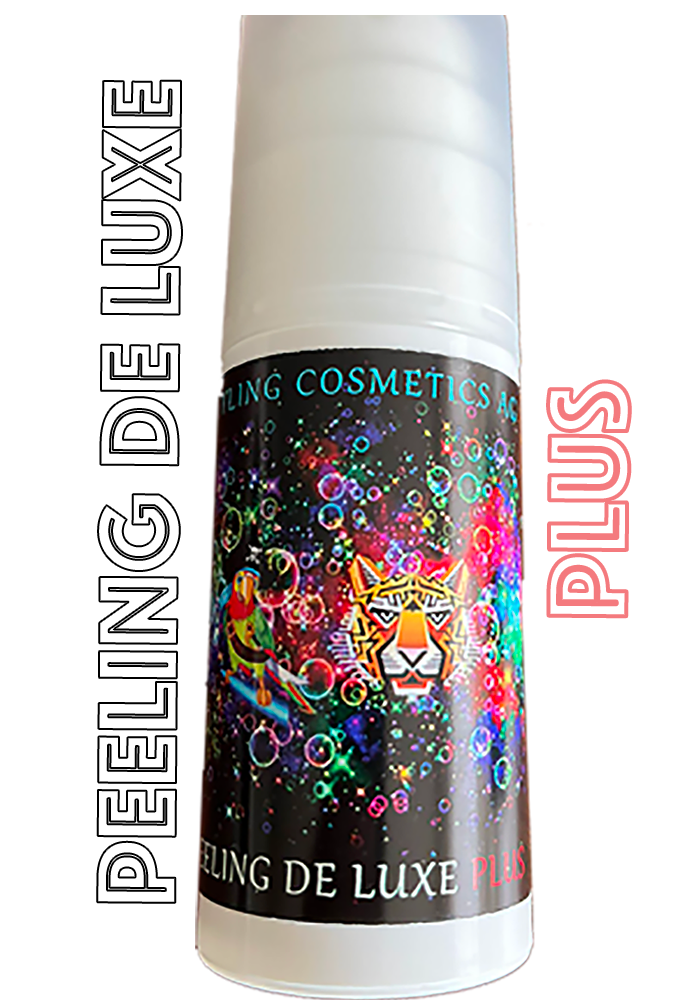
Peeling de Luxe Plus transition management support

Peeling de Luxe Plus

Advanced Control

In advanced professional strategies, Peeling de Luxe Plus may be considered when transition zones require more refined visual management, particularly where differential treatment intensity may increase the risk of visible demarcation.

Targets: transition zones, delimitation control, advanced protocol logic
Explore Peeling de Luxe Plus

Professional insight: the quality of a TCA procedure is not determined by acid concentration alone. Preparation quality, post-exfoliation support, and transition-zone management all influence clinical readability, visual regularity, and overall treatment control.

Related Clinical Protocols

TCA18 may be integrated into selected professional pathways where controlled, high-purity epidermal resurfacing is required. Explore related treatment environments in which precision, transition management, and visible exfoliative activity play a relevant role.

Clinical Texture

Acne Scars Protocol

Explore selected clinical approaches for superficial textural irregularities and post-acne surface alteration where controlled exfoliative activity may be relevant.

Targets: superficial acne marks, uneven texture, epidermal irregularities
Explore Protocol
Advanced Resurfacing

Advanced Acne Scars

Review more advanced protocol environments where stronger clinical logic, area precision, and staged resurfacing strategies may be considered.

Targets: advanced acne scarring, mixed texture patterns, complex resurfacing
Explore Protocol
Pigment Strategy

Melasma Protocol

Discover how controlled TCA-based logic may interact with pigment-focused strategies when precision, delimitation, and rebound prevention are critical.

Targets: melasma logic, pigment contrast, controlled delimitation
Explore Protocol
Tone Correction

Hyperpigmentation Protocol

Access broader pigment-related treatment pathways where epidermal renewal and clinical transition control contribute to more even visual outcomes.

Targets: uneven pigmentation, dyschromia, superficial hyperchromia
Explore Protocol
Targeted Indications

Perianal Hyperpigmentation Protocol

Review selected targeted indications where localized control, exact placement, and careful visual transition management are especially important.

Targets: localized hyperpigmentation, transition zones, precise application
Explore Protocol

Clinical orientation: these protocol destinations help position TCA18 within a broader professional treatment logic, where formulation quality, placement accuracy, and controlled epidermal activity are part of the same clinical strategy.

TCA18 Mini FAQ

Key practical points about formulation, intensity, access, and clinical positioning of TCA18 for professional users.

Is TCA18 available in both liquid and gel?

Yes. TCA18 is available in both liquid and gel formulation. The liquid version is suitable for more homogeneous application patterns, while the gel version offers higher positional control and more precise localization on selected treatment areas.

How intense is the desquamation with TCA18?

TCA18 is positioned as a strong but controlled professional peel. Its desquamation profile is typically more intense than lower TCA concentrations, while remaining below the more aggressive behavior expected from higher strengths such as TCA30.

What makes this TCA formulation different?

This formulation is based on 99.9% pure trichloroacetic acid crystals, diluted with demineralized water only, and kept non-buffered. This approach supports a cleaner chemical reaction, fewer interfering variables, and greater clinical predictability.

Why is the gel version important in professional use?

The gel version allows more exact placement and better visual control during application. In selected professional contexts, it may also help refine transition-zone management and reduce the risk of visible demarcation between treated and untreated skin.

Can anyone purchase TCA18 directly?

No. Access to purchase is restricted to registered professionals. Users must log in or register through the professional access page before protected ordering options become available.

Professional Access Required

Access TCA18 in Liquid or Gel

TCA18 is a high-purity professional trichloroacetic acid formulation designed for practitioners seeking strong yet controlled epidermal activity, precise placement options, and a clinically readable response across a broad range of treatment contexts.

18% w/w Liquid & Gel Intense Desquamation All Phototypes* 99.9% Pure Crystals Non-Buffered Formula

Professional Registration

Access to protected ordering options is reserved to registered professionals. Use the professional login and registration page to request access according to your clinical profile.

Choose the Right Form

Select the liquid formulation when broader homogeneous application is preferred, or the gel version when exact placement, localized control, and refined transition management are required.

*Use on all phototypes requires appropriate professional evaluation, indication selection, and protocol adaptation. Product access remains restricted to qualified professional users.

Strategic Clinical Summary

TCA18 represents a controlled high-impact epidermal intervention, positioned between low-activity superficial peels and more aggressive high-concentration formulations. Its clinical value lies not only in its concentration, but in the purity of its chemical composition, the absence of buffering systems, and the resulting clarity of its interaction with epidermal proteins.

The availability of both liquid and gel formulations transforms its use from a simple exfoliative procedure into a precision-based clinical tool, allowing practitioners to modulate distribution, intensity, and transition zones with a high degree of control.

When used under appropriate professional protocols, TCA18 enables intense yet predictable desquamation across a broad range of indications and phototypes, while maintaining a coherent and readable biological response.

Ultimately, its performance is defined by the combination of chemical integrity, application control, and clinical experience — where predictability becomes the key factor for achieving consistent and refined aesthetic outcomes.

TCA 18% w/w professional chemical peel available in liquid and gel formulation for controlled epidermal resurfacing, intense desquamation, pigmentation-focused strategies, acne scar protocols, and advanced professional peeling applications.

Share this website on your social medias
cream2-eye-contour
pdl-plus
cream-felins
cream-gradient
cream2-microabrasive
cream-ormes-des-sioux
cream-papaya
cream-postpeel
cream-prepeel
cream-rose-du-desert
cream-stretchpeel
cream-peel-superstar
cream2-kosmopeel
cream2-lipoic-acid
cream2-eye-contour
pdl-plus
cream-felins
cream-gradient
cream2-microabrasive
cream-ormes-des-sioux
cream-papaya
cream-postpeel
cream-prepeel
cream-rose-du-desert
cream-stretchpeel
cream-peel-superstar
cream2-kosmopeel
cream2-lipoic-acid