Photoaging is cumulative biological damage, not simply a cosmetic surface problem.
This protocol organizes daily care, metabolic peeling, recovery and long-term maintenance into two clear pathways:
a simple Basic Protocol and a more complete Extended / Expert Protocol.
Basic or Expert
Morning / Evening
Monthly Metabolic Peel
Progressive Maintenance
Anti-Aging Protocol in 30 Seconds
The Entire Logic at a Glance
Start simple. The patient should immediately understand what to do in the morning, what to do in the evening, and what happens once a month.
Every Morning
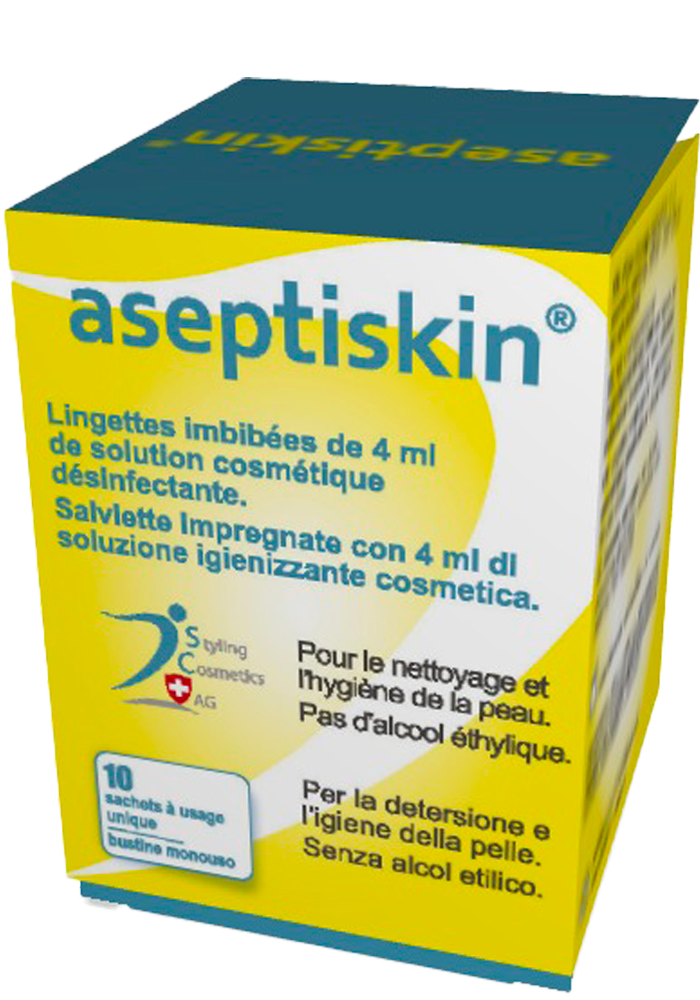
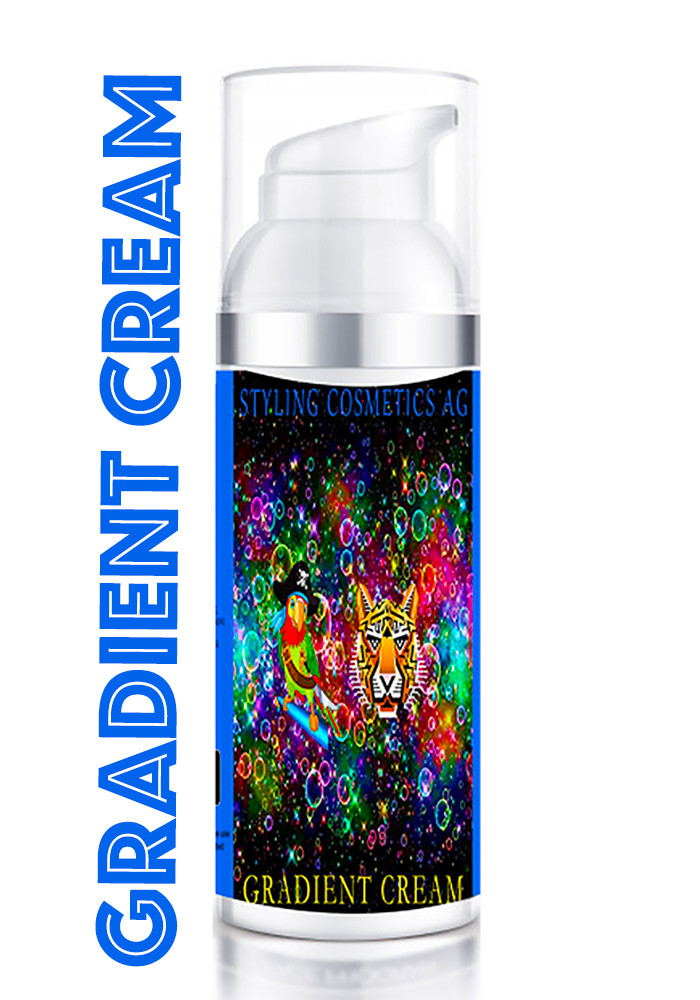
ASEPTISKIN → Gradient Cream
Cleanse first, then apply the daily conditioning cream.
Every Evening
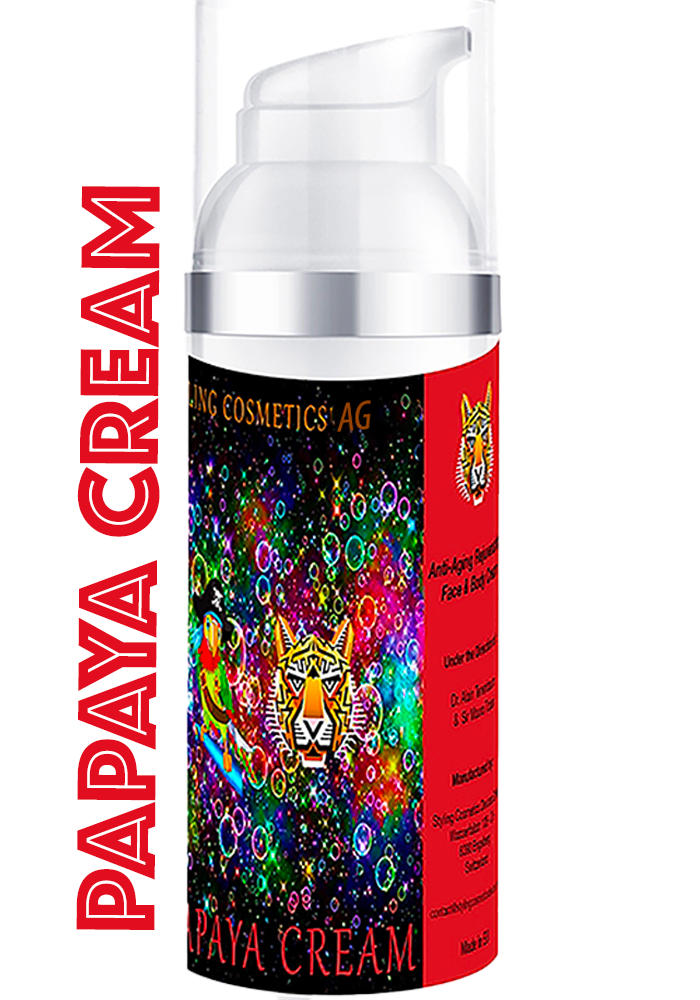
ASEPTISKIN → Papaya Cream
A simple evening routine focused on regularity and progressive epidermal renewal.
Once Monthly — Metabolic Peel
ASEPTISKIN
→
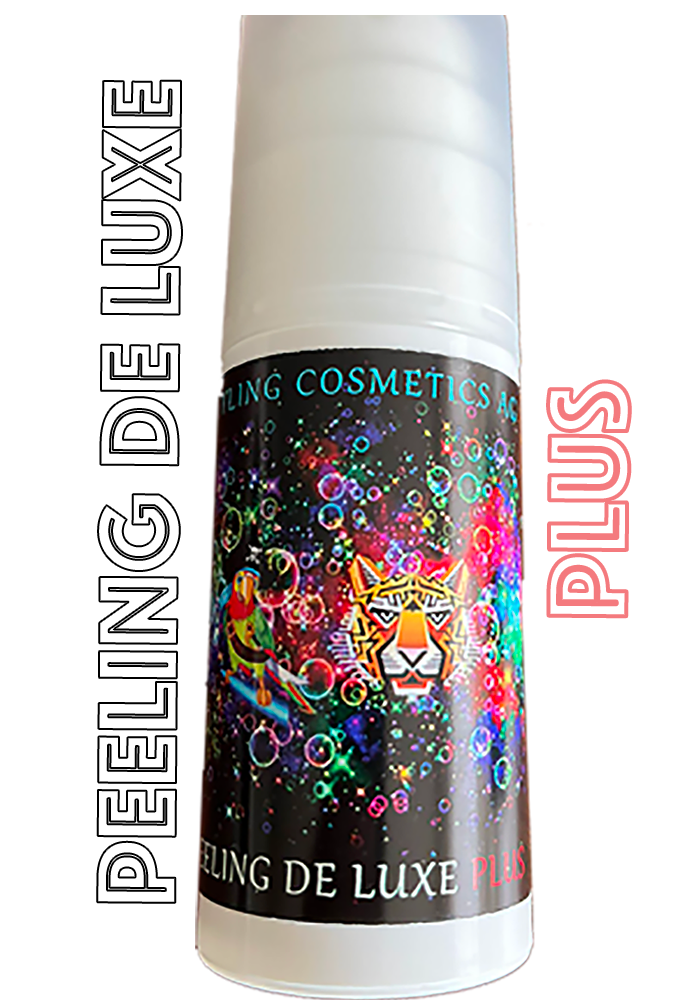
Peeling de Luxe Plus
→
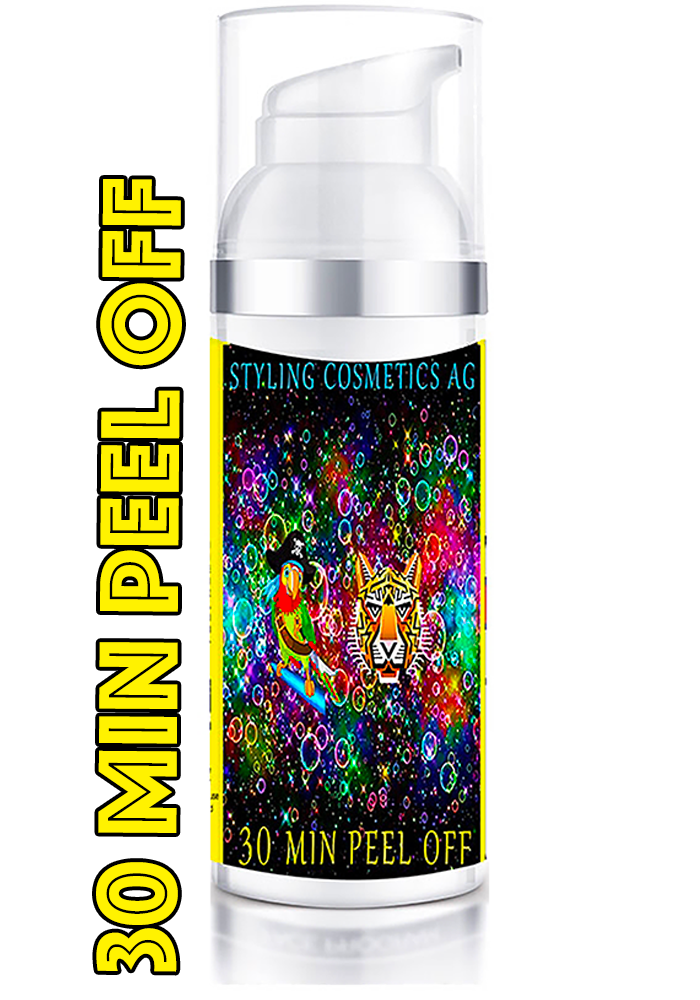
30 Min Peel Off
→
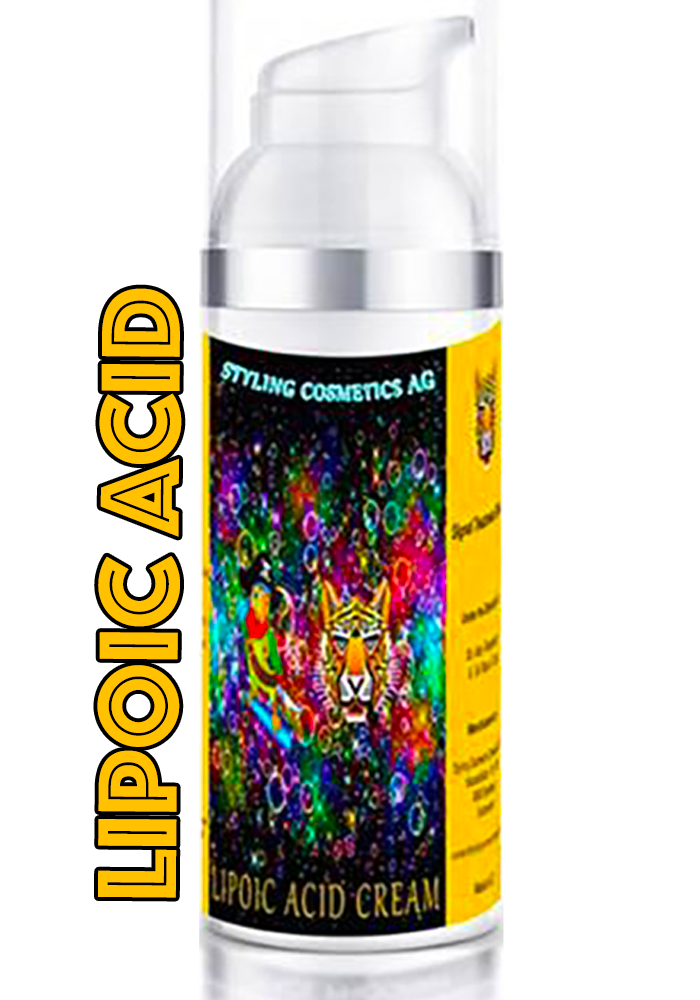
Lipoic Acid Cream
The professional monthly sequence provides the active correction step.
Basic principle: daily consistency + one structured professional metabolic peel.
The more advanced protocol adds targeted products only when the clinical situation justifies them.
Choose Your Photoaging Protocol
Eleven products do not need to be presented as eleven simultaneous obligations.
The protocol is clearer when separated into a Basic pathway and an
Extended / Expert pathway.
Simple / Basic
Essential Routine
Designed for clarity, compliance and a low-complexity daily routine.
Morning
ASEPTISKIN → Gradient Cream
Evening
ASEPTISKIN → Papaya Cream
Monthly
ASEPTISKIN → Peeling de Luxe Plus → 30 Min Peel Off → Lipoic Acid Cream
Extended / Expert
Advanced Routine
Adds pigment regulation, recovery support and a structured post-peel week when clinically appropriate.
Morning
ASEPTISKIN → Gradient Cream → Stretchpeel
Evening
ASEPTISKIN → Les Félins → Stretchpeel or Papaya Cream
Monthly
ASEPTISKIN → Peeling de Luxe Plus → 30 Min Peel Off → Lipoic Acid Cream
7 Nights After Peel
Les Félins → Lipoic Acid Cream
The Basic protocol is not an inferior protocol. It is the shortest coherent route.
The Extended / Expert pathway introduces additional products only when the skin condition, pigment profile and treatment objective justify them.
Professional Active Treatment
Monthly Metabolic Peel — Exact Sequence
The active treatment follows a simple ordered sequence. Duration and intensity remain subject to professional assessment and tissue response.
1
Cleanse
ASEPTISKIN Alcohol-free cleansing before the active sequence.
2
Peeling de Luxe Plus
15 minutes Professional metabolic peel step.
3
30 Min Peel Off
45–60 minutes Controlled epidermal renewal phase.
4
Lipoic Acid Cream
Final application for protocol completion and post-treatment support.
Expert post-peel week:
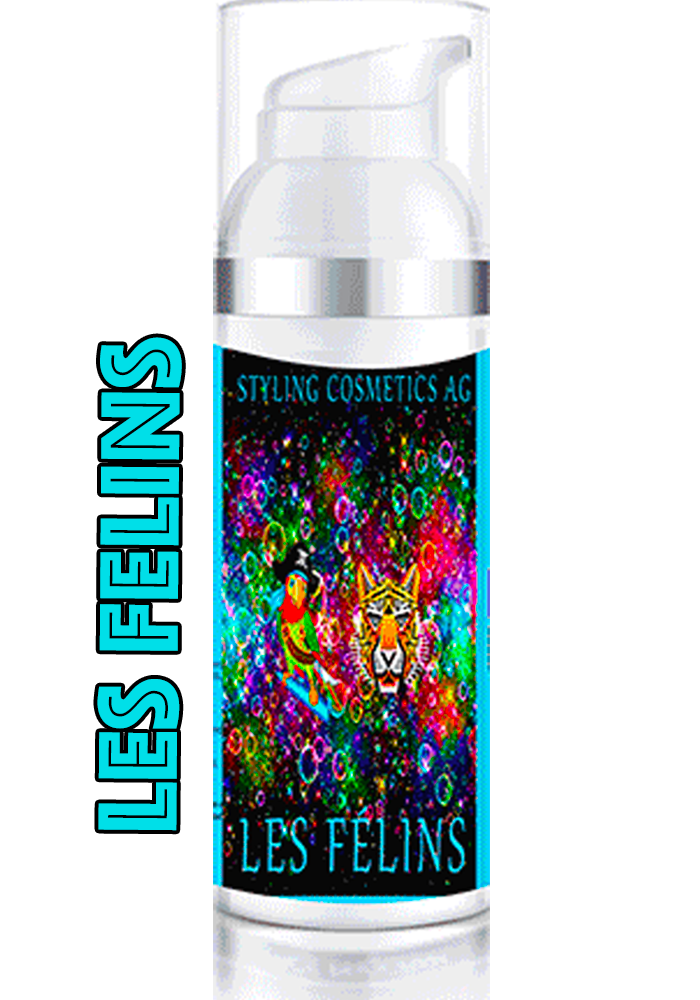
for the following 7 evenings, use Les Félins → Lipoic Acid Cream.
Microabrasive Sand Cream may remain available as an optional professional adjunct for selected thick or irregular skin, but it is not presented as a mandatory step in the core monthly sequence.
Core Products in the Simplified Protocol
The product overview now mirrors the protocol logic rather than displaying a long undifferentiated catalogue.
Once the simple schema is understood, the following sections explain the clinical rationale behind preparation, treatment, recovery and maintenance.
Phase 1
Assessment & Preparation
Evaluate phototype, cumulative solar exposure, dyschromia, fine lines, roughness, sensitivity, barrier status, downtime tolerance and home-care compliance before choosing protocol intensity.
Differentiate chronological aging from actinic damage.
Identify pigmentary instability and risk of post-inflammatory dyschromia.
Use ASEPTISKIN as the non-irritating cleansing reference.
Use Gradient Cream and/or Papaya Cream according to the selected Basic or Expert pathway.
Phase 2
Active Treatment Session
The core professional treatment is the ordered monthly metabolic peel:
ASEPTISKIN → Peeling de Luxe Plus (15 min) → 30 Min Peel Off (45–60 min) → Lipoic Acid Cream.
Intensity must be adapted to tissue response rather than pursued as a fixed target.
Microabrasive Sand Cream is optional in selected thick or irregular skin.
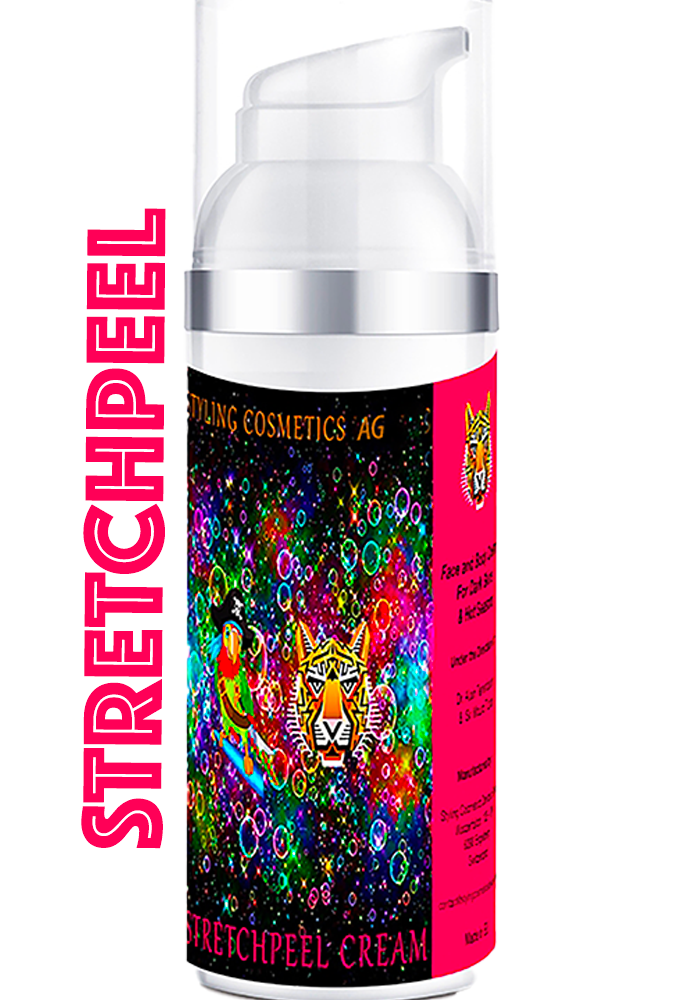
Stretchpeel belongs to the Expert regulatory pathway rather than the mandatory active sequence.
Phase 3
First Week After the Peel
Recovery is part of the treatment. In the Extended / Expert protocol, the evening sequence for one week is
Les Félins → Lipoic Acid Cream.
Monitor erythema, dryness, sensitivity and tolerance.
Avoid unnecessary irritation and competing active products.
Maintain coherent barrier-supportive care.
Phase 4
Daily Maintenance
Long-term success depends on a routine the patient can actually follow. The Basic pathway remains deliberately short; the Expert pathway adds Stretchpeel and Les Félins when justified.
Morning Basic: ASEPTISKIN → Gradient Cream.
Evening Basic: ASEPTISKIN → Papaya Cream.
Expert additions: Stretchpeel and Les Félins according to protocol phase.
Reassess periodically rather than adding products automatically.
Biological Photoprotection Concept
The protocol emphasizes biological regulation, antioxidant support and pigment control as part of long-term management of ultraviolet-induced damage.
Protection is not treated as an isolated cosmetic add-on.
It is integrated into the overall strategy of maintaining skin stability, controlling pigment response and reducing repeated biological stress.
The objective is progressive, controlled improvement in luminosity,
surface regularity, fine lines and pigment homogeneity. The clinical
case below documents the immediate visible epidermal response following
one superficial treatment session.
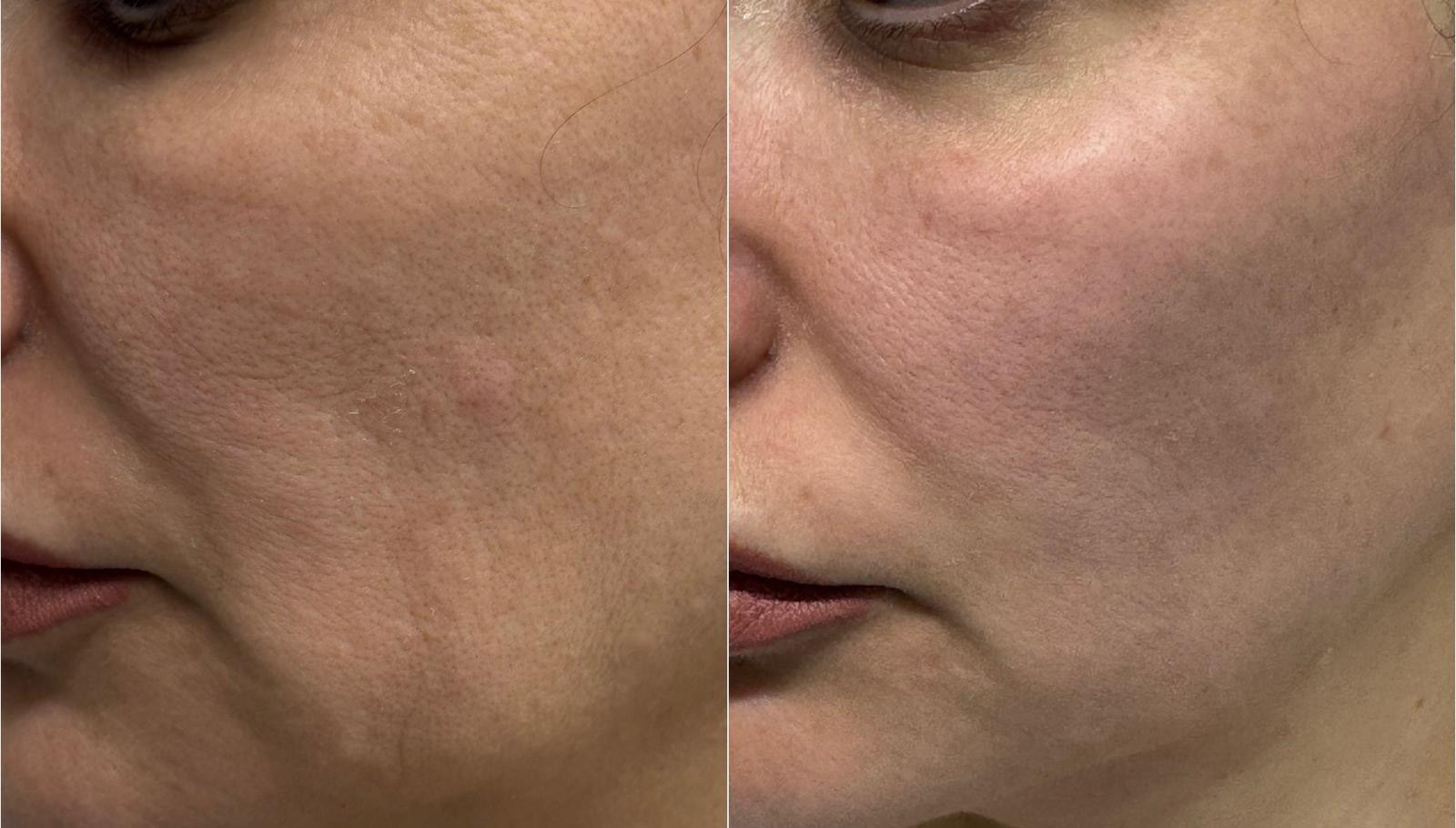
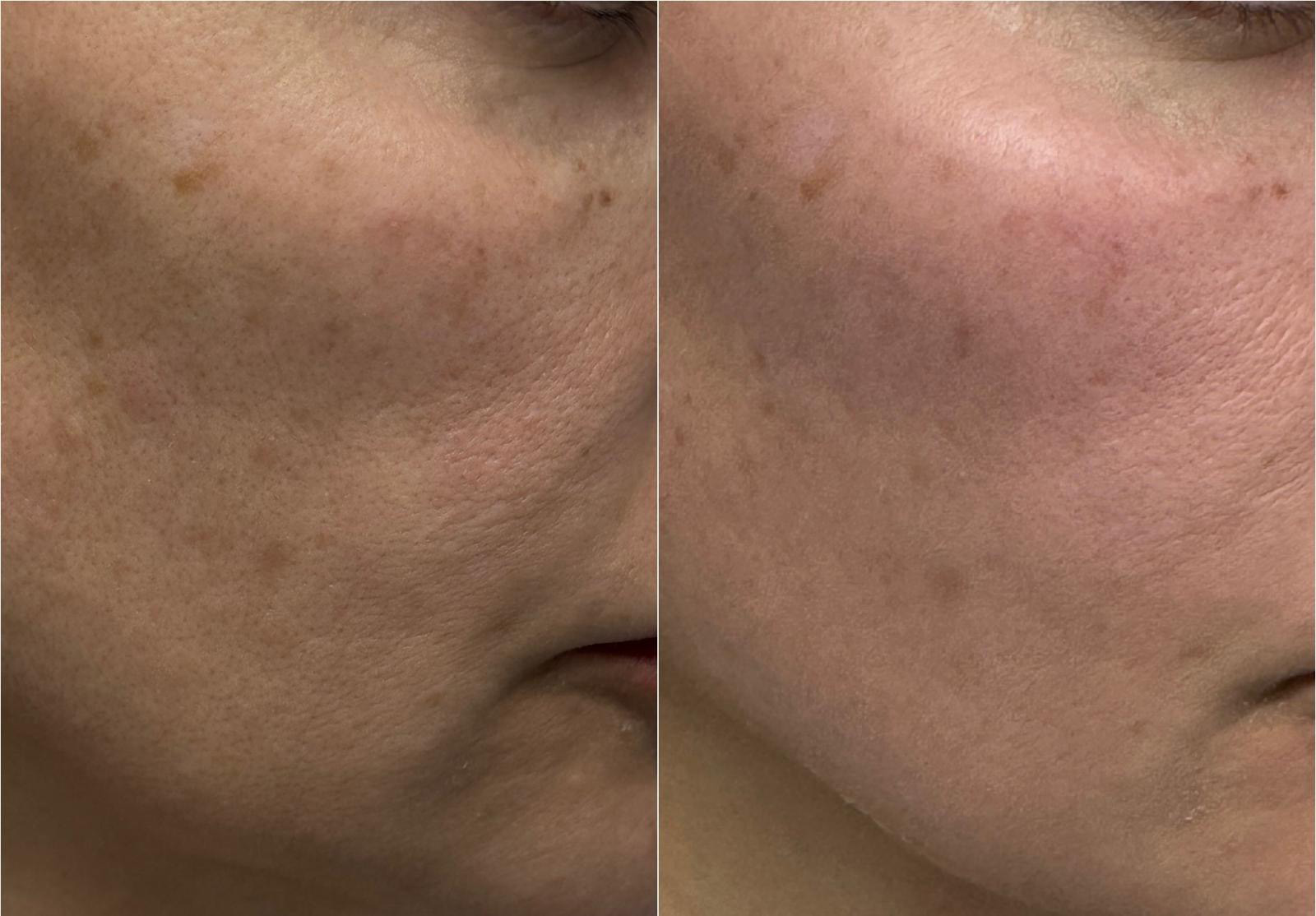
Clinical Case 1 — Immediate Skin Renewal After One Session
One Session30 Min Peel OffImmediate Evaluation
Following one 30 Min Peel Off session, the skin presents visible
improvement in surface smoothness, luminosity and overall tone
homogeneity. The images document both facial sides before treatment
and immediately after the session.
Left Facial Side
BeforeImmediately After
Immediate improvement in surface regularity, with reduced visual
prominence of pores and more homogeneous light reflection.
Right Facial Side
BeforeImmediately After
Immediate increase in luminosity and visual tone homogeneity,
accompanied by a mild transient post-treatment erythema.
Clinical documentation:
treatment performed and photographs provided courtesy of
Dr George Titovets, London, United Kingdom.
Clinical interpretation:
this immediate response demonstrates controlled superficial epidermal
renewal with smoother texture and improved optical skin quality.
It represents the response observed immediately after one session,
rather than the final evolution of a complete photoaging protocol.
Individual responses may vary.
Scientific & Clinical Foundations
A photoaging protocol should rest on clear biological objectives and structured decision-making rather than on isolated aggressive intervention.
Clinical Objective
Address irregular keratinization, dull and thickened epidermis, pigment heterogeneity, collagen degeneration and superficial wrinkling through progressive correction.
Protocol Philosophy
Effective correction is built through repetition, adaptation and sequencing according to phototype, actinic damage, sensitivity and regenerative capacity.
Therapeutic Logic
Chemical peels may support epidermal renewal, pigment normalization, fibroblast stimulation and improved optical quality while respecting cutaneous integrity.
Core Design Principles
Assess phototype, thickness, sensitivity and cumulative solar damage.
Prefer structured protocols over unnecessary aggressiveness.
Select depth according to indication.
Integrate recovery and maintenance from the beginning.
Reassess according to tissue response.
Main Clinical Targets
Surface roughness and loss of radiance
Fine lines and progressive textural aging
Uneven pigmentation and mottled discoloration
Loss of epidermal uniformity
Early structural decline related to photodamage
How the Protocol Works
Efficacy depends on sequencing, controlled renewal, recovery and the ability to maintain gains between professional sessions.
1
Prepare
Assess skin and establish a simple routine the patient can follow consistently.
2
Treat
Perform the structured monthly metabolic peel in the correct sequence.
3
Recover
Support barrier recovery and avoid unnecessary irritation after the procedure.
4
Maintain
Continue daily care and repeat treatment according to clinical evolution.
Why this works: the protocol combines controlled epidermal renewal with progressive biological regulation instead of asking one aggressive intervention to do everything.
Depth-Guided Protocol Approach
Protocol Level
Primary Objective
Typical Indications
Clinical Rationale
Superficial
Epidermal renewal and surface refinement
Dull complexion, mild roughness, early photoaging, discrete dyschromia
Useful for restoring radiance and initiating treatment in lightly photoaged or sensitive skin.
Intermediate / Medium
Greater stimulation and textural correction
Fine lines, established sun damage, more visible irregularities
Considered when superficial strategies alone are insufficient and a stronger remodeling stimulus is justified.
Balances efficacy, tolerability and reproducibility through repeated controlled interventions.
Depth is a therapeutic variable, not a goal in itself. It remains subordinate to indication, patient profile and acceptable recovery.
Safety, Adaptation & Clinical Reality
Product selection alone does not determine safety. Patient selection, intensity, aftercare, pigment risk and compliance all influence outcome.
Patient-Specific Adaptation
Phototype and risk of post-inflammatory hyperpigmentation
Degree of actinic damage
Cutaneous sensitivity and reactivity
Tolerance to downtime
Ability to comply with home care
Risk Management
Set the indication carefully.
Avoid intensity for intensity’s sake.
Consider post-treatment care part of the procedure.
Prefer a reproducible protocol to an unnecessarily aggressive one.
Reassess if recovery is slower than expected.
Clinical reality: photoaging correction is progressive. Credible treatment planning requires coherent sequencing, adequate recovery intervals and realistic long-term expectations.
Protocol Validation & Decision
Clinical validation depends on coherent treatment selection, documented
tissue response and realistic interpretation of visible results.
Before-and-after documentation translates protocol logic into visible
clinical evolution. In photoaging, meaningful change may include improved
luminosity, smoother texture, more regular pigment distribution and a
fresher overall skin appearance.
The most credible interpretation links visible results to a defined
treatment sequence rather than to exaggerated claims or isolated
interventions. The documented patient case is therefore presented only
once in the dedicated Clinical Results section above.
Clinical decision:
treatment intensity, product selection and session sequencing must
remain adapted to phototype, skin condition, pigment tendency,
sensitivity and observed recovery.
Because a clear Basic routine improves comprehension and adherence, while the Extended / Expert pathway preserves the ability to add targeted products when clinically justified.
Do I need all products at the same time?
No. The simplified presentation deliberately separates essential daily care from optional or expert-level additions.
What is the core monthly professional sequence?
ASEPTISKIN, followed by Peeling de Luxe Plus for 15 minutes, then 30 Min Peel Off for 45–60 minutes, followed by Lipoic Acid Cream.
What changes in the Extended / Expert protocol?
The Expert pathway adds Stretchpeel, Les Félins and a structured one-week evening post-peel sequence when appropriate.
Is a stronger peel always better?
No. Protocol quality depends on indication, sequencing, tissue response and recovery, not on maximal aggressiveness.
How many sessions are usually needed?
The number of sessions depends on the degree of photoaging, skin type, clinical objectives and response to treatment. A structured series is often more coherent than a single isolated intervention.
For practitioners and informed patients, the most useful photoaging strategy is one that is
simple enough to follow, precise enough to reproduce, and flexible enough to adapt.