What You Will See
A complete procedural video, selected quick results and a structured clinical case documenting application, removal and post-treatment evolution.
Clinical Page at a Glance
Understand what this clinical documentation demonstrates, how the protocol is assessed and how immediate visible results should be interpreted.
A complete procedural video, selected quick results and a structured clinical case documenting application, removal and post-treatment evolution.
Clinical coverage and film formation are assessed after an exposure period of at least 45 minutes, despite the product name.
30 Min Peel Off may be used alone or followed by indication-specific support such as Lipoic Acid Cream or controlled Microabrasive refinement.
Immediate visible surface improvement does not demonstrate permanent correction of established wrinkles, scars or pigmentary disorders.
Clinical documentation, not a promise of outcome: individual response varies according to indication, skin condition, application quality and professional protocol selection.


Documented Clinical Example
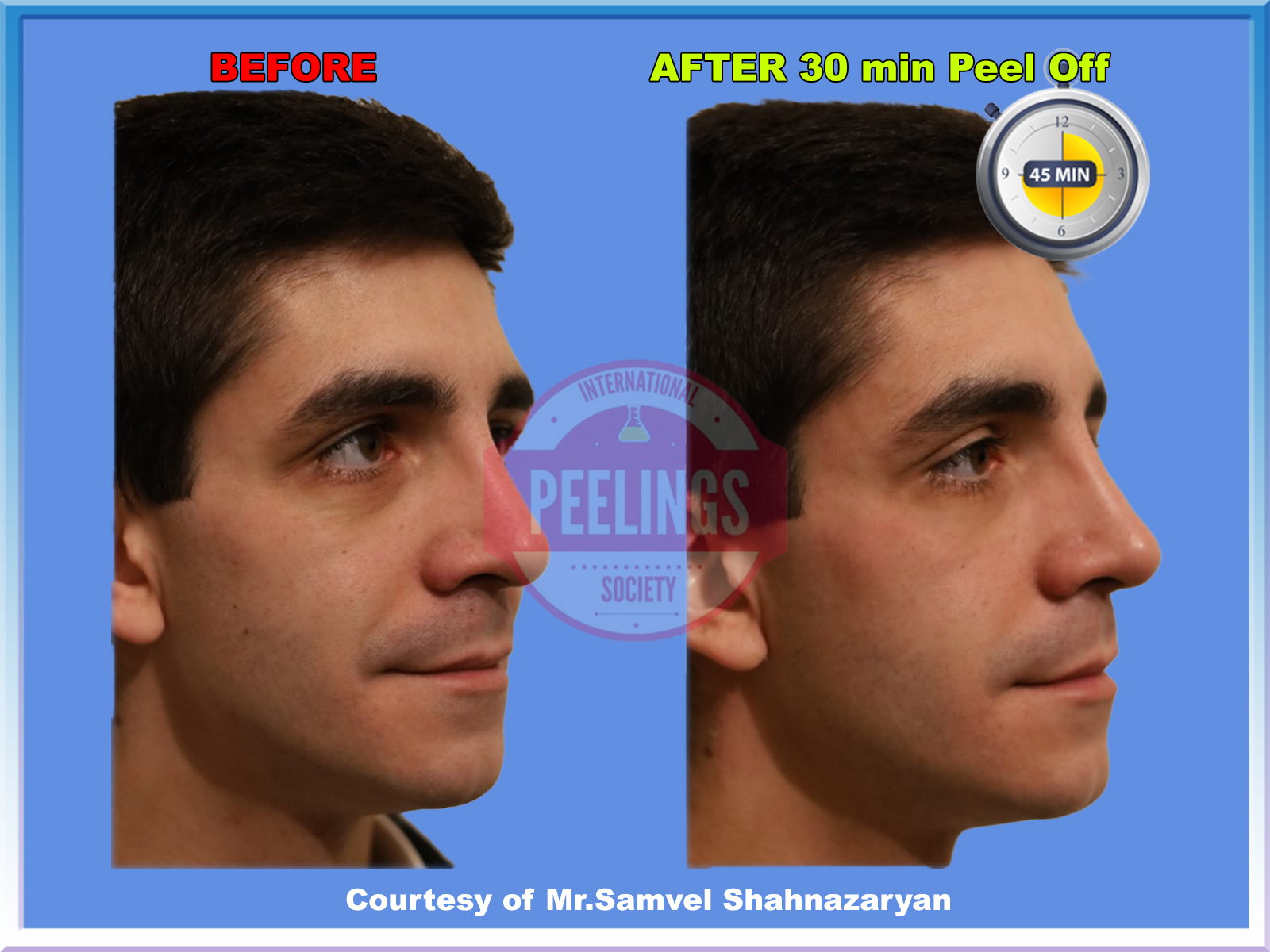
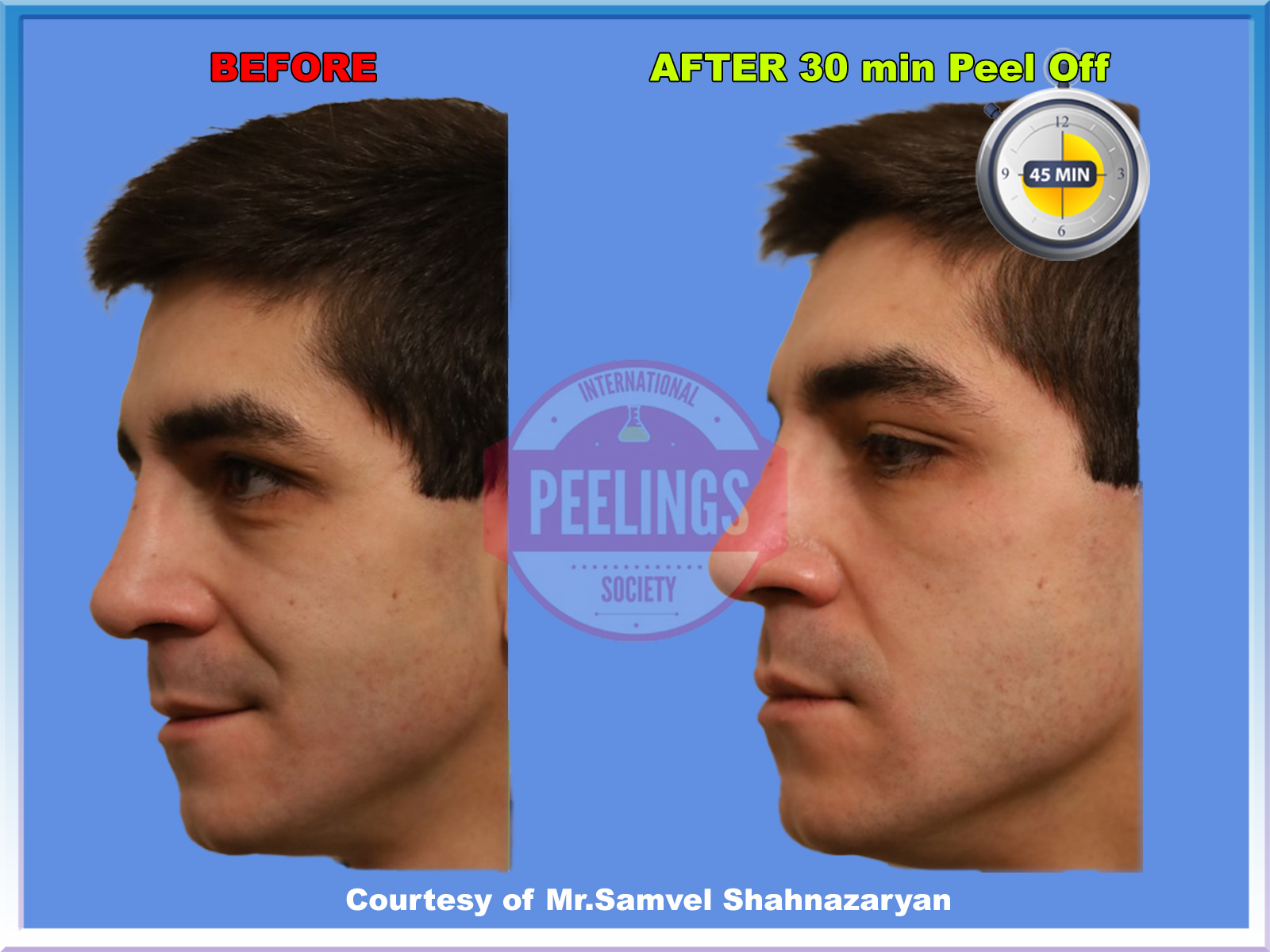
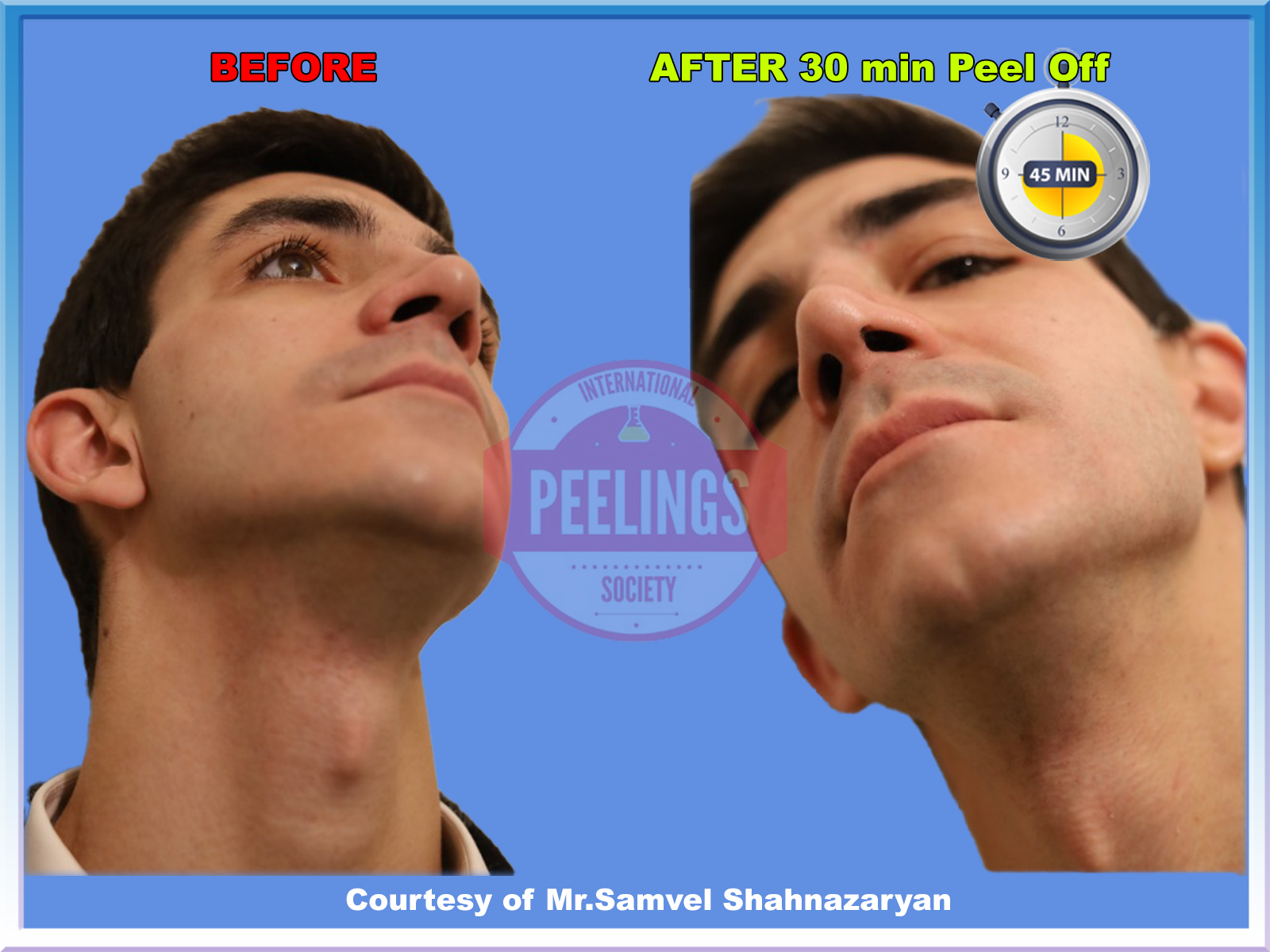
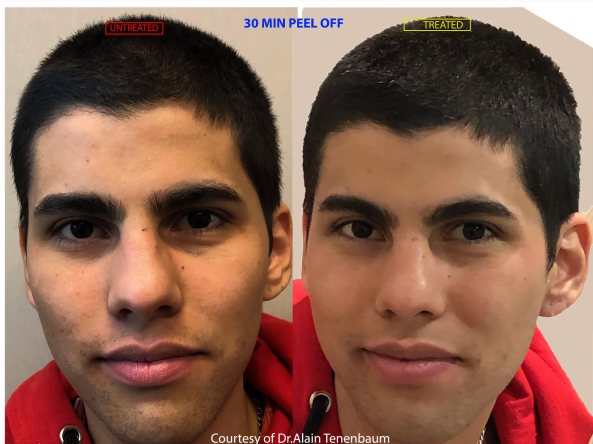
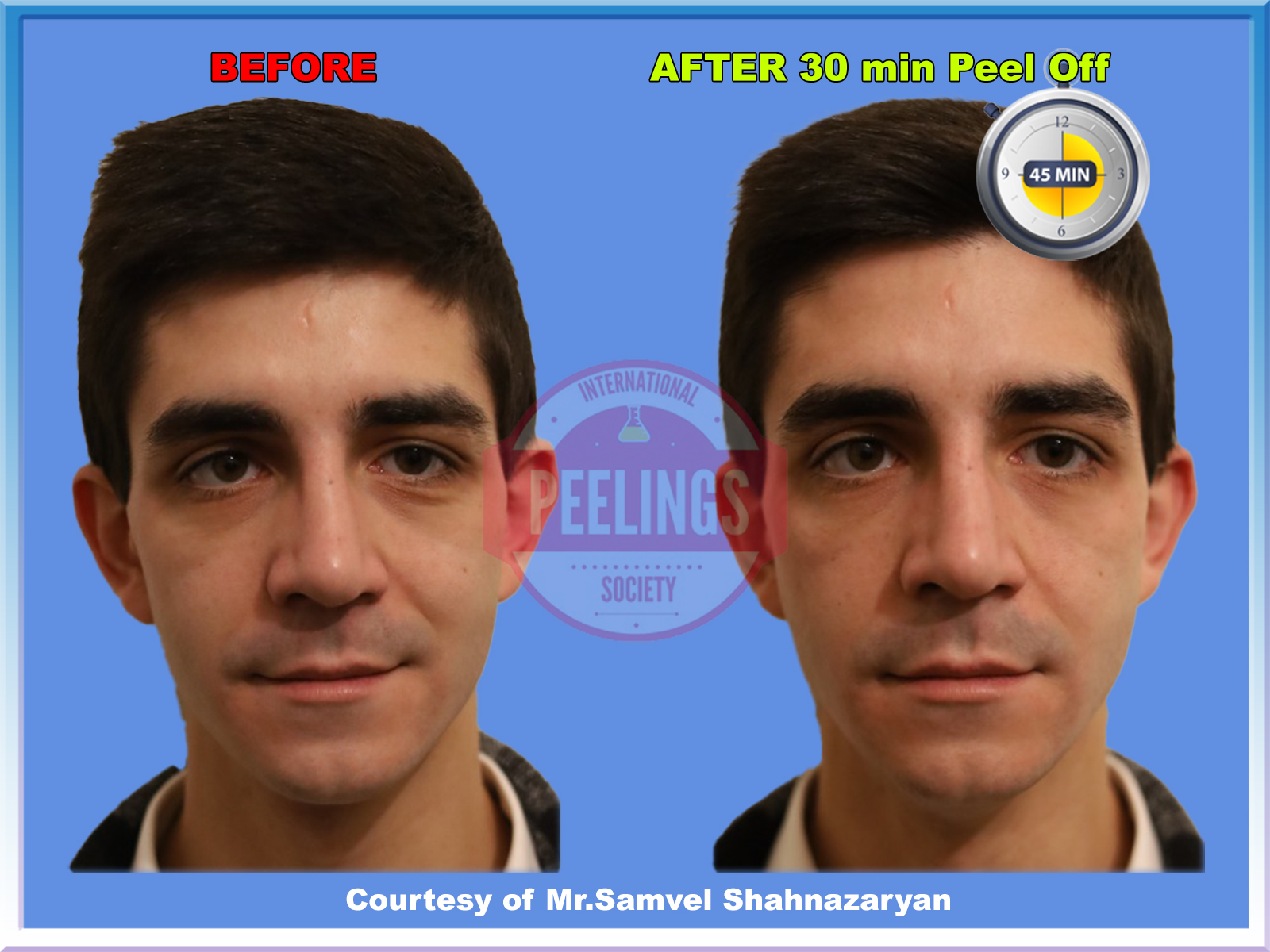
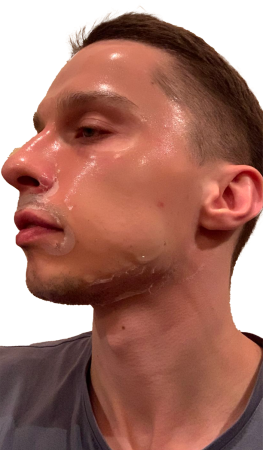
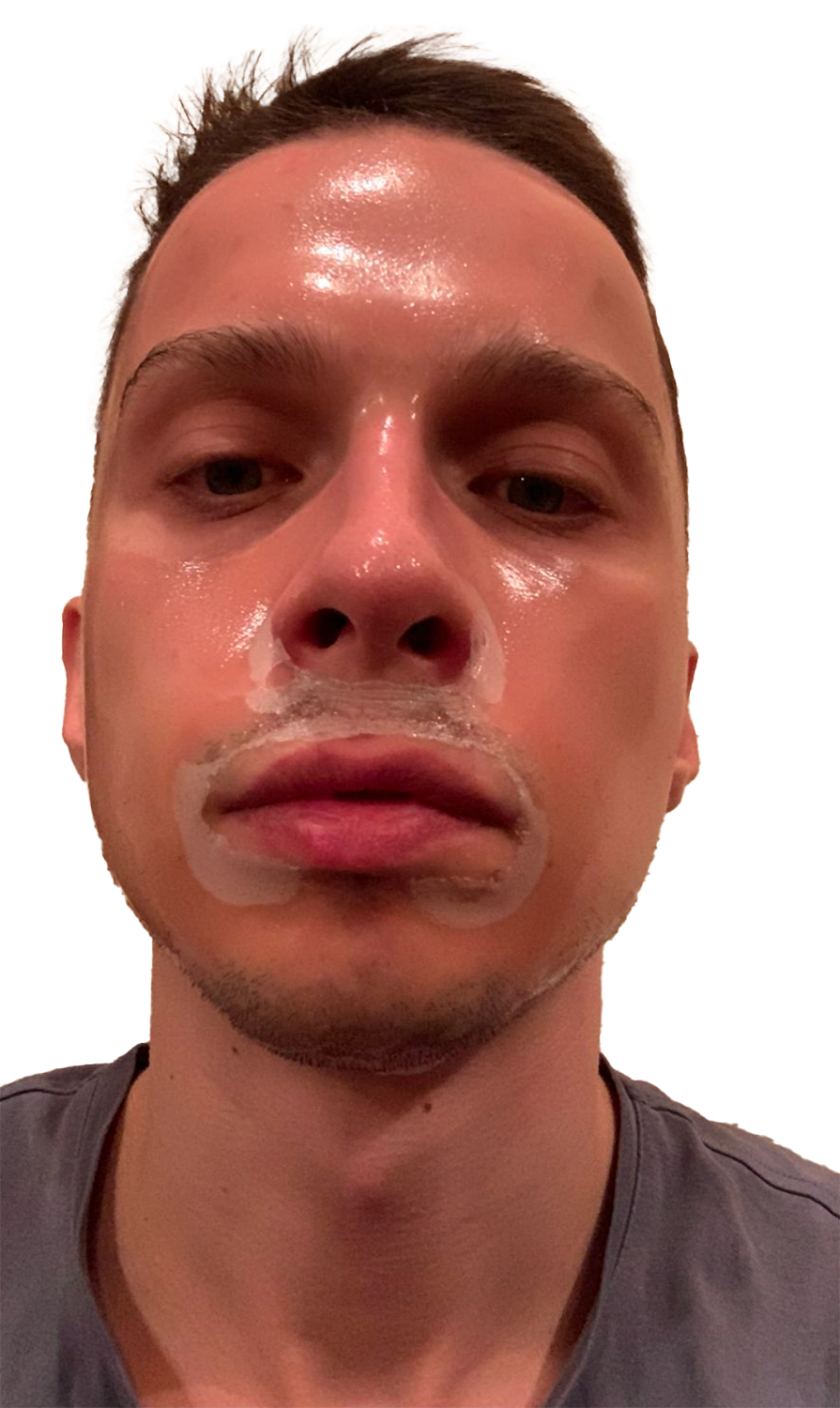
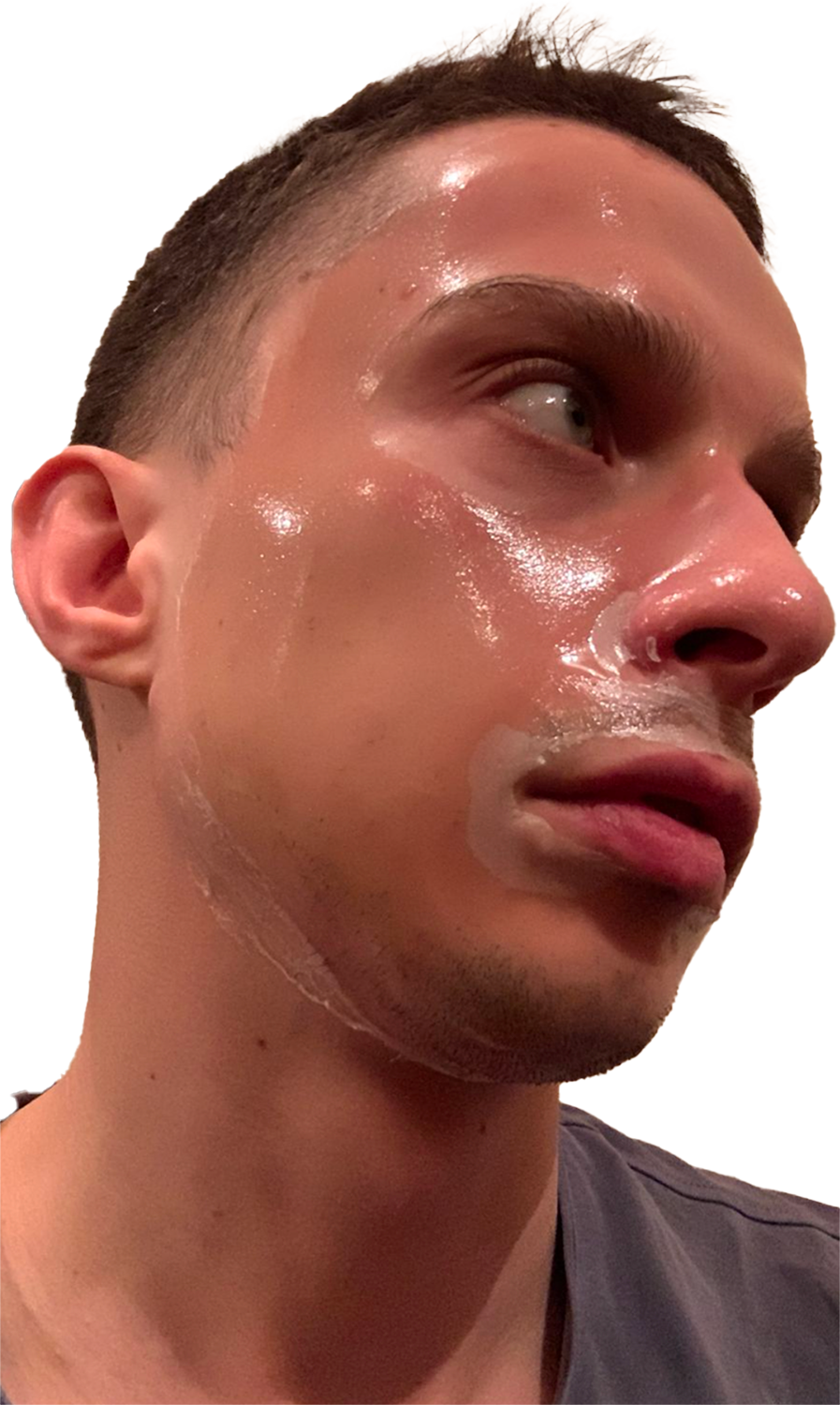
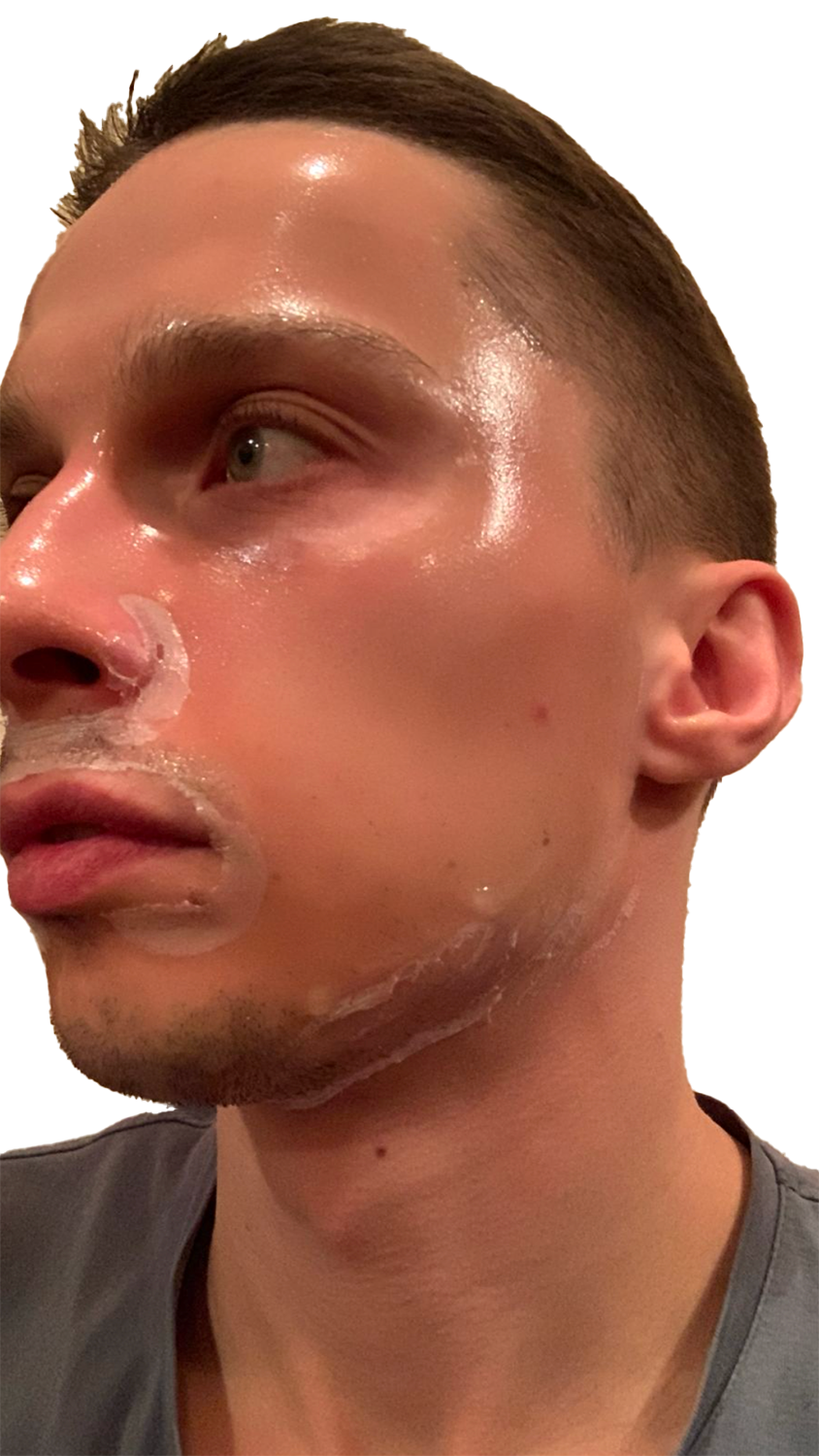
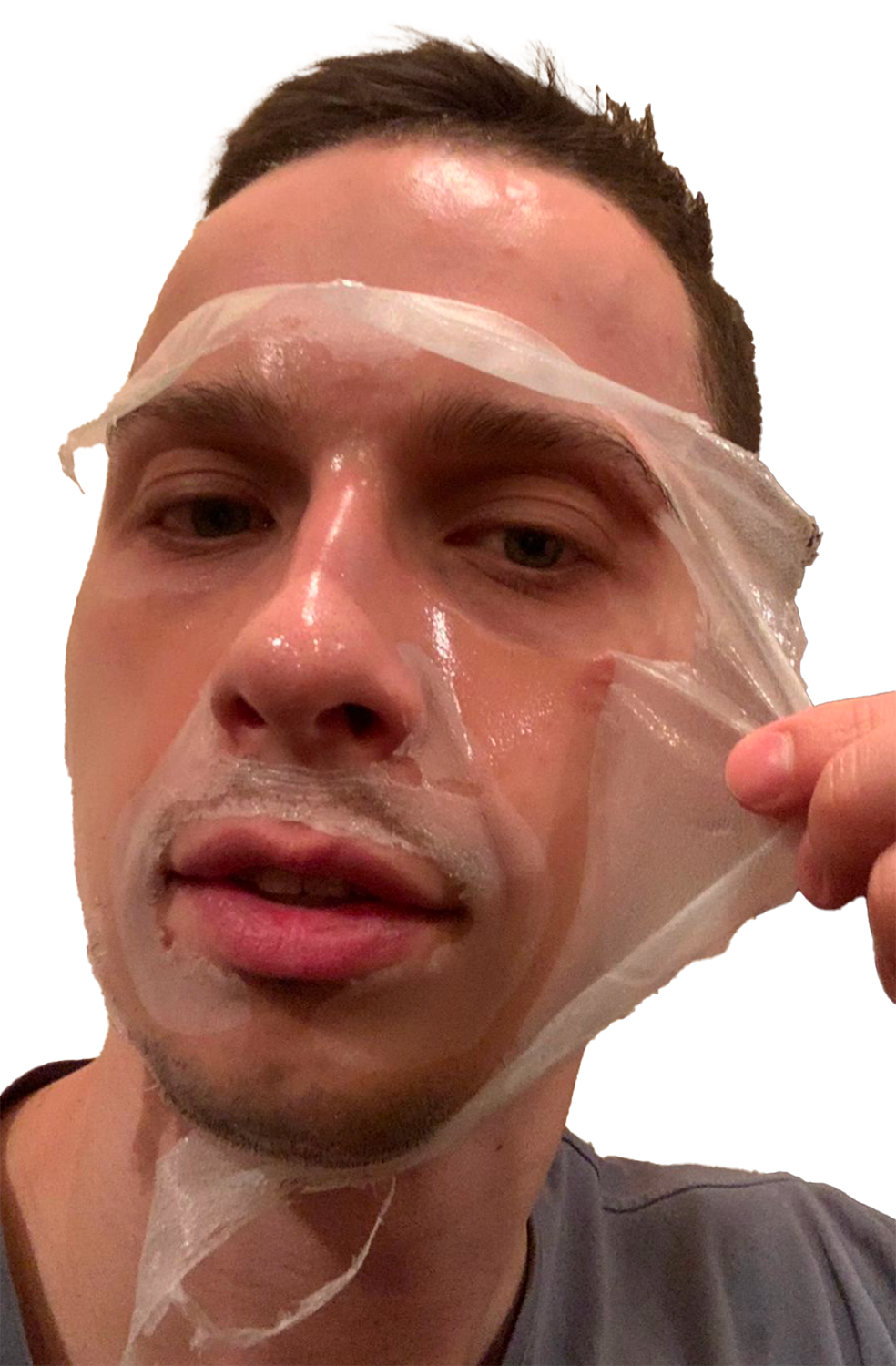
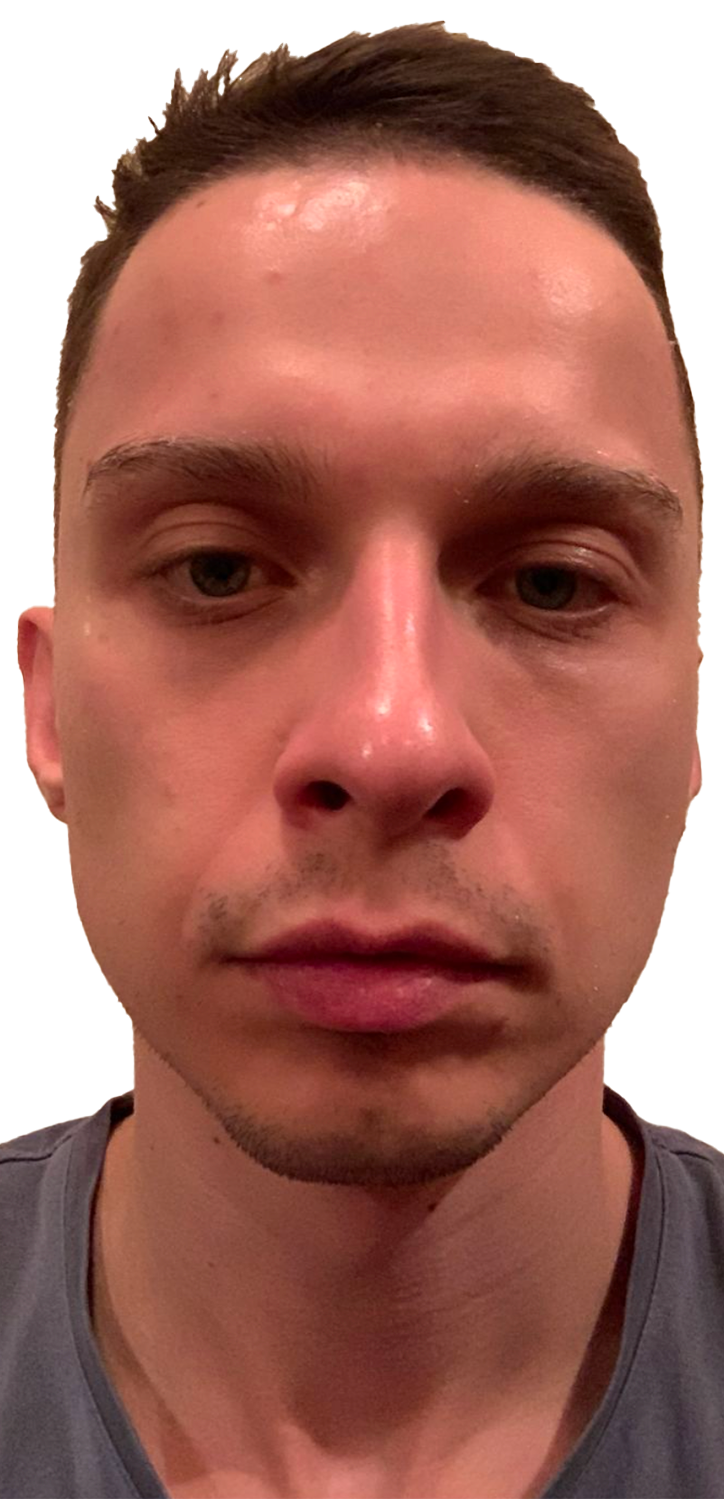
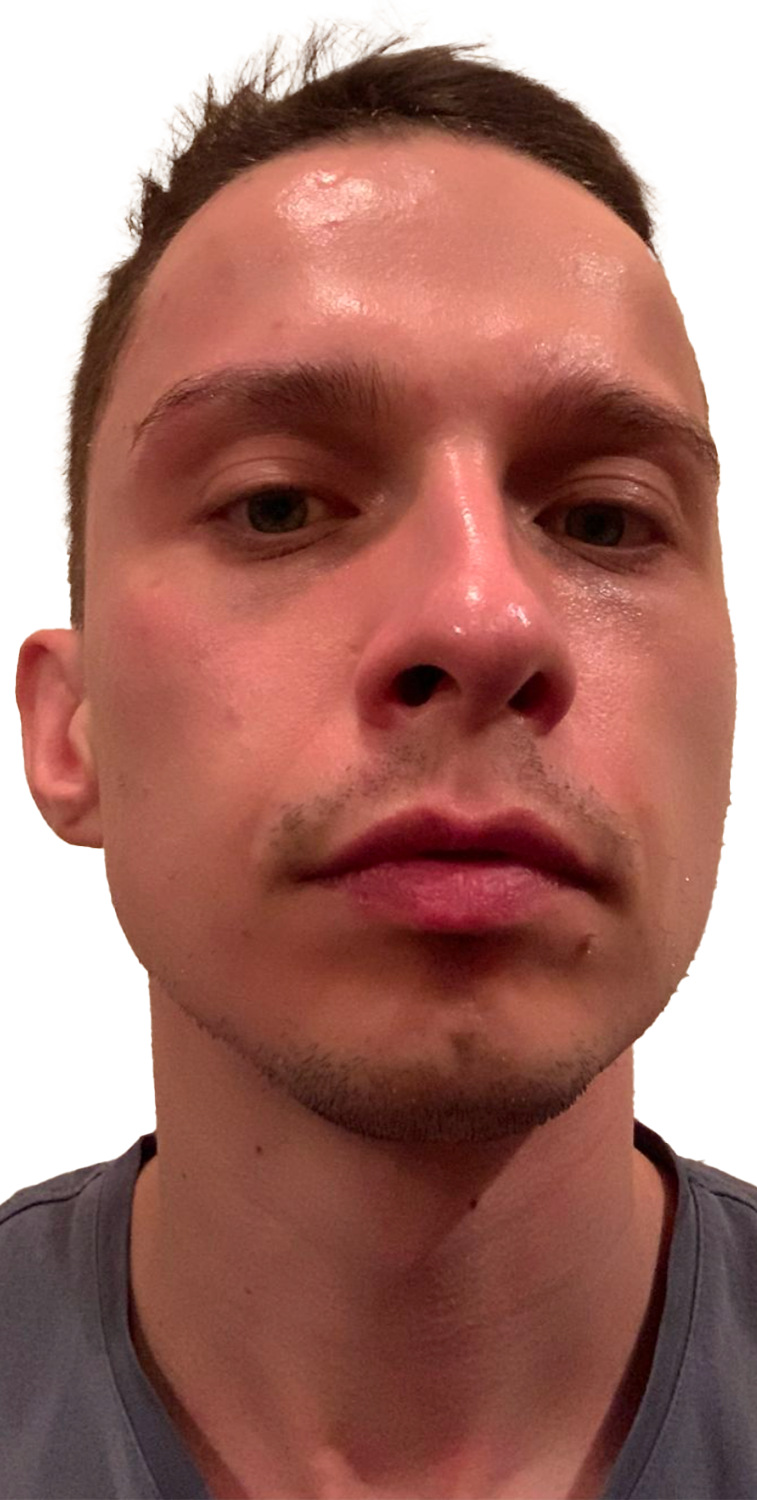
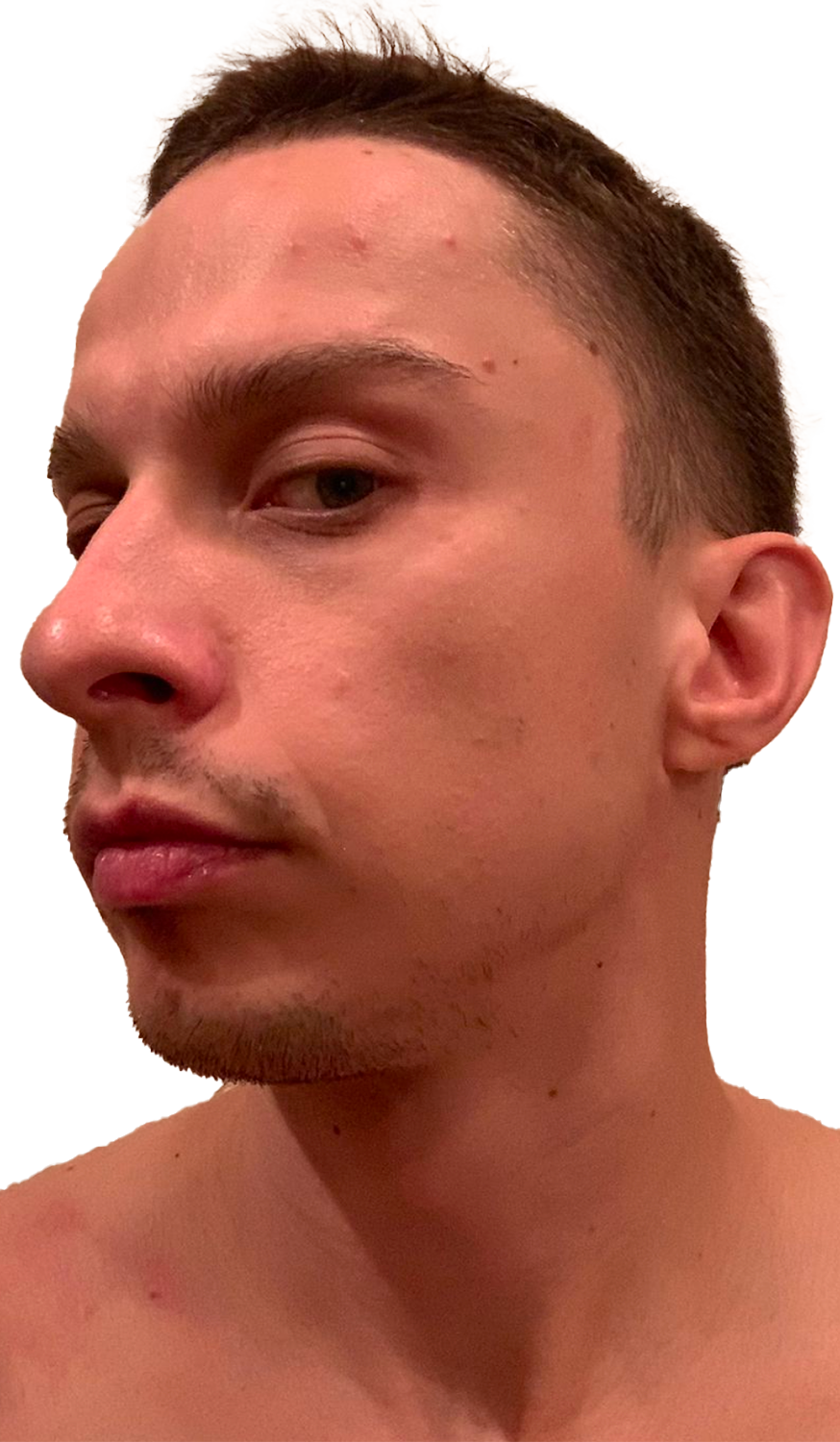
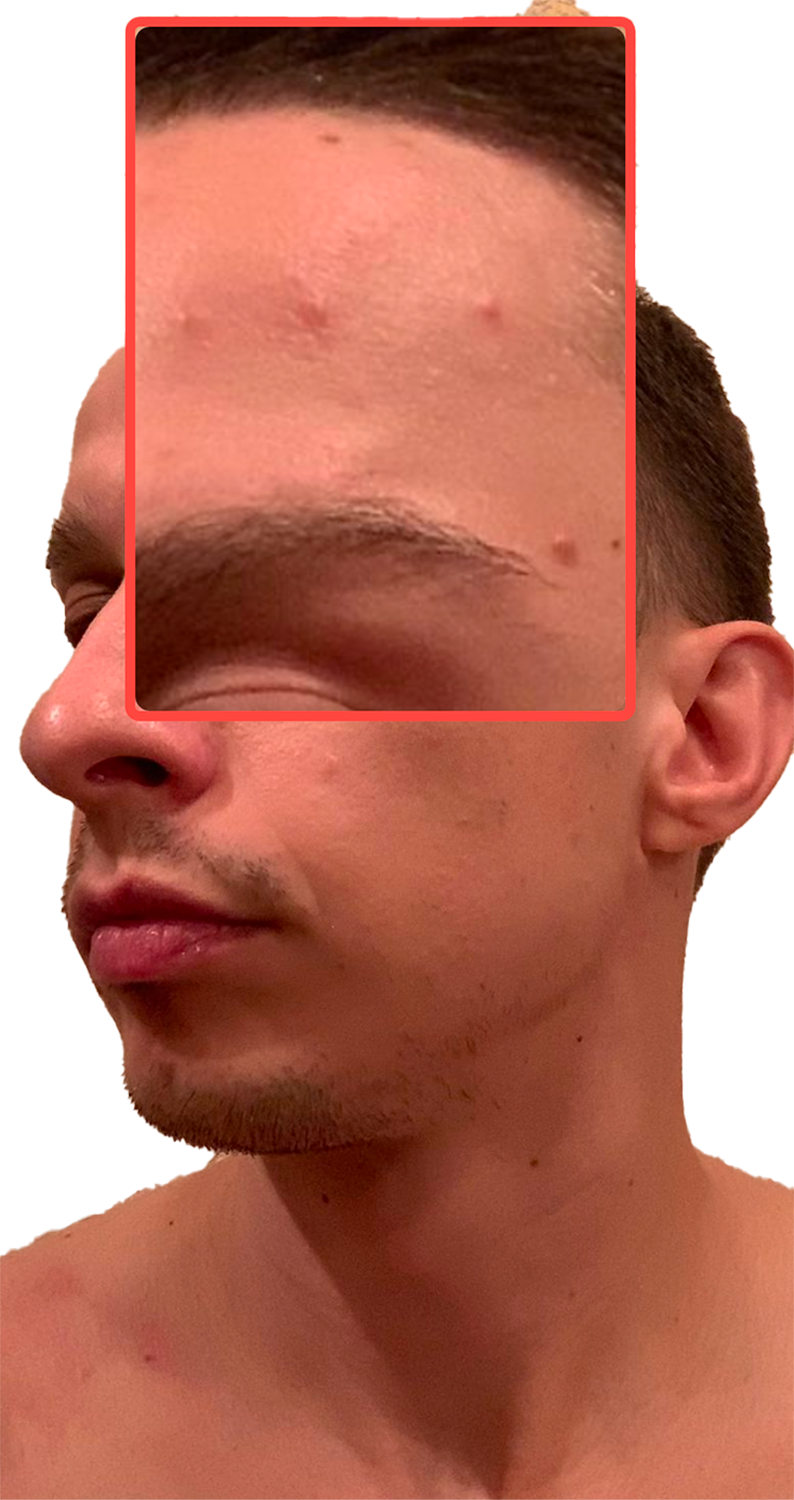
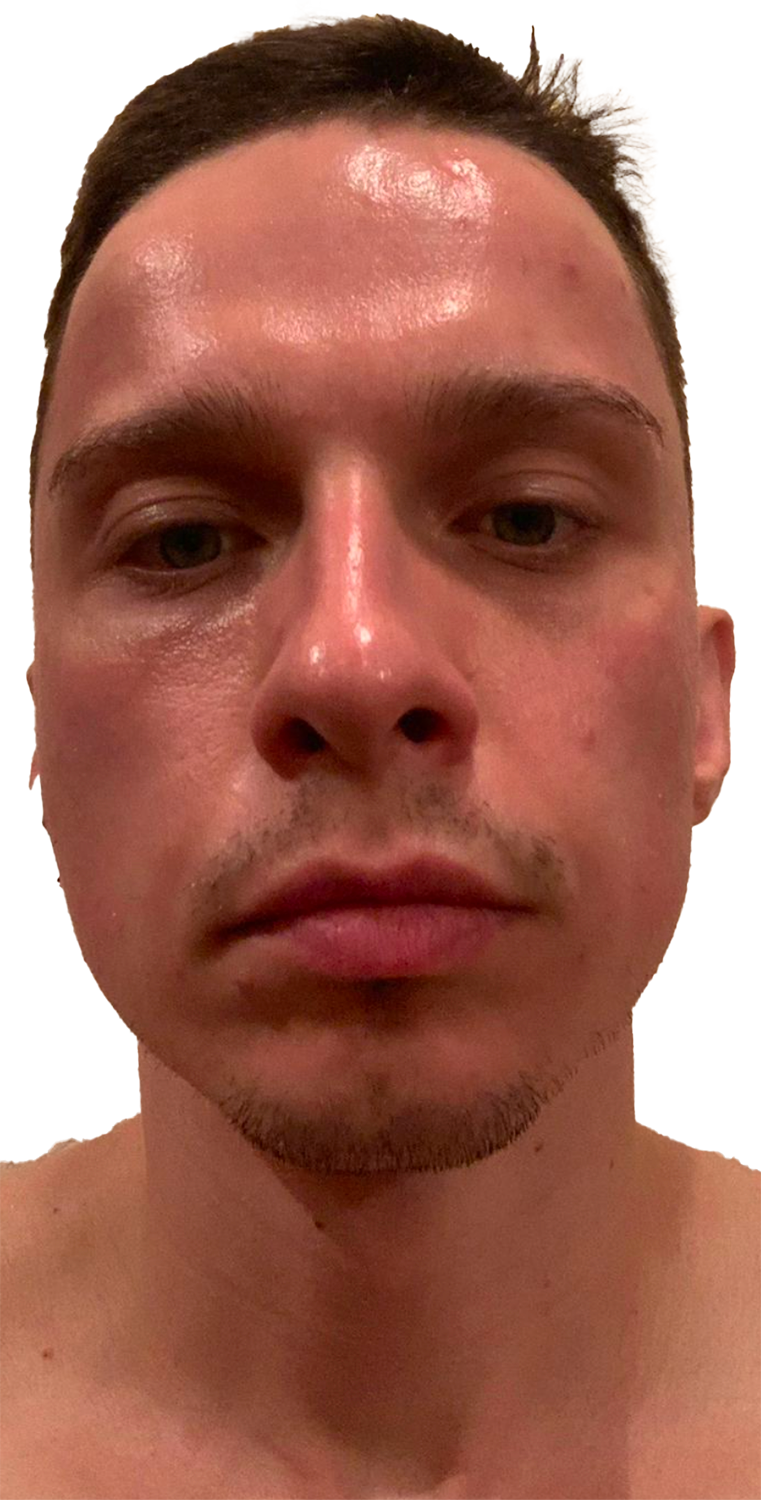
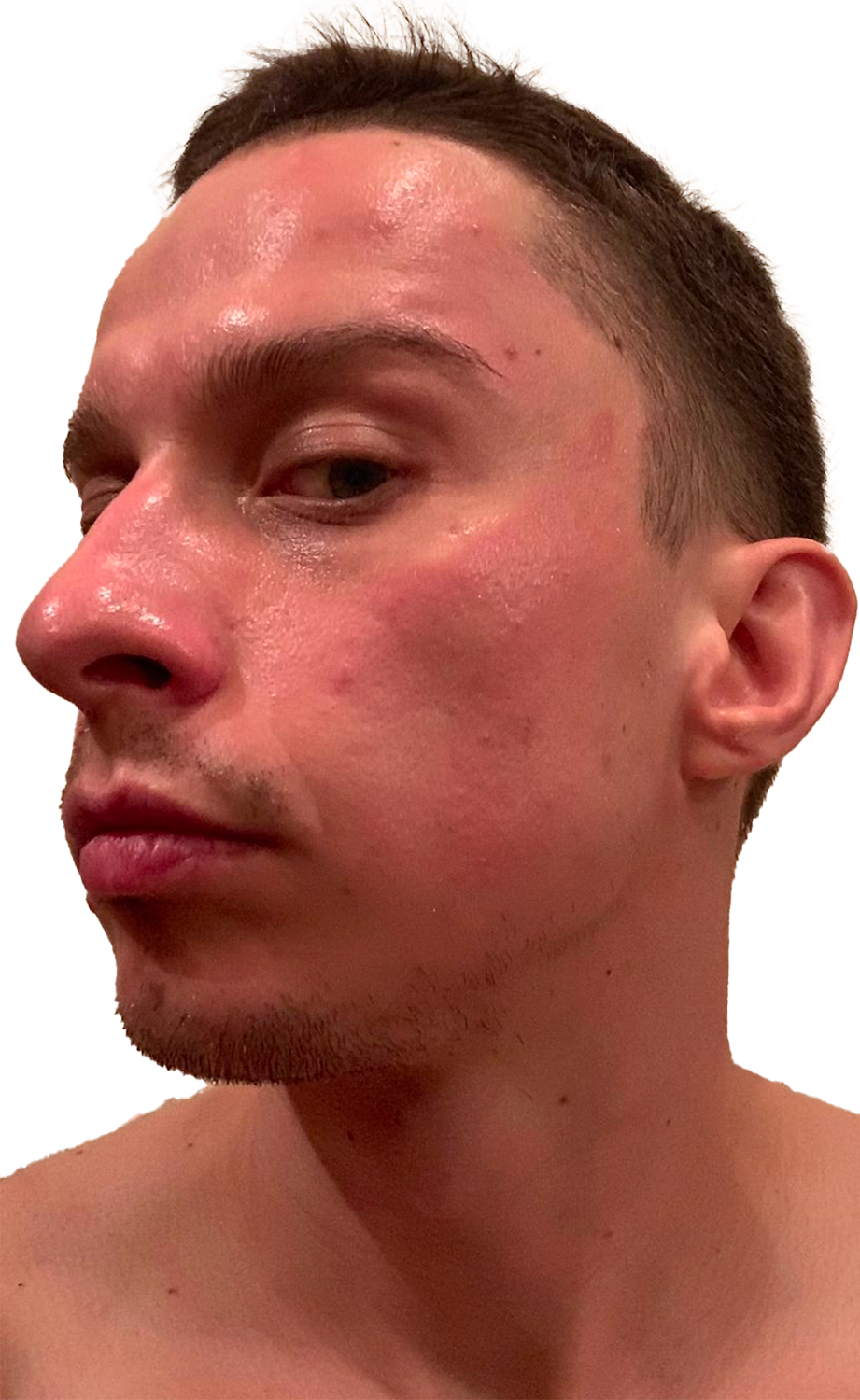
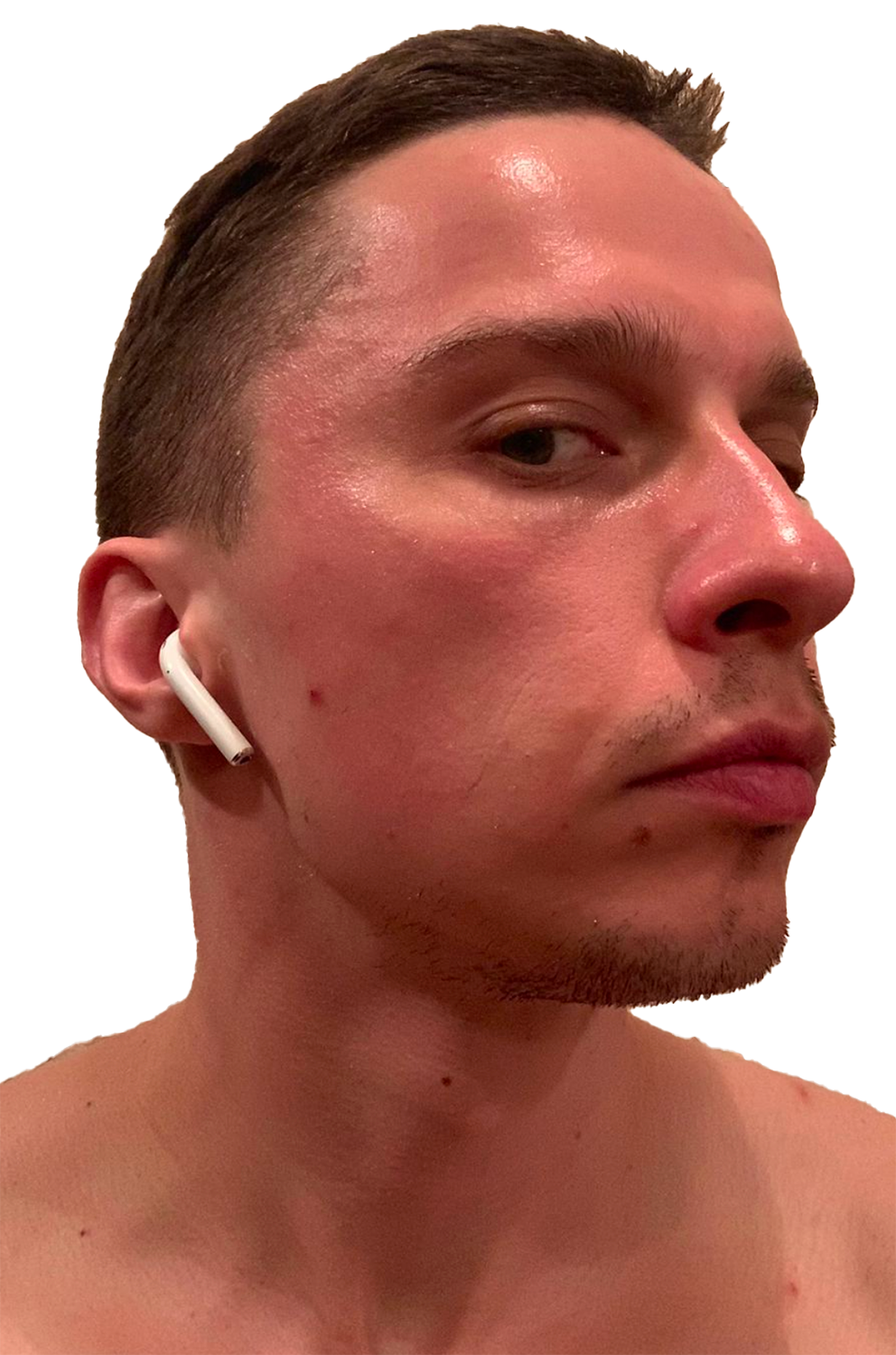
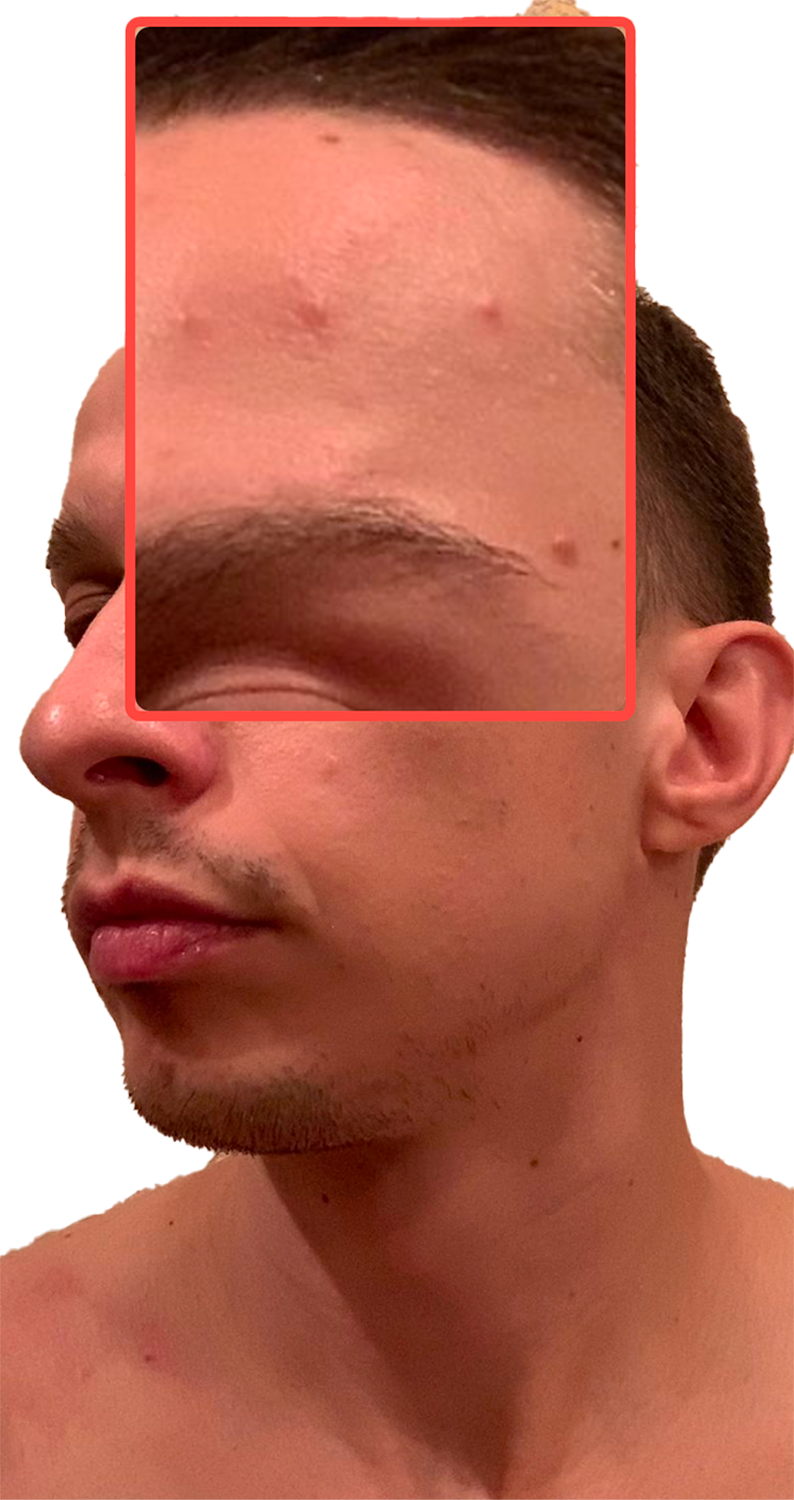
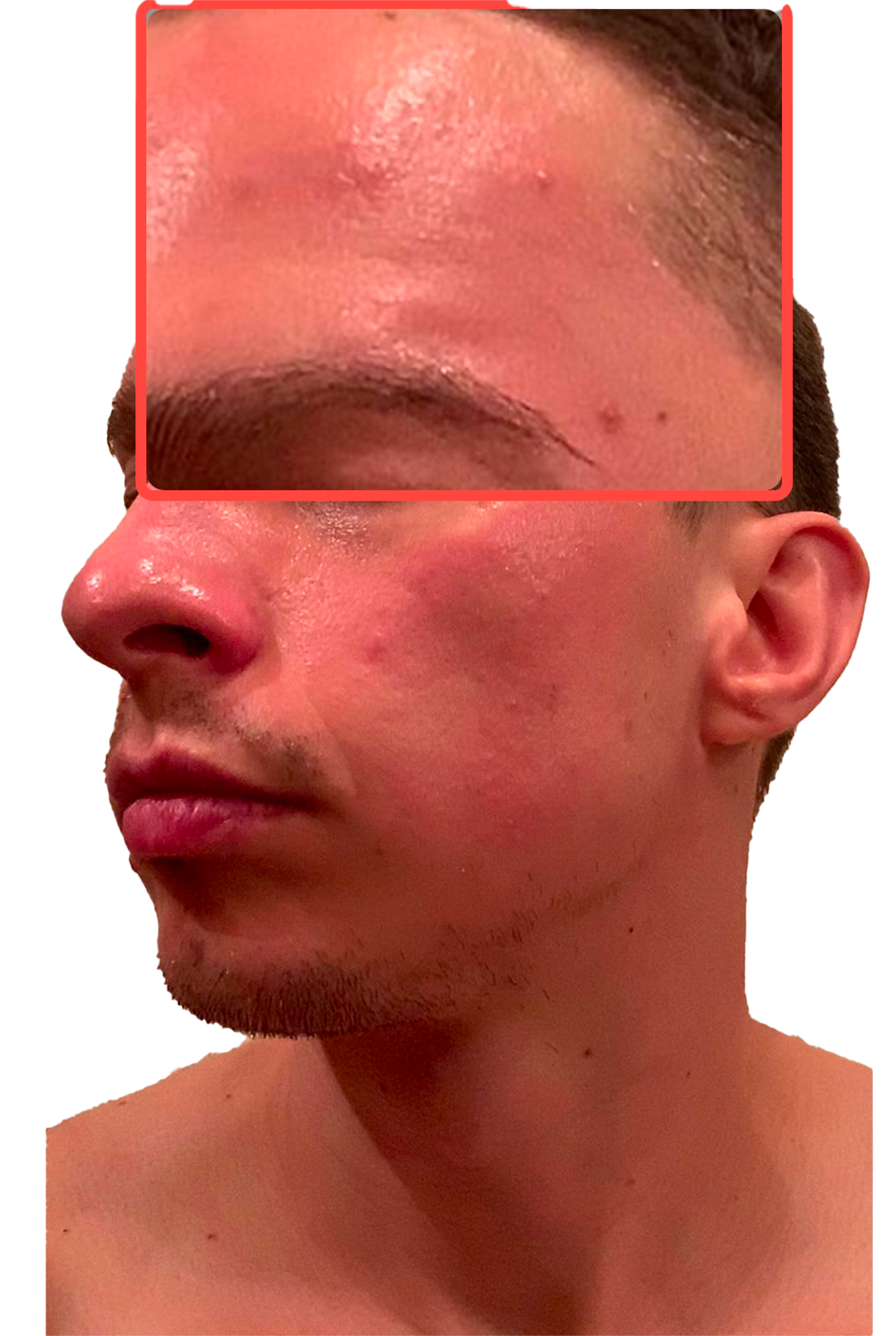
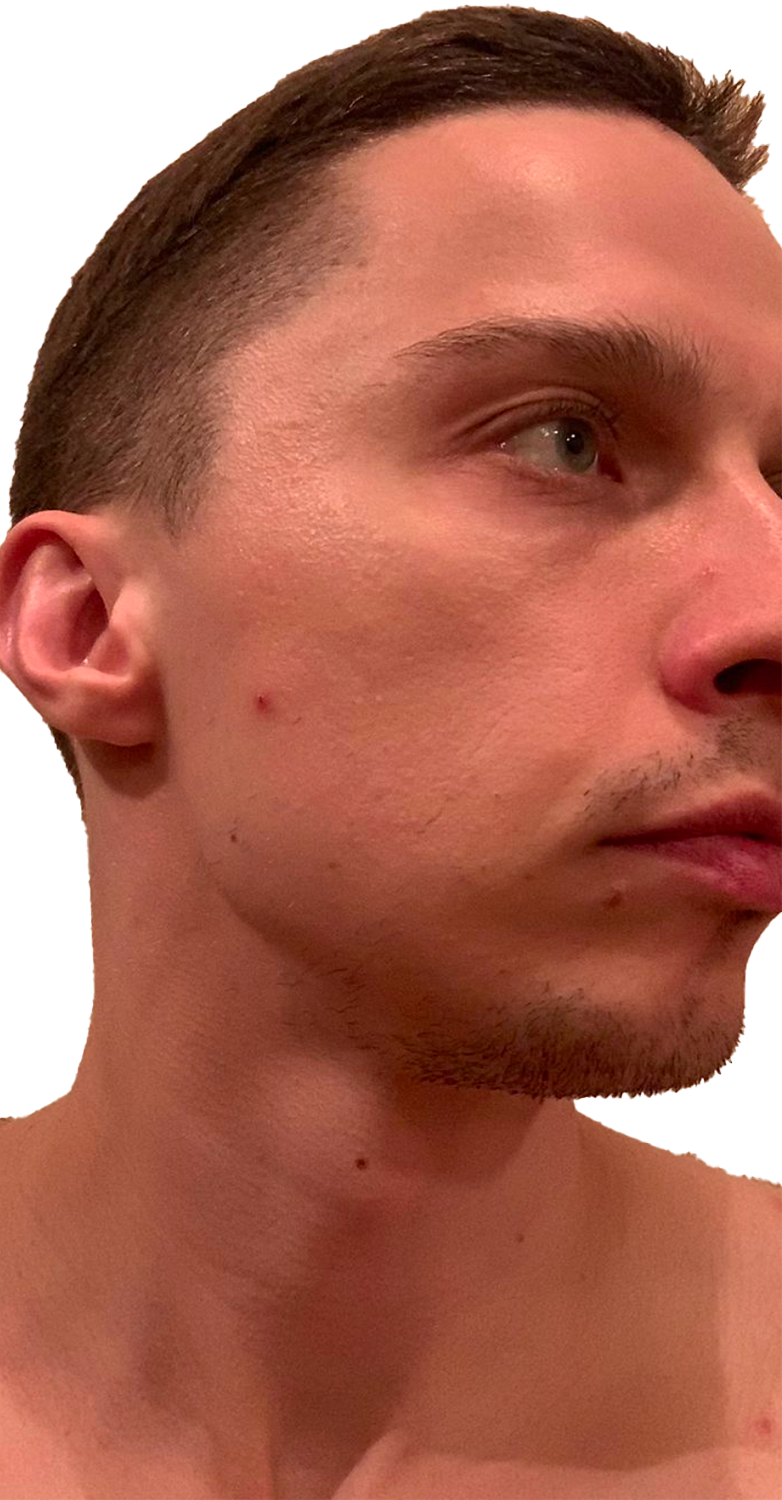
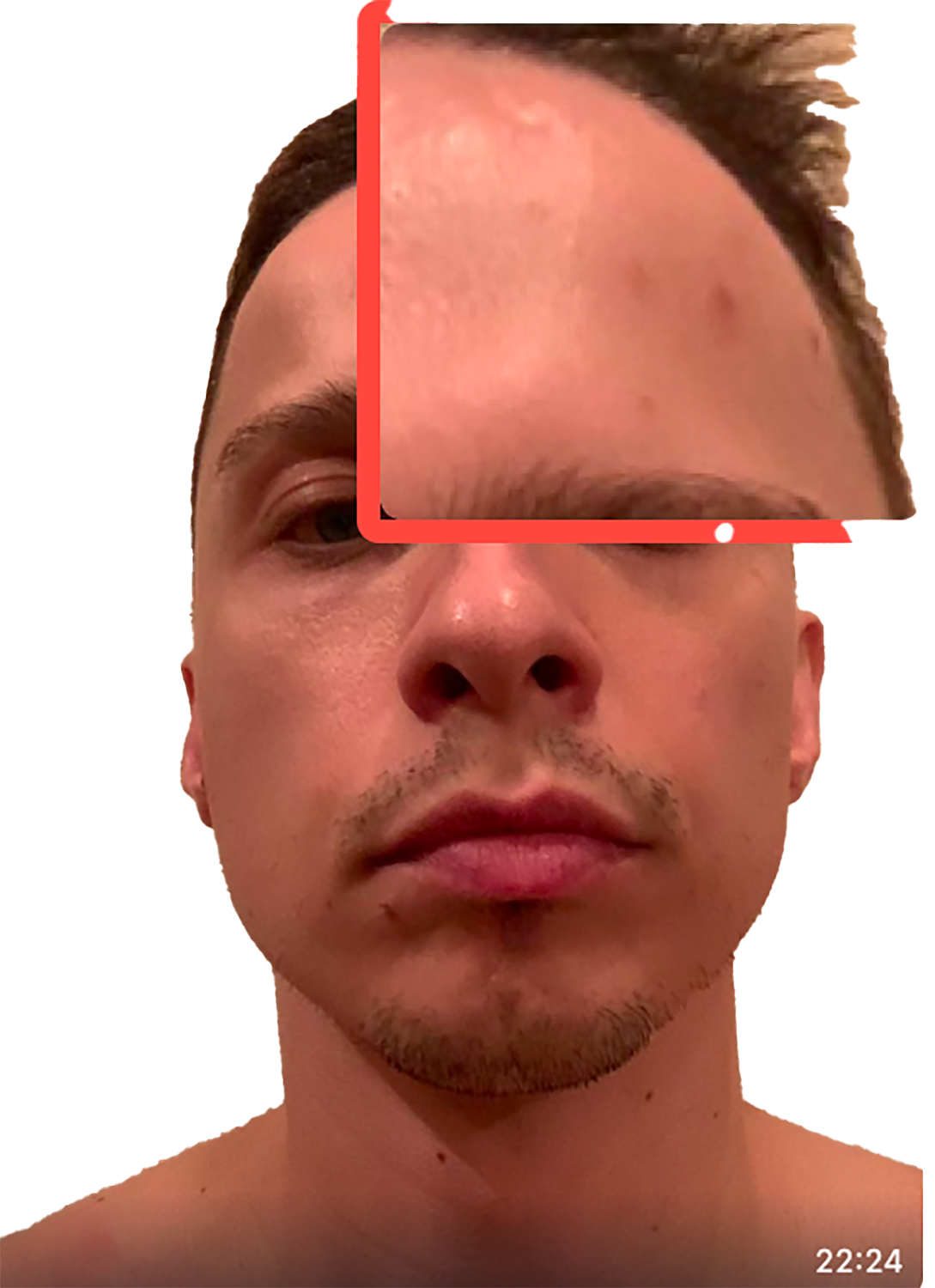
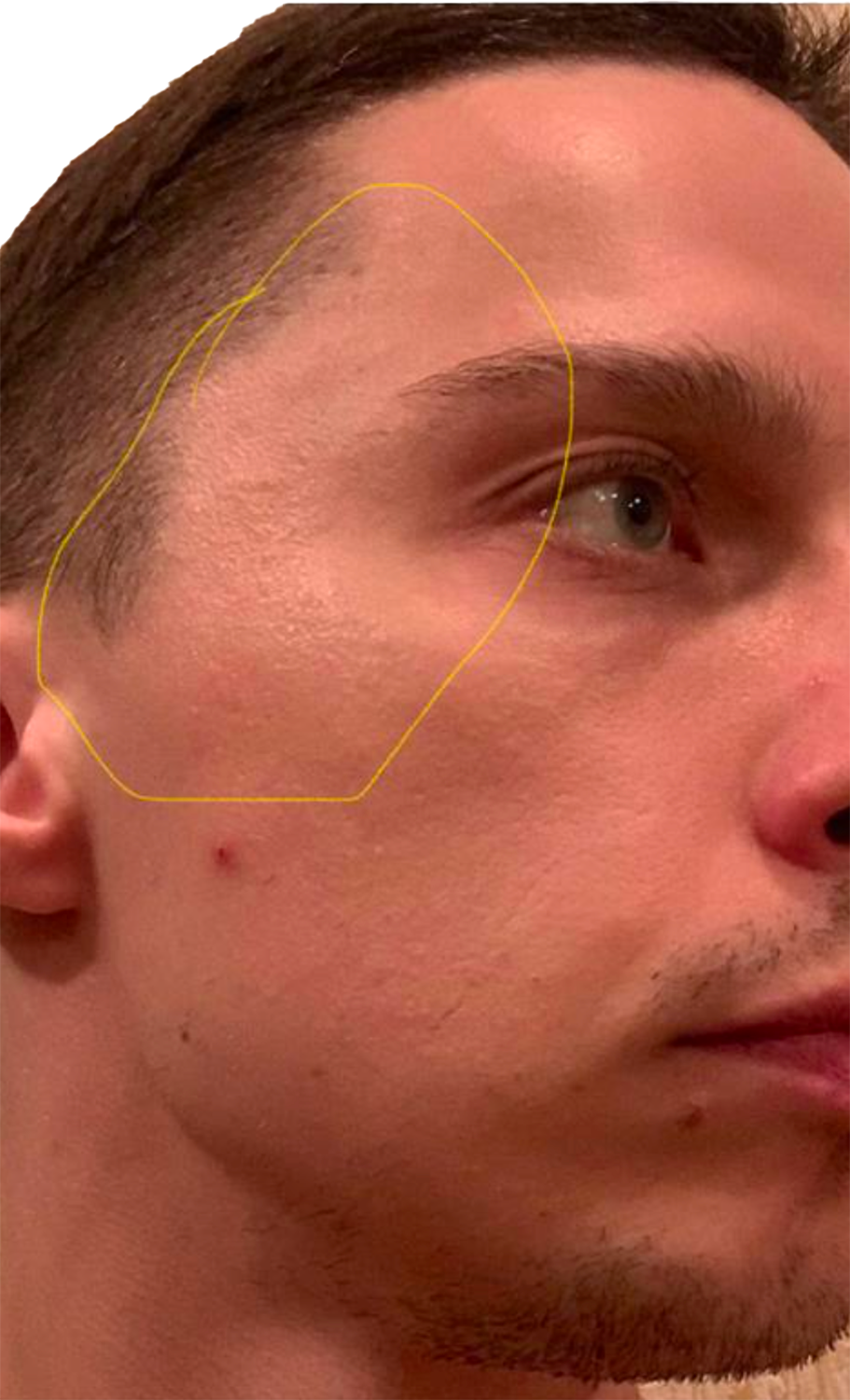
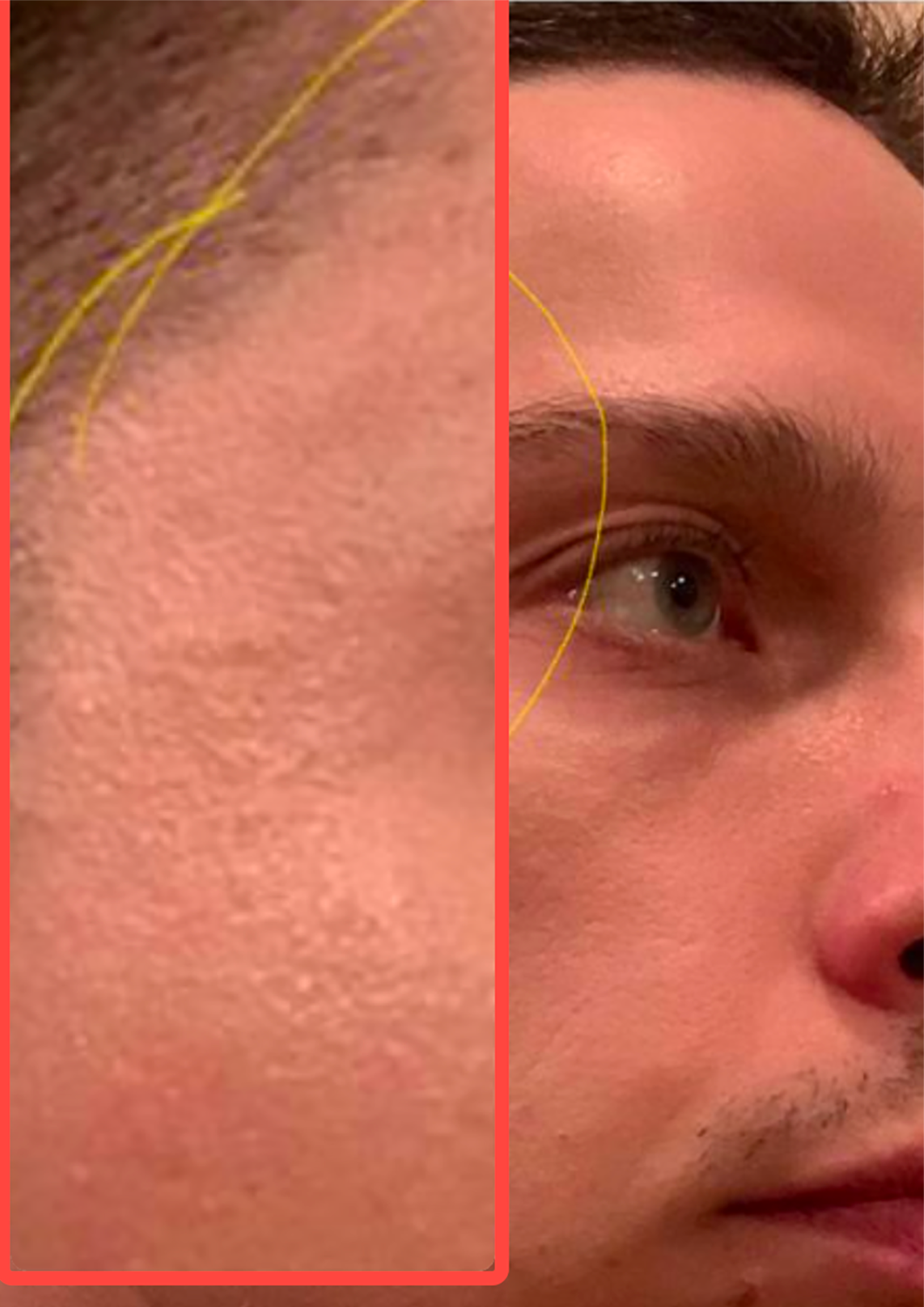
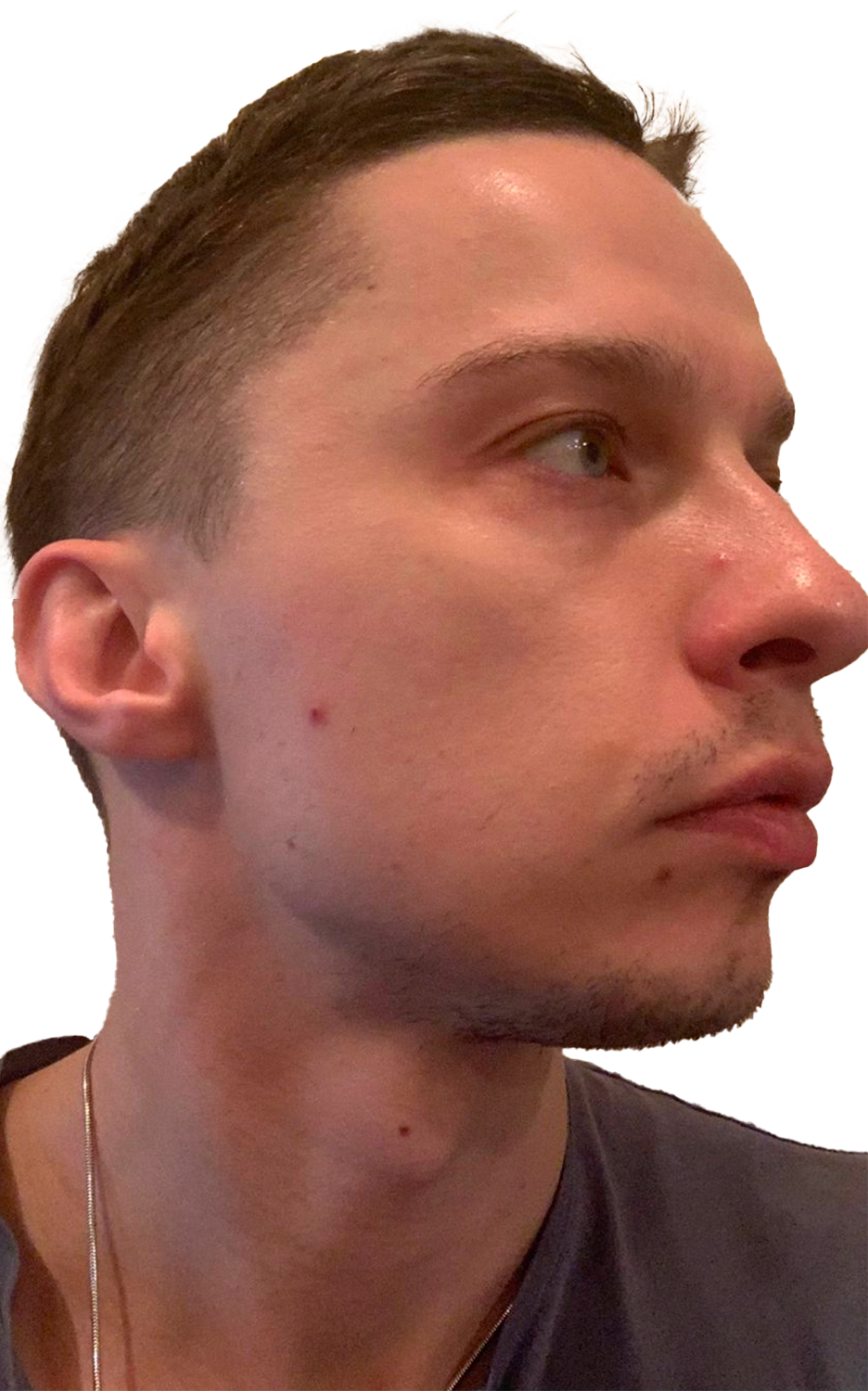
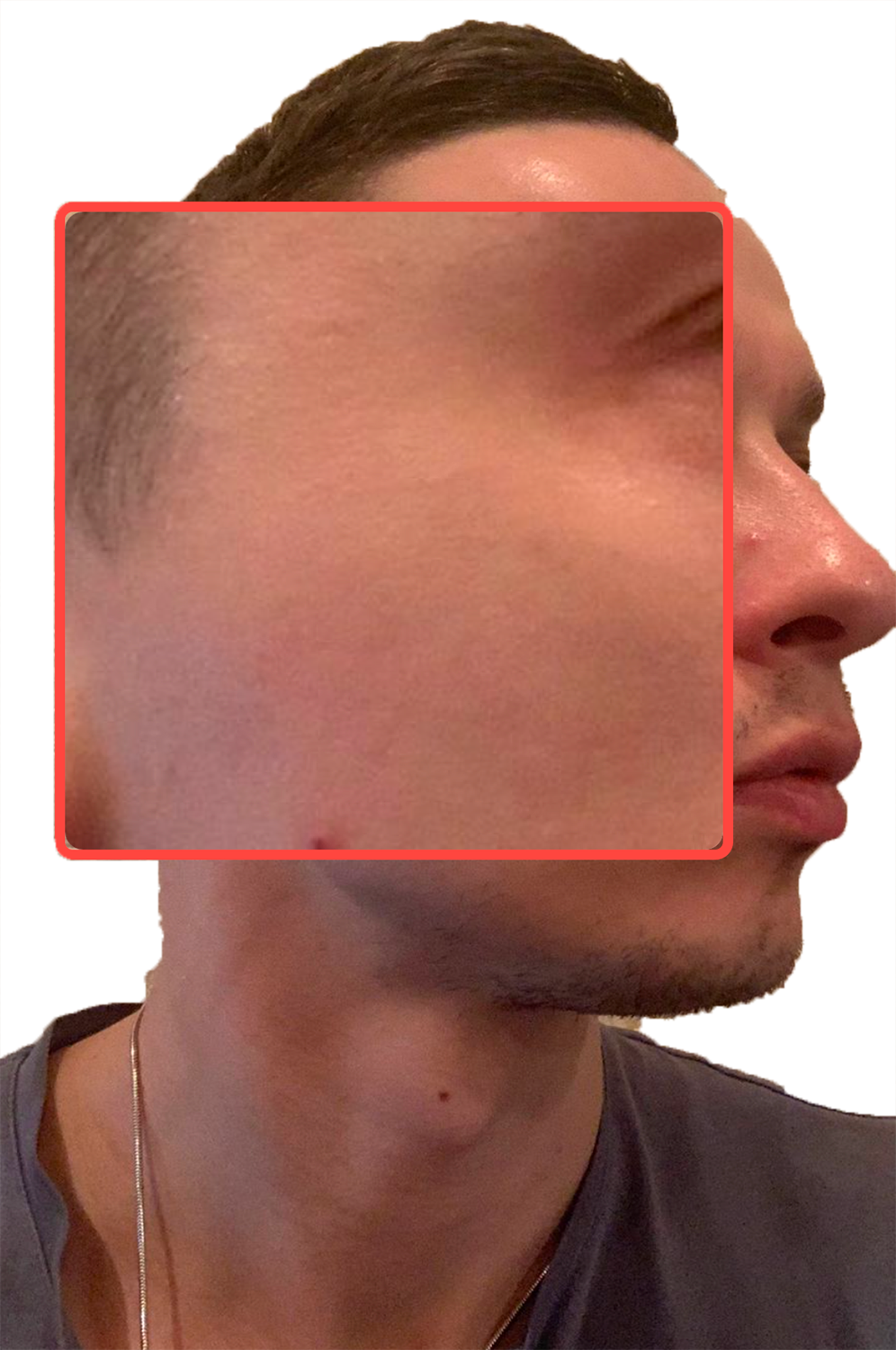
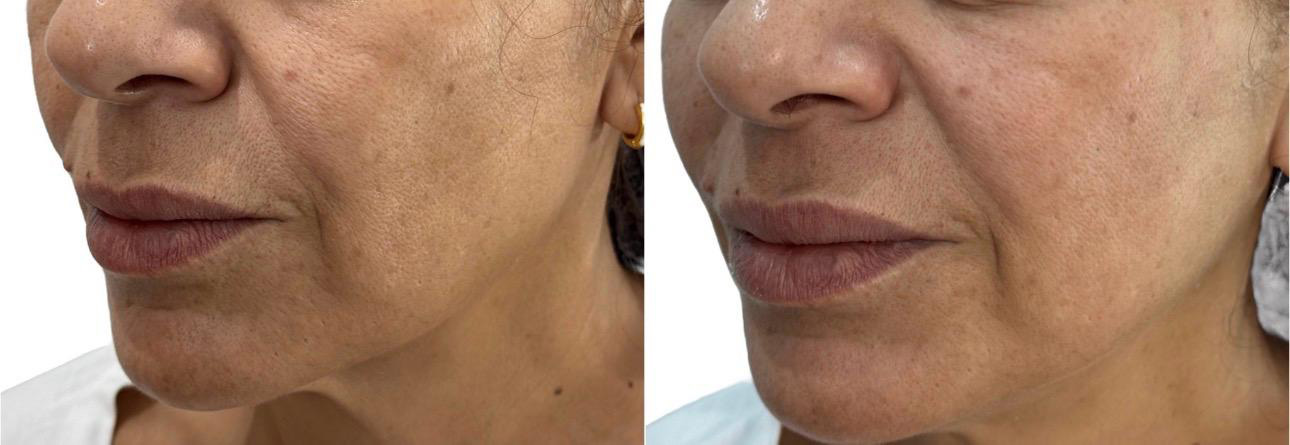
Before and immediately after one 30 Min Peel Off session.
The immediate post-treatment view shows a visibly smoother and more homogeneous skin surface, with improved apparent softness and luminosity. This short-term response is consistent with controlled surface refinement following peel-off removal.
Immediate photographic documentation. Minor variations in lighting, facial position and camera exposure may influence visual perception. The clinical comparisons presented in this section document immediate or short-term visible surface evolution. They do not constitute evidence of permanent structural, wrinkle or pigment correction.


Clinical Documentation FAQ
These questions clarify treatment timing, photographic interpretation, surface-response assessment and the clinical sequencing illustrated by the documented 30 Min Peel Off cases.
An immediate result describes the visible skin-surface response observed directly after complete peel-off removal. This may include a smoother appearance, improved apparent softness, greater luminosity and more homogeneous surface reflection.
It should be interpreted as immediate epidermal surface refinement, not as proof of permanent structural correction.
No. The product name should not be interpreted as an automatic instruction to remove the formulation after exactly 30 minutes. Within the protocol documented on this page, the product is generally left in place for at least 45 minutes before coverage and drying are assessed.
Removal should occur only when the applied layer has formed an adequately dry and coherent film that can be detached gently.
No permanent structural conclusion should be drawn from a single immediate post-treatment comparison. One session may visibly improve surface smoothness, clarity and epidermal uniformity, but established wrinkles, atrophic scars and pigmentary disorders involve mechanisms that cannot be evaluated from one immediate photograph.
Long-term correction requires an indication-specific strategy, appropriate clinical sequencing and follow-up documentation.
Even when photographs are obtained during the same clinical session, small variations may occur in:
Clinical interpretation should therefore focus on coherent visible patterns rather than on exaggerated claims based on isolated photographic differences.
A second layer may be considered when the first application does not provide homogeneous coverage. At the clinical coverage check, the applied product should demonstrate a uniform reflective appearance across the intended treatment area.
Reduced shine or visibly incomplete coverage in selected anatomical regions may indicate insufficient product thickness. In that situation, an additional layer may be applied before beginning a further controlled exposure period.
Yes, but these products should not be added automatically to every session. Their use depends on the remaining clinical indication after peel-off removal.
Product sequencing must remain compatible with skin tolerance, epidermal integrity and professional clinical assessment.
Educational interpretation: clinical photographs support observation and teaching but do not guarantee identical outcomes in other patients.
Continue the Clinical Pathway
Move from clinical documentation to detailed product information, professional protocol orientation and personalized clinical guidance.