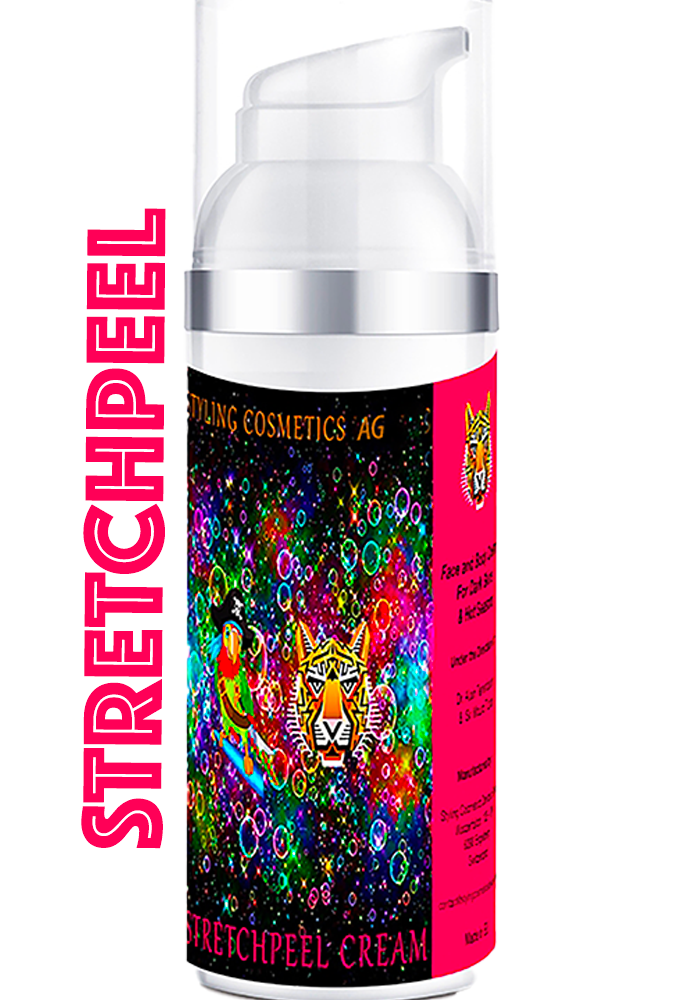
Stretchpeel

  • Intro Text: StretchPeel is a professional protective metabolic cream designed to support a more uniform skin appearance while providing functional UVA–UVB protective support without alcohol-based sunscreen systems. Through the combined action of kojic acid and arbutin, its formulation contributes to the modulation of pigmentation-related pathways and helps limit photo-induced skin stress, supporting surface protection and visual refinement without the drawbacks commonly associated with alcohol-containing sunblocks.
  • Combinations – Before:

    Recommended combinations (before):

    • Aseptiskin – Essential skin cleansing and aseptic surface preparation prior to any dermo-functional or depigmenting procedure, ensuring optimal protocol safety and predictability.
    • PrePeel – Normalizes the skin surface and prepares cutaneous receptivity prior to corrective or depigmenting protocols.
    • Microabrasive Cream – Improves surface uniformity and limits pigment retention on uneven, thickened, or hyperkeratotic areas.

    Clinical benefit: Ensures controlled surface conditions, optimizes skin receptivity, and reduces the risk of post-procedure pigmentation irregularities.

    Typical sequencing: Aseptiskin is applied immediately prior to the procedure. Preparatory products may be used for several days beforehand according to skin profile and protocol objectives.

  • Combinations – After:

    Recommended combinations (after):

    • Post Peel – Supports barrier recovery and helps calm skin reactivity following aesthetic procedures.
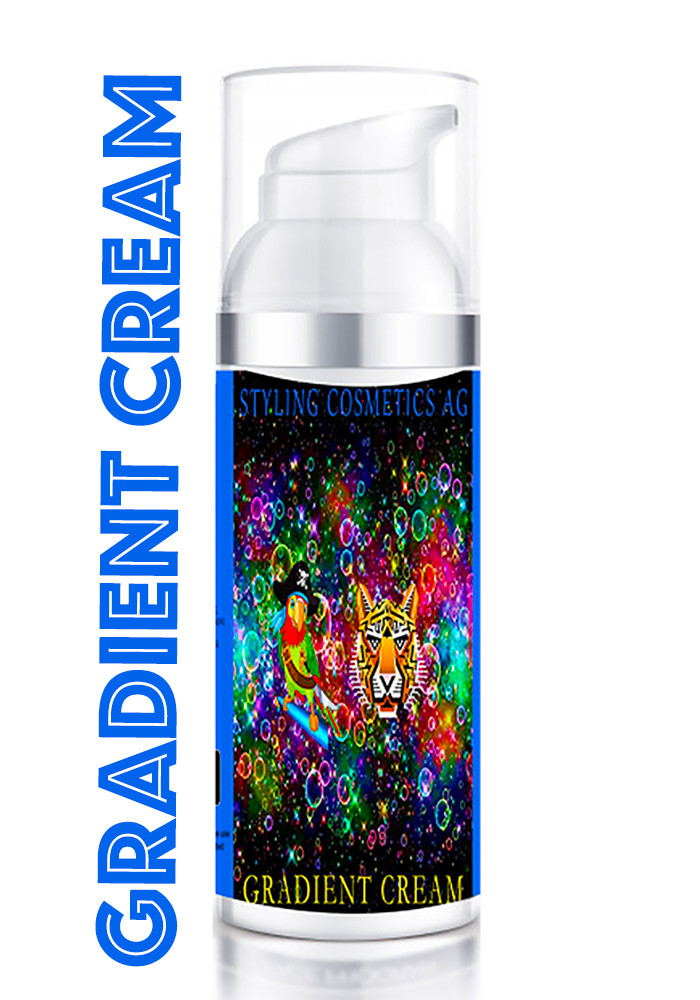
    • Gradient Cream – Provides metabolic support and contributes to progressive improvement of skin quality during recovery and maintenance phases.
    • StretchPeel – Introduced after a minimum interval of approximately 15 minutes following application of Peeling de Luxe Plus, without removing Peeling de Luxe Plus, as a functional photoprotective and pigment-stabilizing layer.

    Clinical benefit: Supports post-procedure recovery while maintaining pigmentation stability and reducing UV-related metabolic stress.

    Typical sequencing: Apply Peeling de Luxe Plus according to protocol. After a controlled waiting period (≈15 minutes), introduce StretchPeel without removing the underlying peel. Complementary care may be applied in the evening as indicated.

  • Combinations – Alternate:

    Recommended combinations (alternate):

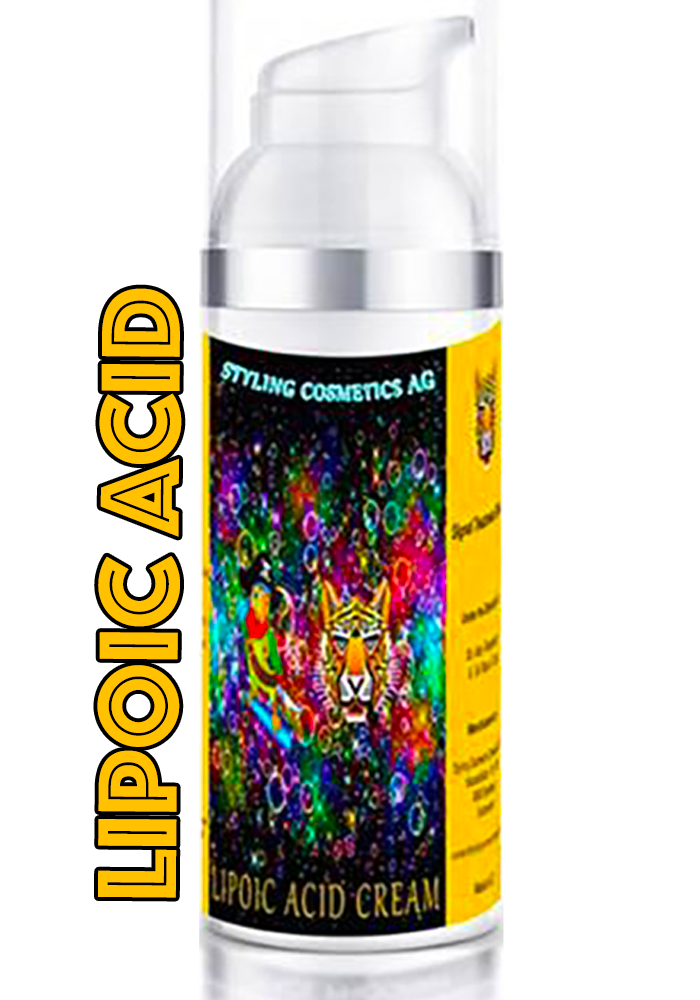
    • Lipoic Acid – Antioxidant and metabolic modulation when alternated to reinforce tolerance and oxidative balance.
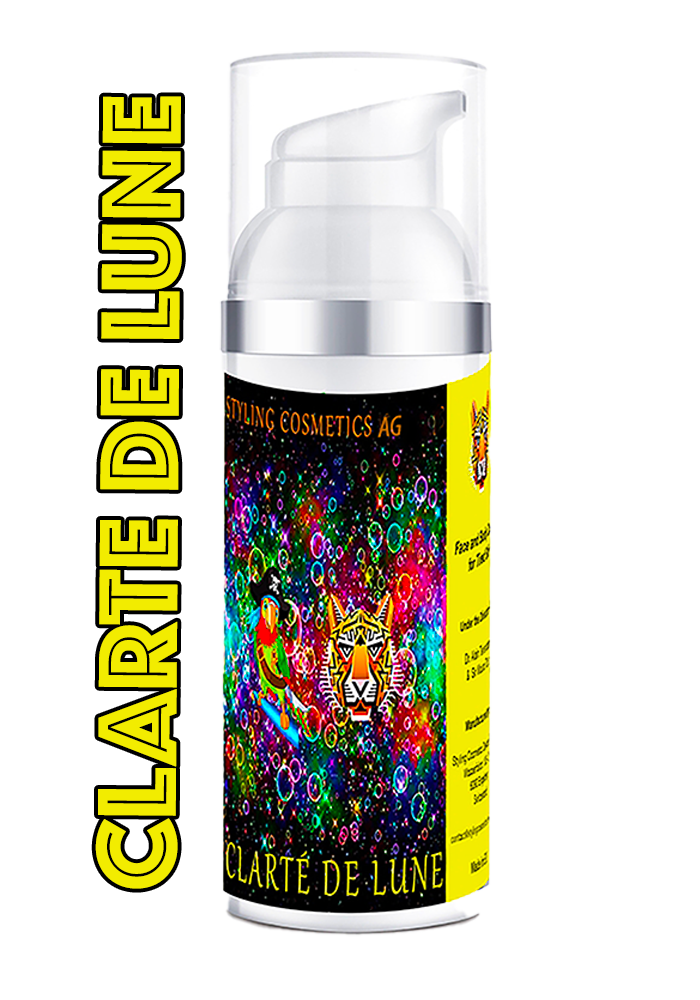
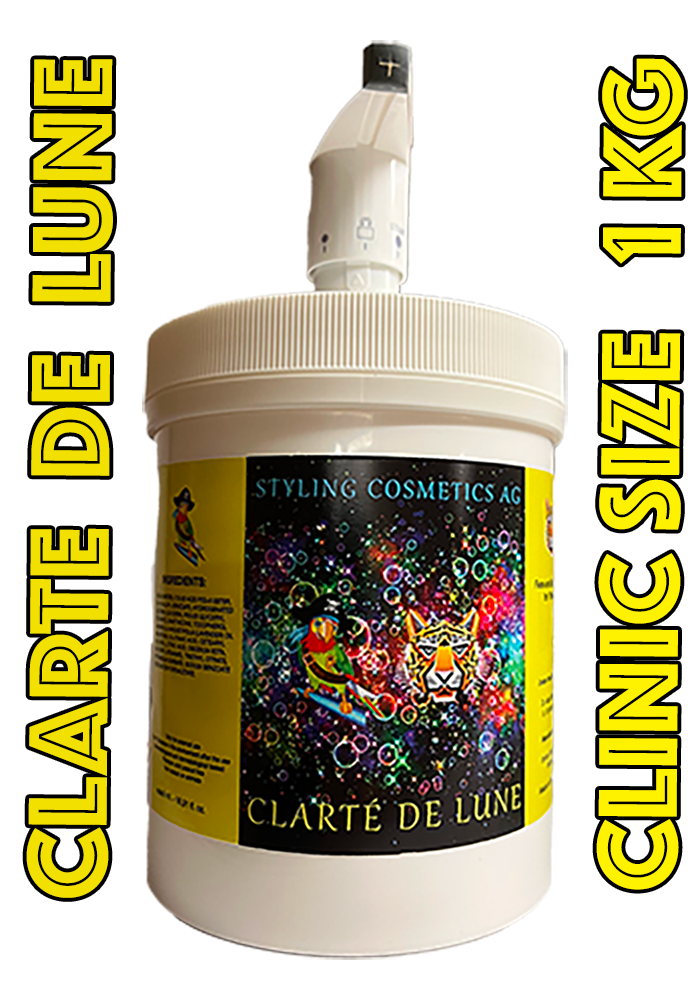
    • Clarté de Lune – Night-time support focusing on oxidative balance and skin comfort.
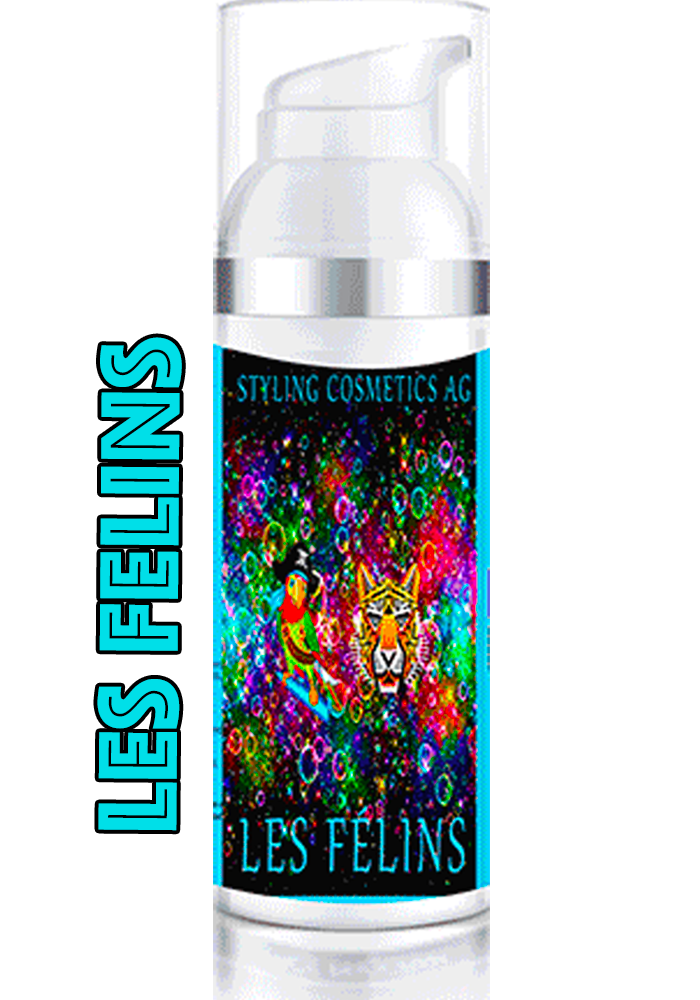
    • Rose du Désert or Les Félins – Enhances hydration and sensory comfort, particularly for sensitive or chronically exposed skin.

    Clinical benefit: Allows flexible alternation of care while preserving comfort, supporting pigment stability, and limiting irritation.

    Typical sequencing: Alternate by day, night, or treated area according to phototype, skin sensitivity, and protocol objectives.

  • Recommended Phototypes: I, II, III, IV, V, VI
  • Formulation Type: Cream-based formulation
  • Topographic Categories: Face , Body , Neck, Décolleté, Periocular, Hands
  • Specific Indications:
    • Support of mild hyperchromias and uneven skin tone.
    • Melasma-prone and hyperchromic skin profiles, including post-inflammatory pigmentation risk.
    • Visible improvement of age-related spots on the hands and other chronically exposed areas.
    • Adjunct care to support pigment balance and epidermal recovery following dermabrasion and chemodermabrasion procedures.
    • Adjunct care to improve skin comfort and surface uniformity after corrective or resurfacing treatments.
    • Functional UVA–UVB protective support for daily exposure through metabolic and biochemical pathways, without reliance on sunscreen labeling or commercial SPF systems, including alcohol-based sunscreens.
    • Maintenance of pigmentation control between corrective procedures and long-term protocols.
    • Skin profiles requiring non-SPF-based photoprotection strategies due to sensitivity or intolerance.
  • Functional Classification: Metabolic Clinical Approach
  • Clinical Approach: Metabolic clinical approach combining pigmentation-modulating agents with functional photoprotective support, designed to limit photo-induced skin stress and support surface protection without alcohol-based occlusive or irritative mechanisms.
  • Primary Clinical Function: Support of pigmentation balance and functional UVA–UVB protection of skin appearance.
  • Downtime: None
  • Desquamation Profile: No desquamation
stretchpeel

Buy It

  • Functional Classification

  • Primary Clinical Function

  • Clinical Approach

Specific Indications

Clinical Parameters

  • Formulation Type

  • Topographic Categories

  • Phototypes

  • Downtime

  • Desquamation Profile

Key Active Ingredients

Key Functional Active Ingredients

StretchPeel is formulated as a functional photoprotective and depigmenting system, acting through metabolic and biochemical pathways rather than SPF-based UV filtering mechanisms.

  • Kojic Acid — functional inhibition of tyrosinase activity, supporting melanin regulation in hyperchromic skin profiles.
  • Alpha-Arbutin — metabolic depigmenting support acting on melanogenesis pathways, suitable for long-term protocols.
  • Antioxidant Complex — protection against UV-induced oxidative stress and support of cellular resilience.
  • Barrier-Supporting Excipients — reinforcement of epidermal comfort and tolerance during daily environmental exposure.

StretchPeel provides functional UVA–UVB protective support through metabolic and biochemical pathways, independent of sunscreen labeling paradigms.

What it is / What it is not

Clinical Identity
WHAT IT IS
  • A dermo-functional product designed for pigmentation modulation and UV-related metabolic stress control.
  • A functional photoprotective support acting through metabolic and biochemical pathways rather than filter-based shielding.
  • A maintenance and stabilization step integrated into hyperchromia protocols, including melasma-prone skin profiles.
  • A high-tolerance daily support designed to preserve comfort and surface uniformity without visible downtime.
WHAT IT IS NOT
  • Not an aggressive peel and not intended to produce deliberate exfoliation or downtime.
  • Not a “filter-based sunscreen” concept: it is based on functional metabolic support.
  • Not a substitute for clinical corrective procedures; it is a protocol stabilizer.
  • Not a product designed for uncontrolled self-medication: it follows professional protocol logic.

This section describes functional protocol positioning and does not constitute a pharmacological or therapeutic claim.

Clinical Considerations & Photoprotection Strategy

Clinical Note – Regarding Commercial Sunscreens

In post-peel, post-dermabrasion, or pigmentation-prone contexts, the systematic use of conventional commercial sunscreens should be carefully reconsidered.

Most over-the-counter SPF formulations commonly contain:

  • Alcohols (ethanol, denatured alcohol, isopropanol) – frequently used as penetration enhancers or texture modifiers, but clinically incoherent in post-procedural or metabolically fragile skin, where they may impair barrier recovery and increase irritation.
  • Metal-based mineral filters (titanium dioxide, zinc oxide) – which, particularly in nanoparticle form, may interfere with post-peel regeneration and have been associated with paradoxical pigmentation responses in sensitive or inflamed skin.

StretchPeel does not aim to replace classical sunscreen logic, but rather to provide a functional surface protection strategy integrated within a metabolic and regenerative approach, especially in contexts where conventional SPF products may be poorly tolerated.

Key Functional Benefits

Functional advantages within professional protocols
  • Supports pigmentation stability and reduces the risk of UV-related metabolic imbalance in hyperchromic and melasma-prone skin profiles.
  • Contributes to surface uniformity and luminosity without inducing exfoliation or visible downtime.
  • Enhances skin comfort and tolerance during and after corrective or resurfacing procedures.
  • Provides functional daily photoprotection support through metabolic pathways, independent of filter-based approaches.
  • Integrates seamlessly into long-term maintenance protocols without interfering with active corrective treatments.

Benefits are described in the context of professional dermo-functional use and observable protocol outcomes.

Combinations with Other Products

  • Before – Skin Preparation

  • After – Post-Procedure / Maintenance

  • Alternate – Synergy & Comfort Modulation

Usage Context

Professional (B2B) use: StretchPeel may be integrated into metabolic or pigment-oriented protocols as a maintenance or consolidation step, particularly following in-office aesthetic procedures. Its formulation supports skin comfort and surface protection without increasing procedural intensity or downtime.

Home-care (B2C) use: StretchPeel is suitable for daily or long-term application as a standalone product or as part of a structured skincare routine. It offers high tolerance and functional photoprotective support, with no expected downtime and good compatibility with prolonged use.

Buy StretchPeel

  • StretchPeel is available for professional and home-care use.
  • Select the appropriate format and quantity according to your clinical practice or personal skincare routine.

Proceed to purchase

swiss-made top-quality

Continue reading

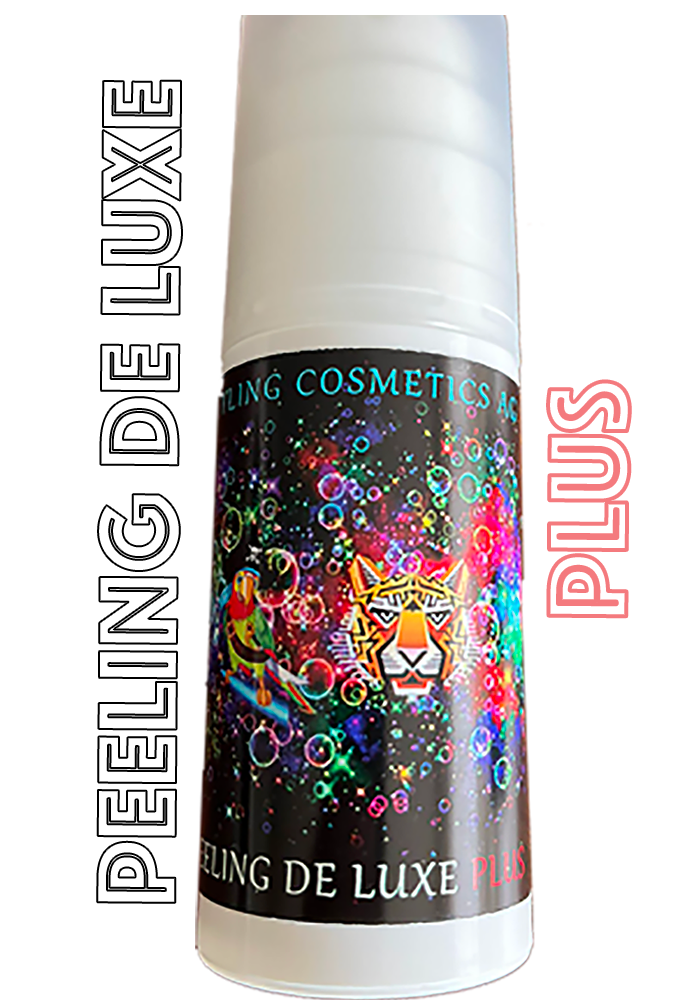
Peeling de Luxe Plus

  • Intro Text: Peeling de Luxe Plus is a professional dermo-functional peeling system designed to act on both skin physiological parameters and visible aesthetic outcomes. It is intended for use by trained practitioners within controlled aesthetic and dermatologic protocols. Compared with Peeling de Luxe, the Plus version contains a higher concentration of key functional actives, providing enhanced buffering capacity, post-peel comfort, and support for advanced peeling strategies.
  • Combinations – Before:

    Before — Skin Preparation

    Use Peeling de Luxe Plus before stronger professional peels to improve surface predictability and practitioner control.

    • Surface homogenization and protocol priming
    • Buffering of excessive reactivity in sensitive or reactive skin
    • More controlled penetration of subsequent peel agents
    • Edge control when planning TCA frosting endpoints

    Combine with (examples):
    Aseptiskin (pre-procedure cleansing) · 30 Min Peel Off (protocol synergy) · Gradient Cream (post-procedure comfort, when appropriate)

  • Combinations – After:

    After — Post-Procedure / Maintenance

    After stronger peels, Peeling de Luxe Plus can be integrated as a functional buffering and comfort-support step within controlled workflows.

    • Buffer residual acidic activity (protocol-dependent)
    • Support epidermal comfort after desquamation
    • Help limit excessive frosting or irritation in multi-step sequences
    • Useful as an interval step between stronger sessions

    Combine with (examples):
    Gradient Cream (barrier comfort support) · Aseptiskin (surface hygiene between sessions) · StretchPeel (protocol alternation when indicated)

  • Combinations – Alternate:

    Alternate — Synergy & Comfort Modulation

    Use Peeling de Luxe Plus as an alternate or standalone dermo-functional metabolic peel when aggressive exfoliation is not indicated or when progressive modulation is preferred.

    • Progressive protocol approach with controlled downtime
    • Comfort modulation in reactive skin contexts
    • Maintenance / interval sessions between stronger procedures
    • Protocol control to avoid harsh demarcation endpoints

    Combine with (examples):
    Gradient Cream · Aseptiskin · (Add your core “Metabolic Peels” products here as you finalize the lineup)

  • Recommended Phototypes: I, II, III, IV, V, VI
  • Formulation Type: Cream-based formulation
  • Topographic Categories: Face , Body , Neck, Décolleté, Periocular, Hands
  • Specific Indications:

    Specific Indications
    Peeling de Luxe Plus is indicated for professional dermo-functional and aesthetic use within controlled protocols in the following contexts:

    • Visible pore enlargement
    • Uneven skin texture and surface irregularities
    • Post-desquamation epidermal recovery support
    • Acne-prone skin protocols (supportive use)
    • Melanin-reactive or melasma-prone skin (functional support)
    • Control of excessive frosting during peel procedures (protocol control)

    Indications refer to professional protocol contexts and do not constitute pharmacological drug claims.

  • Functional Classification: Metabolic Clinical Approach
  • Clinical Approach:

    Clinical approach
    Peeling de Luxe Plus is intended for use within professional dermo-functional and aesthetic peeling protocols, where controlled epidermal modulation and practitioner control are required. It may be integrated as a primary metabolic peel or as part of multi-step procedures, depending on protocol intensity and skin reactivity.

    Within advanced workflows, it is commonly used to buffer excessive acid reactivity, support protocol predictability, and assist in controlling frosting intensity, particularly in TCA-based procedures or combination protocols.

    Expected surface outcomes (protocol-dependent)

    • Refinement of skin texture
    • Improved surface luminosity
    • Enhanced skin radiance (shine)
    • Increased softness to touch
    • Silk-touch feel during manual skin contact

    These outcomes describe observable surface and tactile properties within controlled professional protocols and do not constitute pharmacological claims.

  • Primary Clinical Function: Dermo-functional skin modulation and acid buffering-Support of progressive skin renewal through metabolic regulation and controlled surface exfoliation.
  • Downtime: Minimal to moderate downtime, with variable desquamation profile.Downtime is generally minimal to moderate, depending on skin reactivity, protocol intensity, and combination strategy. Desquamation may range from no visible peeling to soft or micro-desquamation, and in some cases moderate exfoliation. Transient erythema may occur and typically resolves spontaneously within a short time frame.
  • Desquamation Profile: No desquamation, Soft desquamation, Moderate desquamation
peeling-de-luxe-plus

Buy it-Professional login required


Functional Classification & Metabolic Positioning

Definition of metabolic peels

Metabolic peels are defined as peeling systems in which alpha-hydroxy acids (AHA) are structurally associated with retinoic acid (retinoic acid, not retinol or retinoid precursors).

This specific molecular architecture enables controlled metabolic interaction with epidermal pathways, differentiating metabolic peels from conventional acid-based or cosmetic peeling formulations.

Peeling de Luxe Plus belongs to the category of metabolic peels, defined by a specific molecular architecture in which alpha-hydroxy acids (AHA) are structurally associated with retinoic acid (retinoic acid, not retinol or retinoid derivatives).

This configuration allows controlled metabolic interaction with the epidermis, differentiating metabolic peels from conventional cosmetic acid peels.

  • Functional Classification

  • Primary Clinical Function

  • Clinical Approach

Specific Indications

Clinical Highlights - Protocol-Level Effects

Professional use

The points below summarize practical clinical use and expected surface outcomes within controlled protocols.


Specific indications

  • Visible pore appearance tightening
  • May enhance the visible results of other peeling protocols (e.g., 30-minute peel-off)
  • Post-desquamation epidermal comfort and recovery support
  • Frosting stopper support in TCA-based procedures

Buffering & protocol control

  • Acid buffering support
  • Neutralization support (workflow integration)
  • Functional support in melanin-reactive skin contexts (non-drug claim)
  • Acne-prone skin protocol support (adjunct use)

Surface parameters typically targeted

  • Skin texture refinement
  • Enhanced luminosity
  • Improved radiance (surface shine)

Sensory / tactile outcomes

  • Improved softness to touch
  • “Silk-touch” feel after recovery phase

Possible transient side effect

Transient erythema (redness) may occur in reactive skin. This is typically a short-lived hypersensitivity response rather than a complication. When it occurs, it usually resolves spontaneously within less than 1 hour.

What Peeling de Luxe Plus Is / Is Not

What Peeling de Luxe Plus IS

  • A metabolic dermo-functional peel designed for controlled professional protocols.
  • Based on a retinoic-acid–structured AHA system, enabling epidermal modulation rather than simple exfoliation.
  • A protocol-integrated tool intended to support predictability, safety margins, and practitioner control.
  • A functional buffer and frosting modulator, particularly relevant in TCA-based and multi-step peeling strategies.
  • An active component of advanced workflows, including Color Killer protocols for hyperchromias.

What Peeling de Luxe Plus IS NOT

  • Not a standalone aggressive peel intended to replace TCA or high-intensity acids.
  • Not a purely cosmetic exfoliant designed for uncontrolled or routine home use.
  • Not a pharmacological drug or therapeutic treatment for dermatologic disease.
  • Not intended to induce uncontrolled frosting or epidermal damage.
  • Not a substitute for clinical judgment or protocol expertise.

This section defines the professional scope and protocol positioning of Peeling de Luxe Plus and does not constitute pharmacological or therapeutic claims.

Clinical Parameters
Technical Snapshot

  • Formulation Type

  • Topographic Categories

  • Phototypes

  • Downtime

  • Desquamation Profile

Formulation architecture

Peeling de Luxe Plus features a dermo-functional metabolic peel formulation based on a retinoic-acid–structured AHA system.

This specific formulation architecture is designed for professional metabolic peeling protocols, enabling controlled epidermal interaction while remaining distinct from cosmetic acid peels and pharmacological drug formulations.

Key Functional Active Ingredients


Supporting and formulation ingredients listed below (INCI).

Peeling de Luxe Plus

For professional use only

Compared with Peeling de Luxe, the Plus version features a higher concentration of the key functional actives, designed for professional metabolic peeling workflows.


Key Functional Actives

Supporting and formulation ingredients are listed below (INCI).

Retinoic Acid (Stable) key active
BHA functional
Sodium Hyaluronate
Tocopherol
Methionine

Supporting & Formulation Ingredients (INCI)

Aqua (Water)
Lecithin
Magnesium Sulfate
Sorbic Acid
Triethyl Citrate
Rosa Moschata (Musk Rose) Oil
Simulcium

Ingredient information is provided for professional reference within controlled protocols.

Clinical Protocol Feature – Frosting Control

Clinical Protocol Feature — Frosting Control

Peeling de Luxe Plus also acts as a frosting stopper, particularly when used in combination with TCA-based peeling protocols.

Within advanced Color Killer protocols developed by A. Tenenbaum for the management of hyperchromias, Peeling de Luxe Plus is used to:

  • Stop or limit excessive TCA-induced frosting
  • Protect adjacent or peripheral skin areas not requiring full frosting
  • Control frosting intensity when a white–grey or sub-white endpoint is desired
  • Prevent unintended lateral diffusion of TCA beyond the targeted zone

In this context, Peeling de Luxe Plus may be combined with a TCA gel formulation at a lower concentration than the liquid TCA used for the primary peel. This approach allows precise peripheral blocking of frosting extension, without creating visible demarcation lines.

This application is intended for trained professionals within controlled protocols and does not constitute a cosmetic or pharmacological claim.

Why Peeling de Luxe Plus Is Structurally Irreplaceable in Professional Peeling Protocols

Protocol-critical role

Peeling de Luxe Plus occupies a unique and non-substitutable position within professional peeling protocols due to its metabolic architecture and its ability to act simultaneously as a modulator, buffer, and protocol control tool.

Unlike conventional cosmetic or purely exfoliative peels, it is designed to integrate seamlessly into multi-step professional workflows, where predictability, safety margins, and practitioner control are essential.

  • Metabolic peel architecture based on a retinoic-acid–structured AHA system, enabling controlled epidermal modulation rather than simple exfoliation.
  • Functional buffering role before or after stronger peeling agents, improving protocol predictability and epidermal tolerance.
  • Frosting control / frosting stopper in TCA-based procedures, allowing precise management of frosting intensity and peripheral extension.
  • Essential component of advanced protocols, including Color Killer workflows, where selective control of treated and adjacent areas is required.
  • Comfort modulation and recovery support during post-desquamation phases, without interfering with the intended procedural endpoint.

For these reasons, Peeling de Luxe Plus is not an optional add-on, but a central structuring element within professional dermo-functional peeling strategies.

This positioning reflects professional protocol integration and does not constitute a pharmacological or therapeutic claim.

Specific Benefits

Specific Benefits

When integrated into professional dermo-functional peeling protocols, Peeling de Luxe Plus provides a set of specific benefits related to protocol control, epidermal comfort, and surface quality optimization.

  • Improved protocol predictability through controlled buffering and modulation of epidermal reactivity.
  • Enhanced practitioner control during multi-step procedures, particularly in combination with stronger peeling agents.
  • Selective frosting management, allowing precise adjustment of frosting intensity and peripheral extension when required.
  • Optimized post-desquamation comfort, supporting epidermal recovery without interfering with the intended procedural endpoint.
  • Refined surface appearance, including improved texture regularity, luminosity, and tactile perception.

These benefits contribute to a more structured, reproducible, and controllable peeling workflow, making Peeling de Luxe Plus a reliable component of advanced professional protocols.

Benefits refer to functional and procedural advantages observed within professional use contexts and do not constitute therapeutic or pharmacological claims.

Protocol Combinations with Other Products

Clinical Protocols & Visual Outcomes

Representative clinical cases obtained using Peeling de Luxe Plus within controlled protocols

  • results/peeling-de-luxe1

    result1

  • peeling-de-luxe2

    result2

  • results/peeling-de-luxe5

    result5

  • results/peeling-de-luxe3

    result3

  • results/peeling-de-luxe4

    result4

Images shown represent selected clinical cases performed by experienced practitioners. Results may vary depending on protocol, indication, and patient profile.

Peeling de Luxe Plus is integrated within structured metabolic peeling strategies. For an overview of the underlying protocol logic and clinical sequencing, see:

Metabolic Peels – Clinical Protocol Framework

Usage Context

Professional (B2B) use: Peeling de Luxe Plus is intended for professional use by trained practitioners within controlled dermo-functional and aesthetic peeling protocols. It may be applied as a standalone functional peel, as a buffering or modulation step before or after more intensive peeling procedures, or as part of multi-step clinical workflows. Its formulation is designed to support epidermal regulation, acid buffering, and post-desquamation comfort without pharmacological drug action.

Contextual (B2C) use under professional guidance: Peeling de Luxe Plus may be incorporated into short, protocol-defined at-home phases only when explicitly prescribed and supervised by a qualified professional. In this context, its use remains strictly limited to functional skin modulation and maintenance between in-office procedures, and does not constitute a cosmetic home-care product or a medicinal treatment.

Buy Peeling de Luxe Plus

  • Peeling de Luxe Plus is intended for professional use within controlled dermo-functional and aesthetic peeling protocols.
  • Select the appropriate format and quantity according to your clinical workflow, protocol intensity, and professional practice requirements.

Proceed to purchase-Professional login required

swiss-made top-quality

Continue reading

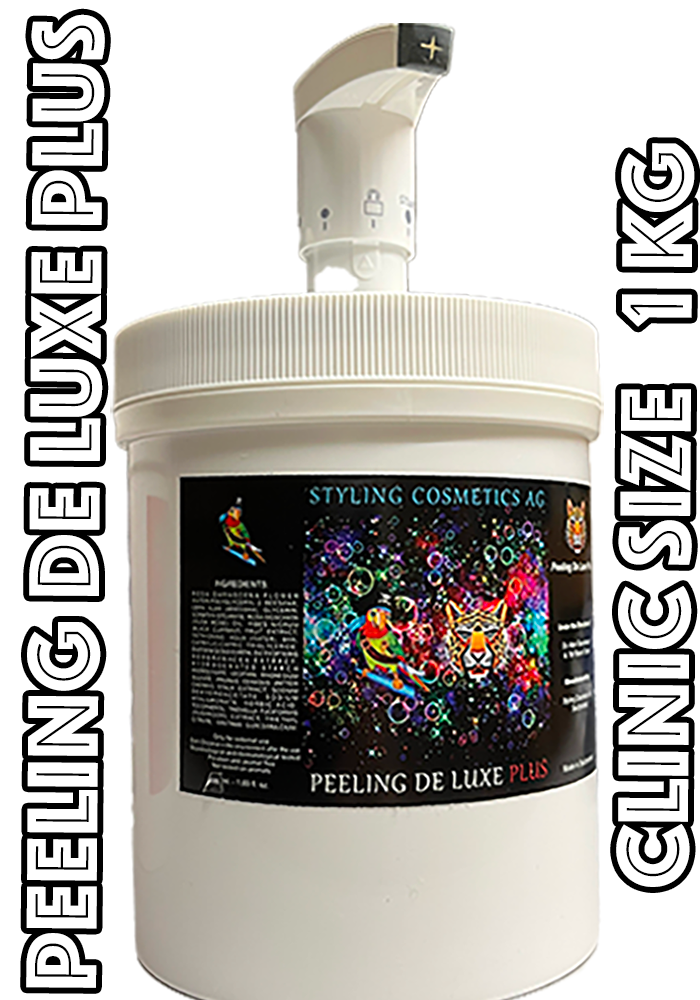
Peeling de Luxe Plus- Clinic-Size

  • Intro Text: Peeling de Luxe Plus is a professional dermo-functional peeling system designed to act on both skin physiological parameters and visible aesthetic outcomes. It is intended for use by trained practitioners within controlled aesthetic and dermatologic protocols. Professional high-volume format designed for intensive clinical use, protocol consistency, and optimized workflow efficiency.
  • Combinations – Before:

    Before — Skin Preparation

    Use Peeling de Luxe Plus before stronger professional peels to improve surface predictability and practitioner control.

    • Surface homogenization and protocol priming
    • Buffering of excessive reactivity in sensitive or reactive skin
    • More controlled penetration of subsequent peel agents
    • Edge control when planning TCA frosting endpoints

    Combine with (examples):
    Aseptiskin (pre-procedure cleansing) · 30 Min Peel Off (protocol synergy) · Gradient Cream (post-procedure comfort, when appropriate)

  • Combinations – After:

    After — Post-Procedure / Maintenance

    After stronger peels, Peeling de Luxe Plus can be integrated as a functional buffering and comfort-support step within controlled workflows.

    • Buffer residual acidic activity (protocol-dependent)
    • Support epidermal comfort after desquamation
    • Help limit excessive frosting or irritation in multi-step sequences
    • Useful as an interval step between stronger sessions

    Combine with (examples):
    Gradient Cream (barrier comfort support) · Aseptiskin (surface hygiene between sessions) · StretchPeel (protocol alternation when indicated)

  • Combinations – Alternate:

    Alternate — Synergy & Comfort Modulation

    Use Peeling de Luxe Plus as an alternate or standalone dermo-functional metabolic peel when aggressive exfoliation is not indicated or when progressive modulation is preferred.

    • Progressive protocol approach with controlled downtime
    • Comfort modulation in reactive skin contexts
    • Maintenance / interval sessions between stronger procedures
    • Protocol control to avoid harsh demarcation endpoints

    Combine with (examples):
    Gradient Cream · Aseptiskin · (Add your core “Metabolic Peels” products here as you finalize the lineup)

  • Recommended Phototypes: I, II, III, IV, V, VI
  • Formulation Type: Cream-based formulation
  • Topographic Categories: Face , Body , Neck, Décolleté, Periocular, Hands
  • Specific Indications:

    Specific Indications
    Peeling de Luxe Plus is indicated for professional dermo-functional and aesthetic use within controlled protocols in the following contexts:

    • Visible pore enlargement
    • Uneven skin texture and surface irregularities
    • Post-desquamation epidermal recovery support
    • Acne-prone skin protocols (supportive use)
    • Melanin-reactive or melasma-prone skin (functional support)
    • Control of excessive frosting during peel procedures (protocol control)

    Indications refer to professional protocol contexts and do not constitute pharmacological drug claims.

  • Functional Classification: Metabolic Clinical Approach
  • Clinical Approach:

    Clinical approach
    Peeling de Luxe Plus is intended for use within professional dermo-functional and aesthetic peeling protocols, where controlled epidermal modulation and practitioner control are required. It may be integrated as a primary metabolic peel or as part of multi-step procedures, depending on protocol intensity and skin reactivity.

    Within advanced workflows, it is commonly used to buffer excessive acid reactivity, support protocol predictability, and assist in controlling frosting intensity, particularly in TCA-based procedures or combination protocols.

    Expected surface outcomes (protocol-dependent)

    • Refinement of skin texture
    • Improved surface luminosity
    • Enhanced skin radiance (shine)
    • Increased softness to touch
    • Silk-touch feel during manual skin contact

    These outcomes describe observable surface and tactile properties within controlled professional protocols and do not constitute pharmacological claims.

  • Primary Clinical Function: Dermo-functional skin modulation and acid buffering-Support of progressive skin renewal through metabolic regulation and controlled surface exfoliation.
  • Downtime: Minimal to moderate downtime, with variable desquamation profile.Downtime is generally minimal to moderate, depending on skin reactivity, protocol intensity, and combination strategy. Desquamation may range from no visible peeling to soft or micro-desquamation, and in some cases moderate exfoliation. Transient erythema may occur and typically resolves spontaneously within a short time frame.
  • Desquamation Profile: No desquamation, Soft desquamation, Moderate desquamation
peeling-de-luxe-plus- clinic-size

Buy it-Professional login required

Definition of metabolic peels

Metabolic peels are defined as peeling systems in which alpha-hydroxy acids (AHA) are structurally associated with retinoic acid (retinoic acid, not retinol or retinoid precursors).

This specific molecular architecture enables controlled metabolic interaction with epidermal pathways, differentiating metabolic peels from conventional acid-based or cosmetic peeling formulations.

Peeling de Luxe Plus belongs to the category of metabolic peels, defined by a specific molecular architecture in which alpha-hydroxy acids (AHA) are structurally associated with retinoic acid (retinoic acid, not retinol or retinoid derivatives).

This configuration allows controlled metabolic interaction with the epidermis, differentiating metabolic peels from conventional cosmetic acid peels.

  • Functional Classification

  • Primary Clinical Function

  • Clinical Approach

Specific Indications

Clinical Highlights - Protocol-Level Effects

Professional use

The points below summarize practical clinical use and expected surface outcomes within controlled protocols.


Specific indications

  • Visible pore appearance tightening
  • May enhance the visible results of other peeling protocols (e.g., 30-minute peel-off)
  • Post-desquamation epidermal comfort and recovery support
  • Frosting stopper support in TCA-based procedures

Buffering & protocol control

  • Acid buffering support
  • Neutralization support (workflow integration)
  • Functional support in melanin-reactive skin contexts (non-drug claim)
  • Acne-prone skin protocol support (adjunct use)

Surface parameters typically targeted

  • Skin texture refinement
  • Enhanced luminosity
  • Improved radiance (surface shine)

Sensory / tactile outcomes

  • Improved softness to touch
  • “Silk-touch” feel after recovery phase

Possible transient side effect

Transient erythema (redness) may occur in reactive skin. This is typically a short-lived hypersensitivity response rather than a complication. When it occurs, it usually resolves spontaneously within less than 1 hour.

What Peeling de Luxe Plus Is / Is Not

What Peeling de Luxe Plus IS

  • A metabolic dermo-functional peel designed for controlled professional protocols.
  • Based on a retinoic-acid–structured AHA system, enabling epidermal modulation rather than simple exfoliation.
  • A protocol-integrated tool intended to support predictability, safety margins, and practitioner control.
  • A functional buffer and frosting modulator, particularly relevant in TCA-based and multi-step peeling strategies.
  • An active component of advanced workflows, including Color Killer protocols for hyperchromias.

What Peeling de Luxe Plus IS NOT

  • Not a standalone aggressive peel intended to replace TCA or high-intensity acids.
  • Not a purely cosmetic exfoliant designed for uncontrolled or routine home use.
  • Not a pharmacological drug or therapeutic treatment for dermatologic disease.
  • Not intended to induce uncontrolled frosting or epidermal damage.
  • Not a substitute for clinical judgment or protocol expertise.

This section defines the professional scope and protocol positioning of Peeling de Luxe Plus and does not constitute pharmacological or therapeutic claims.

Clinical Parameters
Technical Snapshot

  • Formulation Type

  • Topographic Categories

  • Phototypes

  • Downtime

  • Desquamation Profile

Formulation architecture

Peeling de Luxe Plus features a dermo-functional metabolic peel formulation based on a retinoic-acid–structured AHA system.

This specific formulation architecture is designed for professional metabolic peeling protocols, enabling controlled epidermal interaction while remaining distinct from cosmetic acid peels and pharmacological drug formulations.

Key Functional Active Ingredients


Supporting and formulation ingredients listed below (INCI).

Peeling de Luxe Plus

For professional use only

Compared with Peeling de Luxe, the Plus version features a higher concentration of the key functional actives, designed for professional metabolic peeling workflows.


Key Functional Actives

Supporting and formulation ingredients are listed below (INCI).

Retinoic Acid (Stable) key active
BHA functional
Sodium Hyaluronate
Tocopherol
Methionine

Supporting & Formulation Ingredients (INCI)

Aqua (Water)
Lecithin
Magnesium Sulfate
Sorbic Acid
Triethyl Citrate
Rosa Moschata (Musk Rose) Oil
Simulcium

Ingredient information is provided for professional reference within controlled protocols.

Clinical Protocol Feature – Frosting Control

Clinical Protocol Feature — Frosting Control

Peeling de Luxe Plus also acts as a frosting stopper, particularly when used in combination with TCA-based peeling protocols.

Within advanced Color Killer protocols developed by A. Tenenbaum for the management of hyperchromias, Peeling de Luxe Plus is used to:

  • Stop or limit excessive TCA-induced frosting
  • Protect adjacent or peripheral skin areas not requiring full frosting
  • Control frosting intensity when a white–grey or sub-white endpoint is desired
  • Prevent unintended lateral diffusion of TCA beyond the targeted zone

In this context, Peeling de Luxe Plus may be combined with a TCA gel formulation at a lower concentration than the liquid TCA used for the primary peel. This approach allows precise peripheral blocking of frosting extension, without creating visible demarcation lines.

This application is intended for trained professionals within controlled protocols and does not constitute a cosmetic or pharmacological claim.

Why Peeling de Luxe Plus Is Structurally Irreplaceable in Professional Peeling Protocols

Protocol-critical role

Peeling de Luxe Plus occupies a unique and non-substitutable position within professional peeling protocols due to its metabolic architecture and its ability to act simultaneously as a modulator, buffer, and protocol control tool.

Unlike conventional cosmetic or purely exfoliative peels, it is designed to integrate seamlessly into multi-step professional workflows, where predictability, safety margins, and practitioner control are essential.

  • Metabolic peel architecture based on a retinoic-acid–structured AHA system, enabling controlled epidermal modulation rather than simple exfoliation.
  • Functional buffering role before or after stronger peeling agents, improving protocol predictability and epidermal tolerance.
  • Frosting control / frosting stopper in TCA-based procedures, allowing precise management of frosting intensity and peripheral extension.
  • Essential component of advanced protocols, including Color Killer workflows, where selective control of treated and adjacent areas is required.
  • Comfort modulation and recovery support during post-desquamation phases, without interfering with the intended procedural endpoint.

For these reasons, Peeling de Luxe Plus is not an optional add-on, but a central structuring element within professional dermo-functional peeling strategies.

This positioning reflects professional protocol integration and does not constitute a pharmacological or therapeutic claim.

Specific Benefits

Specific Benefits

When integrated into professional dermo-functional peeling protocols, Peeling de Luxe Plus provides a set of specific benefits related to protocol control, epidermal comfort, and surface quality optimization.

  • Improved protocol predictability through controlled buffering and modulation of epidermal reactivity.
  • Enhanced practitioner control during multi-step procedures, particularly in combination with stronger peeling agents.
  • Selective frosting management, allowing precise adjustment of frosting intensity and peripheral extension when required.
  • Optimized post-desquamation comfort, supporting epidermal recovery without interfering with the intended procedural endpoint.
  • Refined surface appearance, including improved texture regularity, luminosity, and tactile perception.

These benefits contribute to a more structured, reproducible, and controllable peeling workflow, making Peeling de Luxe Plus a reliable component of advanced professional protocols.

Benefits refer to functional and procedural advantages observed within professional use contexts and do not constitute therapeutic or pharmacological claims.

Protocol Combinations with Other Products

Clinical Protocols & Visual Outcomes

Representative clinical cases obtained using Peeling de Luxe Plus within controlled protocols

  • results/peeling-de-luxe1

    results1

  • peeling-de-luxe2

    results 2

  • results/peeling-de-luxe5.

    results 5

  • results/peeling-de-luxe3.

    results3

  • results/peeling-de-luxe4.jpg

    results 4

Images shown represent selected clinical cases performed by experienced practitioners. Results may vary depending on protocol, indication, and patient profile.

Peeling de Luxe Plus is integrated within structured metabolic peeling strategies. For an overview of the underlying protocol logic and clinical sequencing, see:

Metabolic Peels – Clinical Protocol Framework

Usage Context

Peeling de Luxe Plus – Clinic Size is intended exclusively for professional use in medical and aesthetic clinical settings where protocol repetition, consistency, and operational efficiency are essential.

The clinic-size format is particularly adapted to:

  • High-frequency professional peeling protocols
  • Multi-patient clinical workflows requiring standardized application
  • Reproducible protocol execution across multiple indications
  • Optimized cost-efficiency per session in daily clinical practice

This format ensures identical clinical performance, formulation behavior, and protocol logic compared to the standard format, while improving stock management and procedural continuity at the practice level.

This usage context reflects professional protocol organization and does not constitute a pharmacological or therapeutic claim.

Buy Peeling de Luxe Plus Clinic Size

  • Peeling de Luxe Plus is intended for professional use within controlled dermo-functional and aesthetic peeling protocols.
  • Select the appropriate format and quantity according to your clinical workflow, protocol intensity, and professional practice requirements.

Proceed to purchase-Professional login required

swiss-made top-quality

Continue reading

Gradient Cream

  • Intro Text: Gradient Cream is a professional metabolic skincare formulation designed to support progressive skin renewal and long-term improvement of skin appearance. Particularly suited for skin showing early signs of aging, this cream helps maintain skin quality, texture, and resilience through a gradual and well-tolerated functional approach.
  • Combinations – Before:

    Recommended combinations (before):

    • PrePeel — Use to degrease the skin and improve uniform receptivity prior to initiating a regenerative anti-aging routine.
    • Microabrasive Sand Cream (body) — Use to refine the surface and remove excess keratin when needed; avoid irritated or compromised skin.

    Clinical benefit: This “before” sequencing helps optimize surface uniformity and tolerance so Gradient Cream can be introduced on a calmer, more receptive skin substrate.

    Typical sequencing: Apply the preparatory step first, then start Gradient Cream once the skin feels comfortable and non-reactive.

  • Combinations – After:

    Recommended combinations (after):

    • Peeling de Luxe Plus — Use Gradient Cream as a maintenance step to support comfort and long-term visible anti-aging effects once acute post-procedure sensitivity has resolved.
    • 30 Min Peel Off — Introduce Gradient Cream after the peel-off phase to maintain skin quality and resilience and to reduce the tendency to dryness.
    • PostPeel Cream — May be alternated or layered according to skin tolerance to support recovery and maintain surface balance.

    Clinical benefit: “After” use supports skin comfort, helps stabilize the visible outcome, and favors long-term consistency without increasing procedural intensity.

    Typical sequencing: Apply Gradient Cream after the active step, once the skin is calm (no stinging, no significant erythema).

  • Combinations – Alternate:

    Recommended combinations (alternate):

    • Lipoic Acid — Alternate to modulate metabolic stimulation while maintaining comfort and long-term regenerative support.
    • Papaya Cream — Alternate for comfort modulation and surface balance, especially in skins prone to dryness or irritation.
    • Les Félins — Add or alternate to reinforce hydration and improve sensory comfort in reactive or dehydrated skin.
    • Rose du Désert — Add or alternate when a cooling, comfort-oriented moisturizer is preferred (e.g., warm climates, friction-prone areas).
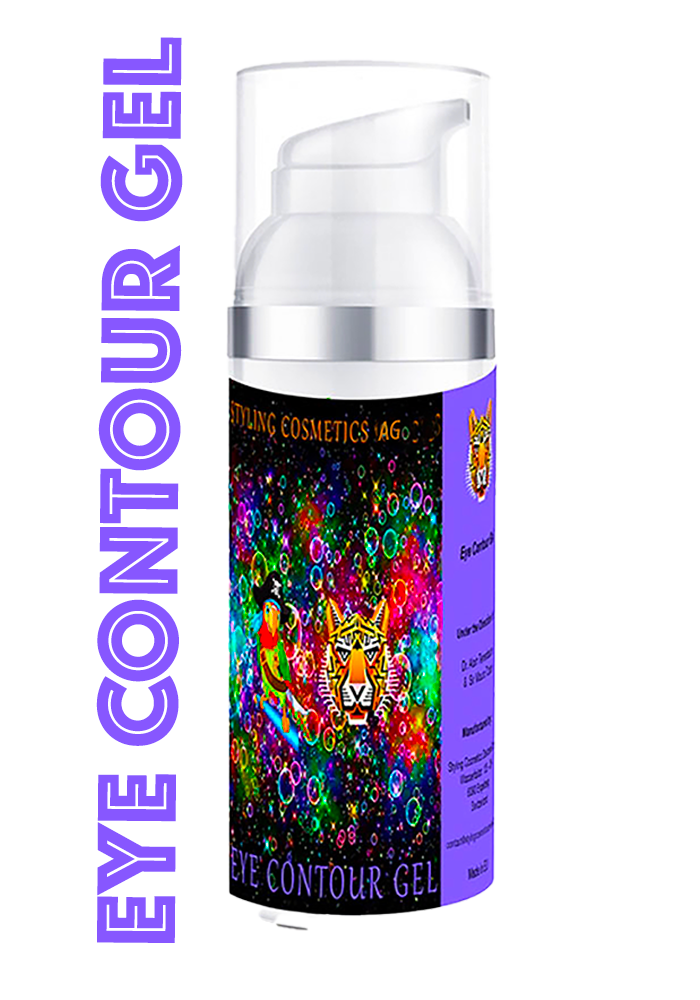
    • Eye Contour Gel — Use in parallel on thin-skin zones (periorbital/forehead/neck) to tailor care by anatomical area.

    Clinical benefit: Alternating products allows personalization: comfort reinforcement, barrier support, or targeted zone care—without escalating peel intensity.

    Typical sequencing: Alternate by days (e.g., Gradient Cream one day, the complementary product the next), or use targeted products on specific zones while Gradient Cream remains the core anti-aging step.

  • Recommended Phototypes: I, II, III, IV, V, VI
  • Formulation Type: Cream-based formulation
  • Topographic Categories: Face , Body , Neck, Décolleté, Periocular, Hands
  • Specific Indications:
    • Early signs of skin aging
    • Premature skin aging
    • Loss of skin vitality and tone
    • Decreased skin resilience
    • Skin requiring long-term metabolic support
    • Maintenance-oriented anti-aging care
  • Functional Classification: Metabolic Clinical Approach
  • Clinical Approach: Metabolic clinical approach based on gradual functional modulation, designed to support long-term skin adaptation, resilience, and surface quality without inducing aggressive or disruptive responses.
  • Primary Clinical Function: Support of progressive skin renewal and maintenance of skin quality over time.
  • Downtime: None
  • Desquamation Profile: No desquamation
gradient cream

Gradient Cream

Buy It


Functional Classification & Clinical Positioning

  • Functional Classification

  • Primary Clinical Function

  • Clinical Approach

Specific Indications

Clinical Highlights

Metabolic Maintenance & Anti-Aging Formulation

Gradient Cream is designed for long-term anti-aging dermo-functional maintenance, supporting the preservation of skin structure, progressive improvement of skin quality, and visible slowing of age-related functional decline. It reinforces barrier stability, comfort, and surface refinement, making it a central component of multi-step aesthetic routines where continuity is the key determinant of anti-aging outcomes.

Primary role
Anti-aging maintenance
Clinical logic
Metabolic stability, barrier integrity, texture preservation
Use pattern
Daily, long-term anti-aging support

In anti-aging strategies, results are not lost because correction fails, but because metabolic maintenance is insufficient. Gradient Cream addresses this critical phase by sustaining skin resilience between and beyond professional interventions.

This positioning reflects professional dermo-functional protocol integration and does not constitute a pharmacological or therapeutic claim.

Product Scope: What Gradient Cream Is / What It Is Not

What it is

  • A metabolic maintenance cream designed for progressive improvement of skin quality.
  • A barrier-support and comfort-modulation step used between or after professional procedures.
  • A daily-use formulation supporting texture, luminosity, and resilience over time.
  • A long-term protocol element that helps maintain results without inducing downtime.

What it is not

  • Not a chemical peel and not intended to create exfoliative “peel events”.
  • Not an aggressive corrective step; its role is maintenance, not acute correction.
  • Not a substitute for professional protocols when a corrective phase is clinically indicated.
  • Not a pharmacological treatment and not presented as a drug or therapeutic agent.

Clinical Parameters

  • Formulation Type

  • Topographic Categories

  • Phototypes

  • Downtime

  • Desquamation Profile

Key Active Ingredients

Gradient Cream is built around a metabolic and bioregenerative formulation, relying on a limited number of functionally active compounds selected for their role in membrane signaling, cellular resilience, and long-term skin quality support.

  • Palmitic Acid – A key structural lipid naturally present in epidermal membranes, involved in protein–lipid signaling pathways and essential for maintaining barrier integrity and cellular communication.
  • Thioctic Acid (Alpha-Lipoic Acid) – A multifunctional metabolic cofactor with antioxidant properties, supporting mitochondrial activity and contributing to improved cellular energy balance and regenerative capacity.
  • Saccharide Isomerate – A biomimetic carbohydrate complex with high skin affinity, enhancing long-lasting hydration and improving tolerance in maintenance-oriented anti-aging protocols.
  • Carob Gum (Ceratonia Siliqua Gum) – A natural polysaccharide contributing to texture stabilization and progressive surface smoothing, supporting skin comfort during long-term use.

This composition is intentionally designed to favor gradual functional improvement rather than aggressive stimulation, making Gradient Cream suitable for prolonged use and high-tolerance anti-aging strategies.

Why Gradient Cream Is Irreplaceable in Long-Term Maintenance Protocols

A maintenance cornerstone, not an optional add-on

Gradient Cream occupies a non-substitutable position in long-term dermo-functional strategies because it supports continuity—the key factor that determines whether results remain stable once active corrective steps are spaced out or completed.

In anti-aging strategies, results are rarely lost because correction fails, but because metabolic maintenance is insufficient. Gradient Cream addresses this critical phase by sustaining cellular resilience, barrier integrity, and functional balance, thereby slowing the visible and structural progression of skin aging over time.

  • Provides barrier stability and comfort modulation, reducing episodic reactivity and improving tolerance over time.
  • Supports progressive refinement of texture and visible skin quality without downtime or protocol interruption.
  • Acts as a maintenance bridge between professional sessions, helping preserve the gains obtained during corrective phases.
  • Enables protocol adherence: daily use is simple, well tolerated, and compatible with long-term anti-aging routines.

In short, Gradient Cream is the maintenance engine of the system—supporting long-term anti-aging outcomes by preserving stability, comfort, and visible refinement when the skin must improve gradually rather than through repeated aggressive interventions.

This positioning reflects professional protocol logic and does not constitute a pharmacological or therapeutic claim.

Specific Benefits

Clinical & functional benefits

  • Supports long-term anti-aging strategies by preserving skin quality between corrective procedures.
  • Helps slow visible age-related changes through continuous metabolic and barrier support.
  • Maintains firmness, texture, and luminosity as part of progressive anti-aging routines.
  • Improves texture and surface uniformity through progressive dermo-functional support.
  • Enhances luminosity and visible skin freshness without irritation-driven “peel effects”.
  • Supports comfort and daily tolerance, including in sensitive or reactive profiles.
  • Helps maintain results between corrective sessions and long-term protocols.
  • Promotes routine adherence thanks to a stable, maintenance-oriented use pattern.

Typical positioning in routines

Gradient Cream is primarily positioned in the Maintenance phase. It can be used daily as a long-term stabilizing step, especially:

  • After professional procedures, once the skin is comfortable
  • Between corrective sessions to maintain stability and quality
  • As a continuous regimen in maintenance-oriented anti-aging strategies

Routine placement depends on protocol design and individual skin tolerance.

Combinations with Other Products

  • Before – Skin Preparation

  • After – Post-Procedure / Maintenance

  • Alternate – Synergy & Comfort Modulation

Usage Context

  • Professional (B2B) use: Integrated into metabolic or regenerative protocols as a maintenance or consolidation step, particularly after in-office procedures.
  • Home-care (B2C) use: Daily or long-term application as a standalone product or within a structured routine, with high tolerance and no expected downtime.

Buy Gradient Cream

  • Gradient Cream is available for professional and home-care use.
  • Select the appropriate format and quantity according to your practice
    or personal skincare routine.

Proceed to purchase

swiss-made top-quality

Continue reading

Les Félins

  • Intro Text: Les Félins is a high-performance hydrating cream designed to deliver intense skin hydration with rapid absorption and a lightweight, non-greasy finish. Its formulation provides an immediate sensation of skin comfort and freshness, supporting prolonged hydration while maintaining a breathable and weightless skin feel.
  • Recommended Phototypes: I, II, III, IV, V, VI
  • Formulation Type: Cream-based formulation
  • Topographic Categories: Face , Body , Neck, Décolleté, Periocular, Hands, Scalp, Foot
  • Functional Classification: Metabolic Clinical Approach
  • Clinical Approach: Metabolic clinical approach focused on optimizing skin hydration through high-affinity, fast-absorbing formulation, designed to deliver prolonged comfort and a breathable, non-greasy skin feel without occlusive effects.
  • Primary Clinical Function: Support of intense skin hydration with rapid absorption and maintenance of skin comfort.
  • Downtime: None
  • Desquamation Profile: No desquamation
les felins

Les Félins

The most hydratant and moisturizer cream with quick penetration.

Homecare moisturizing cream quick skin penetration daily and night use.

Ingredients List

  • aqua (water)

  • rosa moschata (musk rose) oil

Specific Indications

  • Restores an appropriate balance in terms of hidration

  • Restores an appropriate balance in terms of olfactory sensation

  • Rehidrates the skin after any peeling or acid

  • Rehidrates the skin after sun exposure

  • Rehidrates the skin on smokers

  • Rehidrates the skin after abuse of alcohol 

  • Hides the unpleasant smell after post alcoholic beverage consumation

Desquamation

no desquamation

For which phototypes can it be applied ?

phototypes

Buy It

swiss made top quality

Continue reading

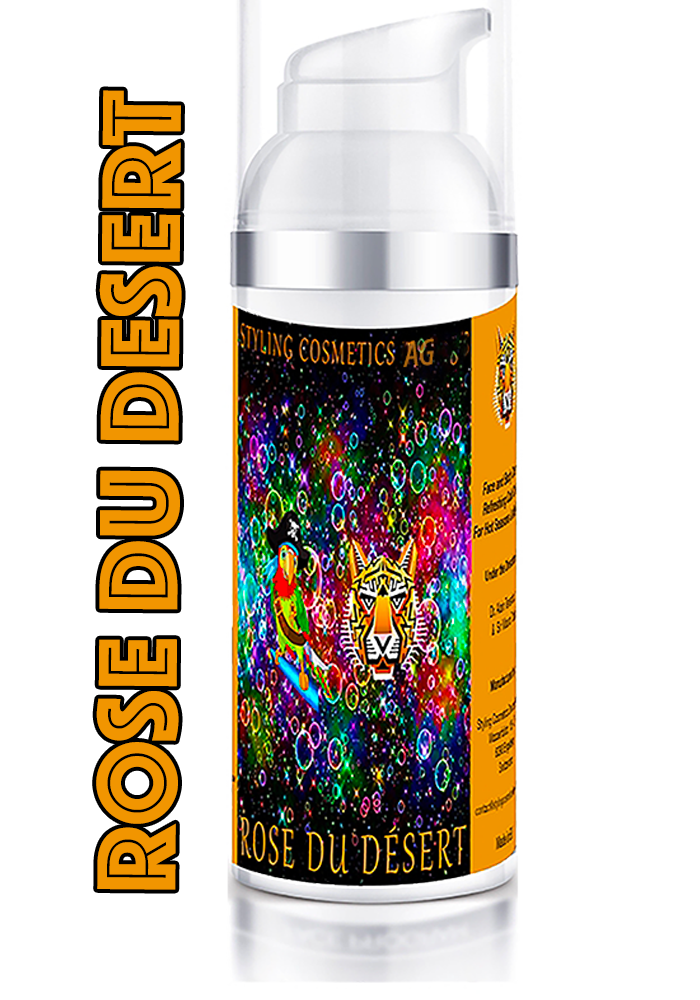
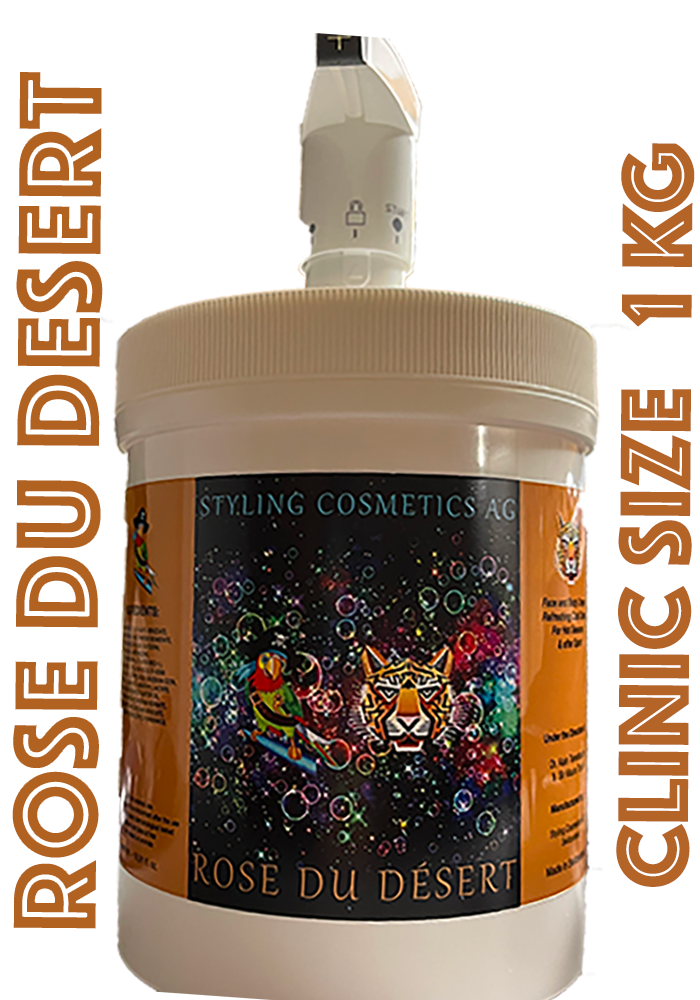
Rose du Désert

  • Intro Text: Rose du Désert Cold Cream is a fast-absorbing moisturizing formulation designed to deliver an immediate sensation of freshness and skin comfort, even in warm or occlusive conditions. Inspired by the cooling resilience of a rose thriving in the desert, this cream provides a breathable, non-greasy “air-conditioned” skin feel, supporting hydration, freshness, and comfort on both exposed and sensitive skin areas.
  • Recommended Phototypes: I, II, III, IV, V, VI
  • Formulation Type: Cream-based formulation
  • Topographic Categories: Face , Body , Neck, Décolleté, Periocular, Hands, Scalp, Foot
  • Functional Classification: Metabolic Clinical Approach
  • Clinical Approach: Metabolic clinical approach focused on regulating skin comfort and freshness through lightweight hydration and a cooling sensory effect, designed to maintain a breathable skin environment without occlusion or irritation.
  • Primary Clinical Function: Support of skin hydration, freshness, and comfort through fast-absorbing cooling moisturization.
  • Downtime: None
  • Desquamation Profile: No desquamation
rose du desert

Rose du Désert

Moisturizer COLD cream with quick penetration giving a  sensation of skin air condition for a duration of minimum 6 hours.

The name  is given because of the cooling effect as a rose in a desert,acting like a natural air conditioning on the skin.


Ingredients List

  • AQUA (WATER)

  • CITRIC ACID

  • DISODIUM EDTA

  • MENTHOL


Specific Indications

  • Cold Cream

     
  • Anti Inflammatory

     
  • Thermoregulator

     
  • Attenuation of Perspiration

  • Reduces Edema after Treatments by Injectables

  • Reduces Edema after Treatments using Threads

     
  • Keeps the skin fresh and cold during hot seasons

  • Post Sauna Skin Treatment

  • Calms sunburns

  • Post Hot Shower Skin Treatment

  • Comfort Treatment to keep the body fresh and cool before exposure to hot temperatures

  • Hides bad smells on intime areas

  • Comfort Cream on Intime Areas before and after sex

Contra Indications

  • Allergy or Sensitivity to Menthol

     
  • Open wounds

     
  • Rashes

     
  • Eczema

  • Rosacea

  • Rosacea

     
  • Using it around the eyes

  • Using it around the lips

  • Using it before Laser Treatments

  • Using it near chest area if nursing ( breastfeeding,pregnancy)

  • If you already take medications affecting skin sensivity

Desquamation

no desquamation

For which phototypes can it be applied ?

phototypes

Buy It

swiss made top quality

Continue reading

Rose du Désert - Clinic Size

  • Intro Text: Moisturizer COLD cream with quick penetration giving a sensation of skin air condition for a duration of minimum 6 hours... This name is given because of the cooling effect as a rose in a desert,acting like a natural air conditioning on the skin.
  • Topographic Categories: Face , Body , Neck, Décolleté, Periocular, Hands, Scalp, Foot
  • Functional Classification: Metabolic Clinical Approach
  • Clinical Approach: Metabolic clinical approach focused on enhancing skin adaptation, hydration balance, and barrier stability without inducing exfoliation or irritation.
  • Primary Clinical Function: Support of skin adaptive mechanisms and barrier resilience under environmental stress.
  • Downtime: None
  • Desquamation Profile: No desquamation
rose du desert clinic size

Rose du Désert
Clinic Size 1 Kg

Moisturizer COLD cream with quick penetration giving a  sensation of skin air condition for a duration of minimum 6 hours.

This name is given because of the cooling effect as a rose in a desert,acting like a natural air conditioning on the skin.


Ingredients List

  • AQUA (WATER)

  • CITRIC ACID

  • DISODIUM EDTA

  • MENTHOL


Specific Indications

  • Cold Cream

     
  • Anti Inflammatory

     
  • Thermoregulator

     
  • Attenuation of Perspiration

  • Reduces Edema after Treatments by Injectables

  • Reduces Edema after Treatments using Threads

     
  • Keeps the skin fresh and cold during hot seasons

  • Post Sauna Skin Treatment

  • Calms sunburns

  • Post Hot Shower Skin Treatment

  • Comfort Treatment to keep the body fresh and cool before exposure to hot temperatures

  • Hides bad smells on intime areas

  • Comfort Cream on Intime Areas before and after sex

Contra Indications

  • Allergy or Sensitivity to Menthol

     
  • Open wounds

     
  • Rashes

     
  • Eczema

  • Rosacea

  • Rosacea

     
  • Using it around the eyes

  • Using it around the lips

  • Using it before Laser Treatments

  • Using it near chest area if nursing ( breastfeeding,pregnancy)

  • If you already take medications affecting skin sensivity

Desquamation

no desquamation

For which phototypes can it be applied ?

phototypes

Buy It

top-quality swiss-made

Continue reading

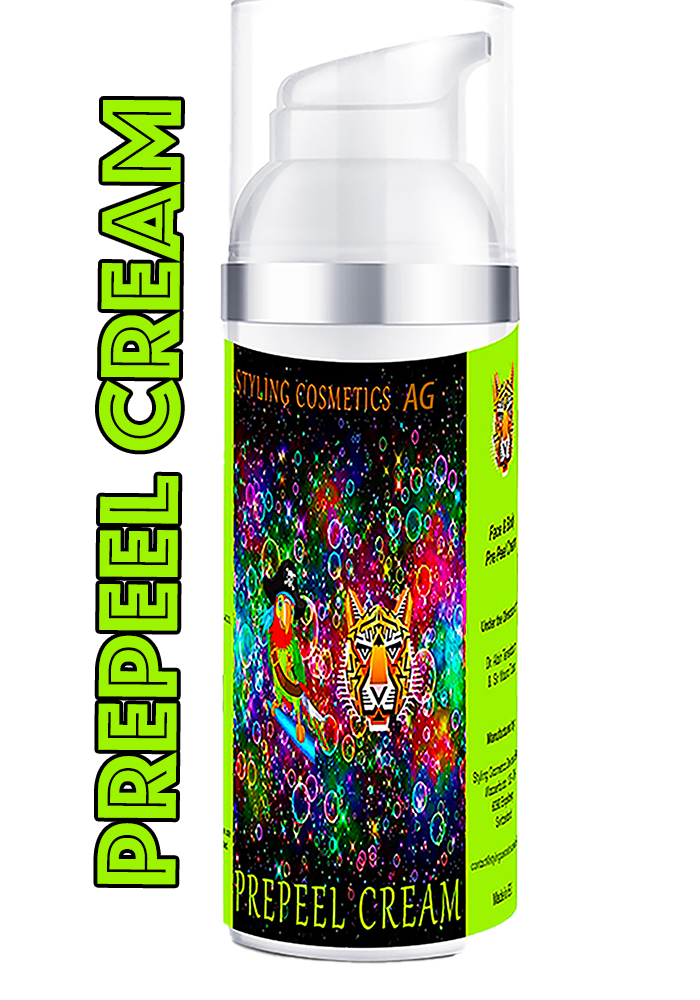
PrePeel

  • Intro Text: PrePeel is a professional skin preparation solution formulated with four alpha-hydroxy acids (AHA) characterized by a pKa above 3, designed to optimize skin surface conditions prior to aesthetic procedures. This formulation helps reduce excess surface lipids and improve skin readiness, enhancing uniformity and tolerance as an initial step within professional skincare and peeling protocols.
  • Recommended Phototypes: I, II, III, IV, V, VI
  • Formulation Type: Cream-based formulation
  • Topographic Categories: Face , Body , Neck, Décolleté, Periocular, Hands
  • Functional Classification: Metabolic Clinical Approach
  • Clinical Approach: Metabolic clinical approach based on mild alpha-hydroxy acid activity, designed to reduce excess surface lipids and enhance skin uniformity and tolerance prior to subsequent aesthetic protocols.
  • Primary Clinical Function: Optimization of skin surface conditions and readiness for professional procedures.
  • Downtime: None
  • Desquamation Profile: No desquamation
PrePeel

PrePeel

Prepeel contains 4 alpha hydroxy acids with pKa >3 and is used to degrease the skin and also as 1 st step in the acné treatment.

Pre Peel Cream is interesting by its INCI Ingredients and Composition .

It can be used daily to prepare the skin 2 weeks applying the peels procedure beginning with any acids like TCA .

It is mostly used in case of fat skins to degrease them before the TCA application which begins 2 weeks after.

It is really a pre peel as it contains 3 fruit acids : citric acid, tartaric acid, malic acid , all with pKa >3 detailled in the Classification of Peels by Alain Tenenbaum.

The citric acid cycle allows production and accumulation of energy.

PrePeel speeds the process in context  where the metabolism is slowed down due to aging (oxidation of regulatory and coding elements of DNA).


Ingredients List

  • Citric Acid

  • Tartaric Acid

  • Malic Acid

Specific Indications

  • Keratoregulator

  • Moisturizer

  • Epidermis Regeneration

  • Attenuation of Signs related to Age

  • Common Acne

Desquamation

soft-desquamation

For which phototypes can it be applied ?

phototypes

Buy It

swiss made top quality

Continue reading

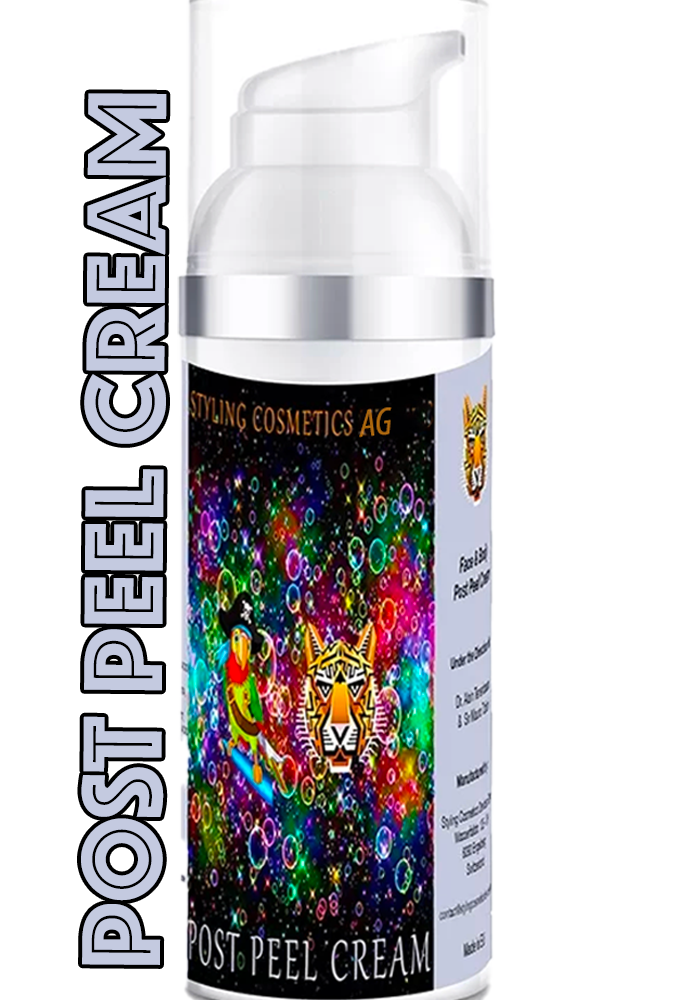
PostPeel

  • Intro Text: PostPeel Cream is a professional after-care formulation designed to support skin recovery and comfort following in-clinic peeling procedures. Intended for home use, this cream helps maintain skin balance, hydration, and surface integrity during the post-procedure phase, without inducing further exfoliation.
  • Recommended Phototypes: I, II, III, IV, V, VI
  • Formulation Type: Cream-based formulation
  • Topographic Categories: Face , Neck, Décolleté, Periocular, Hands
  • Functional Classification: Metabolic Clinical Approach
  • Clinical Approach: Metabolic clinical approach focused on restoring skin comfort and surface balance after exfoliative procedures, supporting recovery without further peeling or irritation.
  • Primary Clinical Function: Support of skin comfort, balance, and recovery following peeling procedures.
  • Downtime: None
  • Desquamation Profile: No desquamation
PostPeel

PostPeel

PostPeel Cream is used to go on peeling at home .

Post Peel cream is interesting by its properties of

  • -skin protector dued to dimethicone
  • - sunscreen dued to titanium dioxide
  • - microorganisms killer dued to potassium sorbate and sodium dehydroacetate
  • - inactivating metal ions dued to disodium EDTA
  • -abrasive and bulking agent dued to sweet almond oil
  • - antioxidant dued to ascorbyl palmitate ( Vitamin C) and tocopherol.
  • The presence of citric acid in Post Peel Cream allows to go on peelings procedure at home if the patient cannot respect the protocol ( 3,2,1,1) of the physician .

It has then to be applied each day before the next appointment with the physician.

Post Peel Cream may be replaced by green lemon juice daily because citric acid is not a skin protector, has no sunscreen inside, does not inactivate metal ions ( and therefore tatoos may happen) , is not abrasive and so on...


Ingredients List

  • AQUA (WATER)

  • PANTHENOL

  • TOCOPHERYL ACETATE

  • GLYCYRRHETINIC ACID

  • TITANIUM DIOXIDE

  • DISODIUM EDTA,

  • DIMETHICONE

  • TOCOPHEROL

  • CITRIC ACID

Specific Indications

  • Use PostPeel after any acid like TCA or AHA at home as it will improve the restorative phase post peeling.
  • To use immediately after peeling de luxe.
  • Which creams are recommended to use after PostPeel:
                       -lipoic acid cream 
                       -papaya cream.
                       -clarté de lune

Desquamation

soft desquamation

For which phototypes can it be applied ?

phototypes

Buy It

swiss made top quality

Continue reading

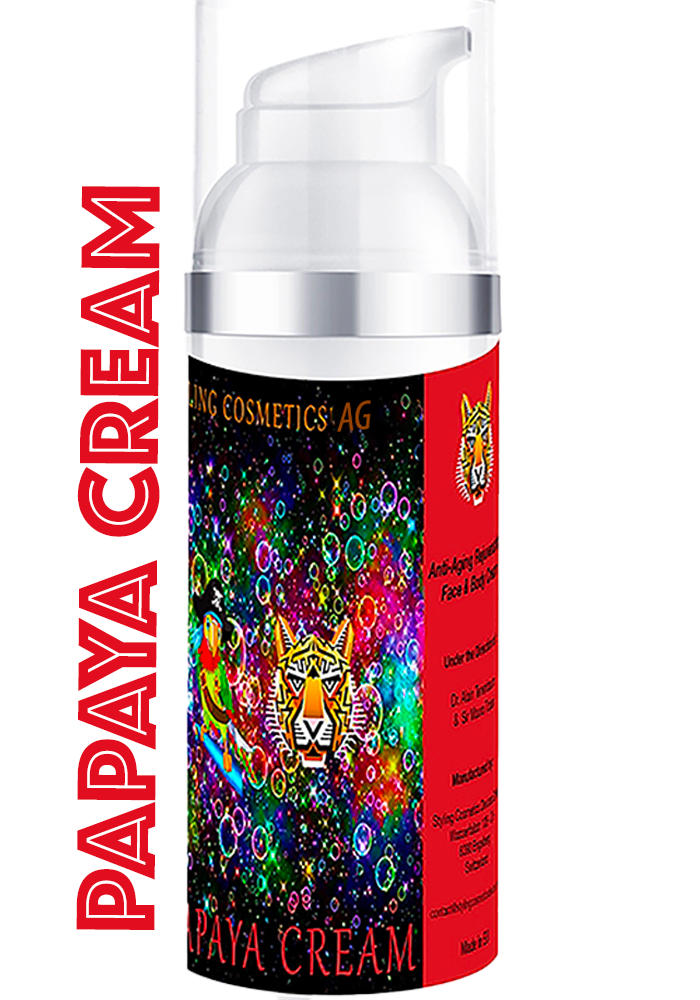
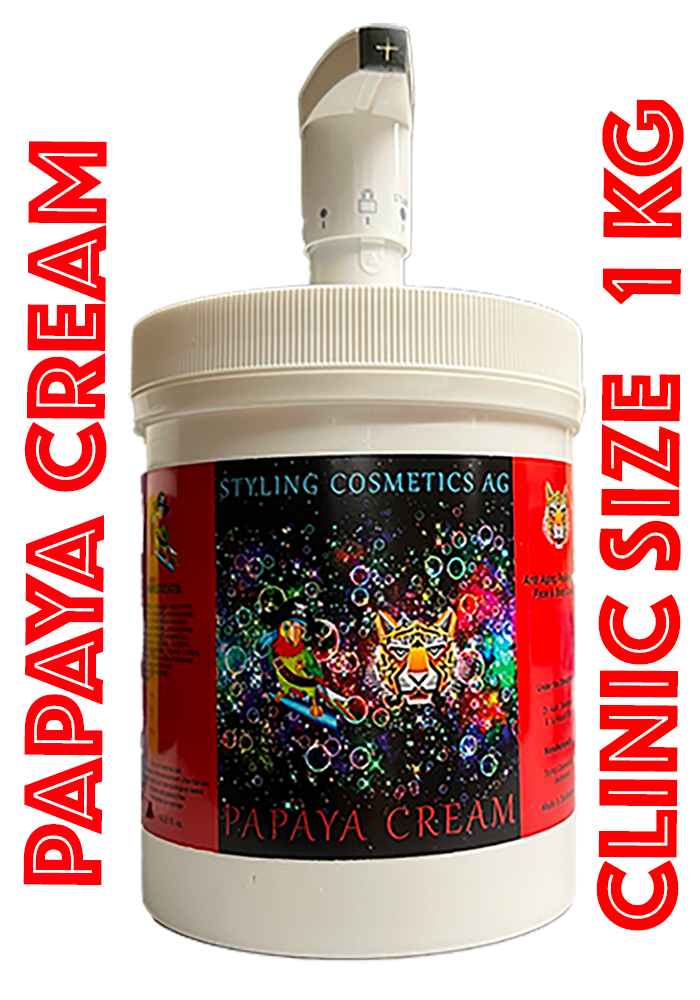
Papaya Cream

  • Intro Text: Papaya Cream is a professional enzymatic exfoliating formulation designed to support gentle skin surface renewal through metabolic, non-aggressive mechanisms. Based on papaya-derived enzymatic activity, this cream helps improve skin smoothness and uniformity while maintaining comfort and tolerance, making it suitable for sensitive or reactive skin types.
  • Recommended Phototypes: I, II, III, IV, V, VI
  • Formulation Type: Cream-based formulation
  • Topographic Categories: Face , Body , Neck, Décolleté, Periocular, Hands
  • Functional Classification: Metabolic Clinical Approach
  • Clinical Approach: Metabolic clinical approach based on papaya-derived enzymatic activity, designed to promote gentle and uniform skin surface renewal without inducing chemical exfoliation, irritation, or barrier disruption.
  • Primary Clinical Function: Support of gentle enzymatic skin surface renewal while preserving skin comfort and tolerance.
  • Downtime: None
  • Desquamation Profile: No desquamation, Soft desquamation
papaya cream

Papaya Cream

Vegetal glycolic acid is the main active ingredient in the papaya cream, having all advantages of glycolic acid without disadvantages.

Papaya Cream is a not dangerous alternative to glycolic acid.

Papaya Cream is also an Anti-Aging Rejuvenating Face & Body Cream.

Papaya Cream contains highly active papaya compounds to help enhance the visibility of skin smoothness and anti aging molecules.

Benefits :

  • more youthful-looking facial skin
  • Life Extension Anti-Aging Rejuvenating


Ingredients List

  • Glycolic Acid

  • Citric Acid

Specific Indications

  • excellent indication for tired skin

  • excellent indication for smokers skin

  • excellent indication for skin attacked by pollution

  • excellent indication for the skin in case of oxidative stress  (Papaya cream will in such case send the cells which have undergone oxidative damage in apoptosis)

  • Suitable for elderly subjects or prone to premature aging

  • After hair body removal ,Paapya Cream helps to prevent too fast body hair growth

Desquamation

soft-desquamation

For which phototypes can it be applied ?

phototypes

Buy It

swiss made top quality

Continue reading

Share this website on your social medias