
Core
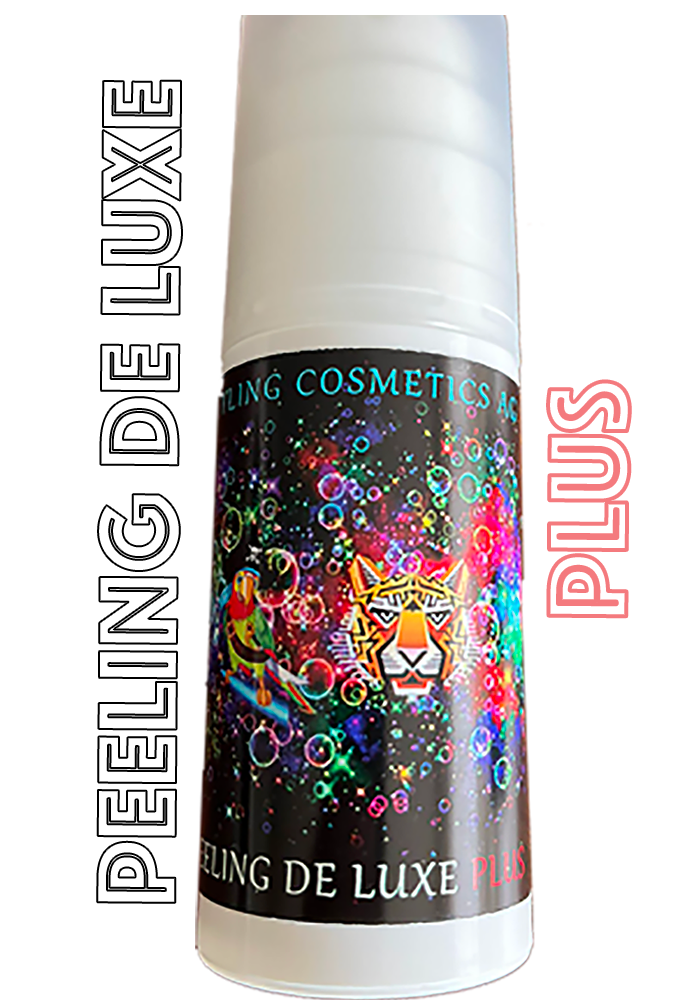
Peeling de Luxe Plus
Central metabolic formulation used in advanced protocols for modulation, transition phases, and broader corrective design.
Metabolic peels are not designed to act only through superficial exfoliation. They are conceived to modulate biological skin activity, influence regeneration pathways, and support a more functional form of corrective skin management.
Unlike conventional peel logic focused mainly on visible desquamation, this category addresses cellular behaviour, pigment dynamics, skin fatigue, recovery capacity, and long-term tissue regulation. In practical use, metabolic peels are often integrated where the skin requires guidance, rebalancing, and progressive correction rather than simple surface aggression.
This hub gathers the metabolic solutions portfolio, its clinical rationale, related protocol pathways, and the core scientific positioning behind this category.
Metabolic peels occupy a distinct place within chemical peeling strategy. They should not be understood as a simple variation of superficial peeling, but as a category designed to support functional skin correction, biological modulation, and progressive tissue rebalancing.
In conventional peel thinking, the clinical objective is often reduced to visible exfoliation, controlled injury, or accelerated epidermal turnover. Metabolic peels follow a broader rationale. Their role is not limited to removing superficial layers, but to influence the biological environment in which the skin recovers, reorganises, and stabilises itself over time.
This is precisely why they become relevant in situations where the practitioner is not merely seeking a stronger peel, but a more intelligent response from the skin: better tolerance, improved recovery logic, more coherent maintenance, and a clinically useful bridge between correction and long-term regulation.
The real clinical shift is not about choosing a different peel, but about redefining the objective of treatment.
Instead of asking how strong a peel should be, the more relevant question becomes: what biological response are we trying to guide?
This is where metabolic logic moves beyond product selection and becomes a strategy of skin management, integrating correction, tolerance, and long-term coherence.
Metabolic peels are especially relevant when the skin no longer behaves like a simple healthy substrate ready for routine exfoliation. In real practice, many patients present with fatigued skin dynamics, recurrent dyschromia, post-inflammatory instability, barrier stress, or incomplete recovery after previous interventions.
In such contexts, the therapeutic challenge is not always to peel more aggressively, but to restore a more coherent biological response. This is where metabolic solutions become clinically valuable: they help reposition the practitioner from a purely abrasive logic toward a more strategic logic of support, modulation, and controlled progression.
Support of pathways involved in regeneration, repair, pigment behaviour, and tissue adaptation.
Useful when the goal is not only cosmetic resurfacing, but progressive rebalancing of skin function.
Particularly relevant before, between, or after stronger corrective interventions as part of a broader plan.
A category designed to work with less dependence on visible epidermal violence when properly selected.
On this platform, the metabolic peel category stands between pure product presentation and protocol intelligence. It connects science, formulation logic, clinical use pathways, and practical integration.
In other words, this hub is not just a catalogue page. It is the point where the practitioner can understand why these products exist, when they become clinically relevant, and how they relate to broader corrective protocols across the site.
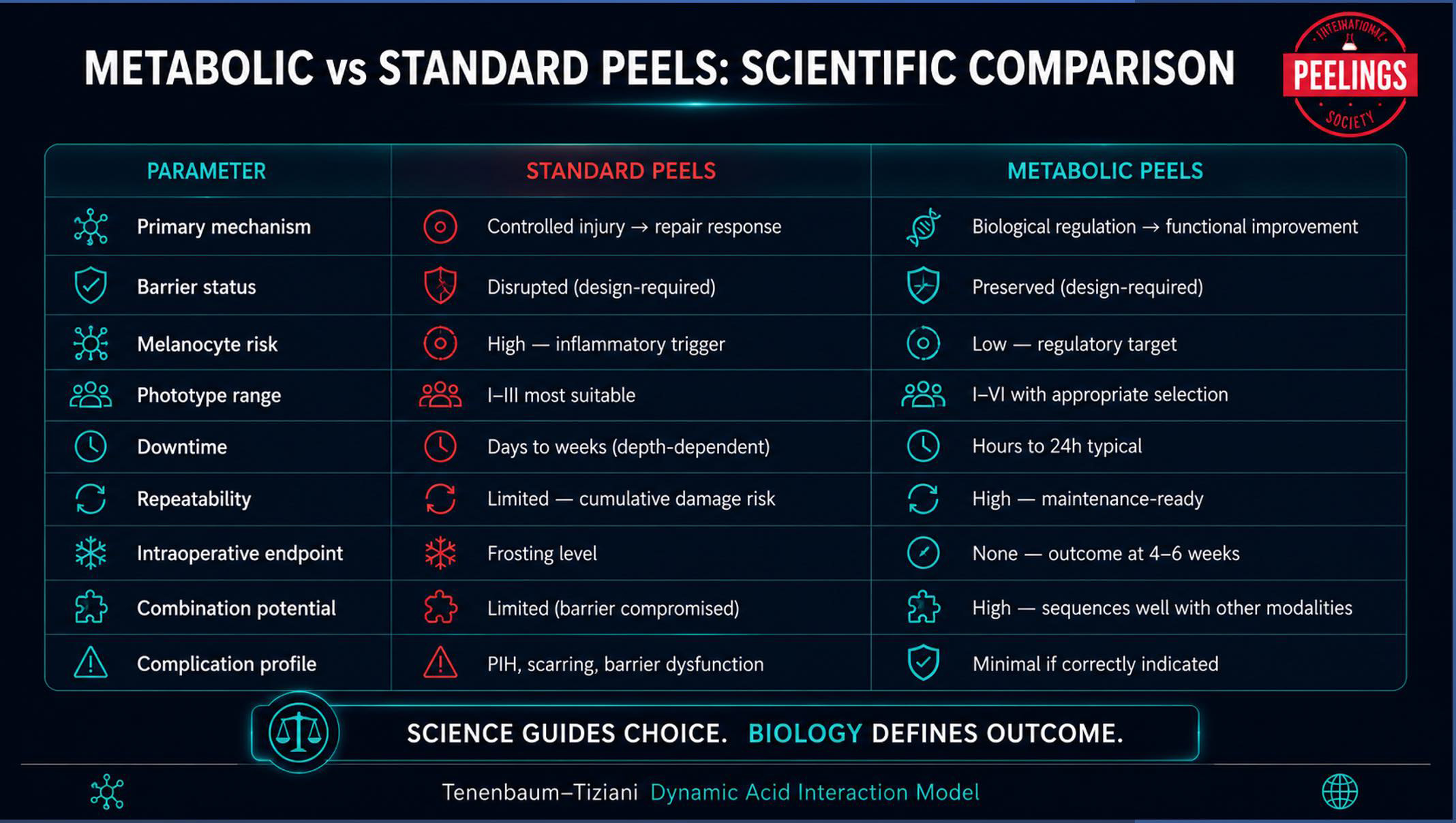
The distinction between metabolic and standard peels is not based solely on chemistry. It is based on how the skin is approached as a biological system, and how treatment strategies are designed to influence its behaviour.
Standard peels are often built on a logic of controlled injury followed by repair. Metabolic peels introduce a different approach: supporting biological regulation before forcing visible damage.
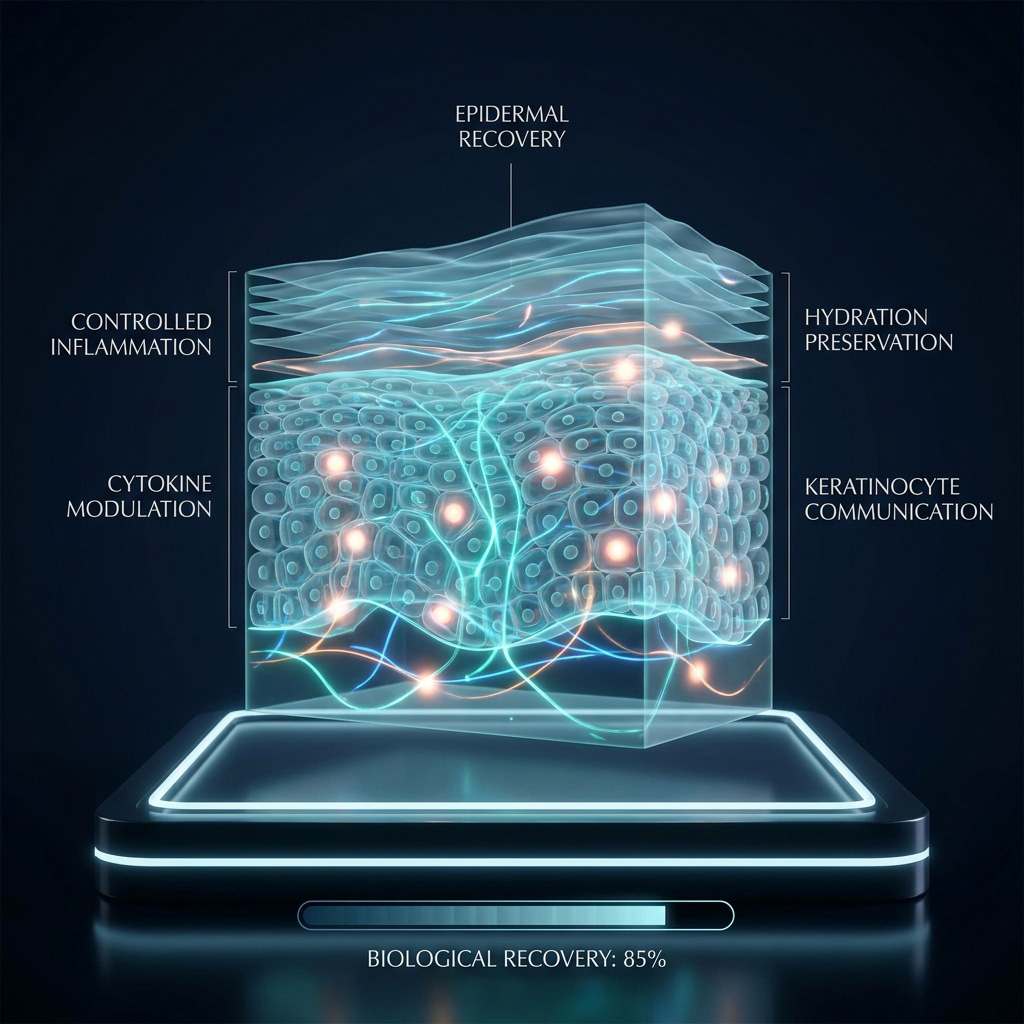
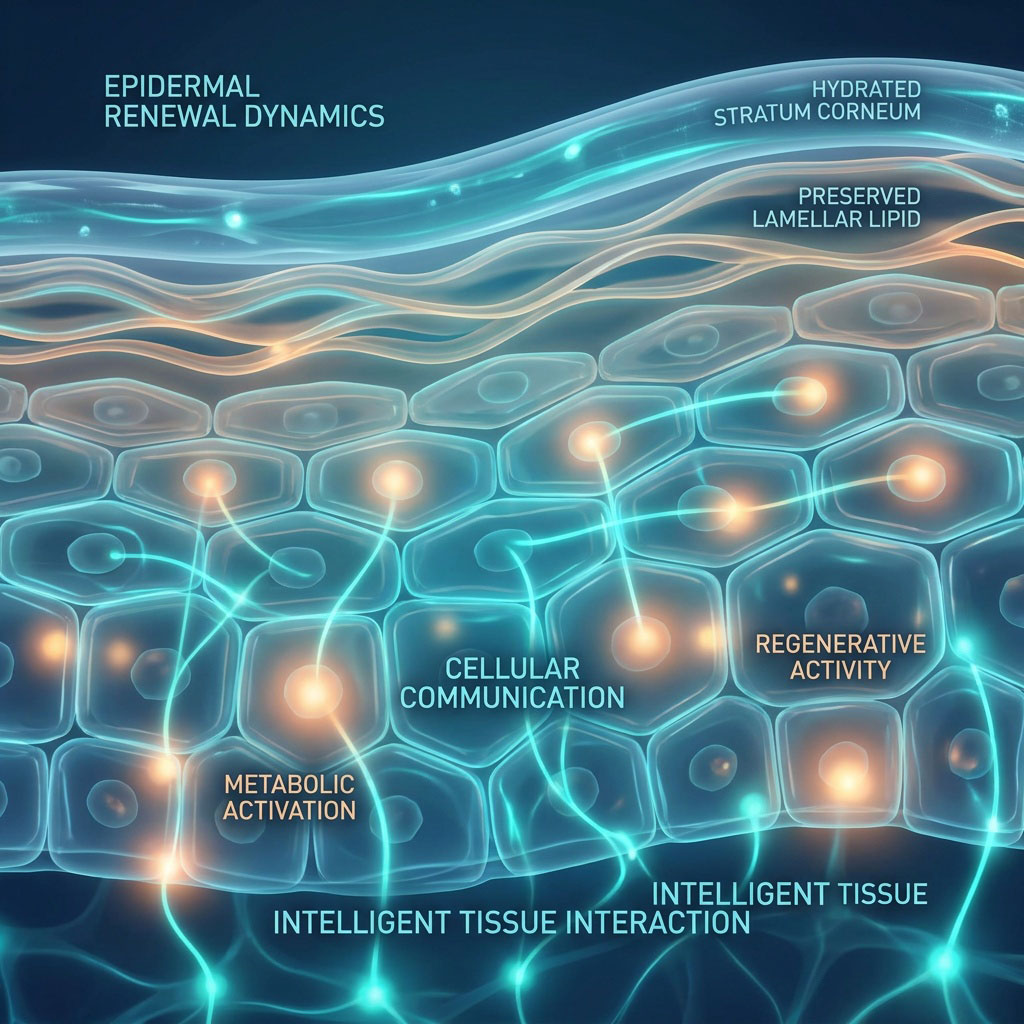
Instead of focusing only on the stratum corneum, metabolic strategies aim to influence living epidermal layers, cellular turnover, and functional balance.
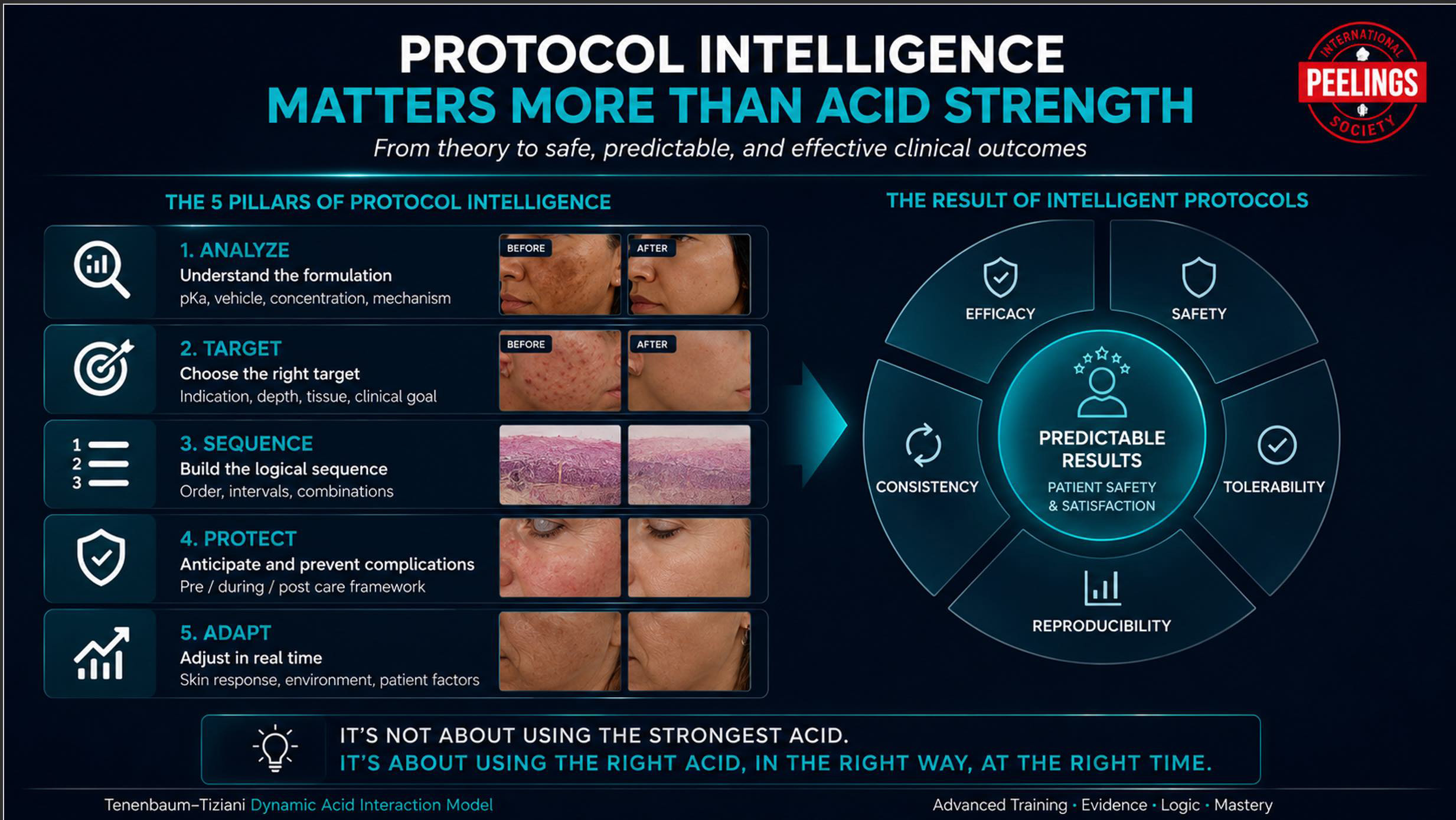
Clinical outcomes are not only determined by strength or concentration. They depend on protocol design, sequencing, and biological coherence.
A peel does not need to produce visible desquamation to be active. Absence of peeling does not mean absence of effect.
Metabolic peels are often integrated where repeated sessions are needed, allowing progressive correction with lower inflammatory burden.
The key is not choosing a stronger peel, but building a coherent treatment sequence adapted to the indication and the patient.
A chemical peel is not defined by how much the skin peels,
but by how intelligently the skin is guided.
Metabolic peels are not weaker — they are more controlled.
This portfolio represents a set of formulations designed to support metabolic skin activity, enhance tolerance, and integrate into advanced clinical protocols. Each product should be understood not as an isolated peel, but as part of a broader therapeutic strategy.
This portfolio should not be read as a simple product list. It reflects a structured clinical ecosystem designed for biological modulation, progressive correction, support phases, protocol sequencing, and indication-specific use.
These formulations represent the central metabolic logic of the category and form the backbone of advanced treatment design.
Central metabolic formulation used in advanced protocols for modulation, transition phases, and broader corrective design.
Professional format of the central metabolic peel for repeated in-office use and protocol-intensive practice settings.
Progressive modulation support designed for tolerance management, sequence control, and long-term clinical coherence.
Targeted metabolic support often positioned in dyschromia-oriented and lower-trauma treatment strategies.
These products support renewal quality, modulation, pigment-oriented care, tolerance, and maintenance phases within the metabolic framework.
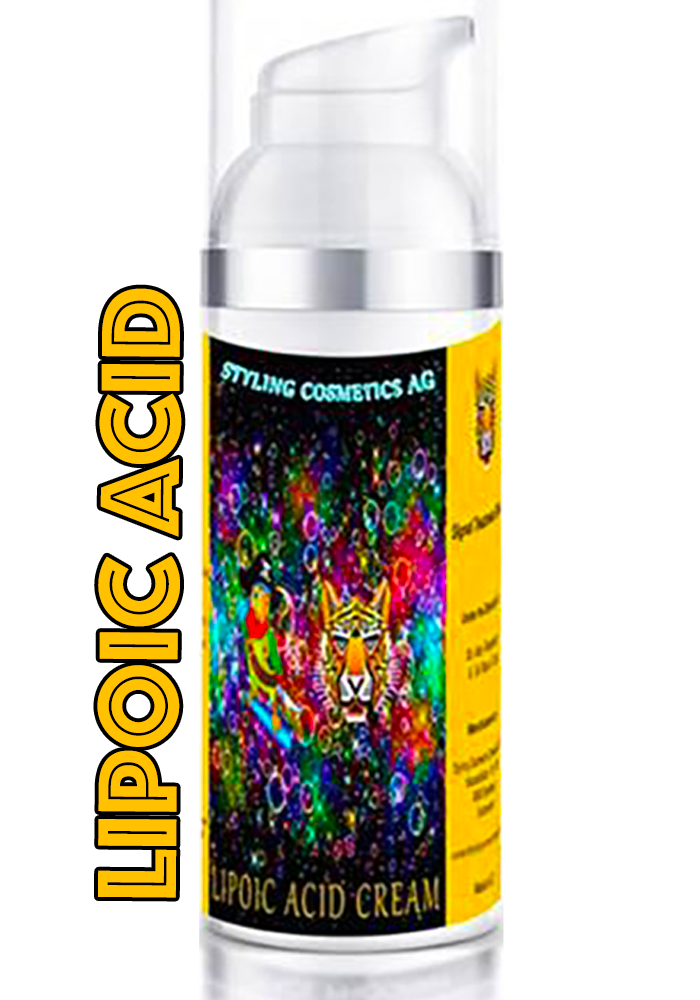
Antioxidant-driven support used in skin regulation strategies where biological balance and controlled progression matter.
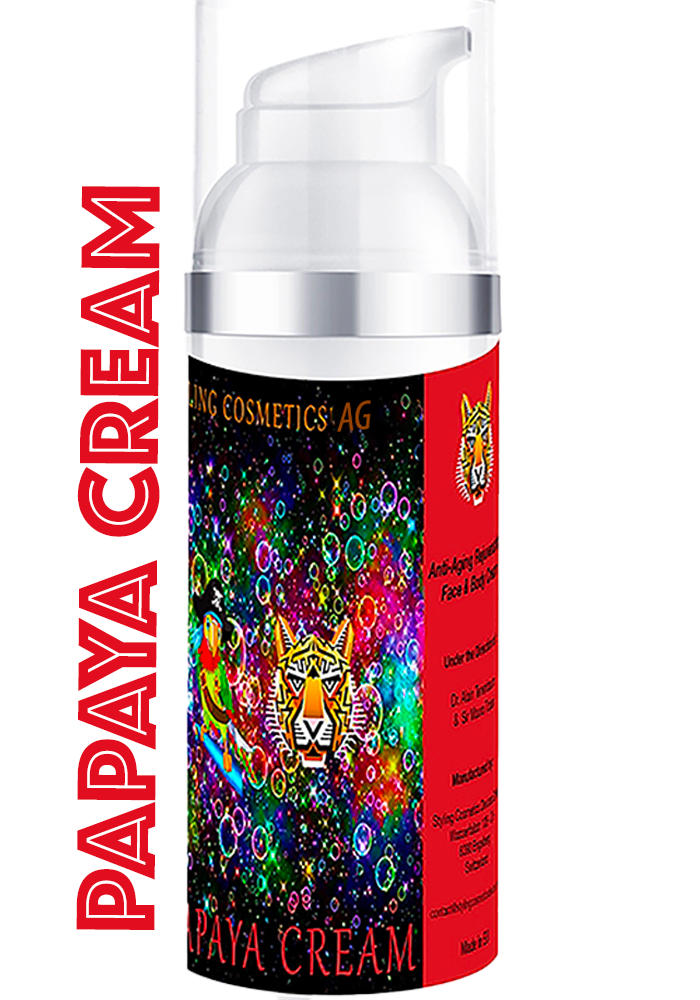
Enzymatic support solution for gentle renewal, maintenance logic, and biologically guided skin activity.
Larger professional format for repeated integration into maintenance and support-oriented clinical workflows.
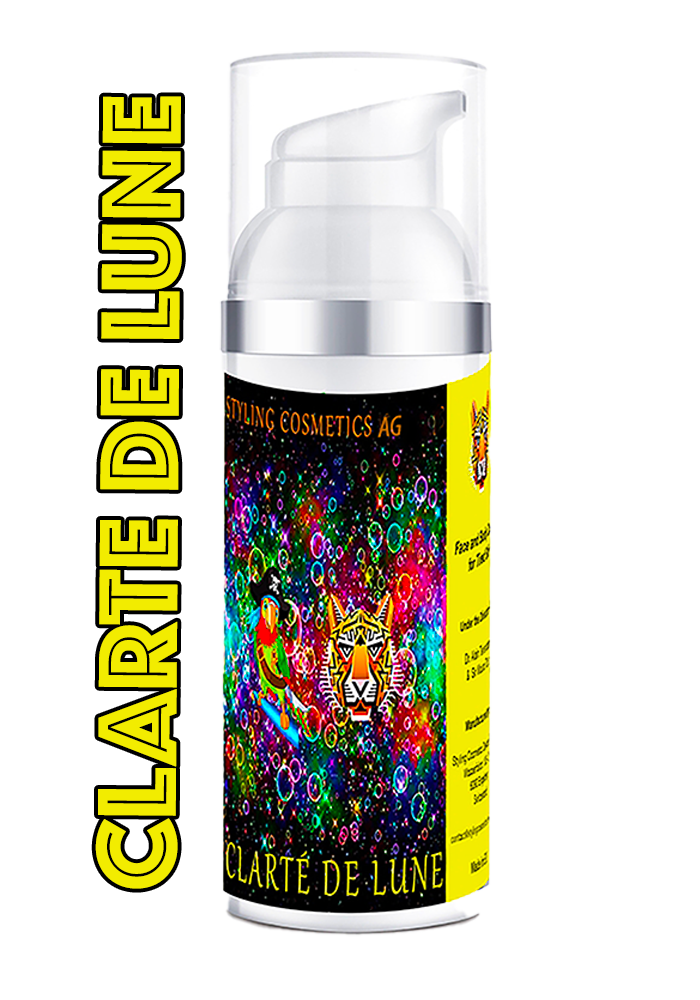
Metabolic support product positioned around radiance, pigment-oriented care, and controlled corrective pathways.
Professional-size version for in-office protocols requiring repeated pigment modulation and support logic.
Support and modulation solution positioned for balance, maintenance, and biologically coherent protocol integration.
Larger clinical format for repeated use in support-oriented treatment plans and maintenance environments.
These formulations support the treatment environment before, during, or after intervention and contribute to broader protocol architecture.
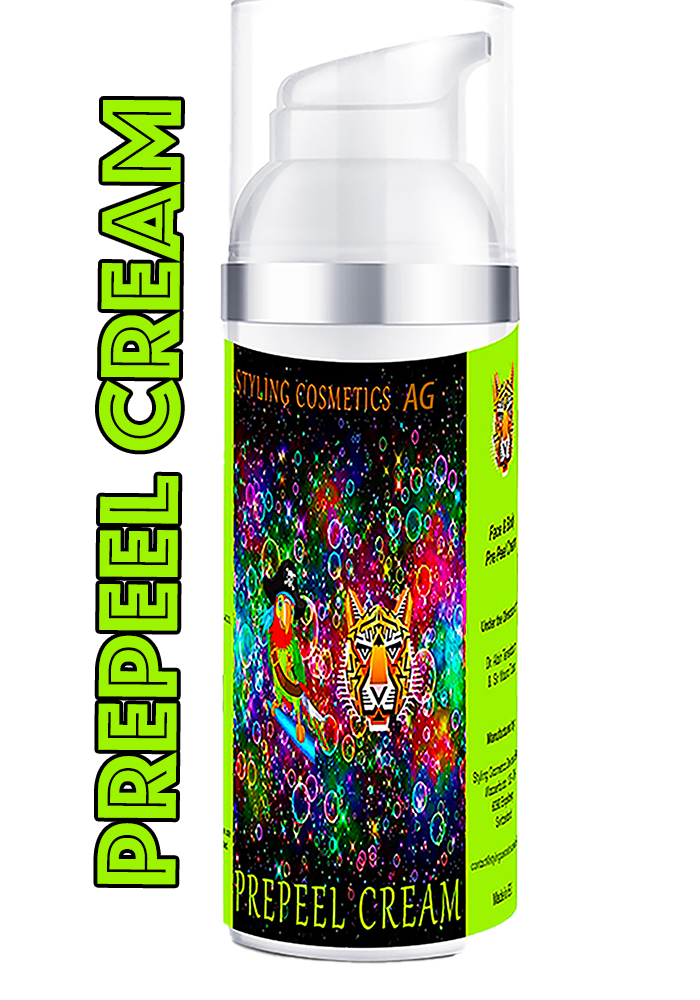
Designed for pre-procedural preparation and improved protocol readiness within a controlled clinical workflow.
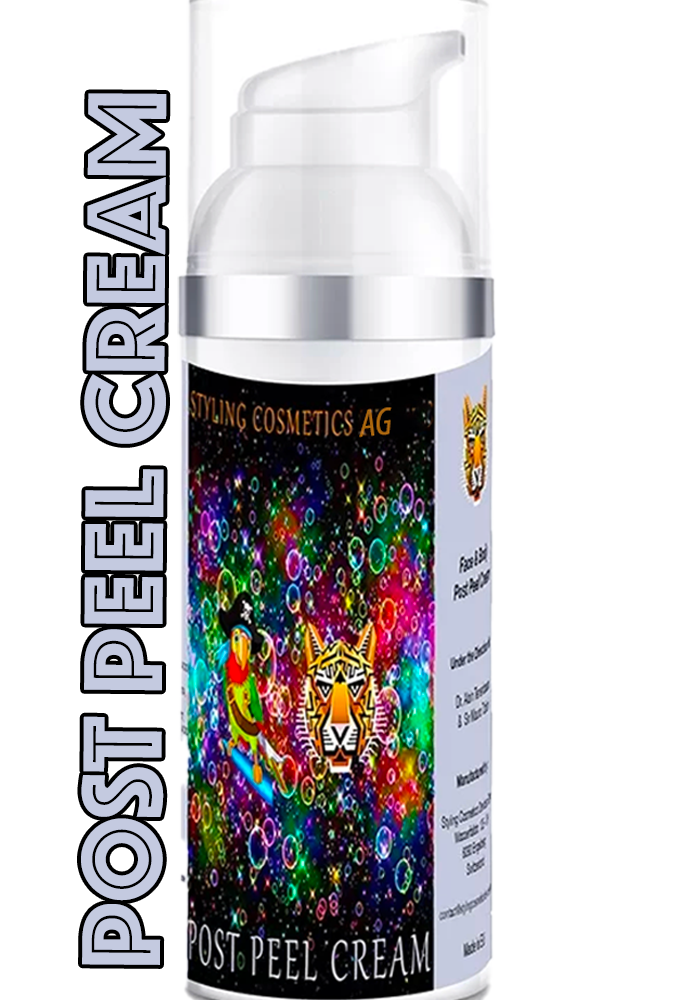
Post-procedural support formulation contributing to recovery logic, tolerance, and maintenance of protocol coherence.
Integrated protocol product positioned within the broader metabolic environment rather than as an isolated intervention.
Supportive formulation integrated into protocol design where progression, environment, and sequence intelligence matter.
These products address more targeted zones or indication-specific positioning within the broader metabolic portfolio.
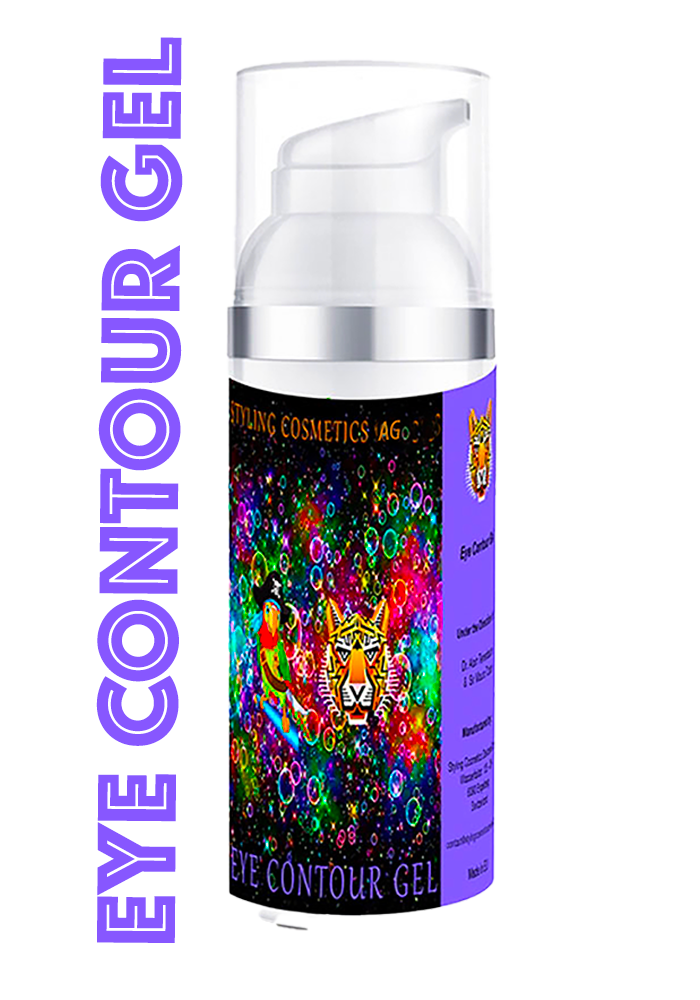
Indication-focused product designed for the delicate periorbital area and specific functional skin support needs.
More specialised positioning within the metabolic range, suited to targeted aesthetic logic and selective protocol use.
These formulations are most valuable when understood as part of a structured therapeutic logic. Explore how metabolic solutions connect with broader clinical pathways, sequencing strategies, and decision-making principles.
We use cookies and similar technologies to improve your experience on our website.