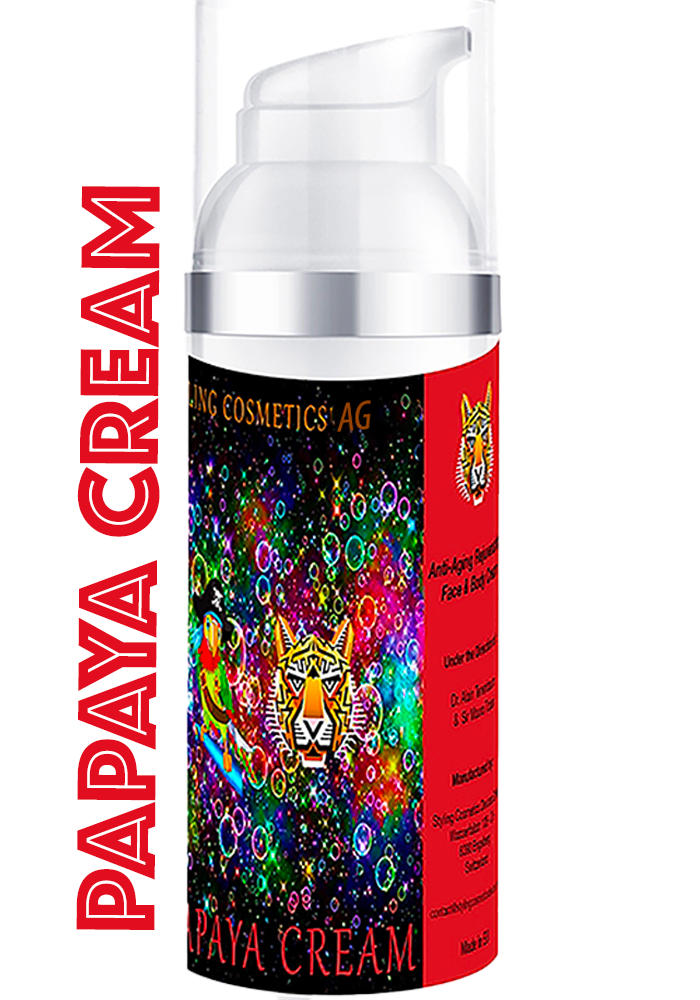
Papaya Cream
Glycolic-Like Renewal Strategy
Tenenbaum–Tiziani Renewal Strategy

Papaya Cream

Our Glycolic-Like Approach to Progressive Skin Renewal
Glycolic-Like Renewal Refine Renew

Papaya Cream represents the Tenenbaum–Tiziani glycolic-like renewal strategy : a different formulation approach designed to provide the skin-renewal benefits traditionally sought with glycolic acid — progressive surface refinement, smoother-looking texture and improved visible luminosity — while avoiding an irritation-driven renewal strategy.

The Tenenbaum–Tiziani Concept

Think of Papaya Cream as our alternative to the conventional glycolic-acid approach: the renewal benefits we seek from glycolic strategies, without making glycolic acid itself — or irritation-driven resurfacing — the foundation of the treatment.

01 Clinical Reference Glycolic-Like Renewal
02 Formulation Strategy Enzymatic · Metabolic
03 Treatment Objective Benefits Without the Glycolic Drawbacks

“Glycolic-like” describes the clinical and formulation strategy. Papaya Cream is not being presented as chemically identical to glycolic acid; the comparison refers to the renewal objectives sought within the Tenenbaum–Tiziani approach.
Glycolic-Like Renewal · Enzymatic Strategy · Progressive Skin Refinement
Rapid Clinical Orientation

Papaya Cream in 30 Seconds

The essentials at a glance: what Papaya Cream is, why we relate it to glycolic renewal, what it is designed to achieve and where it belongs in a skincare strategy.

Glycolic-Like Renewal Enzymatic · Metabolic Progressive Skin Refinement
01 What Is It? Progressive Renewal Cream

A cosmetic renewal cream built around an enzymatic and metabolically oriented strategy for repeated skin-surface refinement.

02 Clinical Reference Glycolic-Like Renewal

Papaya Cream is our alternative route toward the renewal objectives traditionally sought with glycolic-acid strategies.

03 Main Objectives Refine · Smooth · Illuminate

Designed to support progressive surface refinement, smoother-looking texture and improved visible luminosity.

04 Treatment Logic Progressive, Not Irritation-Driven

The strategy does not make visible irritation or induced desquamation the objective of renewal.

05 Use Pattern Repeated Home Care

Designed for integration into a repeated home-care strategy, with frequency adapted to skin response and the surrounding protocol.

06 Key Distinction Benefits Without the Glycolic Drawbacks

The Tenenbaum–Tiziani objective is to retain the clinical advantages sought from glycolic renewal through a different formulation strategy.

Important Scientific Distinction

“Glycolic-like” does not mean chemically identical to glycolic acid. It describes the Tenenbaum–Tiziani clinical and formulation strategy: pursuing comparable renewal objectives through a different approach.

Remember Papaya Cream As

Glycolic-like renewal objectives · enzymatic/metabolic strategy · progressive skin refinement without making irritation the endpoint.

Clinical Navigation

Explore Papaya Cream

From its glycolic-like renewal concept to clinical indications, formula intelligence, protocol integration and practical use — jump directly to the information you need.

10s
Fast Orientation Choose your clinical question
papaya-toc
Clinical Identity

Functional Classification & Clinical Positioning

Papaya Cream is positioned as a progressive glycolic-like renewal strategy: pursuing the surface-refining objectives traditionally associated with glycolic-acid care through a different enzymatic and metabolically oriented formulation approach.

Core Positioning

Papaya Cream is not glycolic acid. “Glycolic-like” defines the clinical objective of the strategy: progressive renewal, smoother-looking texture, surface refinement and visible luminosity — achieved through a different formulation logic.

01 Functional Classification

Glycolic-Like Renewal

Papaya Cream belongs to a progressive cosmetic renewal strategy designed to refine the visible skin surface through repeated use.

Enzymatic renewal logic within the Papaya Cream formulation strategy.

Progressive refinement rather than a single-event peeling concept.

Designed for repeated integration into a structured home-care routine.

Renew · Refine · Repeat
02 Primary Clinical Function

Surface Quality & Radiance

The principal cosmetic objectives correspond to many of the visible benefits sought from glycolic renewal.

Smoother-looking texture and progressive reduction in the appearance of roughness.

A more refined and polished-looking skin surface.

Support for visible luminosity and a more uniform-looking complexion.

Smooth · Refine · Illuminate
03 Clinical Approach

Renewal Without Irritation as the Endpoint

Papaya Cream separates the objective of skin renewal from the assumption that visible irritation must be the marker of an effective renewal strategy.

Renewal is conceived as a progressive process, not as an isolated aggressive intervention.

Visible erythema or induced desquamation is not the intended treatment endpoint.

Frequency and integration remain response- and protocol-dependent.

Progressive · Controlled · Integrated
Clinical Reference

What We Seek From Glycolic Renewal

Surface renewal · smoother-looking texture · refinement · visible luminosity. These are the clinical objectives used as the reference point for the Papaya Cream strategy.

Tenenbaum–Tiziani Route

How Papaya Cream Approaches Renewal

An enzymatic and metabolically oriented formulation strategy designed to pursue progressive renewal without making glycolic acid itself or irritation-driven resurfacing the foundation of treatment.

Functional Identity

Papaya Cream = glycolic-like renewal objectives through a different enzymatic/metabolic strategy. The mechanism and the distinction from conventional acidic renewal are developed in the next section.

Mechanism & Renewal Strategy

Papaya Cream vs Glycolic Acid Two Routes to Surface Renewal

Glycolic acid provides the clinical reference point for many of the renewal objectives pursued with Papaya Cream. The destination may be similar — smoother-looking texture, refinement and luminosity — while the formulation route is different.

The Concept in One Line SAME RENEWAL OBJECTIVES · DIFFERENT FORMULATION ROUTE
Reference Route

Glycolic Acid

A classic alpha-hydroxy-acid approach used for chemical surface renewal.

01
Acidic Renewal Strategy

Renewal is produced through an acid-based formulation approach.

02
Surface Refinement

The clinical objective includes a smoother-looking, more refined skin surface.

03
Response Depends on Exposure

Clinical response depends on the formulation, concentration, pH, contact conditions and skin context.

04
Irritation Can Occur

Depending on the formulation and use conditions, erythema, stinging, dryness or visible desquamation may accompany acidic renewal.

Renewal Objective

Texture · surface refinement · luminosity

Tenenbaum–Tiziani Route

Papaya Cream

An enzymatic and metabolically oriented strategy for progressive cosmetic surface renewal.

01
Papaya-Derived Renewal Strategy

The formulation is positioned around papaya-derived enzymatic renewal activity rather than glycolic acid itself.

02
Progressive Surface Refinement

The objective remains smoother-looking texture, visible refinement and improved luminosity.

03
Repeated Renewal Logic

Papaya Cream is conceived for progressive integration into a repeated skincare strategy rather than as a single isolated peel event.

04
Irritation Is Not the Endpoint

Visible erythema or induced desquamation is not required as the intended marker of the renewal strategy.

Renewal Objective

Texture · surface refinement · luminosity

Why We Use the Term “Glycolic-Like”

The Comparison Concerns the Renewal Objectives

SURFACE RENEWAL Progressive visible refinement
TEXTURE Smoother-looking skin
REFINEMENT More polished surface quality
LUMINOSITY Brighter-looking complexion
The Tenenbaum–Tiziani Distinction

With Papaya Cream, the objective is to retain the renewal benefits sought from a glycolic strategy while using a different enzymatic and metabolically oriented formulation concept — without making glycolic acid itself, visible irritation or induced peeling the foundation of the treatment strategy.

Scientific terminology: “Glycolic-like” describes the clinical and formulation positioning of Papaya Cream. It does not mean that Papaya Cream is chemically equivalent to glycolic acid, nor does it imply a quantitative head-to-head efficacy equivalence.

Clinical Selection

Specific Indications

Papaya Cream is primarily positioned where progressive surface renewal, texture refinement and restoration of visible luminosity are central cosmetic objectives.

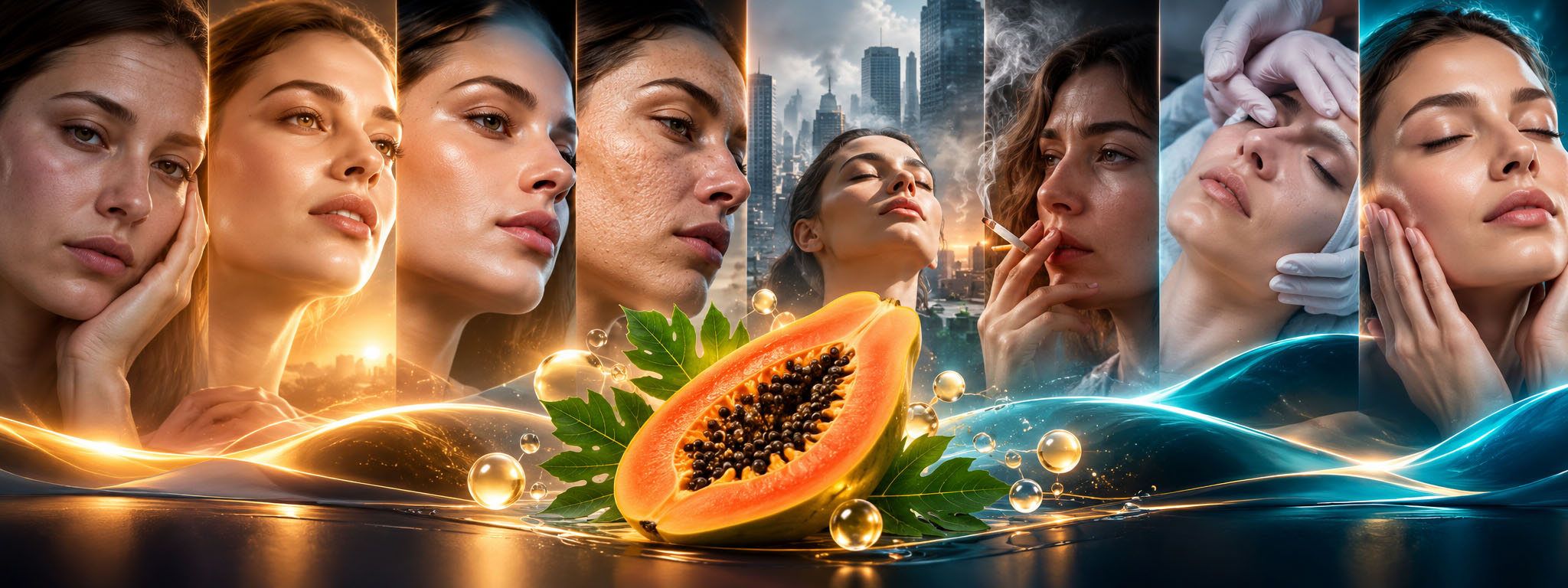
Papaya Cream clinical indications including dullness, uneven texture, urban-exposed skin and progressive skin renewal
Clinical Indications · Visual Map Different Skin Concerns · One Renewal Strategy

One progressive renewal concept across dullness, loss of luminosity, uneven texture, rough surface appearance and selected maintenance contexts.

Dullness Texture Roughness Renewal
01

Dull Complexion

Skin with a dull, tired-looking appearance requiring progressive visible renewal.

02

Loss of Luminosity

Complexions showing reduced visible brightness and radiance as a primary aesthetic concern.

03

Uneven Surface Texture

Skin requiring smoother-looking texture and progressive surface refinement .

04

Rough Surface Appearance

Visibly rough or congested surface appearance where renewal of the superficial skin profile is desired.

05

Urban-Exposed Skin

Skin showing a dull or fatigued appearance associated with urban and pollution-exposed environments .

06

Smoker's Skin Appearance

Cosmetic management of dullness, rough-looking texture and reduced visible luminosity associated with a smoker's-skin appearance.

07

Post-Corrective Maintenance

Progressive renewal within a structured maintenance strategy after corrective procedures , once the skin has adequately recovered.

08

Repeated Renewal Strategy

Patients seeking a progressive home-care renewal approach rather than relying exclusively on isolated peeling events.

Aesthetic Positioning

Renewal Is the Strategy — Not Irritation

Papaya Cream is designed to support progressive visible refinement, smoother-looking texture and luminosity through the Tenenbaum–Tiziani glycolic-like renewal strategy, without making visible irritation or induced desquamation the intended endpoint.

Clinical Logic

Renew repeatedly.
Refine progressively.
Adapt to the skin response.

Treatment frequency and timing are not defined by the indication alone. They should be adapted to skin response, treatment context, anatomical zone and the surrounding skincare or procedural protocol.

Clinical Versatility

One Renewal Strategy. Multiple Treatment Zones.

Beyond its facial applications, Papaya Cream can be integrated into a broader face-and-body renewal strategy when progressive surface refinement is the objective.

Facial Use

Facial Surface Renewal

For facial skin, Papaya Cream can support repeated texture refinement, smoother-looking surface quality and visible luminosity within a structured skincare program.

Selected Body Zones

Body Surface Refinement

The same renewal concept may be extended to selected body areas where roughness, uneven surface quality or progressive cosmetic refinement are relevant treatment objectives.

Clinical Integration

The anatomical zone changes; the renewal philosophy does not. Frequency, amount and integration into the surrounding regimen should nevertheless be adapted to the characteristics and response of the treated area.

Face Selected Body Zones Progressive Renewal Adaptable Protocol
Clinical Clarification

What It Is. What It Is Not.

A rapid distinction to prevent one common misunderstanding: “glycolic-like” describes the renewal strategy — not the chemical identity of Papaya Cream.

Definition

What Papaya Cream Is

A progressive cosmetic renewal cream positioned within the Tenenbaum–Tiziani glycolic-like renewal strategy.

An enzymatic and metabolically oriented approach to repeated surface refinement.

A flexible component for facial and selected body renewal protocols , with use adapted to skin response and treatment context.

Boundaries

What Papaya Cream Is Not

Not glycolic acid and not presented as chemically equivalent to glycolic acid.

Not an aggressive one-time “peel event” designed to force visible shedding as the treatment objective.

Not an automatic substitute for professional corrective procedures when a different level or type of correction is clinically indicated.

Take-Home Message

Think “glycolic-like objectives”, not “glycolic-based formula”. Papaya Cream occupies its own place within the Tenenbaum–Tiziani renewal strategy.

Different chemistry. Different formulation logic. Comparable renewal objectives.
At-a-Glance Clinical Profile

Clinical Parameters

A rapid clinical dashboard summarizing formulation, treatment areas, phototypes, downtime, desquamation profile and treatment pattern.

01
Vehicle

Formulation Type

Cream-Based Renewal Formulation

A topical cream format designed for progressive integration into a repeated renewal strategy.

Topical · Progressive · Protocol-integrated
02
Topography

Treatment Areas

Face Neck Décolleté Periocular Hands Selected Body Areas
Adapt application to the anatomical zone and skin response.
03
Skin Phototype

Phototypes

✓ I
✓ II
✓ III
✓ IV
✓ V
✓ VI

Positioned across phototypes I–VI, with the regimen adapted to the individual skin context.

Individualization remains essential.
04
Recovery

Downtime

None Expected

Papaya Cream is positioned for a progressive renewal strategy without planned procedural downtime.

Skin response remains individual and should guide use.
05
Visible Response

Visible Desquamation

Minimal Variable Not Required

Visible peeling may be minimal, variable or absent. Desquamation is not required as the intended marker of renewal.

Renewal ≠ visible shedding.
06
Protocol Logic

Treatment Pattern

Progressive Repeated Adaptable

The strategy is based on repeated surface renewal adapted to skin response, anatomical zone and treatment context.

Not dependent on a single isolated peel event.
Key Clinical Principle

Clinical renewal does not require visible peeling. With Papaya Cream, desquamation may be minimal, variable or absent; treatment is guided by the renewal strategy and individual skin response rather than by the amount of visible shedding.

Phototypes I–VI No Planned Downtime Face + Selected Body Progressive Renewal
Formula Intelligence

Formula & Key Ingredients

Papaya Cream combines selected botanical, conditioning, lipid and antioxidant components within a cosmetic cream designed for progressive topical renewal.

01 Botanical Component

Carica Papaya Fruit Extract

The characteristic papaya-derived botanical component at the heart of the product's identity and renewal strategy.

02 Hydration Support

Glycerin

A well-established humectant component supporting water retention and cosmetic skin comfort within the cream.

03 Formula Architecture

Hydrogenated Lecithin

A component contributing to the emulsion architecture and sensorial organization of the formulation.

04 Lipid Component

C12-15 Alkyl Benzoate

A lipid-phase component contributing to the vehicle, spreadability and cosmetic skin feel of Papaya Cream.

05 Antioxidant Component

Tocopherol

Vitamin E is included within the formulation's antioxidant component system, complementing the overall cosmetic formula.

06 Conditioning Component

Biotin

Included as a conditioning component within the finished Papaya Cream formulation.

Essential Distinction

Glycolic-Like Does Not Mean Glycolic Acid

Glycolic acid is not listed among the ingredients of the reference formula. “Glycolic-like” describes the Tenenbaum–Tiziani strategy: pursuing the renewal objectives traditionally sought from glycolic care through a different formulation approach.

Acid Present in the Formula

Citric Acid

Citric Acid is present in Papaya Cream. Its documented formulation role is buffering and chelating.

Why This Matters

Its presence does not make Papaya Cream a conventional acid-peel formula and should not be confused with the product's glycolic-like clinical positioning.

Formula Philosophy

Papaya Cream is defined not by a single aggressive acid, but by a multi-component cosmetic formulation supporting the Tenenbaum–Tiziani concept of progressive, glycolic-like skin renewal.

Clinical Integration

How Papaya Cream Fits Into the Protocol

Papaya Cream occupies a defined position within the Tenenbaum–Tiziani strategy: it is the progressive renewal step. Products positioned around it prepare the skin, facilitate or complement the routine, provide an alternative treatment objective, or address photoprotection.

Read the protocol in seconds Prepare → Renew → Complement / Alternate → Protect
01 Prepare

Clean Surface

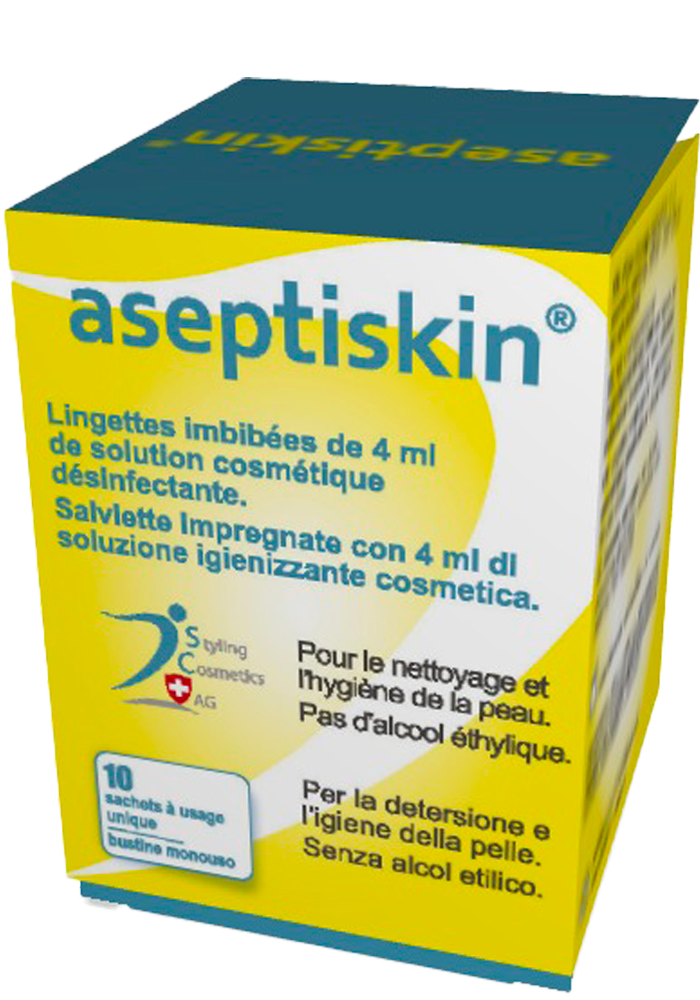
Aseptiskin
Preparation

Aseptiskin

Used when appropriate as the cleansing and preparatory step before the active renewal phase.

Function in this sequence
Prepare the surface before renewal
02 Renew

Core Renewal Step

Papaya Cream
Tenenbaum–Tiziani Renewal Strategy

Papaya Cream

The central active step: progressive glycolic-like renewal through a different enzymatic and metabolically oriented formulation strategy.

Functional Identity
Glycolic-Like Renewal · Refine · Renew
03 Complement / Alternate

Adapt the Routine

04 Protect

Sun-Exposure Strategy

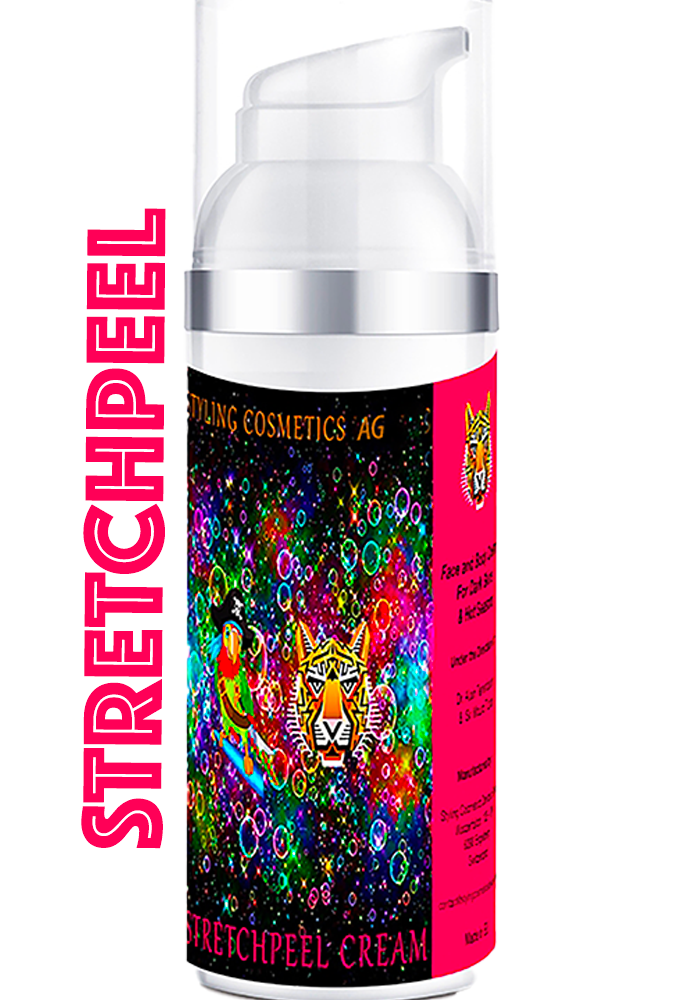
StretchPeel
Functional Photoprotection

StretchPeel

When the objective is functional photoprotection during sun exposure , StretchPeel occupies the final pre-exposure position in the protocol.

Functional Identity
Depigment · Protect
Key Clinical Rule

Papaya Cream defines the renewal step. Each associated product has a distinct role: prepare, facilitate, complement, alternate or protect according to the clinical objective.

Special Protocol · Different Objective

Tenenbaum–Tiziani Tanning Strategy

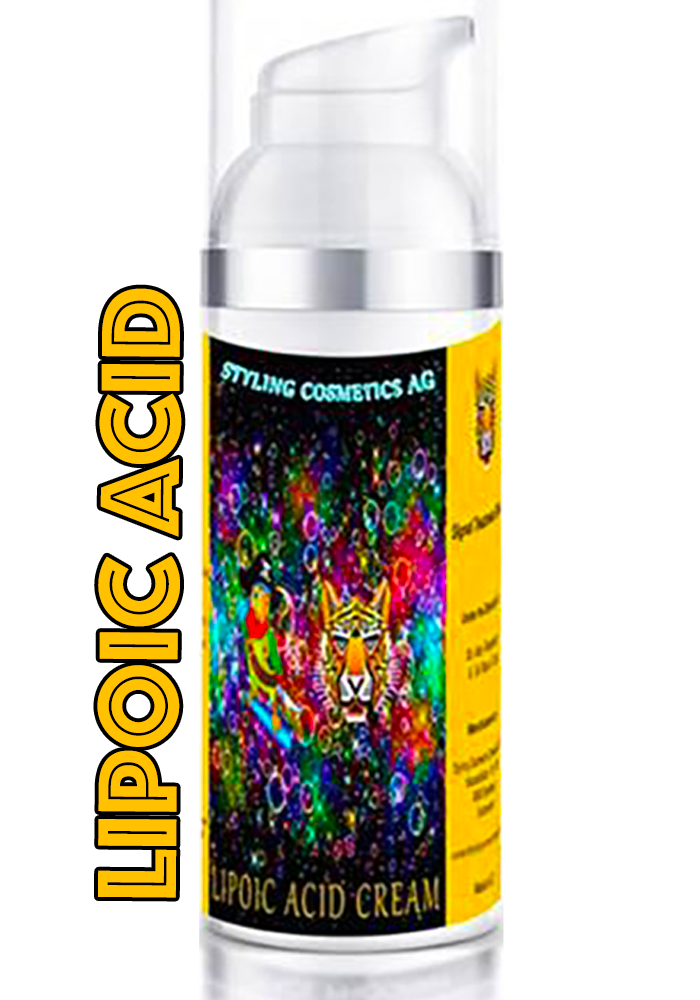
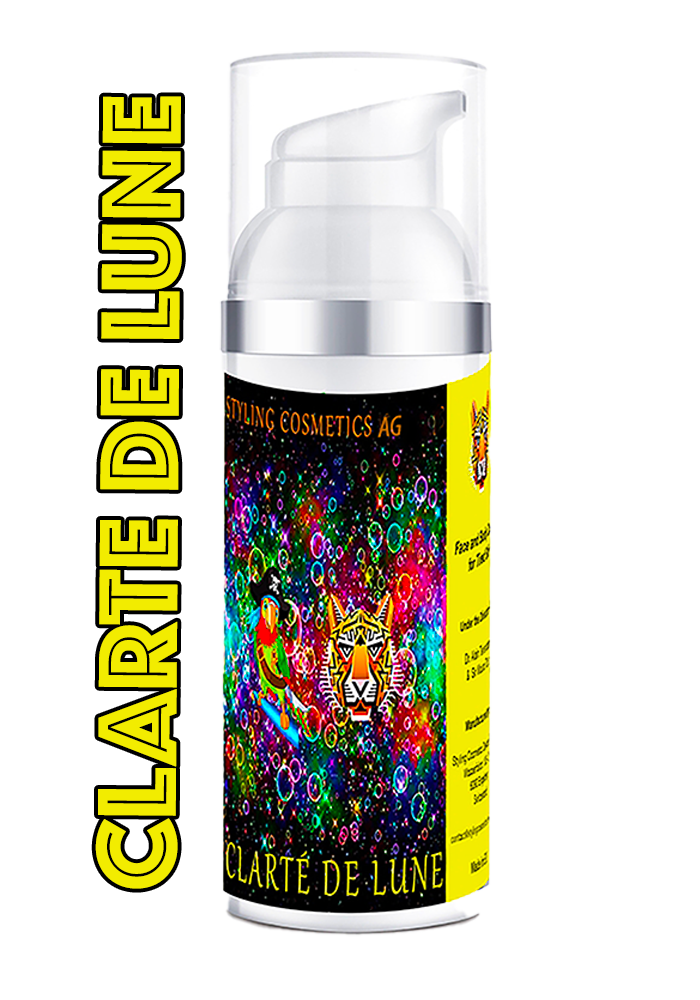
The tanning strategy must be distinguished from the photoprotection sequence above. Clarté de Lune is applied first, followed by either Papaya Cream or Lipoic Acid Cream shortly before intentional sun exposure.

Clarté de Lune Step 01 · Approximately 30 Minutes Before Clarté de Lune Used first within this specific strategy for melanin regulation and pigment-response harmonization.
~25 minutes
Papaya Cream
Step 02 · Approximately 5 Minutes Before Exposure Papaya Cream or Lipoic Acid Cream

Papaya Cream can be used here as the alternative to Lipoic Acid Cream within the Tenenbaum–Tiziani tanning strategy.

Objective A · Tanning Strategy

Clarté de Lune → Papaya Cream or Lipoic Acid Cream. This is the specific Tenenbaum–Tiziani sequence when the objective is tanning.

Objective B · Functional Photoprotection

When the objective is protection during intentional sun exposure, StretchPeel occupies the final pre-exposure position. The two objectives should not be confused.

Practical Clinical Use

How to Use Papaya Cream

Frequency · Timing · Adjustment · Precautions

Papaya Cream is designed for progressive, repeated renewal. Use should be adapted to skin response, anatomical zone and the surrounding clinical protocol rather than driven by visible irritation.

Start → Adjust → Continue → Pause / Reassess When Necessary
01
Start

Introduce Progressively

Begin within a structured home-care regimen and observe the individual skin response before increasing the frequency of application.

Progressive introduction supports controlled renewal.
02
Adjust

Individualize Frequency

Application frequency should be adapted according to skin response, anatomical zone, treatment objective and the other products or procedures included in the protocol.

One fixed frequency does not define every clinical situation.
03
Continue

Build Renewal Progressively

Repeated use supports the Papaya Cream strategy of progressive surface refinement, smoother-looking texture and improved visible luminosity over time.

Visible irritation or desquamation is not the intended endpoint.
04
Reassess

Reduce or Pause if Needed

If excessive stinging, persistent erythema, marked dryness or intolerance develops, reduce application frequency or temporarily interrupt use and reassess the surrounding regimen.

More irritation does not mean better renewal.

Practical Precautions

When Not to Apply

Irritated Skin

Do not apply to actively irritated or visibly compromised skin.

After Procedures

Resume only after adequate recovery, according to the procedure performed and the clinical condition of the skin.

Eyes & Mucosa

Avoid direct application to the eyes and mucosal surfaces.

Tenenbaum–Tiziani Clinical Principle

The objective is progressive renewal with controlled skin response: adapt frequency to the patient and protocol rather than using erythema, discomfort or visible peeling as measures of efficacy.

Clinical Questions · Fast Answers

Papaya Cream FAQ

Renewal · Frequency · Combinations · Precautions

The essential practical questions about Papaya Cream and its place within the Tenenbaum–Tiziani progressive renewal strategy.

  • 01 Is Papaya Cream the same as a glycolic acid treatment?

    No. Papaya Cream does not contain glycolic acid. “Glycolic-like” describes the Tenenbaum–Tiziani clinical and formulation strategy: pursuing surface-renewal objectives associated with glycolic-based care through a different enzymatic and metabolically oriented approach.

    Not Glycolic Acid Glycolic-Like Strategy Progressive Renewal
  • 02 Does the skin need to peel or become irritated for Papaya Cream to work?

    No. Papaya Cream is designed around progressive renewal rather than irritation as the endpoint. Visible peeling, persistent erythema or increasing discomfort should not be interpreted as evidence of greater efficacy.

    If excessive stinging, persistent redness or marked dryness develops, application frequency should be reduced or temporarily interrupted and the surrounding regimen reassessed.

    Renew Do Not Chase Irritation
  • 03 How often should Papaya Cream be used?

    There is no single frequency that defines every clinical situation. Papaya Cream should be introduced progressively, then adjusted according to skin response, anatomical zone, treatment objective and the surrounding protocol.

    The objective is a repeatable renewal strategy with controlled skin response—not a predetermined level of irritation.

    Start Progressively Adjust Individually
  • 04 Can Papaya Cream be combined with other products in the protocol?

    Yes. Papaya Cream defines the renewal step and can be integrated into a structured regimen in which associated products have distinct functions rather than duplicating one another.

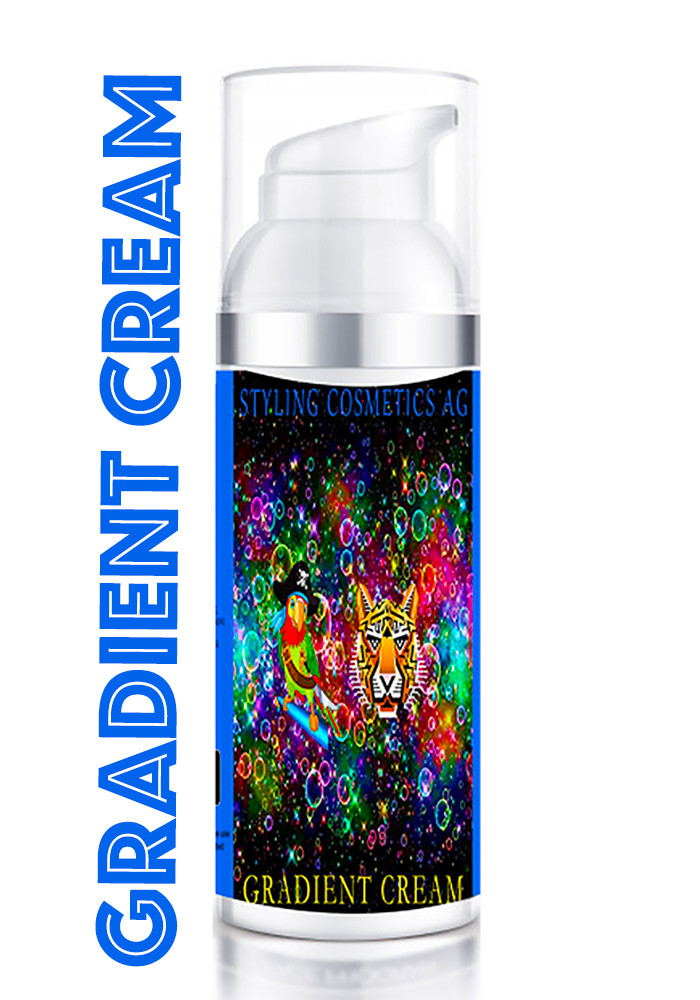
    Depending on the clinical objective, Aseptiskin may provide preparation, Lipoic Acid Cream may facilitate topical penetration, Gradient Cream may provide anti-aging signal treatment and prolonged skin maintenance, while StretchPeel provides the dedicated functional photoprotective step.

    Prepare Renew Complement Protect
  • 05 When should Papaya Cream not be applied?

    Do not apply Papaya Cream to actively irritated or visibly compromised skin, and avoid direct application to the eyes and mucosal surfaces.

    Following an in-clinic procedure, application should resume only after adequate recovery, according to the procedure performed and the clinical condition of the skin.

    Respect Skin Condition Allow Recovery
  • 06 Is a protective strategy important during a Papaya Cream renewal regimen?

    Yes. A structured renewal regimen should include an appropriate protective strategy. Within the Tenenbaum–Tiziani protocol, StretchPeel occupies the dedicated DEPIGMENT · PROTECT role and is used as the functional photoprotective component of the regimen.

    This role should remain distinct from Papaya Cream itself: Papaya renews; StretchPeel protects.

    Papaya = Renew StretchPeel = Protect
Remember

Papaya Cream is a progressive renewal treatment. Its clinical logic is to refine the skin through repeated, controlled renewal—not to make irritation or visible peeling the measure of efficacy.

Tenenbaum–Tiziani Renewal Strategy

Ready to Integrate Papaya Cream?

Bring progressive glycolic-like renewal into a structured skin-care protocol designed to refine texture, support visible luminosity and renew without making irritation the treatment objective.

Glycolic-Like Renewal Enzymatic · Metabolic Progressive Refinement
Papaya Cream Progressive Renewal Controlled Skin Response Irritation Is Not the Endpoint

Share this page with your network