postpeel

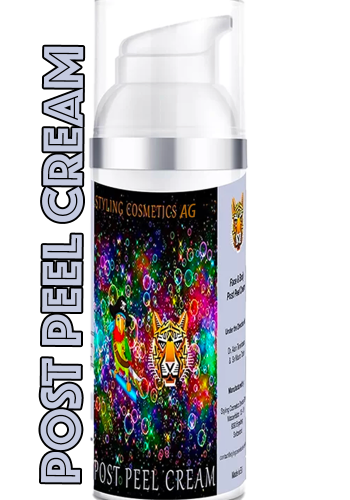
PostPeel Cream

Post-Procedure Recovery Architecture

Stabilize. Comfort. Continue.

PostPeel is engineered as the essential after-step in structured peeling protocols. It supports the recovery window following professional acids by improving surface comfort, reducing friction-related stress, and maintaining protocol continuity.

When the skin feels dry, tight, or mechanically fragile after treatment, PostPeel helps preserve a stable, readable surface — allowing the practitioner to monitor progression clearly and plan subsequent sessions with confidence.

Protocol Position
Designed for integration immediately after professional acids and continued between visits when advised — forming the stabilizing phase of the Pre / Procedure / Post architecture.

Functional Classification & Clinical Positioning

Functional Classification
Post-Procedure Recovery Support
A protocol-oriented cream positioned exclusively for the recovery phase following professional acids. It does not induce exfoliation — it stabilizes the surface.
Primary Clinical Function
Barrier Comfort & Surface Stability
Improves slip, reduces mechanical friction, and supports barrier comfort during the restorative window — allowing the skin to remain clinically readable between sessions.
Clinical Approach
Immediate Integration After Acids
Applied directly after professional AHA or TCA sessions and continued between visits when indicated. Frequency adapts to skin response and environmental conditions.
Protocol Architecture
PrePeel → Procedure → PostPeel → Maintenance Strategy

Specific Indications

When to Use

  • After professional acids (AHA / TCA protocols)
  • Between sessions to keep the surface stable
  • Dryness, tightness, friction sensitivity
  • When the skin feels “thin” or easily irritated
  • Protocol continuity at home (when advised)

Clinical Targets

  • Barrier comfort and reduced surface stress
  • Improved slip to limit mechanical irritation
  • Support of the restorative phase post-peel
  • More consistent skin “readability” between visits
  • Comfort support for sensitive recovery profiles

Where It Fits

  • Face
  • Neck / décolleté (tolerance-adapted)
  • Periocular area (only if specifically advised)
  • Hands (selected cases)
  • Phototypes I–VI (protocol-dependent)

Clinical Highlights

Clinical Highlights
The After-Step That Protects Protocol Readability
Recovery Support
Designed for the post-acid window to improve surface comfort and stabilize the skin feel.
Friction Control
Improves slip and reduces mechanical irritation—useful when skin feels dry, tight, or fragile.
No “Peel Effect”
Does not aim to exfoliate. Its role is to support recovery and preserve tolerance.
Protocol Continuity
Helps maintain a stable, readable surface between sessions—supporting consistent clinical decision-making.

Product Scope: What PostPeel Cream Is / What It Is Not

What PostPeel IS

  • A post-procedure support cream for recovery phases after acids
  • A comfort and barrier-support step integrated into peeling protocols
  • A surface protection tool to reduce mechanical irritation and dryness
  • A continuity product between professional appointments (when advised)

What PostPeel is NOT

  • Not a peeling procedure
  • Not intended for mucosal application
  • Not designed for use on infected or actively damaged skin
  • Not a substitute for professional protocol selection

Clinical Parameters

Clinical Parameters

Formulation Type
Post-Procedure Support Cream
Designed to stabilize the recovery phase after professional acids.
Topographic Categories
Face • Neck • Décolleté • Hands
Periocular zone only if specifically advised within protocol.
Phototypes
I – VI
Protocol adaptation based on individual tolerance.
Downtime
None Expected
Designed to improve comfort during recovery rather than induce exfoliation.
Desquamation Profile
None to Minimal
Does not induce peeling. Supports recovery following acid-based procedures.
Clinical Position
After-Step in Peel Protocols
Designed for protocol continuity between appointments (when advised).

Rationale for the Professional Format

Controlled Recovery Window

PostPeel is designed to be used within a structured professional workflow. The format allows precise dosing, consistent daily use, and stable integration between in-office procedures.

Continuity Between Sessions

The professional format supports surface stability during the interval between peel sessions, helping maintain comfort, barrier integrity, and protocol readability.


Hygiene & Stability Logic

Packaging and formulation design prioritize product consistency, controlled exposure, and reliable performance throughout the recovery phase.

Adaptable to Clinical Intensity

Frequency and quantity can be adjusted according to the intensity of the prior procedure, skin sensitivity, and environmental conditions.

Availability Note
Format availability may vary depending on region and inventory. Integration into protocols should follow professional guidance.

Key Active Ingredients

Dimethicone

Surface comfort & slip support to reduce friction-related irritation during the recovery window.

Panthenol + Vitamin E Complex

Comfort-oriented support for reactive recovery profiles; helps maintain a stable, pleasant skin feel.

Glycyrrhetinic Acid + EDTA

Supportive “calming” logic and formulation stability; designed for clean protocol continuity post-peel.

Additional formulation notes
PostPeel also includes a structured support matrix (selected preservatives, stabilizers, and supportive components) intended to keep the formula consistent throughout the recovery phase.

Why the Recovery Phase Cannot Be Left Unstructured

In structured peeling protocols, outcomes are not determined solely by the procedure itself, but by the quality of the recovery phase that follows.

Uncontrolled Recovery = Variable Outcomes
When the skin is left without structured support after acids, dryness, friction, and reactive instability may alter tolerance and influence the next session.
Structured Recovery = Protocol Continuity
PostPeel helps maintain a stable surface environment, preserving comfort and clinical readability between visits.

PostPeel is not positioned as a “comfort cream.” It is positioned as the stabilizing phase of a controlled peeling architecture.

Specific Benefits

  • Improves surface comfort following professional acids
  • Reduces friction-related mechanical stress
  • Helps maintain a stable skin feel between sessions
  • Supports tolerance in sensitive recovery profiles
  • Preserves clinical readability during follow-up visits
  • Encourages structured protocol continuity
  • Does not interfere with future peel planning
  • Adaptable frequency based on skin response

PostPeel is designed to stabilize — not to intensify. Its value lies in maintaining controlled recovery between active procedures.

Combinations with Other Products

Before — Preparation

  • PrePeel — priming step when indicated by protocol

After — Recovery & Continuity

What to Use After PostPeel (case-based)

Role within Maintenance Strategies

Role Within Maintenance Strategies

PostPeel is not positioned as a long-term maintenance cream for all profiles. Its role is transitional and stabilizing.

  • Acts as a controlled bridge between active procedures and maintenance phases
  • Supports surface stability before reintroducing modulation or renewal strategies
  • May precede products such as Lipoic Acid, Papaya Cream, or Clarté de Lune (case-based)
  • Used in cycles when comfort and tolerance need reinforcement

Usage Context

Professional Context

PostPeel is intended as a post-procedure support step after professional acids. Frequency and duration should be adapted to skin response, environmental conditions, and protocol intensity.

Typical use
Apply after the procedure and continue between visits as advised.

Home-Use (When Recommended)

When prescribed within a protocol, PostPeel can be used at home to maintain comfort and surface stability. Avoid stacking multiple aggressive actives unless specifically instructed.

Practical rule
Prioritize comfort and tolerance — adjust frequency rather than increasing quantity.

Safety Notes
  • Do not apply on infected or actively compromised skin.
  • Avoid mucosal areas and the immediate eye contour unless advised.
  • If persistent irritation occurs, pause and contact your professional provider.

Contraindications & Use Restrictions

Do Not Use On:

  • Active infection (bacterial, viral, fungal)
  • Open wounds or ongoing bleeding
  • Severely compromised or broken epidermal barrier
  • Mucosal surfaces
  • Immediate periocular area unless specifically advised

Use With Caution In:

  • Known hypersensitivity to any ingredient
  • Highly reactive or intolerant skin profiles
  • Concurrent use of irritating actives (unless protocol-directed)
  • Immediately after aggressive resurfacing unless advised

Professional Advisory
PostPeel is designed for structured integration after professional acids. If unexpected discomfort persists, pause use and follow professional guidance.

Frequently Asked Questions

What is PostPeel primarily designed for?
PostPeel is designed to support the recovery phase after professional acids by improving surface comfort, reducing friction, and maintaining protocol continuity between visits.
When should PostPeel be applied after a procedure?
Apply according to protocol guidance after professional acids. It may also be continued between appointments to keep the surface stable and comfortable.
Is PostPeel a peeling product?
No. PostPeel is not a peel. It is a post-procedure support cream intended to help the skin remain comfortable and stable during the recovery window.
Can PostPeel be used daily?
Yes, when advised and well tolerated. Prefer adjusting frequency rather than increasing quantity, especially in reactive recovery profiles.
Can I combine PostPeel with other active products?
Combination depends on protocol design. Avoid stacking multiple irritating actives during the recovery phase unless specifically directed within a structured plan.
What if the skin feels tight or sensitive?
Tightness and sensitivity can occur after acids. PostPeel is designed to improve comfort. If discomfort persists or increases, pause use and follow professional guidance.
Which products can follow after PostPeel (case-based)?
Depending on protocol and skin profile, options may include Lipoic Acid, Papaya Cream, or Clarté de Lune for maintenance phases. Always follow the sequence recommended by the professional provider.
When should PostPeel not be used?
Do not apply on infected skin, open wounds, or severely compromised barrier. Avoid mucosal areas. If persistent irritation occurs, pause and seek guidance.

Buy PostPeel Cream

swiss-made
top-quality

Share this website on your social medias
cream2-eye-contour
pdl-plus
cream-felins
cream-gradient
cream2-microabrasive
cream-ormes-des-sioux
cream-papaya
cream-postpeel
cream-prepeel
cream-rose-du-desert
cream-stretchpeel
cream-peel-superstar
cream2-kosmopeel
cream2-lipoic-acid
cream2-eye-contour
pdl-plus
cream-felins
cream-gradient
cream2-microabrasive
cream-ormes-des-sioux
cream-papaya
cream-postpeel
cream-prepeel
cream-rose-du-desert
cream-stretchpeel
cream-peel-superstar
cream2-kosmopeel
cream2-lipoic-acid
Peeling Course – February 2026