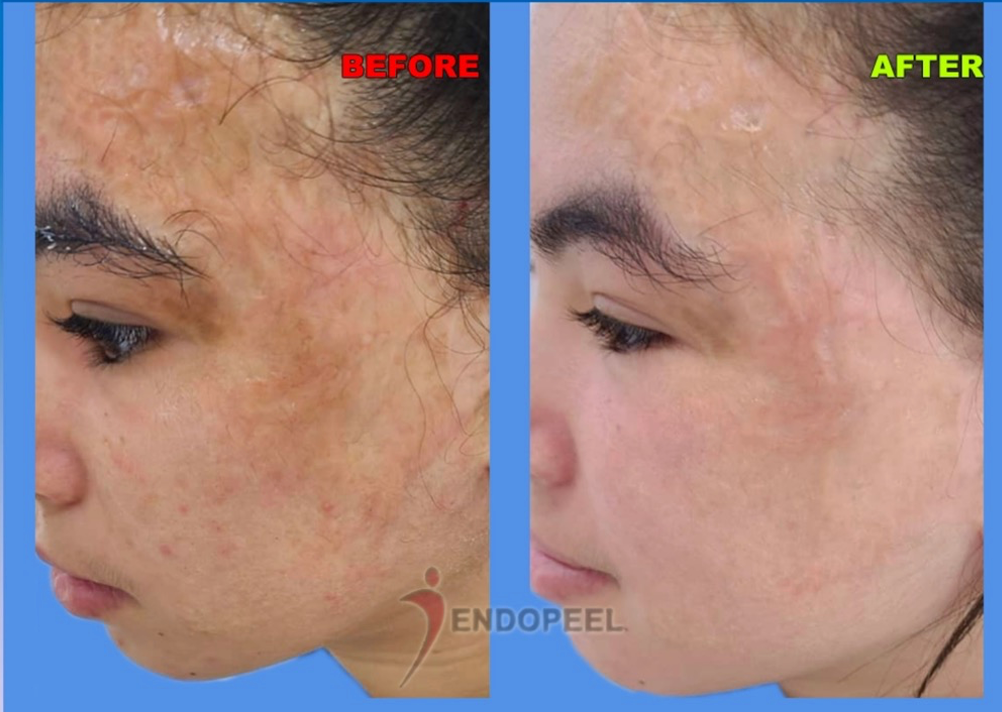
Melasma

Melasma
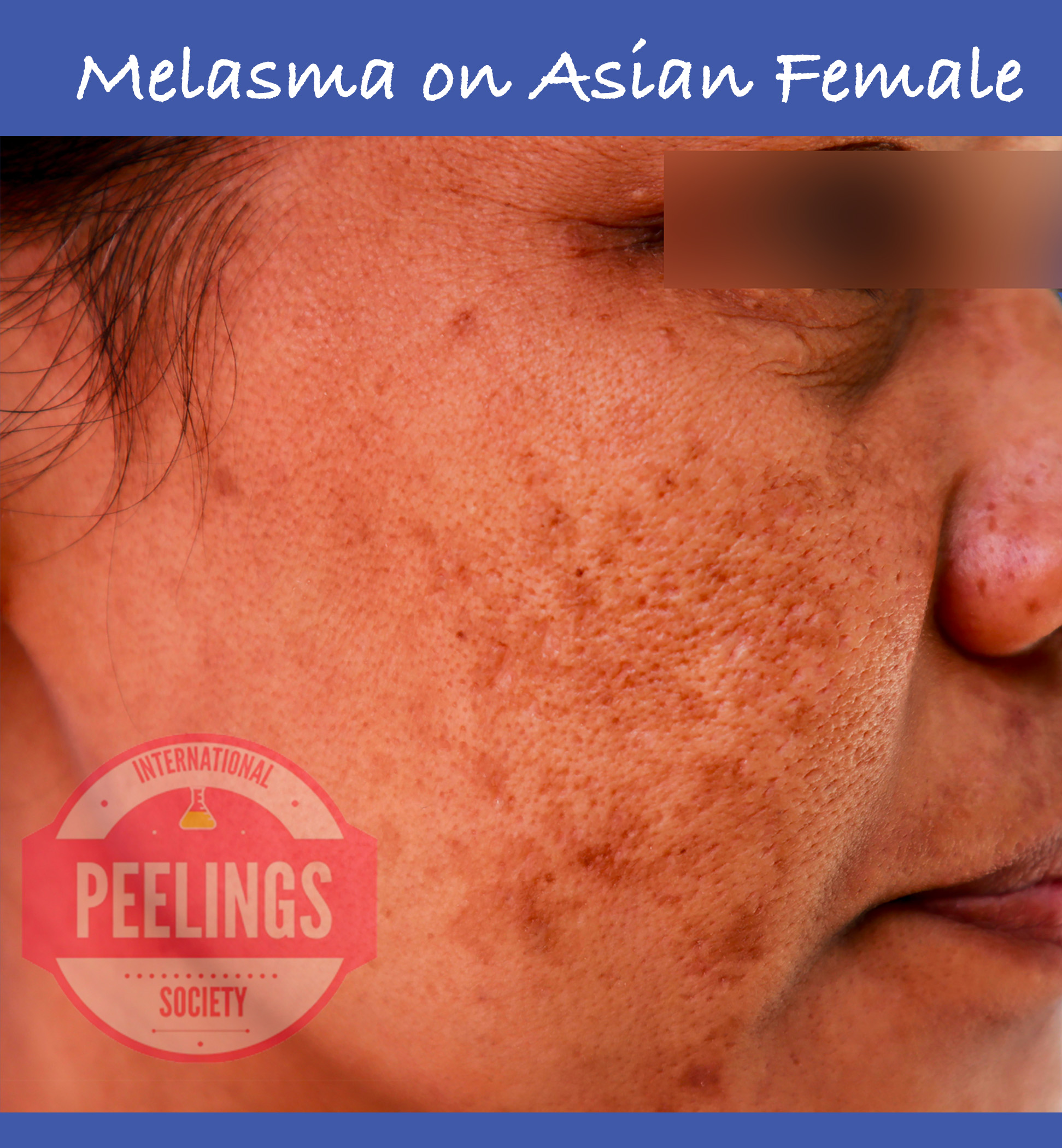
Melasma is a chronic acquired hyperpigmentation disorder characterized by irregular brown to gray-brown facial patches, most commonly affecting the cheeks, forehead, upper lip, and chin. It is influenced by ultraviolet exposure, hormonal factors, inflammation, and genetic predisposition.
Clinical aspect of melasma on Asian female

Clinical Definition

Melasma is a relapsing pigmentary condition involving increased melanocyte activity and abnormal melanin distribution within the epidermis, dermis, or both. It is not merely a superficial discoloration, but a multifactorial disorder associated with photoexposure, endocrine influences, vascular signaling, oxidative stress, and inflammatory pathways.

Clinically, melasma often presents as symmetrical facial hyperchromia and may become persistent when aggravating factors are not addressed. For this reason, treatment should not focus only on visible pigment, but also on the biological mechanisms that sustain recurrence.

Why Melasma Has Become More Difficult to Manage

Melasma has become more prevalent in recent years. Current understanding suggests that several environmental and behavioral factors may contribute to this trend, including ultraviolet exposure, hormonal influences, cumulative oxidative stress, and the increasing use of certain cosmetic or sunscreen formulations that may irritate the skin barrier.

Chronic Relapsing Nature

Melasma often improves temporarily and then returns. Repeated exposure to ultraviolet radiation, visible light, heat, hormonal influences, and inflammatory triggers may reactivate melanocyte function and progressively sustain recurrence over time.

Barrier Damage and Irritation

In predisposed individuals, repeated irritation of the epidermal barrier may worsen pigment dysregulation. Aggressive skincare routines, frequent exfoliation, and certain cosmetic ingredients can trigger low-grade inflammation, which in turn stimulates melanocyte activity and melanin production.

Sunscreen Formulations and Alcohol

Many modern sunscreens contain alcohol-based vehicles used as solvents or penetration enhancers. In sensitive skin, high concentrations of alcohol may dry the epidermis, alter barrier integrity, and contribute to irritation.

Inflammatory signals generated by barrier disruption may stimulate melanocytes and increase melanin production in predisposed individuals. In these situations, melasma may worsen despite regular sunscreen use.

This observation highlights the importance of selecting photoprotection and skincare products that respect skin barrier physiology and minimize unnecessary irritation.

Cumulative UV and Lifestyle Factors

Melasma develops gradually through cumulative ultraviolet exposure combined with hormonal influences and oxidative stress. Even with photoprotection, incomplete UVA coverage, irregular reapplication, or prolonged sun exposure may allow pigment pathways to remain activated.
Because melasma is influenced by multiple biological pathways, effective management should not rely exclusively on pigment removal. A rational strategy combines pigment regulation, reduction of inflammatory triggers, barrier-friendly skincare, and physician-guided protocols.
In situations where epidermal irritation contributes to pigment dysregulation, barrier-friendly skin conditioning approaches may help stabilize the skin environment while supporting progressive pigment regulation.

Pathophysiology

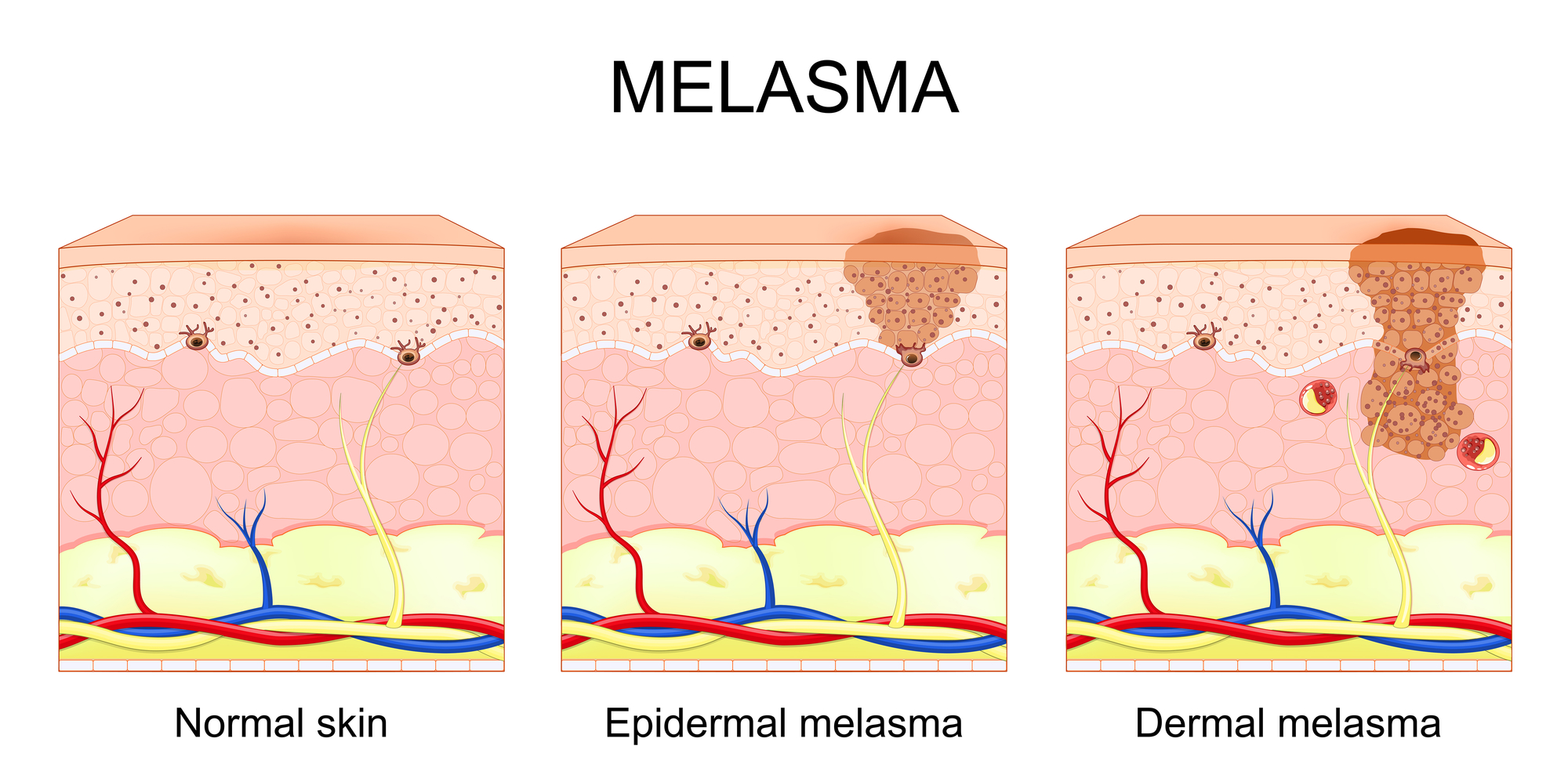
Melasma is a multifactorial pigmentary disorder involving complex interactions between melanocytes, keratinocytes, inflammatory mediators, vascular signals, and environmental triggers. Current evidence suggests that both epidermal and dermal mechanisms contribute to the persistence and recurrence of pigmentation.
Epidermal and dermal mechanisms involved in melasma hyperpigmentation

In melasma, increased melanocyte activity leads to excessive melanin production. This pigment is transferred to surrounding keratinocytes within the epidermis, creating visible hyperchromic patches.

However, the disorder frequently involves deeper biological changes. Disruption of the basement membrane may allow melanin to reach the dermis, where it is taken up by melanophages. This dermal component explains why some forms of melasma become more resistant to treatment.

Recent studies also highlight the role of inflammatory mediators, oxidative stress, vascular signaling, and ultraviolet-induced cellular responses in stimulating melanogenesis.

  • increased melanocyte stimulation
  • abnormal melanin transfer to keratinocytes
  • basement membrane alterations
  • dermal melanophage accumulation
  • oxidative stress and inflammatory amplification
  • ultraviolet and visible light activation of pigment pathways
Understanding these mechanisms explains why aggressive superficial treatments alone may not be sufficient. A rational approach should aim to regulate melanocyte activity, reduce inflammatory triggers, and support the physiological balance of the skin environment.

pKa Classification Applied to Melasma

In melasma, acid selection should not be reduced to concentration alone. Once pigment dysregulation has become clinically established, the functional behavior of acids must be interpreted according to their biologic endpoint, corrective role, and capacity to stabilize the epidermal environment over time.
In melasma, lower pKa acids are more relevant when a stronger corrective endpoint is required, intermediate pKa acids are useful for regulatory transition and controlled epidermal renewal, while higher pKa systems may support stabilization, tolerance, and long-term maintenance. The objective is not random exfoliation, but biologically guided pigment control.
Low pKa • < 2
Direct Corrective Activity &
Pigment Reduction
Lower pKa acids are associated with stronger immediate biologic activity and may be more relevant when visible corrective action is intended in pigment-loaded epidermal zones.
  • More suitable for stronger corrective endpoints
  • Relevant when visible pigment reduction is required
  • Must be interpreted in relation to phototype and tolerance
Intermediate pKa • 2–4
Keratoregulation &
Progressive Modulation
Intermediate pKa acids often provide a bridge between activity and tolerance, supporting progressive epidermal renewal and biologically regulated pigment management.
  • Useful in transitional corrective strategies
  • Supports controlled epidermal turnover
  • Relevant for sequential and combined protocols
Higher pKa • > 4
Stabilization Without
Excessive Irritative Load
Higher pKa systems are more appropriate when the clinical priority is support, tolerance, epidermal balance, and long-term stabilization of dyschromic skin behavior.
  • Supports maintenance and epidermal comfort
  • Useful in sensitive or reactive cutaneous environments
  • Relevant for maintenance after corrective phases
1
Prepare
Optimize the epidermal environment with better tolerated systems before introducing stronger corrective strategies in unstable pigment disorders.
2
Correct
Use more active corrective acids only when the clinical endpoint, phototype, and biologic context justify a stronger intervention.
3
Stabilize
Maintain gains through progressive support, tolerance-oriented management, and reduction of relapse toward recurrent pigment expression.

Scientific Blocks for Clinical Interpretation

Pigment Objective
The aim is not merely to exfoliate, but to reduce visible dyschromia while respecting the biologic behavior of melasma-prone skin.
Biologic Principle
Regulated progression is preferable to uncontrolled irritative excess. The most effective strategy is usually sequential, not indiscriminate.
Clinical Caution
Phototype, epidermal instability, topical environment, and relapse tendency must guide every therapeutic decision in melasma management.
Functional Role of Acids Based on pKa

In melasma, acids should not be interpreted as simple exfoliating agents. Their functional role depends on how they interact with melanogenesis, epidermal turnover, inflammation control, and skin tolerance.
Regulation of
Melanogenesis
Certain acids contribute to the modulation of melanogenic pathways, influencing tyrosinase activity and pigment production rather than simply removing pigment mechanically.
  • Targets pigment production mechanisms
  • Supports progressive normalization of melanocyte activity
  • Relevant in chronic and recurrent melasma
Controlled Epidermal
Turnover
Acids may enhance keratinocyte renewal and promote more uniform pigment distribution across the epidermis when applied in a controlled and sequential manner.
  • Improves pigment dispersion
  • Supports progressive dyschromia reduction
  • Must remain biologically regulated
Epidermal Stability
& Tolerance
Higher tolerance-oriented systems play a critical role in maintaining epidermal balance, reducing inflammatory triggers, and limiting relapse mechanisms in melasma-prone skin.
  • Supports barrier integrity
  • Reduces inflammatory reactivation
  • Essential for long-term control
FUNCTIONAL STRATEGY → REGULATE • RENEW • STABILIZE
Not all acids act the same — their role depends on biologic objective, not only on strength.

Therapeutic Targets

Melasma management should not be reduced to pigment removal alone. Effective treatment requires identification of the main biological targets involved in pigment persistence, recurrence, inflammation, and barrier instability.
Targets to Understand the Treatment Strategy

CompartmentGoal/AimCategory of TreatmentIngredientsProductLink
1
Compartment:

Production

Goal/Aim:

Reduce the production of melanin

Category of Treatment:

Prevention + Maintenance Treatments

Ingredients:
  • Tretinoin 
  • Tranexamic Acid
Product:

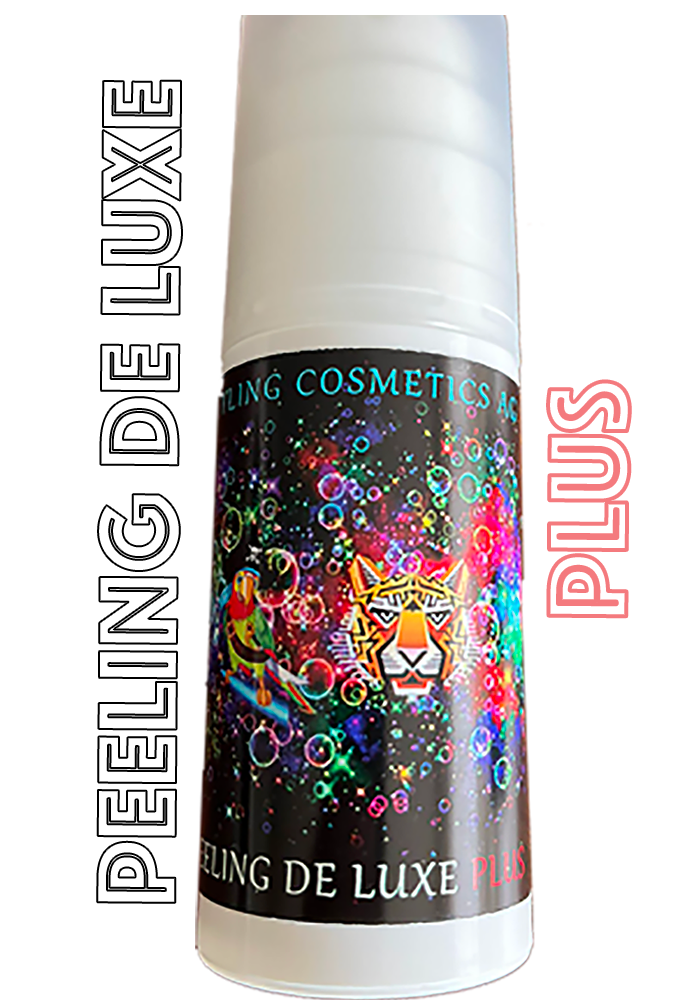
Peeling de Luxe Plus

2
Compartment:

Transfer

Goal/Aim:

Lower the melanin transfer through melanosomes

Category of Treatment:

Maintenance Treatment

Ingredients:
  • Melatonin Pigment Modulation
    ( see below)
Product:

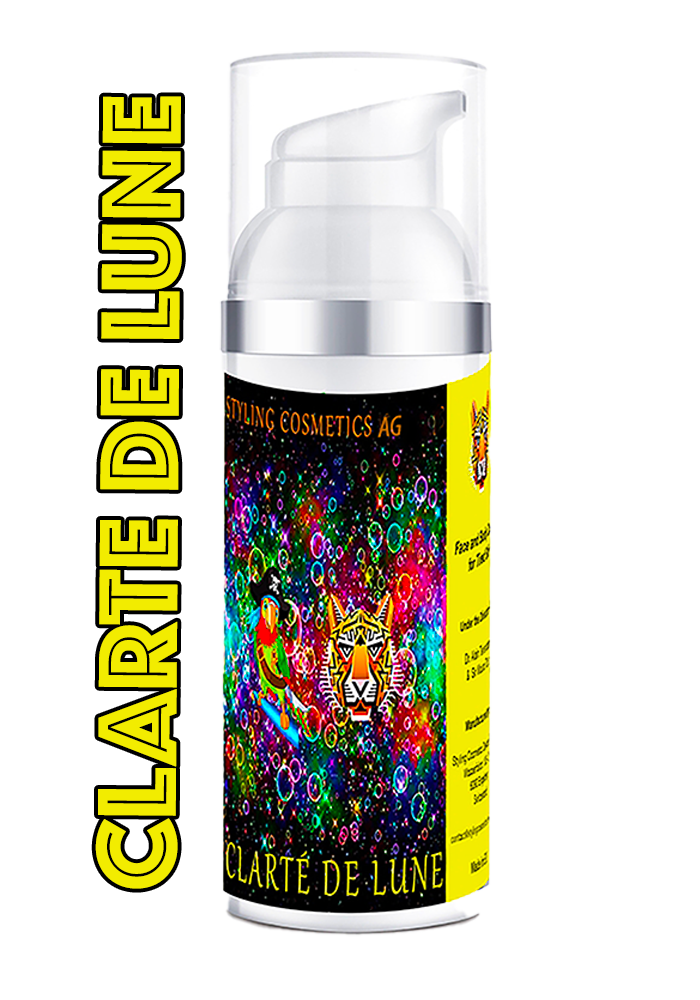
Clarté de Lune

3
Compartment:

Destruction

 
Goal/Aim:

Reduce visible hyperpigmentation

Category of Treatment:

Attack Treatment

Ingredients:
  • Azelaic Acid
  • Arbutin
  • Kojic Acid
  • Vit C
Product:

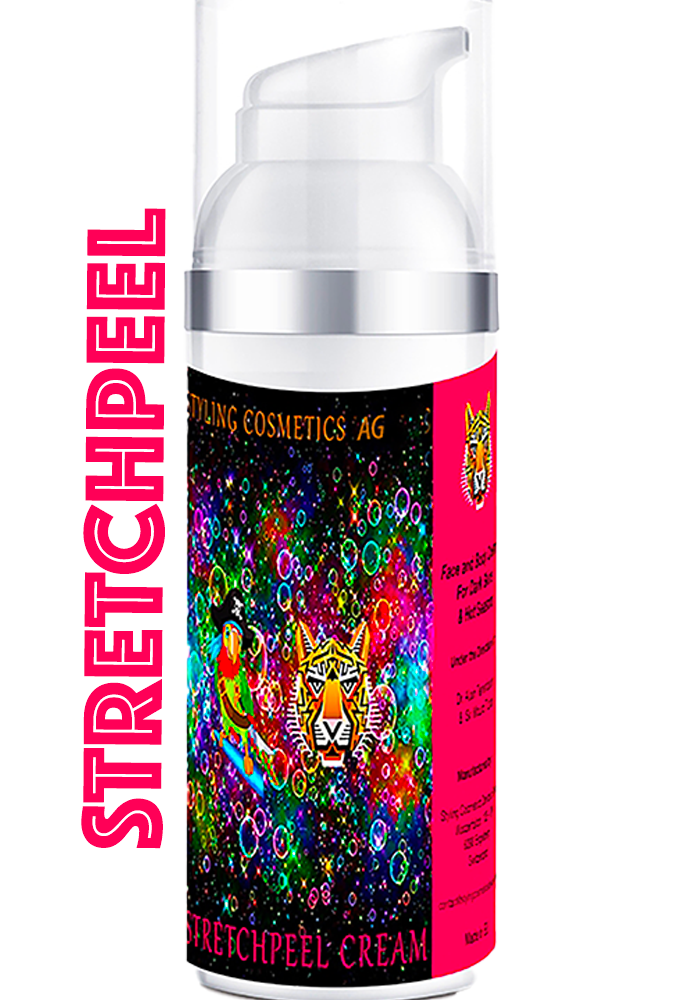
 StretchPeel

A target-based strategy helps explain why effective melasma management should integrate pigment regulation, control of inflammatory pathways, and preservation of the epidermal barrier rather than relying exclusively on aggressive pigment removal.

Examples of Product Support

Different products may support melasma management depending on the therapeutic target, including regulation of melanin production, modulation of pigment transfer, and correction of visible hyperpigmentation.
Peeling de Luxe Plus supporting melanin production control

Peeling de Luxe Plus

Peeling de Luxe Plus may be integrated into strategies aiming to regulate melanin production and support preventive or maintenance phases in melasma management.

  • melanin production control
  • preventive strategies
  • maintenance-oriented support
Clarté de Lune pigment modulation support

Clarté de Lune

Clarté de Lune may contribute to pigment modulation strategies supporting long-term melasma management and cosmetic stabilization.

  • pigment transfer modulation
  • maintenance strategy
  • long-term support
StretchPeel corrective support for hyperpigmentation

StretchPeel

StretchPeel may be considered when corrective strategies are needed for visible hyperpigmentation while maintaining attention to skin barrier tolerance.

  • corrective hyperpigmentation support
  • barrier-friendly conditioning
  • physician-guided protocols

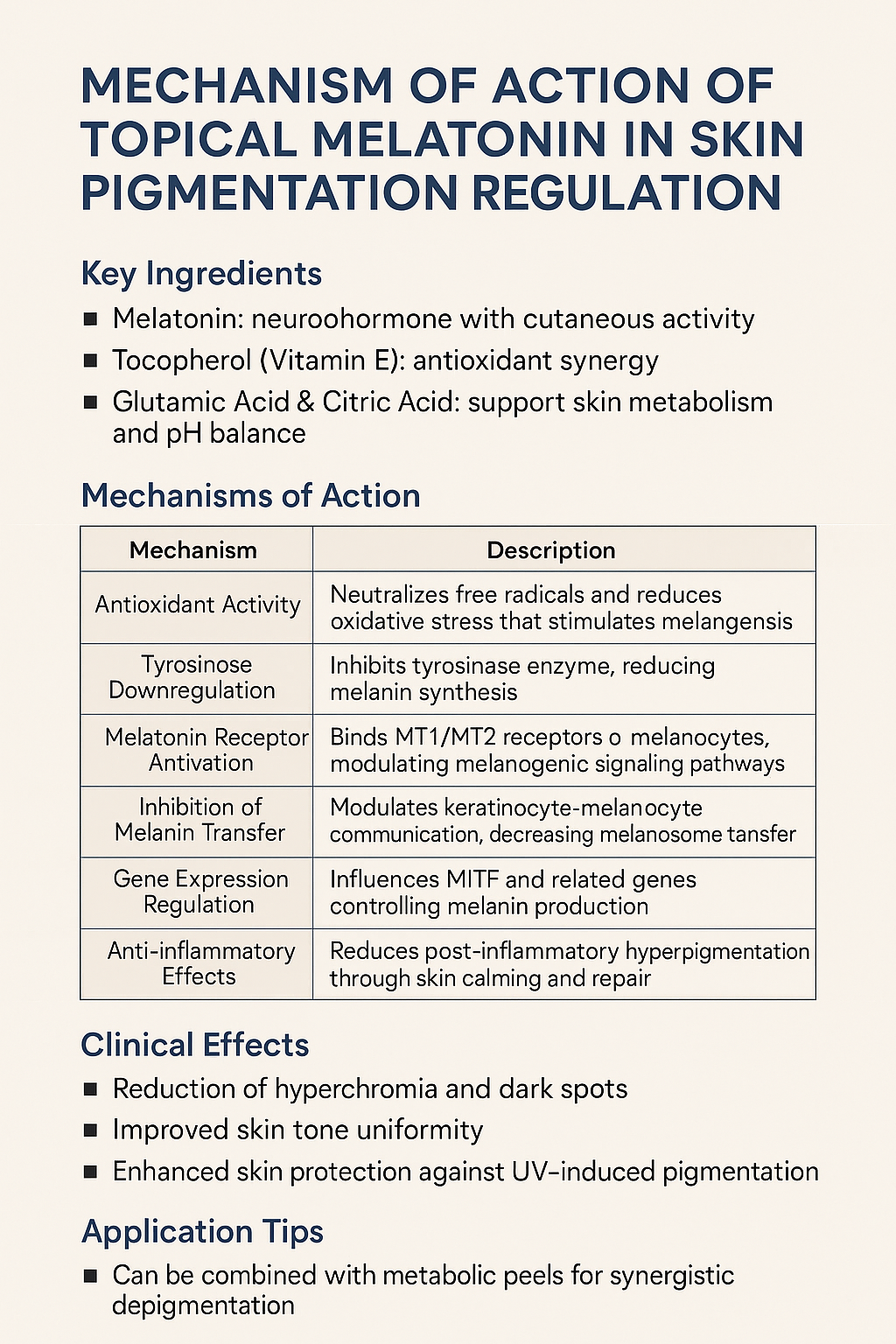
Clarté de Lune – Mechanism of Action

Clarté de Lune is a melatonin-based topical formulation designed to support pigment regulation in hyperchromic disorders such as melasma. The formulation combines antioxidant protection, modulation of melanogenic signaling pathways, and improvement of epidermal tolerance.
Mechanism of action of topical melatonin in skin pigmentation regulation

Clinical Relevance

  • reduces melanin production through tyrosinase pathway modulation
  • may reduce melanosome transfer between melanocytes and keratinocytes
  • supports management of hyperchromia, including post-inflammatory pigmentation
  • well tolerated even in sensitive or darker phototypes
  • can be combined with metabolic peels for enhanced results
The combined antioxidant, regulatory, and anti-inflammatory properties of melatonin may contribute to a progressive stabilization of pigment dysregulation, particularly when integrated into a broader physician-guided melasma management strategy.

Clinical Summary for Patients and Physicians

Melasma is a chronic relapsing hyperpigmentation disorder influenced by ultraviolet exposure, hormonal factors, inflammation, oxidative stress, and epidermal barrier instability. Effective management usually requires a physician-guided strategy combining pigment regulation, reduction of inflammatory triggers, skin-friendly maintenance, and long-term prevention of recurrence.

What is Melasma?

Melasma is a pigmentary condition that appears as brown or gray-brown patches, most often on the cheeks, forehead, upper lip, and chin. It is more common in darker phototypes and in patients exposed to hormonal or ultraviolet triggers.

  • chronic and recurrent condition
  • often worsened by sun exposure and heat
  • may involve epidermal and dermal pigmentation
  • requires more than simple surface correction

How is Melasma Managed?

Melasma management depends on the depth of pigmentation, patient phototype, inflammatory sensitivity, and recurrence risk. Treatment often combines physician-guided peeling strategies, pigment-regulating topical support, photoprotection, and barrier-friendly skincare.

  • control of melanin production
  • reduction of pigment transfer
  • correction of visible hyperpigmentation
  • maintenance and relapse prevention
This page provides an indication-oriented overview of melasma, while the dedicated protocol page explains the practical therapeutic pathway in greater detail.
Clinical Reference

For a detailed clinical review of melasma pathophysiology and the role of chemical peeling in pigment management, see the dedicated clinical review.

Explore the Full Clinical Review

Melasma – Frequently Asked Questions

What causes melasma?

Melasma is triggered by multiple factors including ultraviolet exposure, hormonal influences, genetic predisposition, inflammation, and oxidative stress. These factors stimulate melanocytes to produce excessive melanin in certain areas of the skin.

Why does melasma often return after treatment?

Melasma is a chronic condition influenced by environmental and hormonal triggers. Even when pigmentation improves, underlying melanocyte activity may persist, which explains why maintenance strategies are often necessary.

Can chemical peels help treat melasma?

Physician-guided chemical peels may help regulate pigment production, improve epidermal turnover, and support long-term management when integrated into a comprehensive treatment strategy.

Is melasma treatment permanent?

Melasma treatment can significantly improve pigmentation, but long-term maintenance and photoprotection are usually required to minimize recurrence.

Protocol and Treatment Pathway

The practical management of melasma depends on the depth of pigmentation, the predominance of epidermal or dermal involvement, patient phototype, skin sensitivity, and the risk of recurrence. For this reason, treatment should follow a structured physician-guided pathway rather than an isolated corrective intervention.
The dedicated protocol page presents the treatment logic in a more practical format, including therapeutic sequencing, supportive care, and long-term management strategy.

Share this website on your social medias