Clinical Understanding of Photoaging
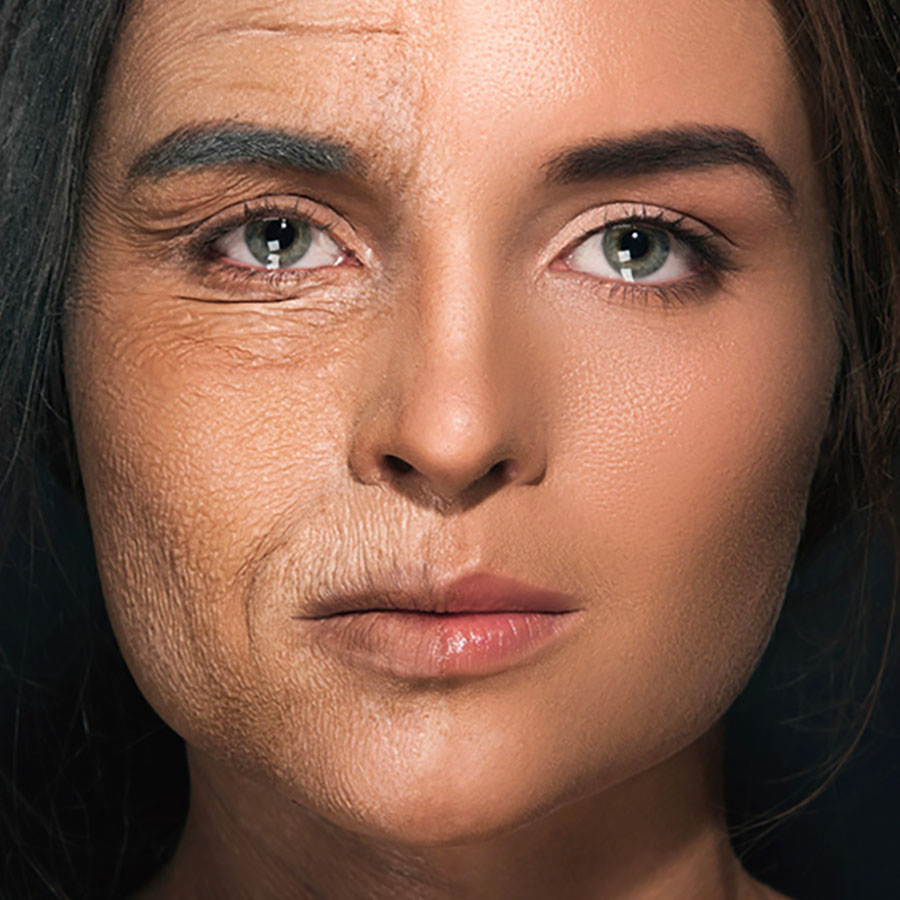
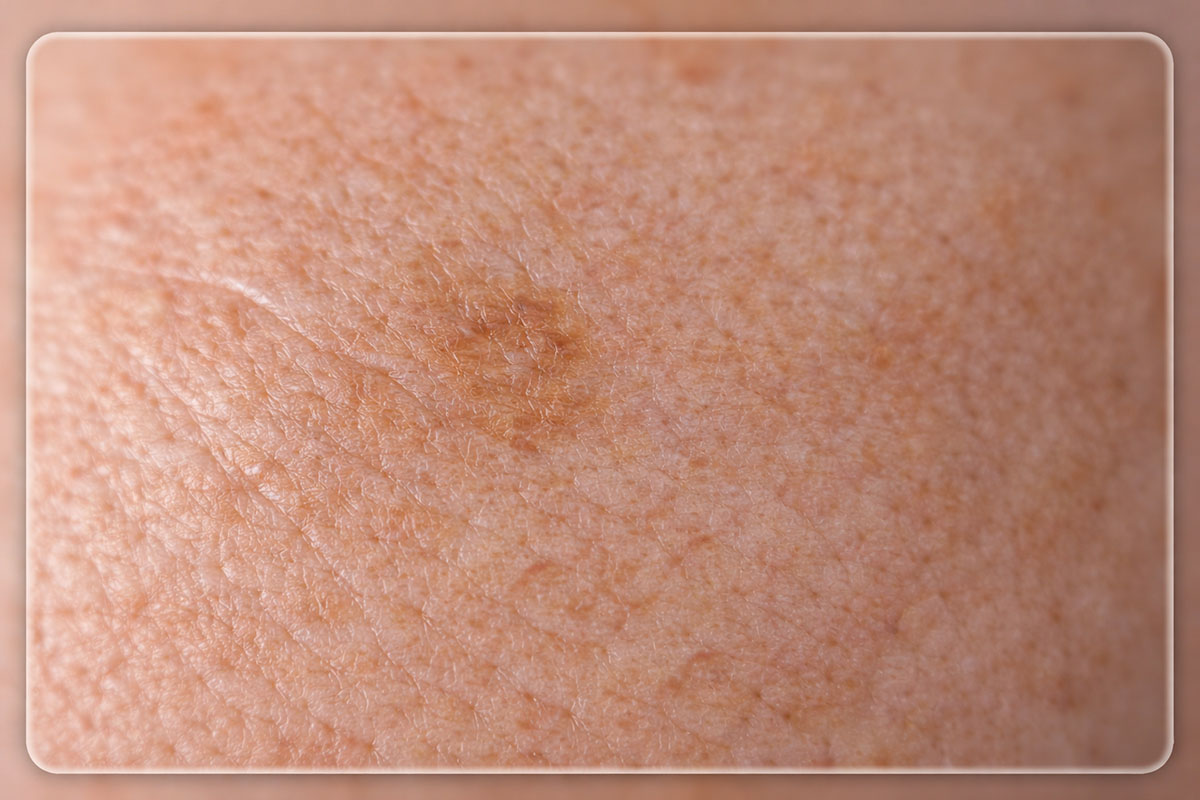
Photoaging is not simply “getting older.” It is the result of cumulative ultraviolet damage affecting collagen, elastin, pigmentation, vascular stability, and skin texture over time.
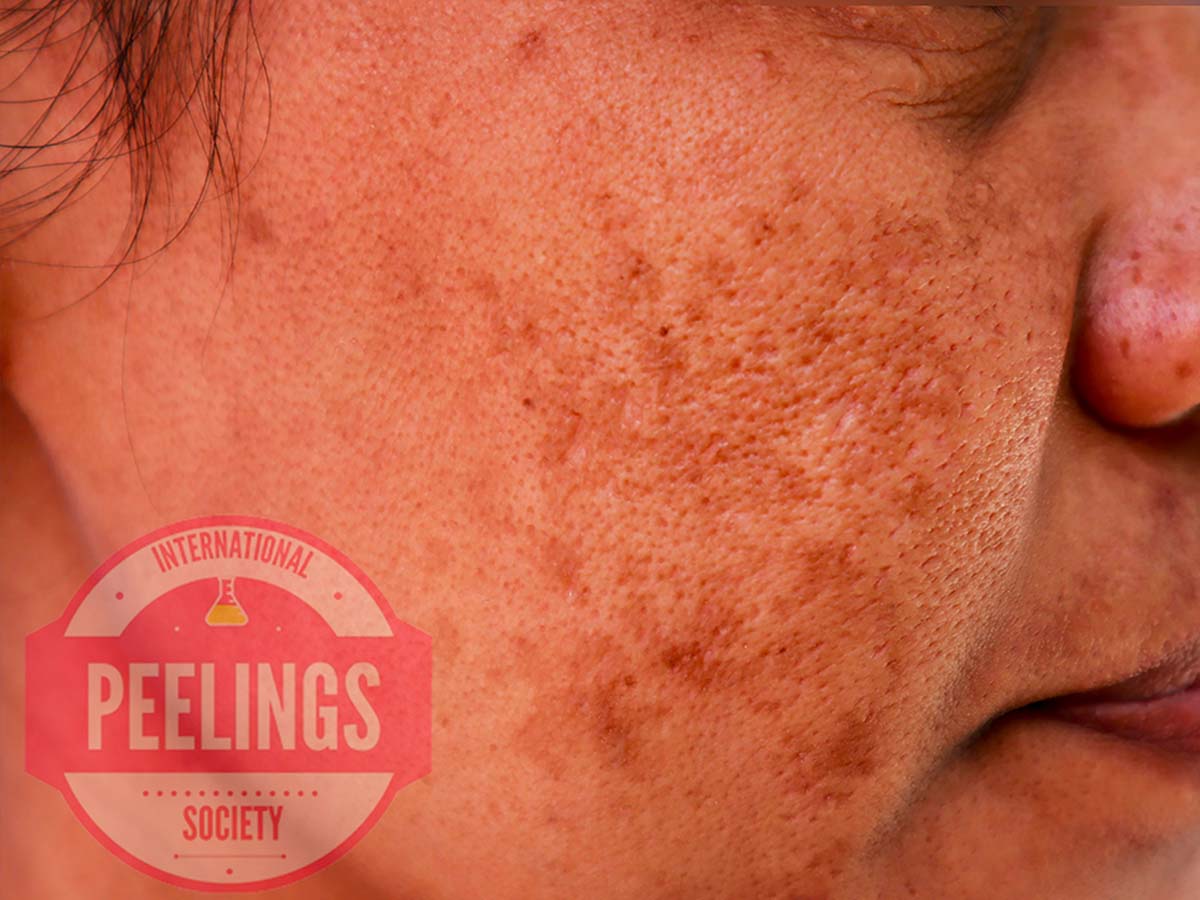
Unlike intrinsic aging, photoaging is driven by environmental aggression, especially repeated exposure to ultraviolet radiation. This produces visible and microscopic changes that go beyond wrinkles alone and include dyschromia, textural decline, roughness, and solar elastosis.
In clinical practice, photoaged skin often requires a staged strategy rather than a single intervention. Peel selection should depend on pigment behavior, skin sensitivity, epidermal thickness, recovery profile, and the intended balance between superficial correction and deeper remodeling support.
- Collagen degradation and reduced dermal support
- Abnormal elastin accumulation in solar elastosis
- Irregular pigmentation and lentiginous change
- Surface roughness and altered light reflection
Why Conventional Anti-Aging Approaches Often Remain Incomplete
Many approaches target only one visible sign of aging, while photoaged skin usually combines pigment irregularity, roughness, textural decline, and progressive structural weakening at the same time.
✦
Cream-Only Logic
Topicals may support maintenance, but they often remain insufficient when roughness, visible sun spots, and cumulative structural damage are already established.
Helpful for support, but rarely sufficient alone in established photoaging.
◉
Device-Only Logic
Energy-based methods may help in selected cases, but they are not always the first or most elegant answer for every pigment-texture-aging combination.
Useful in selected indications, but not always ideal as a first-line global strategy.
⚗
One-Acid-Fits-All
A simplistic peel choice can miss the biological complexity of photoaging. Acid behavior, pKa logic, and protocol modulation matter.
Acid selection should follow biological behavior, not simplified routine formulas.
The Metabolic Peel Approach to Photoaged Skin
Beyond surface exfoliation, metabolic peeling is based on controlled biological signaling, progressive keratoregulation, and adaptive dermal stimulation.
Traditional peeling often relies on intensity and visible exfoliation. In contrast, the metabolic peel approach is based on the biological behavior of acids, including their pKa, proticity, penetration dynamics, and interaction with epidermal and dermal structures.
The objective is not uncontrolled injury but progressive adaptation of the skin through repeated signaling, allowing better pigment regulation, improved texture, and more stable structural outcomes over time.
- Keratoregulation instead of aggressive exfoliation
- Progressive dermal stimulation rather than abrupt injury
- Adaptive protocols according to skin response
- Integration of pigment control and structural support
pKa-Driven Selection
Acid behavior determines penetration, reactivity, and biological effect — not just concentration.
Controlled Remodeling
Gradual stimulation improves dermal structure without inducing uncontrolled damage.
Protocol Adaptation
Each session adapts to skin response, phototype, and clinical objective.
The result is a progressive improvement in luminosity, texture regularity, and pigment balance — without relying on aggressive single-session approaches.
pKa-Oriented Classification Logic
According to the classification proposed by Alain Tenenbaum, acid behavior should be interpreted through pKa, proticity, and metabolic logic rather than concentration alone.
In this framework, acid selection is based on biological behavior, reaction potential, and tissue modulation. The objective is not to rank acids by strength, but to understand how their chemical profile influences penetration, keratoregulation, and progressive remodeling.
pKa < 3
Strong acidic dissociation with higher biological aggressiveness and lower tolerance margin.
- Rapid chemical activity
- Higher irritation potential
- Reduced control window
- Strict indication required
Examples
TCA, pyruvic acid, salicylic acid
pKa ≈ 3–4
Balanced behavior allowing controlled keratoregulation and adaptable clinical protocols.
- Controlled activity
- Better tolerance
- Protocol flexibility
- Ideal for repeated sessions
Examples
Glycolic, lactic, mandelic, tartaric acids
pKa > 4
Slower dissociation supporting progressive modulation and controlled biological signaling.
- Lower aggressiveness
- Progressive effect
- High modulation potential
- Supports long-term strategies
Examples
Azelaic acid and selected buffered systems
Monoprotic
Single dissociation step.
Glycolic, lactic
Diprotic
Dual dissociation behavior.
Malic, tartaric, azelaic
Triprotic
Multiple dissociation steps.
Citric acid
This classification framework emphasizes acid behavior, dissociation patterns, and tissue response rather than simplistic concentration-based ranking.
Conceptual Classification Framework — Alain Tenenbaum
Main Clinical Expressions of Photoaging
Pigment Irregularity
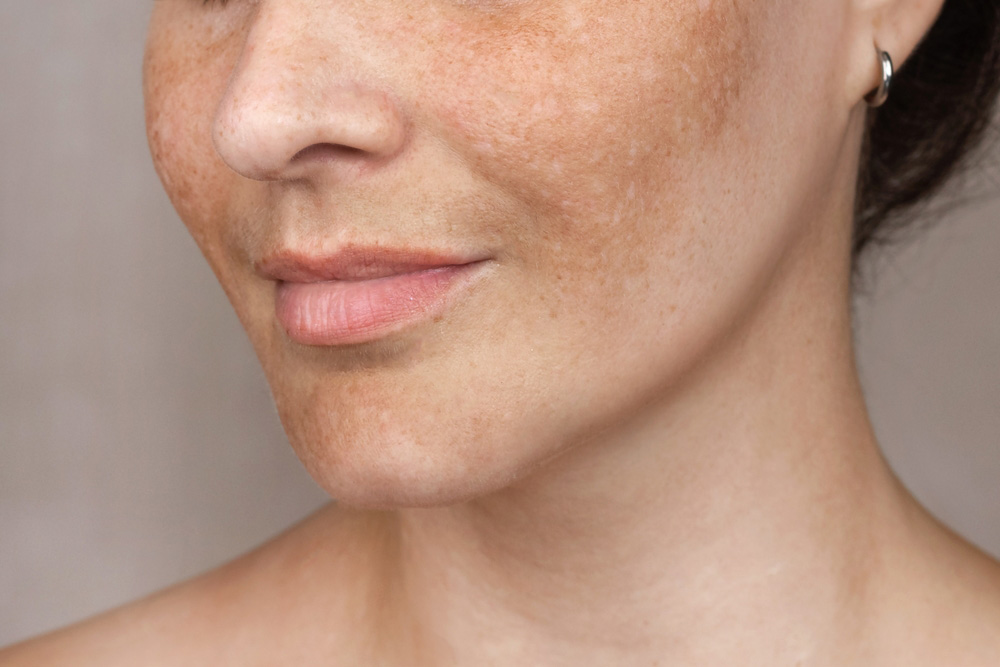
Uneven coloration, mottled tone, and lentiginous changes are among the most visible hallmarks of chronic sun damage.
Textural Decline
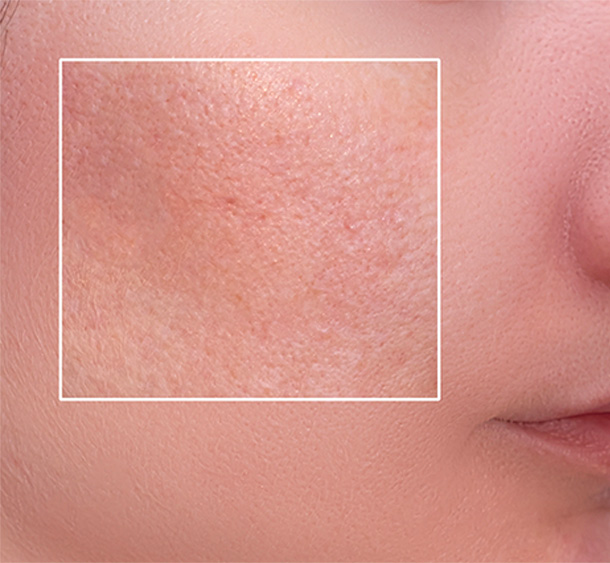
Roughness, dullness, thicker surface feel, and altered smoothness often reflect progressive epidermal and superficial dermal impairment.
Structural Aging
Fine lines, loss of firmness, and gradual architectural weakening are linked to collagen degradation and solar elastosis.
Product Integration for Photoaging Management
Product selection should reflect skin sensitivity, pigment profile, roughness level, and whether the main objective is renewal, modulation, or progressive correction.
Texture Refinement
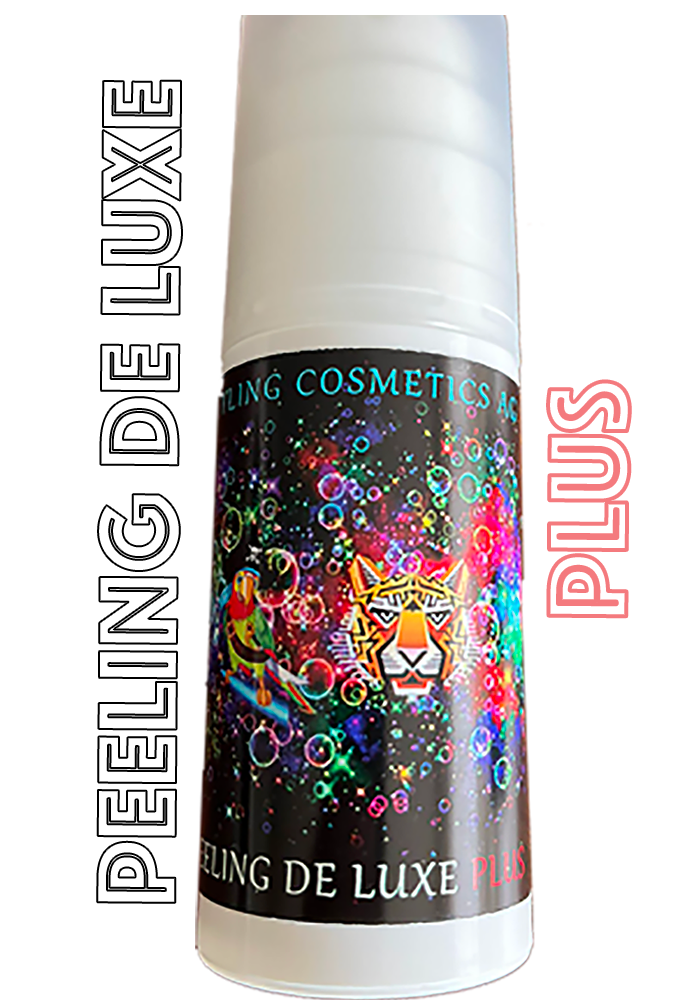
Peeling de Luxe Plus
Suitable for premium progressive renewal strategies where texture refinement, luminosity support, and overall skin quality are central goals.
- Global textural refinement
- Skin quality support
- Premium protocol integration
Preparation Phase
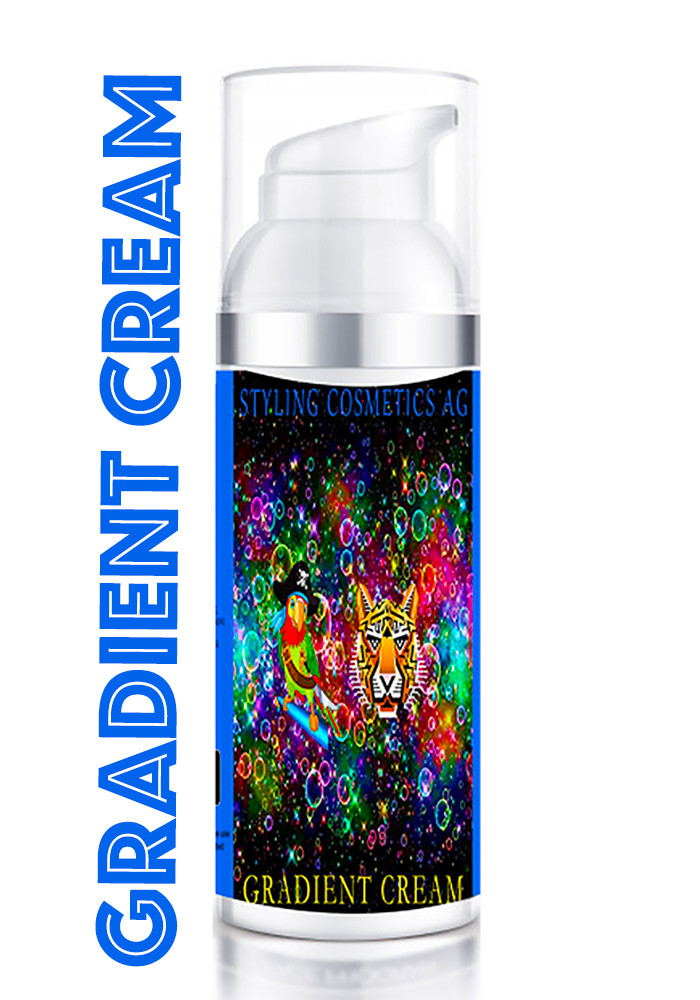
Gradient Cream
Particularly useful for preparation, tolerance building, protocol modulation, and progressive escalation when photoaged skin is reactive or heterogeneous.
- Preparation logic
- Progressive escalation support
- Protocol modulation value
Pigment Support
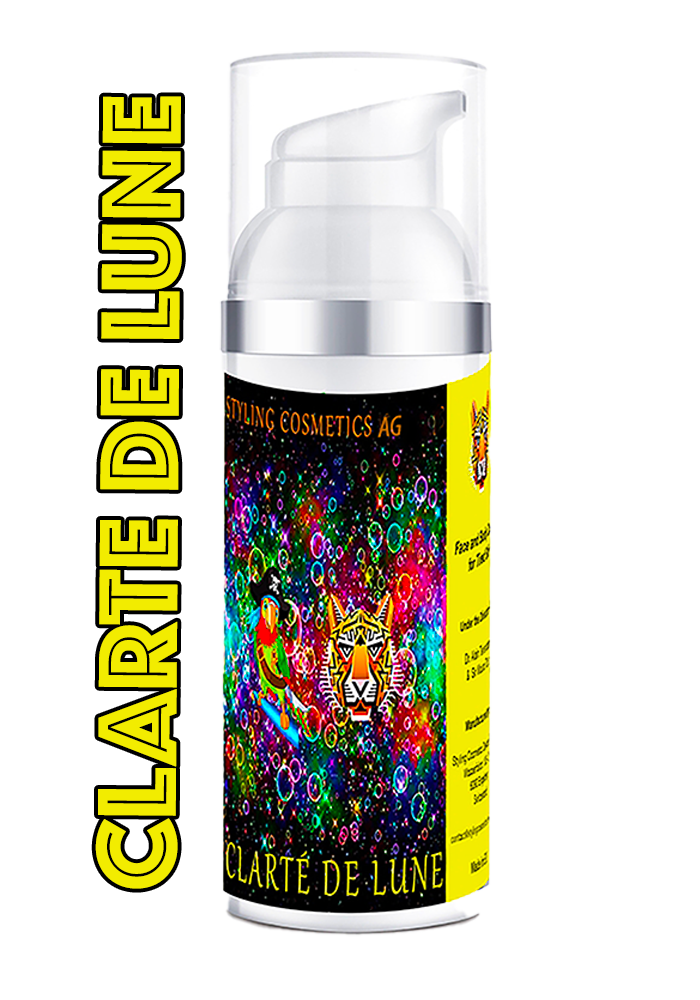
Clarté de Lune
Relevant when visible photoaging is combined with pigment irregularity, uneven tone, or a need for supportive topical regulation.
- Pigment support logic
- Uneven tone modulation
- Adjunctive maintenance value
Strategic Treatment Planning
Photoaging generally responds best to staged sequencing, indication-based modulation, and gradual improvement rather than to isolated aggressive intervention.
Photoaged skin generally improves through sequencing rather than through a single aggressive session. The objective is to restore smoother texture, more regular tone, better light reflection, and progressive support of the aging dermal framework.
- Assessment of roughness, pigmentation, and tolerance
- Protocol adaptation to phototype and reactivity
- Combination logic between preparation, active sessions, and maintenance
- Progressive—not abrupt—quality improvement
Expected Direction of Improvement
- Brighter skin appearance
- More regular tone
- Smoother texture
- Progressive softening of visible aging signs
Outcomes depend on chronicity, sun exposure habits, phototype, associated pigmentation, and consistency of professional management.
Before / After Strategy
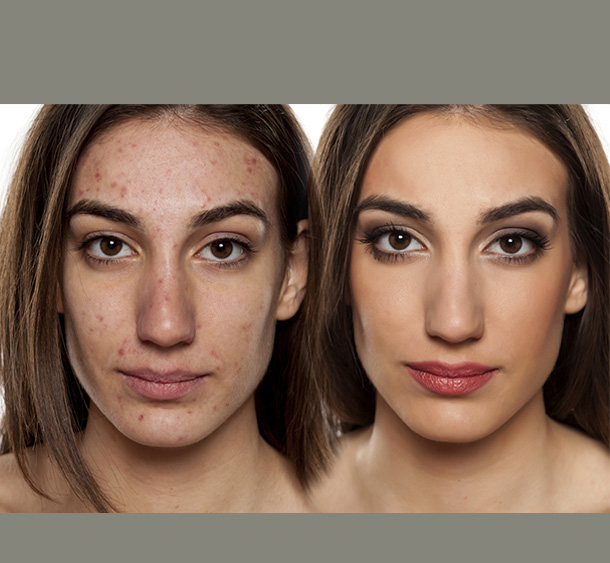
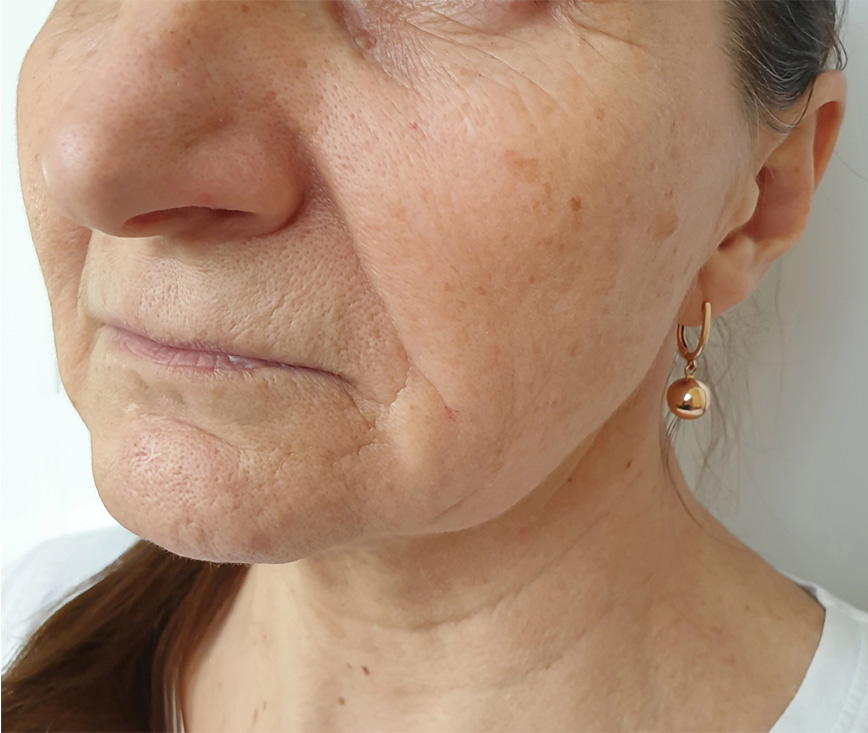
This section should document realistic progressive improvement in luminosity, texture regularity, and visible signs of photodamage without overpromising rejuvenation.
Before
After
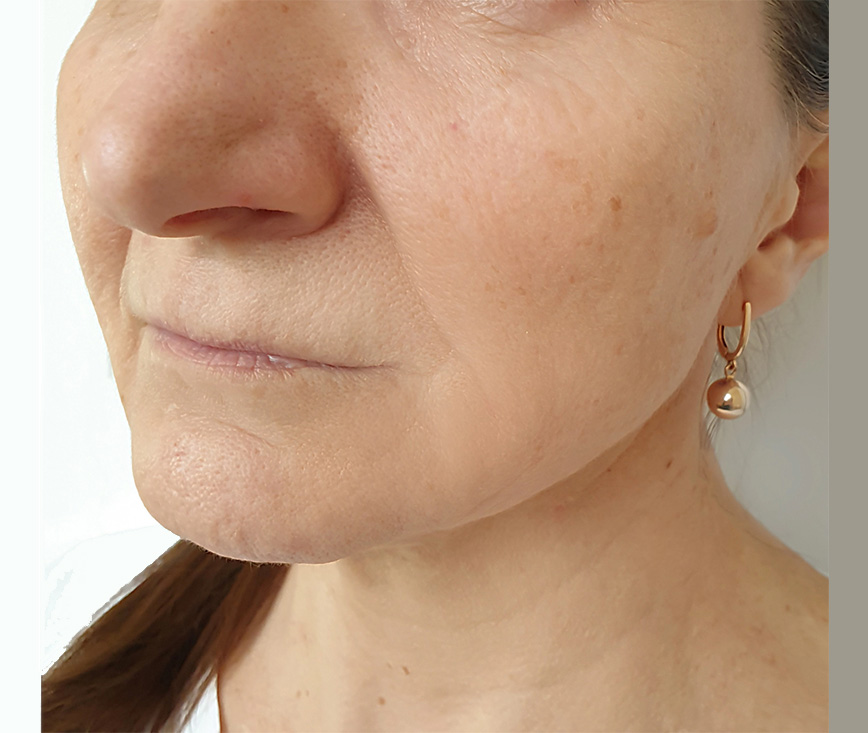
Best practice: standardize lighting, angle, expression, and timing when documenting photoaging correction. This strengthens credibility and reduces misleading visual bias.
FAQ
-
Can photoaged skin really improve?
Yes. While chronic sun damage cannot be completely erased, many visible signs of photoaging may improve through a structured strategy combining photoprotection, professional treatments, and maintenance care.
-
Are chemical peels useful for photoaging?
Yes. Chemical peels may be highly relevant for photoaging when selected according to proper indication logic. They can support roughness reduction, luminosity improvement, pigment modulation, and progressive surface renewal.
-
How many sessions are usually required?
The number of sessions depends on the severity of photoaging, skin sensitivity, pigment profile, treatment objectives, and whether a progressive or more intensive protocol is selected.
-
Why is a one-acid-fits-all approach often insufficient?
Because photoaging is biologically heterogeneous. Uneven pigmentation, roughness, textural decline, and structural weakening do not always respond optimally to the same acid or to the same protocol intensity.
-
What is the advantage of a pKa-oriented peel strategy?
A pKa-oriented strategy helps interpret acid behavior through dissociation potential, biological reactivity, and protocol adaptability. This supports a more rational and controlled approach than concentration alone.
Related Clinical Topics
Explore related indications that frequently overlap with photoaging or influence the design of a broader aesthetic skin management strategy.