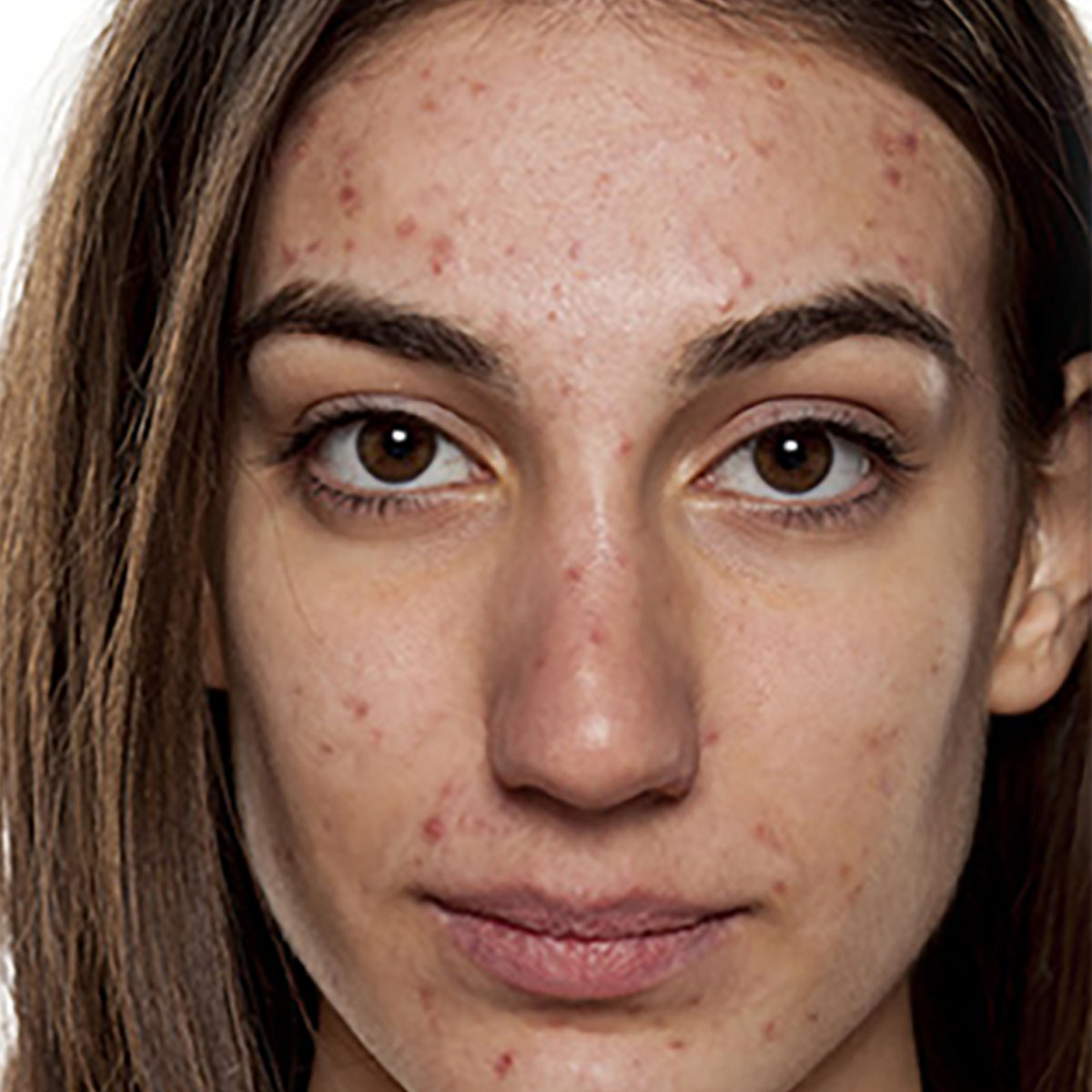
Typical clinical presentation of acne lesions affecting facial skin.
Acne is one of the most common inflammatory disorders of the skin and affects both adolescents and adults worldwide. It involves complex interactions within the pilosebaceous unit, including follicular obstruction, sebaceous gland activity, microbial colonization, and inflammatory responses.
Although medical therapies remain the cornerstone of acne management, dermatologic skin renewal procedures may contribute to improving certain acne-related skin conditions when carefully integrated into a comprehensive treatment strategy.
Controlled epidermal renewal approaches may help promote physiological skin turnover, facilitate normalization of follicular keratinization, and progressively improve the overall appearance of acne-affected skin.
This page provides a clinical overview of acne and discusses the potential role of dermatologic skin renewal procedures within broader acne management strategies.
Acne is a multifactorial inflammatory disorder centered on the pilosebaceous unit. Its development is not related to a single mechanism, but rather to the interaction of several biological processes that progressively alter follicular function and cutaneous homeostasis.
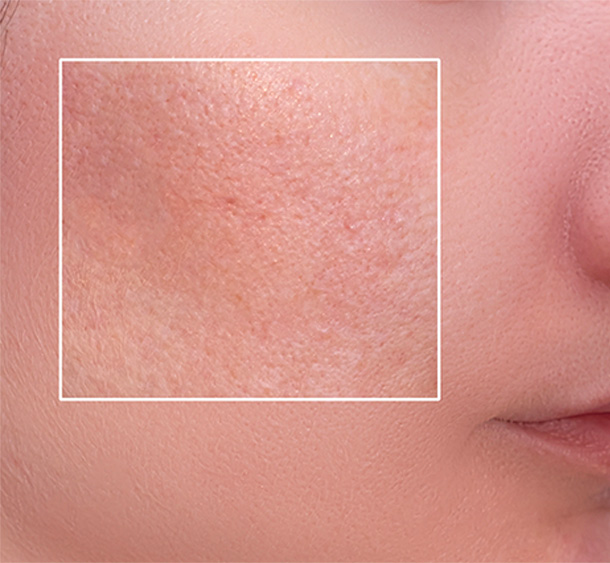
Open comedones illustrating follicular obstruction and sebaceous dysfunction within the pilosebaceous unit.
Four major pathophysiological components are classically involved in acne development:
follicular hyperkeratinization
increased sebaceous activity
microbial proliferation within the follicular environment
inflammatory responses of variable intensity
Follicular hyperkeratinization contributes to obstruction of the follicular canal and favors retention of keratinous material. At the same time, increased sebaceous gland activity modifies the local environment and promotes persistence of acne lesions.
Microbial colonization, particularly involving Cutibacterium acnes, may further amplify local inflammatory pathways. This process can contribute to the formation of comedonal lesions, papules, pustules, and, in more pronounced clinical presentations, deeper inflammatory lesions.
Acne is therefore not merely a cosmetic concern, but a complex inflammatory skin disorder whose clinical expression may vary according to age, hormonal influences, genetic predisposition, skin reactivity, and lesion chronicity.
Understanding these mechanisms is essential when considering dermatologic skin renewal procedures, since any supportive approach must remain consistent with the biological behavior of acne and with the overall condition of the skin barrier.
CLINICAL PRESENTATION OF ACNE
Acne may present with a broad clinical spectrum ranging from predominantly non-inflammatory lesions to more persistent inflammatory forms. The visible expression depends on the relative importance of follicular obstruction, sebaceous activity, microbial imbalance, and inflammatory response.
Example of juvenile acne with inflammatory and comedonal lesions.
The most common clinical lesions include:
open comedones
closed comedones
papules
pustules
inflammatory nodular lesions in more pronounced cases
In many patients, acne begins with comedonal retention lesions and may subsequently evolve toward inflammatory manifestations of variable intensity. Clinical severity is not determined only by the number of lesions, but also by their distribution, recurrence, depth, and the tendency to leave persistent visible marks or textural irregularities.
Acne may affect different age groups and clinical contexts. Juvenile acne is commonly observed during adolescence and is often linked to hormonal stimulation of sebaceous activity. Persistent adult acne may continue beyond adolescence or appear later in life, often with a more chronic pattern and a predilection for the lower face.
Some patients present mainly with retention and superficial inflammatory lesions, whereas others develop recurrent inflammatory outbreaks associated with prolonged erythema, dyschromia, or later structural changes. This clinical diversity explains why acne should not be approached as a single uniform entity, but rather as a condition requiring individualized evaluation.
Careful recognition of lesion type, inflammatory activity, and chronicity is essential before considering any dermatologic skin renewal strategy, since the procedural approach must remain adapted to the actual clinical presentation rather than to the label of acne alone.
WHY ACNE MAY LEAD TO VISIBLE AFTER-EFFECTS
Acne is not limited to active lesions alone. Even when inflammatory activity decreases, many patients continue to present with visible residual changes that may persist for weeks, months, or longer depending on lesion intensity, recurrence, skin reactivity, and individual healing patterns.
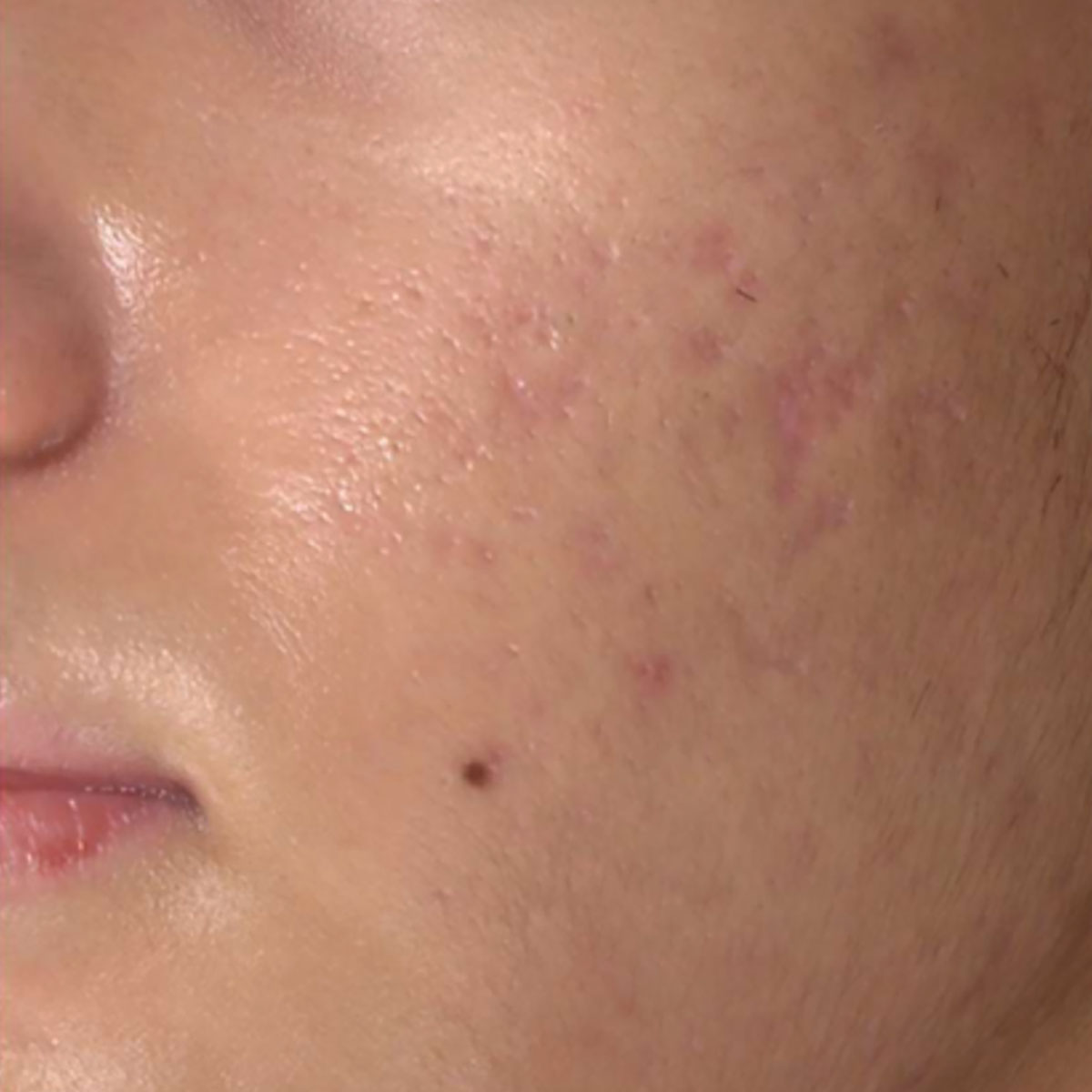
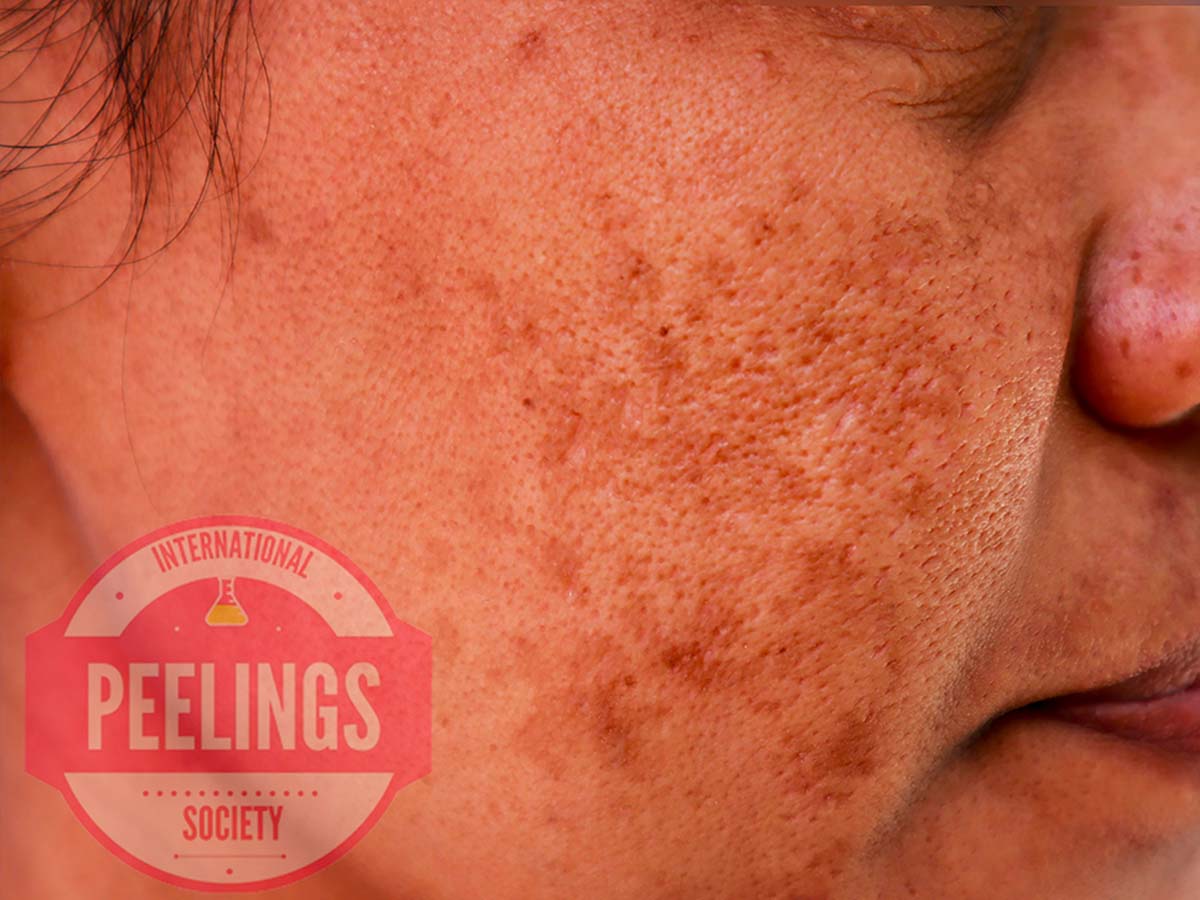
Inflammatory acne lesions on the cheek with visible post-inflammatory marks.
These after-effects may include:
persistent erythematous marks after inflammatory lesions
post-inflammatory hyperpigmentation
uneven skin texture
enlarged or irregular follicular appearance
progressive structural changes that may evolve toward acne scarring
The risk of visible after-effects generally increases when inflammatory lesions are recurrent, prolonged, manipulated, or insufficiently controlled. Individual biological response also plays an important role, especially in patients with marked inflammatory reactivity or a tendency toward dyschromia after cutaneous injury.
In darker phototypes, residual pigmentation may remain particularly visible after active lesions have clinically improved. In other patients, prolonged inflammatory activity may lead to textural irregularities and structural remodeling of the skin surface.
For this reason, acne management should not focus exclusively on the treatment of active lesions. It should also aim to limit the persistence of visible sequelae and to preserve as much cutaneous regularity as possible over time.
This broader perspective is clinically important because acne-related concerns often include not only current inflammatory lesions, but also the residual marks and textural changes that remain after them.
ROLE OF DERMATOLOGIC SKIN RENEWAL PROCEDURES IN ACNE
In selected clinical situations, dermatologic skin renewal procedures may be integrated into broader acne management strategies. Their role is not to replace medical treatment when such treatment is indicated, but to support cutaneous normalization through controlled renewal of the epidermal surface.
This approach may be of interest particularly when the skin presents with retention phenomena, irregular surface texture, persistent dullness, or visible after-effects related to previous inflammatory activity.
By promoting progressive epidermal turnover, controlled skin renewal procedures may contribute to:
improved surface regularity
better physiologic epidermal renewal
progressive reduction of follicular retention
refinement of overall skin texture
supportive improvement in the visible consequences of acne
The rationale of these procedures is based on controlled stimulation of epidermal renewal rather than on aggressive tissue injury. In clinical practice, this distinction is important because acne-affected skin may already present with barrier fragility, inflammatory sensitivity, or residual visible alterations that require a measured and biologically coherent approach.
For this reason, the indication must always be individualized. The relevance of a skin renewal procedure depends on lesion type, inflammatory intensity, skin reactivity, phototype, chronicity, and the presence or absence of residual marks or structural changes.
When appropriately selected and professionally supervised, such procedures may therefore represent a useful adjunct within comprehensive acne-oriented care.
Beyond concentration alone, the clinical behavior of peeling agents is determined by their dissociation profile, proticity, and biological interaction with the skin. A pKa-oriented interpretation allows a more precise understanding of how different acids influence keratoregulation, tolerance, and progressive tissue remodeling in acne-prone skin.
pKa-ORIENTED CLASSIFICATION LOGIC
According to the classification proposed by Alain Tenenbaum, acid behavior should be interpreted through pKa, proticity, and metabolic logic rather than concentration alone.
To better understand how dermatologic skin renewal procedures may influence acne-prone skin, it is essential to consider the underlying chemical behavior of the acids involved.
In this framework, acid selection is based on biological behavior, reaction potential, and tissue modulation. The objective is not to rank acids by strength, but to understand how their chemical profile influences penetration, keratoregulation, and progressive remodeling.
pKa < 3
Strong acidic dissociation with higher biological aggressiveness and lower tolerance margin.
Not all acne presentations should be approached in the same way. The potential role of dermatologic skin renewal procedures depends on lesion morphology, inflammatory activity, chronicity, and the presence of visible residual changes.
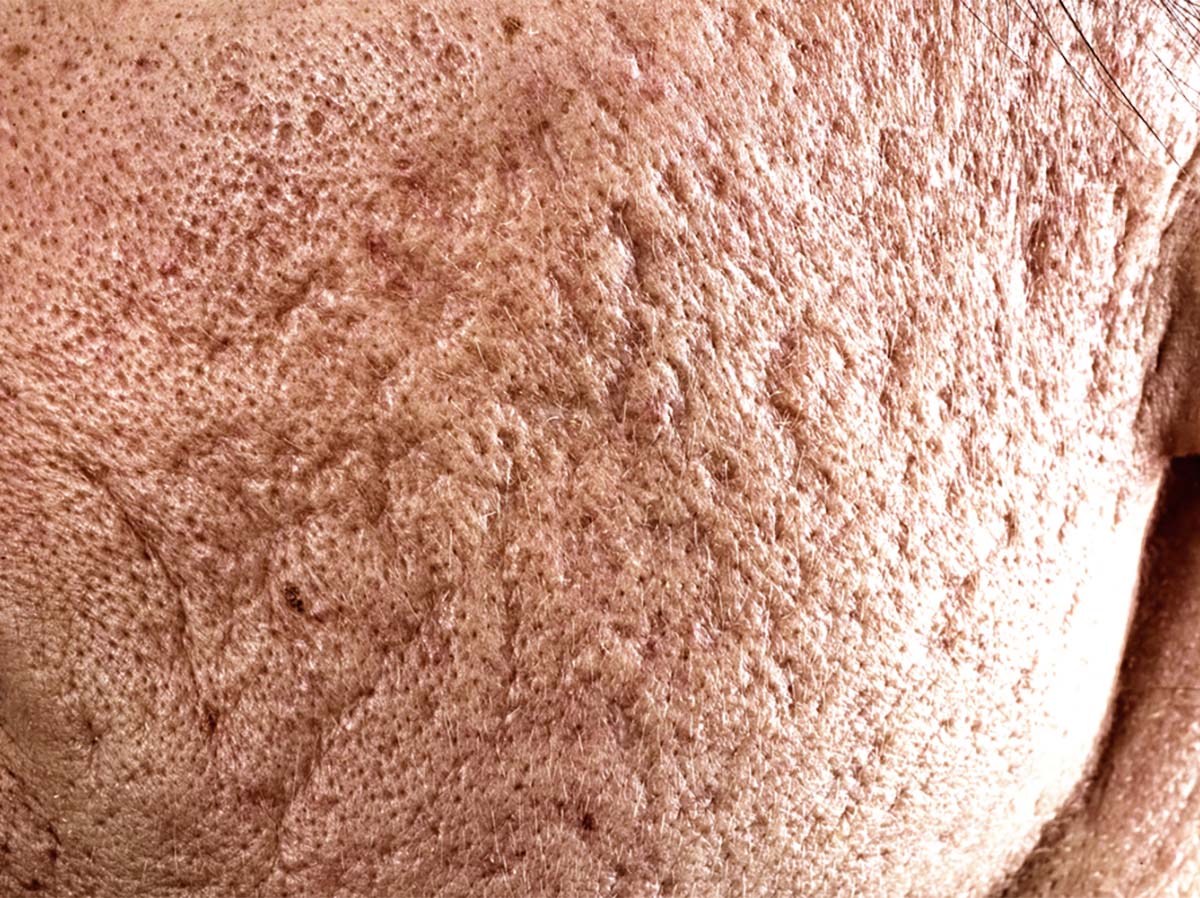
Post-acne scars and surface irregularities following inflammatory acne.
In clinical practice, these procedures may be particularly relevant in patients presenting with:
predominantly comedonal acne
mild acne with limited inflammatory activity
persistent adult acne with surface irregularity
visible post-acne marks and dyschromia
uneven skin texture following repeated acne episodes
Patients with retention lesions and altered epidermal turnover may be particularly suitable for carefully selected skin renewal approaches, especially when the objective is to improve surface regularity and support physiologic cutaneous renewal.
In adult patients, the clinical relevance often lies in the coexistence of multiple concerns, including persistent acne activity, textural irregularity, dull complexion, and residual pigmentation following inflammatory lesions.
By contrast, highly inflammatory, extensive, or deeply active acne presentations require greater caution. In such situations, priority should be given to appropriate medical evaluation and control of inflammatory activity before considering supportive dermatologic renewal strategies.
The most appropriate candidates are therefore not defined by the term acne alone, but by lesion morphology, biological skin behavior, and the specific clinical objective pursued in each individual case.
CLINICAL EVALUATION
Many patients are uncertain whether their clinical presentation may benefit from a personalized skin renewal strategy. Individual evaluation allows a structured assessment of lesion morphology, inflammatory activity, skin behavior, and visible post-acne changes.
When clinically relevant, photographic submission may allow a preliminary evaluation and the proposal of a personalized protocol integrating appropriate dermatologic strategies and selected products.
Dermatologic skin renewal procedures should never be regarded as a universal solution for all acne presentations. Their clinical value depends on proper indication, careful patient selection, and close respect for the biological condition of the skin at the time of treatment.
Greater caution is required in patients presenting with:
marked inflammatory activity
deep nodular or painful lesions
major barrier fragility or cutaneous irritation
active excoriation or repeated manipulation of lesions
high post-inflammatory pigmentary reactivity
In such situations, the primary objective is not procedural renewal, but stabilization of the cutaneous condition and reduction of inflammatory burden through appropriate medical evaluation and management.
Clinical judgment is also essential because acne may coexist with erythema, dyschromia, seborrheic imbalance, or a highly reactive epidermal barrier. These associated factors may significantly influence tolerance, sequencing, and the overall benefit-risk balance of any procedural strategy.
Any skin renewal approach must therefore remain measured, individualized, and consistent with the actual morphology of lesions. The decision to proceed should never be based on the label of acne alone, but on a precise clinical reading of lesion type, skin behavior, and therapeutic priority.
This cautious approach is particularly important in aesthetic dermatology, where the objective is not only to improve visible appearance, but also to preserve cutaneous integrity and avoid unnecessary aggravation of an already reactive skin environment.
CLINICAL NAVIGATION HUB
Acne-related concerns often extend beyond active lesions alone. Depending on clinical presentation, the most relevant discussion may involve scar patterns, residual pigmentation, age-related acne persistence, or structured treatment protocols.
The clinical impact of acne often extends beyond active lesions themselves. Even after inflammatory activity has decreased, many patients continue to present with visible residual changes that affect overall skin appearance and may persist for prolonged periods.
Deep acne scars illustrating structural skin changes after severe acne.
structural changes that may evolve toward acne scars
The likelihood of such sequelae generally increases when lesions are recurrent, prolonged, intensely inflammatory, or repeatedly manipulated. Individual healing behavior also plays a major role, particularly in patients with marked pigmentary reactivity or delayed resolution of inflammatory marks.
In some patients, the most troubling concern is no longer the active acne itself, but the residual traces it leaves behind. Persistent discoloration, irregular texture, and progressive structural changes may continue to affect facial harmony even when the inflammatory phase has become less prominent.
This is why acne should be approached not only as an active inflammatory condition, but also as a process capable of generating visible secondary consequences over time. Early recognition of this broader clinical trajectory helps define more coherent long-term management goals.
Further information on acne-related structural changes is available on the dedicated Acne Scars page, while pigment-related after-effects may be explored through the corresponding hyperpigmentation-related clinical content.
INTEGRATION IN DERMATOLOGIC CARE
Acne management often requires a multifactorial approach combining medical treatment, appropriate skin care, and, when relevant, selected dermatologic procedures.
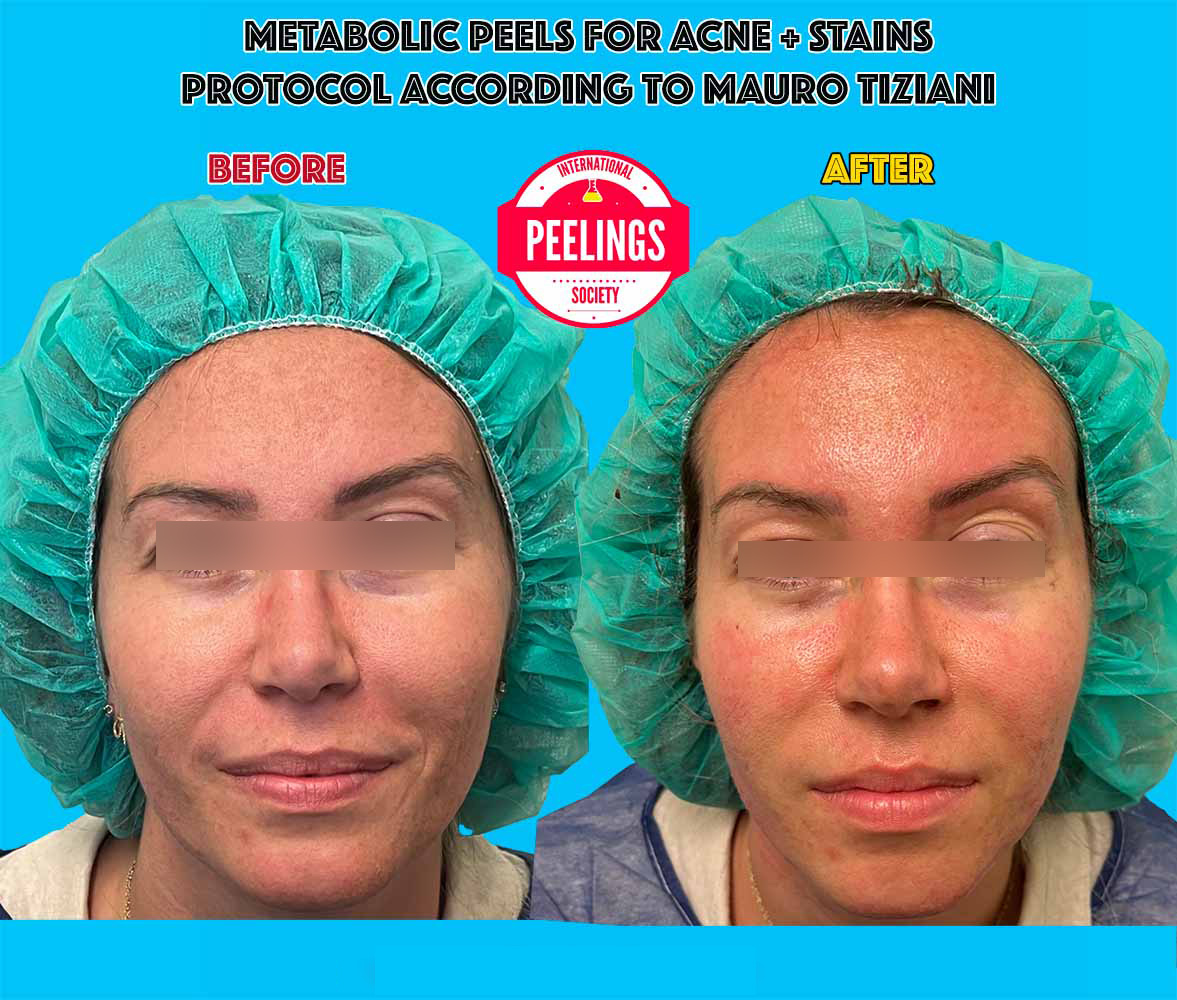
Example of dermatologic preparation before controlled skin renewal procedures.
In selected protocols, appropriate dermatologic preparation may help optimize skin response and improve tolerance to controlled epidermal renewal procedures.
Available as part of structured acne-oriented protocols.
Skin renewal procedures should therefore not be considered isolated interventions but rather supportive components within a broader therapeutic strategy aimed at restoring cutaneous balance and improving the overall appearance of acne-affected skin.
Treatment decisions depend on multiple clinical parameters including lesion type, inflammatory intensity, skin sensitivity, and the presence of residual marks or structural irregularities.
When integrated thoughtfully and under professional supervision, dermatologic renewal procedures may contribute to progressive improvement of surface regularity and skin quality while remaining compatible with ongoing acne management.
Acne should not be approached as a uniform condition, but as a dynamic and multifactorial process involving varying degrees of inflammation, follicular alteration, and residual cutaneous changes. Its clinical expression may evolve over time, requiring continuous reassessment and adaptation of therapeutic strategies.
Dermatologic skin renewal procedures may represent a valuable adjunct in selected cases, particularly when the objective is to improve surface regularity, support physiological epidermal turnover, and address visible post-acne alterations. Their integration, however, must always remain consistent with the biological condition of the skin and the overall therapeutic context.
Effective acne-oriented care therefore relies on a structured approach combining clinical evaluation, appropriate treatment selection, and careful sequencing of interventions. The goal is not only to reduce active lesions, but also to limit the development of persistent marks, textural irregularities, and structural sequelae.
A comprehensive understanding of acne-related mechanisms and their visible consequences allows a more coherent long-term strategy, aimed at preserving cutaneous balance while progressively improving overall skin appearance.
In this perspective, individualized protocols and appropriate preparation phases play a central role in optimizing both tolerance and clinical outcomes within acne-oriented dermatologic care.
Inappropriately selected procedures or poorly timed interventions may aggravate irritation or inflammation. This is why indication, skin condition, and procedural sequencing remain essential before considering any acne-oriented skin renewal strategy.
Carefully selected procedures may be more relevant in cases dominated by comedonal lesions, mild inflammatory activity, persistent adult acne with surface irregularity, or visible post-acne marks. Highly inflammatory or deeply active forms require greater caution and appropriate medical assessment first.
No. Post-acne marks often refer to residual erythema or pigmentary changes, whereas acne scars reflect structural skin alterations. Distinguishing between these conditions is clinically important because they do not necessarily require the same therapeutic approach.
Yes. Appropriate preparation may help support skin tolerance, improve procedural coherence, and optimize the overall integration of controlled renewal strategies within an acne-oriented clinical plan.
The choice of protocol depends on lesion morphology, inflammatory activity, skin sensitivity, phototype, visible sequelae, and overall treatment objectives. This is why individualized evaluation remains central to coherent acne-oriented care.
PROFESSIONAL TRAINING
Dermatologic skin renewal procedures used in acne-related indications require a precise understanding of skin physiology, lesion morphology, and procedural sequencing.
Physicians interested in integrating these approaches into their clinical practice may benefit from structured educational programs combining theoretical foundations and supervised clinical application.
These programs are designed to support coherent decision-making, improve procedural consistency, and align clinical practice with biologically adapted treatment strategies.
Access theoretical modules and hands-on clinical workshops
Acne is a multifactorial disorder involving follicular obstruction, sebaceous activity, microbial proliferation, and inflammatory responses within the pilosebaceous unit.
Clinical presentation varies from comedonal lesions to inflammatory papules, pustules, and deeper nodular involvement.
Beyond active lesions, acne frequently generates visible after-effects including erythema, dyschromia, and progressive textural irregularities.
Dermatologic skin renewal procedures may contribute to improved epidermal turnover and surface regularity in selected clinical situations.
Proper indication depends on lesion morphology, inflammatory activity, skin reactivity, and overall treatment objectives.
Highly inflammatory or unstable acne requires primary medical evaluation before considering supportive procedural strategies.
Comprehensive acne management integrates medical treatment, skin care, and, when appropriate, carefully selected dermatologic procedures.
RELATED CLINICAL TOPICS
Explore related conditions and complementary treatment perspectives within the broader clinical spectrum of acne-oriented dermatologic care.
Acne Scars
Structural skin changes after inflammatory acne may require distinct evaluation and a different therapeutic strategy than active lesions.
Acne is a multifactorial inflammatory disorder of the pilosebaceous unit, involving follicular obstruction, sebaceous activity, microbial proliferation, and inflammatory responses. Its clinical expression ranges from non-inflammatory comedonal lesions to inflammatory papules, pustules, and deeper nodular involvement.
Beyond active lesions, acne frequently leads to persistent visible after-effects, including erythema, post-inflammatory hyperpigmentation, and progressive textural irregularities. In some patients, these residual manifestations may represent the primary aesthetic concern even after inflammatory activity has decreased.
Effective acne-oriented care therefore relies on individualized clinical evaluation integrating lesion morphology, inflammatory intensity, skin reactivity, and patient-specific factors. Management strategies may combine medical treatment, adapted skin care, and selected dermatologic procedures aimed at supporting epidermal renewal and improving surface regularity.
A coherent long-term approach considers both the active and residual dimensions of acne, with the objective of restoring cutaneous balance while preserving skin integrity and minimizing secondary alterations over time.
For protocol-based approaches, refer to the dedicated clinical acne treatment protocol.