
Clinical Understanding of Skin of Color
Skin of color is not a contraindication to chemical peeling. It is a specific biological context in which melanin activity, inflammatory sensitivity, and barrier response require greater precision in protocol design.
In everyday practice, the expression “skin of color” generally refers to patients with melanin-rich skin and higher Fitzpatrick phototypes, although clinical reality is always more nuanced than any simplified classification. What matters therapeutically is not label alone, but pigment behavior, inflammatory response, and healing pattern.
When chemical peels are selected without respect for this biological context, the major concern is not only insufficient efficacy, but also dyschromia, prolonged inflammation, rebound hyperpigmentation, or loss of patient confidence. This is why a structured, staged, and indication-based approach is essential.
- Greater pigment reactivity after inflammation
- Higher risk of post-inflammatory hyperpigmentation
- Need for stricter control of depth and recovery
- Importance of preparation and maintenance phases
Why Standard Peel Logic Often Fails in Skin of Color
Generic peel routines may ignore the two variables that matter most in skin of color: pigment instability and inflammatory consequence.
✦
Overaggressive Sessions
Excessive intensity may create more inflammation than benefit, especially when the skin has not been properly prepared or when pigment instability is already present.
Intensity without modulation increases risk.
◉
One Protocol for All
Protocols that ignore phototype, prior inflammation, recent sun exposure, and pigment history are clinically insufficient in skin of color.
Precision matters more than routine.
⚗
Pigment Neglect
Treating texture or acne alone without accounting for melanin response may provoke secondary pigment problems that become more difficult than the original indication.
In skin of color, inflammation and pigment are inseparable.
Biological Response and Pigment Dynamics
The challenge in skin of color is not simply penetration. It is the relationship between controlled stimulation, inflammation, and melanocytic response.
Melanin-rich skin can tolerate many professional procedures when those procedures are rationally selected. The clinical problem arises when injury exceeds control. Any unnecessary inflammation can activate melanogenesis, prolong erythema-equivalent responses, and convert a cosmetic indication into a dyschromic complication.
For this reason, peel strategy in skin of color should aim for measured biological effect, not theatrical endpoint. Preparation, acid selection, layer control, interval planning, and aftercare all matter as much as the active session itself.
- Melanocyte stimulation may follow visible or subclinical inflammation
- Barrier respect improves tolerance and recovery predictability
- Progressive strategies are often safer than abrupt escalation
- Pigment control must be integrated before, during, and after treatment
Inflammation Control
The success of a peel is closely linked to how well inflammation is anticipated and minimized.
Pigment Stability
Good outcomes depend on preserving tone harmony while improving the original indication.
Controlled Progression
Repeated measured sessions are often more intelligent than one excessive intervention.
In skin of color, elegant treatment planning means improving the indication without destabilizing pigment balance.
pKa-Oriented Logic in Skin of Color
In skin of color, acid choice should not be reduced to concentration. Biological behavior, dissociation profile, tolerability, and indication logic are decisive.
The classification proposed by Alain Tenenbaum becomes particularly relevant in pigment-sensitive skin, because it helps interpret the expected biological effect of an acid beyond simplified “stronger versus weaker” assumptions.
pKa < 3
More reactive acids may have value in selected indications, but require tighter control and greater caution in pigment-sensitive patients.
- Higher reactivity
- Narrower margin for error
- Strict indication-based use
- Greater post-inflammatory caution
Examples
TCA, pyruvic acid, salicylic acid
pKa ≈ 3–4
Often useful for controlled keratoregulation, progressive correction, and repeated-session logic in properly selected patients.
- Balanced reactivity
- Better modulation potential
- Suitable for staged protocols
- Useful in maintenance logic
Examples
Glycolic, lactic, mandelic, tartaric acids
pKa > 4
Slower and more modulated behavior may support pigment-conscious protocols and long-term strategy design.
- Lower aggressiveness profile
- Useful for regulation logic
- Potential value in maintenance
- Interesting for sensitive contexts
Examples
Azelaic acid and selected buffered systems
Monoprotic
Single dissociation behavior.
Glycolic, lactic
Diprotic
Dual dissociation pattern.
Malic, tartaric, azelaic
Triprotic
Multiple dissociation stages.
Citric acid
In skin of color, intelligent acid selection reduces unnecessary inflammatory burden and improves the predictability of pigment-safe outcomes.
Conceptual Classification Framework — Alain Tenenbaum
Common Clinical Indications in Skin of Color
Hyperpigmentation
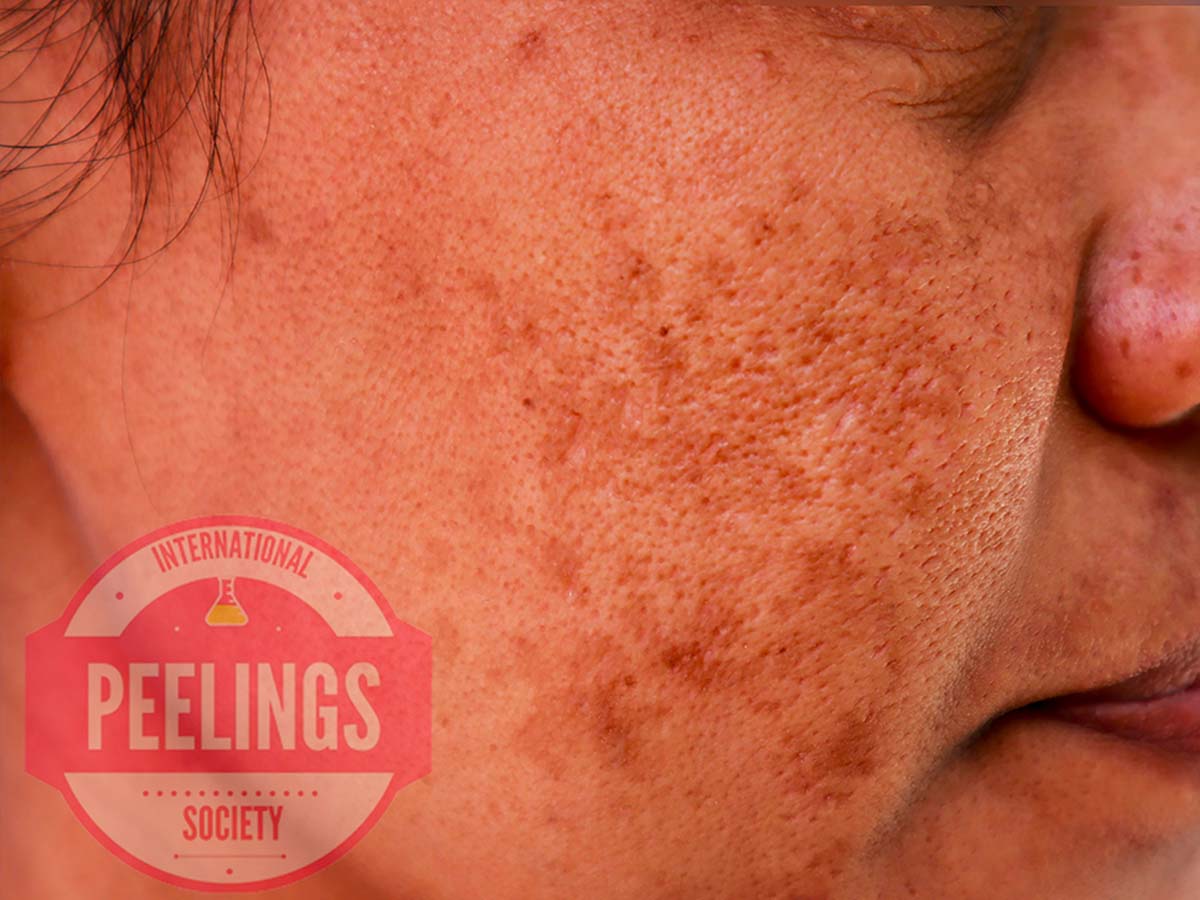
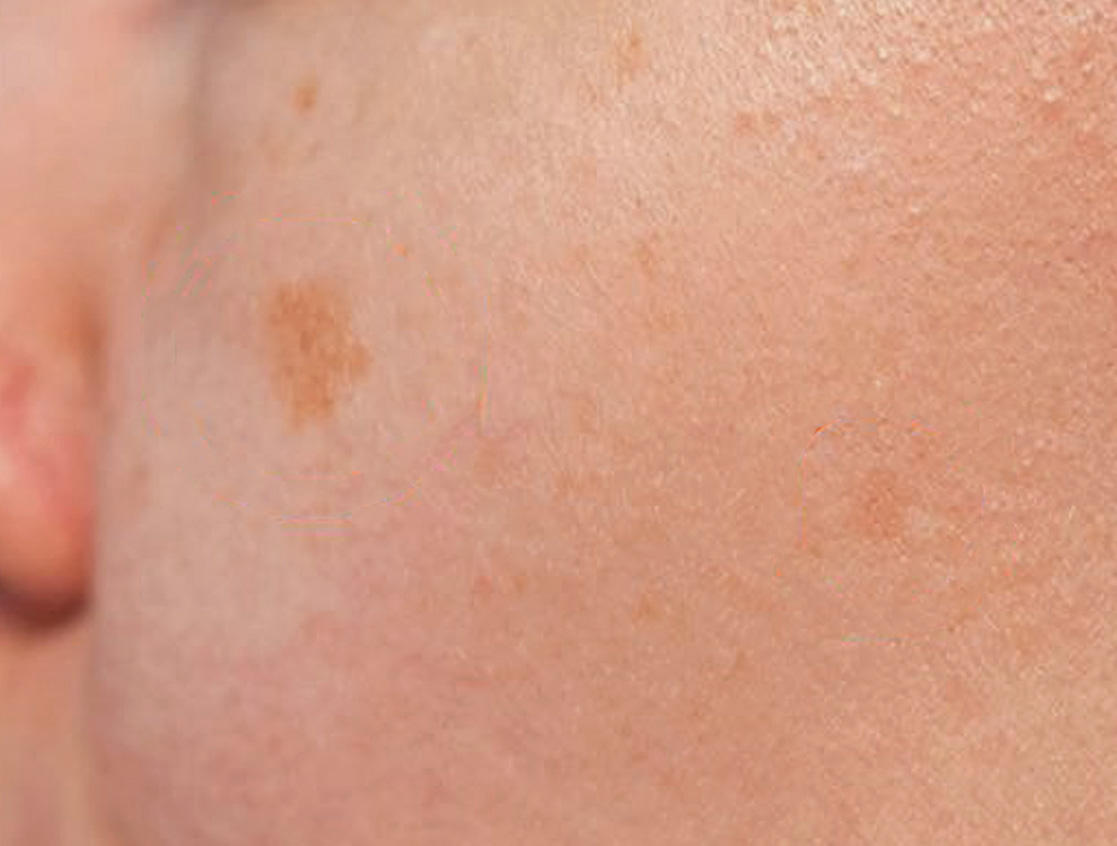
Melasma, post-inflammatory hyperpigmentation, and uneven tone are among the most frequent reasons for consultation in melanin-rich skin.
Acne and Residual Marks
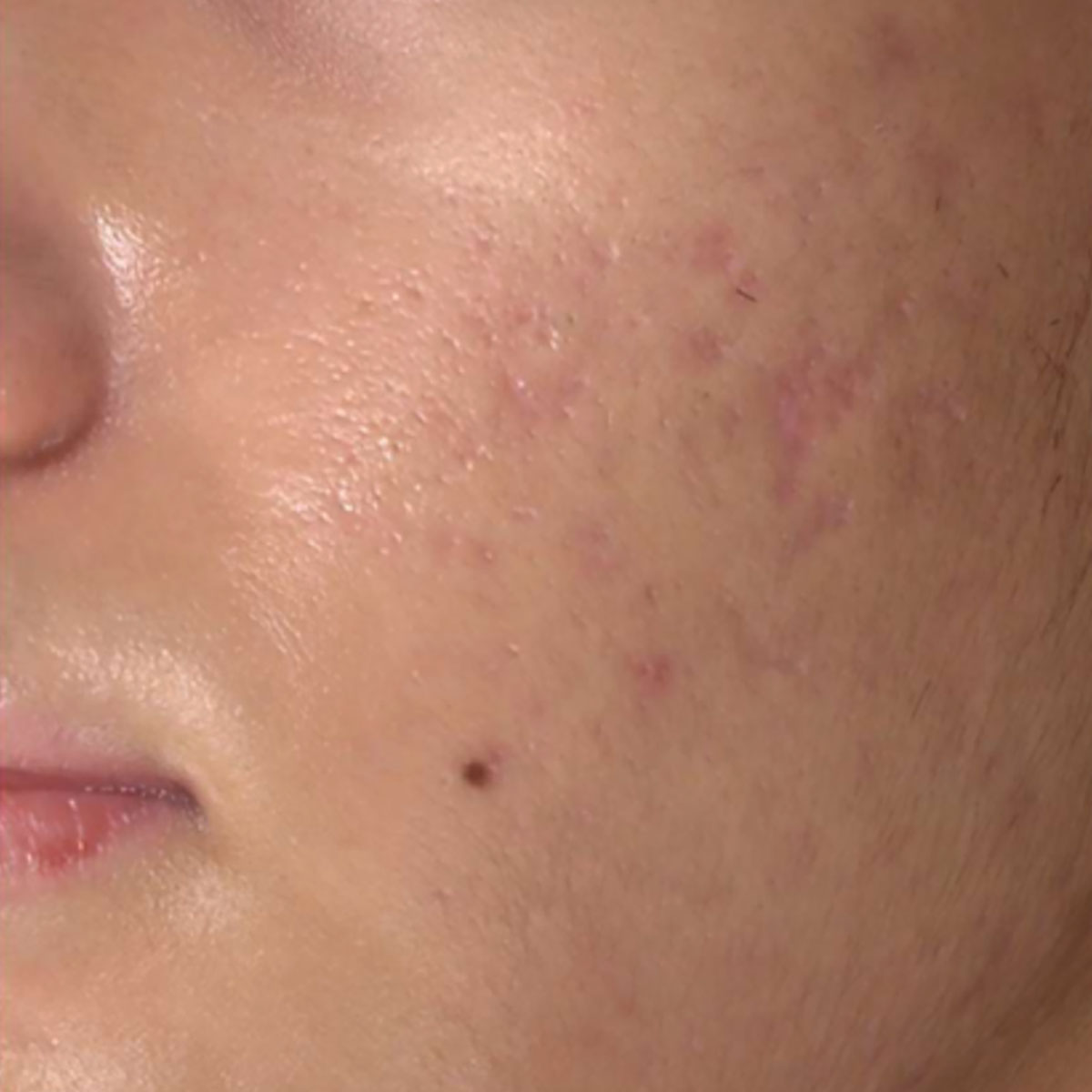
Active acne may coexist with persistent dark marks, making pigment-conscious treatment sequencing particularly important.
Texture and Dyschromia
Roughness, dullness, and irregular color distribution often require gentle but consistent correction rather than abrupt intervention.
Product Integration for Skin of Color
Product integration should support preparation, pigment modulation, tolerance, and progressive improvement without destabilizing the skin.
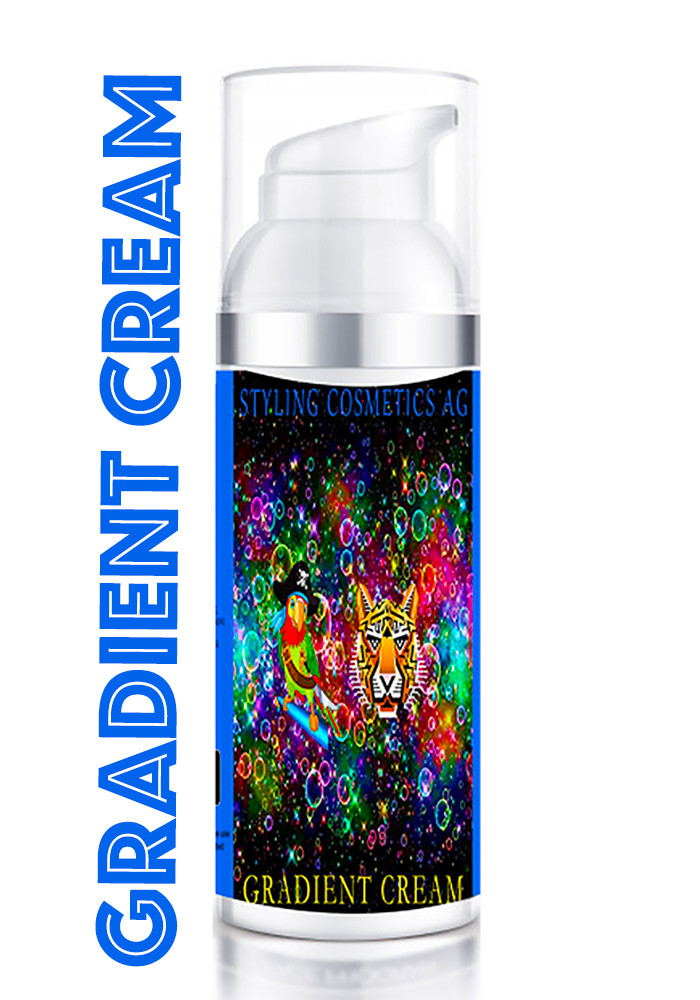
Preparation Phase
Gradient Cream
Particularly relevant when the objective is to prepare the skin, improve tolerance, and introduce a more progressive and controlled treatment sequence.
- Preparation support
- Tolerance building
- Progressive escalation logic
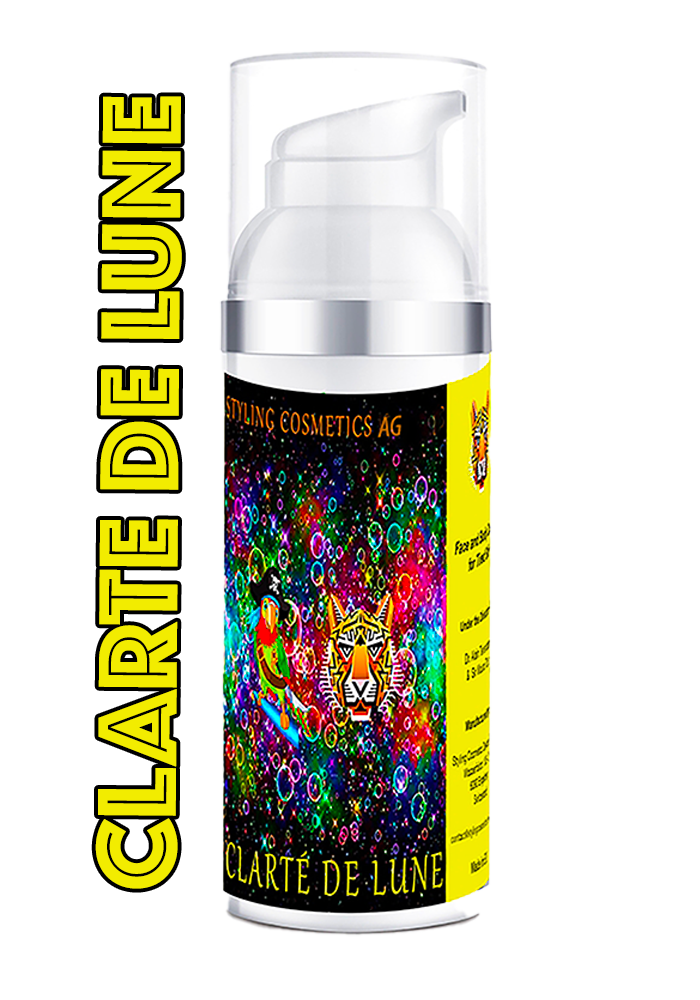
Pigment Support
Clarté de Lune
Useful when the clinical objective includes pigment balance, uneven tone support, and a more harmonious maintenance phase.
- Pigment regulation support
- Maintenance logic
- Adjunctive topical value
Procedural Support
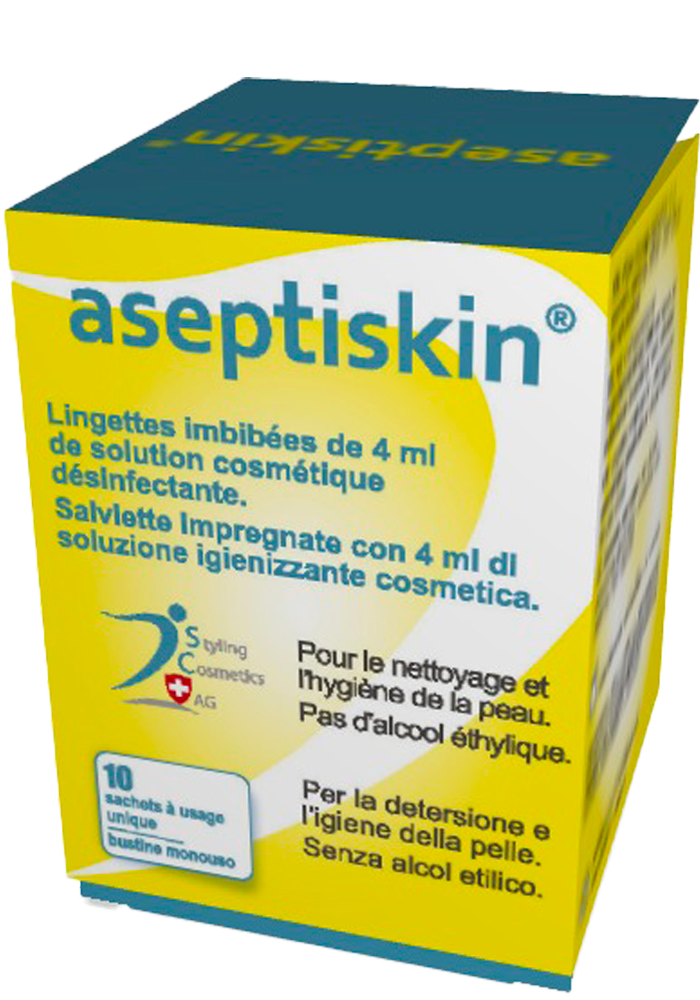
Aseptiskin
Relevant as part of professional preparation logic when clean, controlled, and non-disruptive skin preparation is required before active sessions.
- Pre-procedure preparation
- Clean skin surface management
- Compatible support logic
Strategic Treatment Planning
In skin of color, excellent results depend less on aggressiveness and more on sequence, control, preparation, and intelligent follow-up.
The safest and most elegant approach usually begins with evaluation of pigment history, prior irritation, previous procedures, current sun exposure, and treatment objective. This is followed by preparation, controlled intervention, and maintenance.
- Assess phototype, pigment instability, and healing pattern
- Reduce avoidable inflammatory load
- Select acids and timing according to indication
- Prefer staged correction over abrupt intervention
Main Therapeutic Objectives
- Preserve pigment harmony
- Improve the primary indication safely
- Minimize rebound hyperpigmentation risk
- Build long-term clinical stability
Outcomes depend on indication, phototype, prior inflammation, sun habits, compliance, and professional supervision.
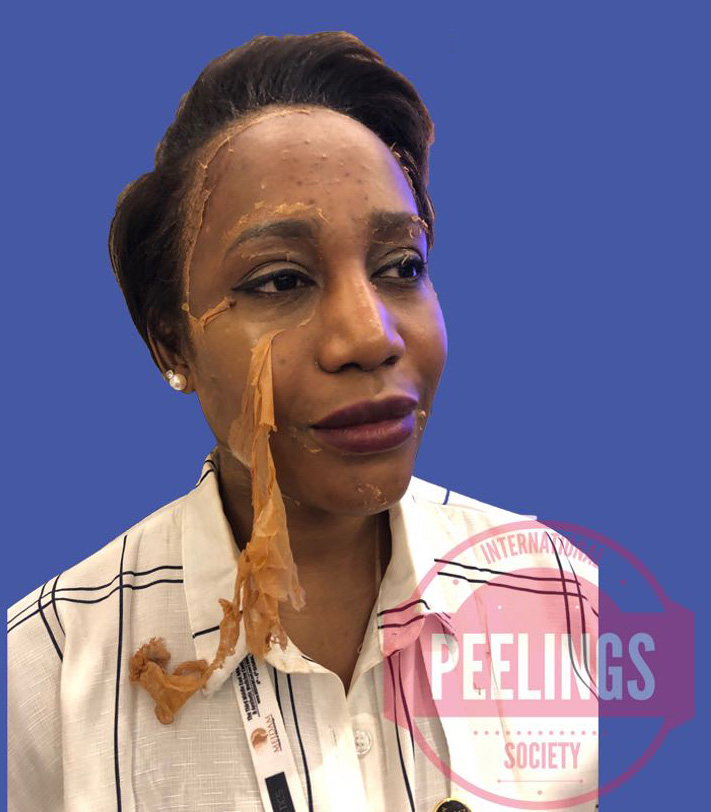
Before / After Clinical Outcome
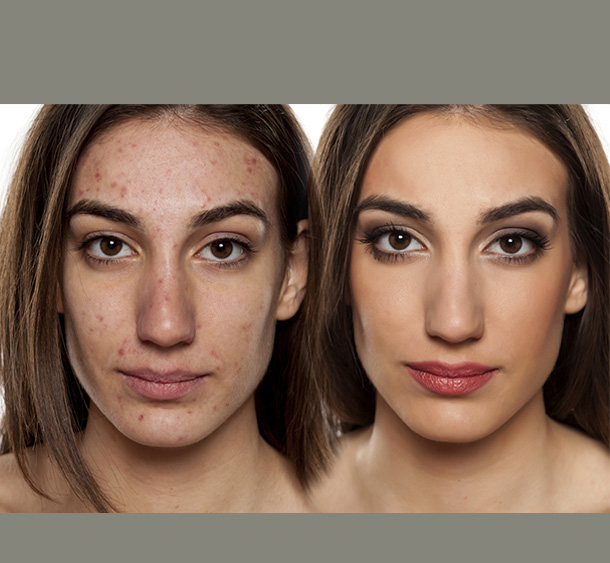
Documented improvement in tone uniformity and reduction of pigment irregularities following a controlled chemical peel strategy adapted to skin of color.
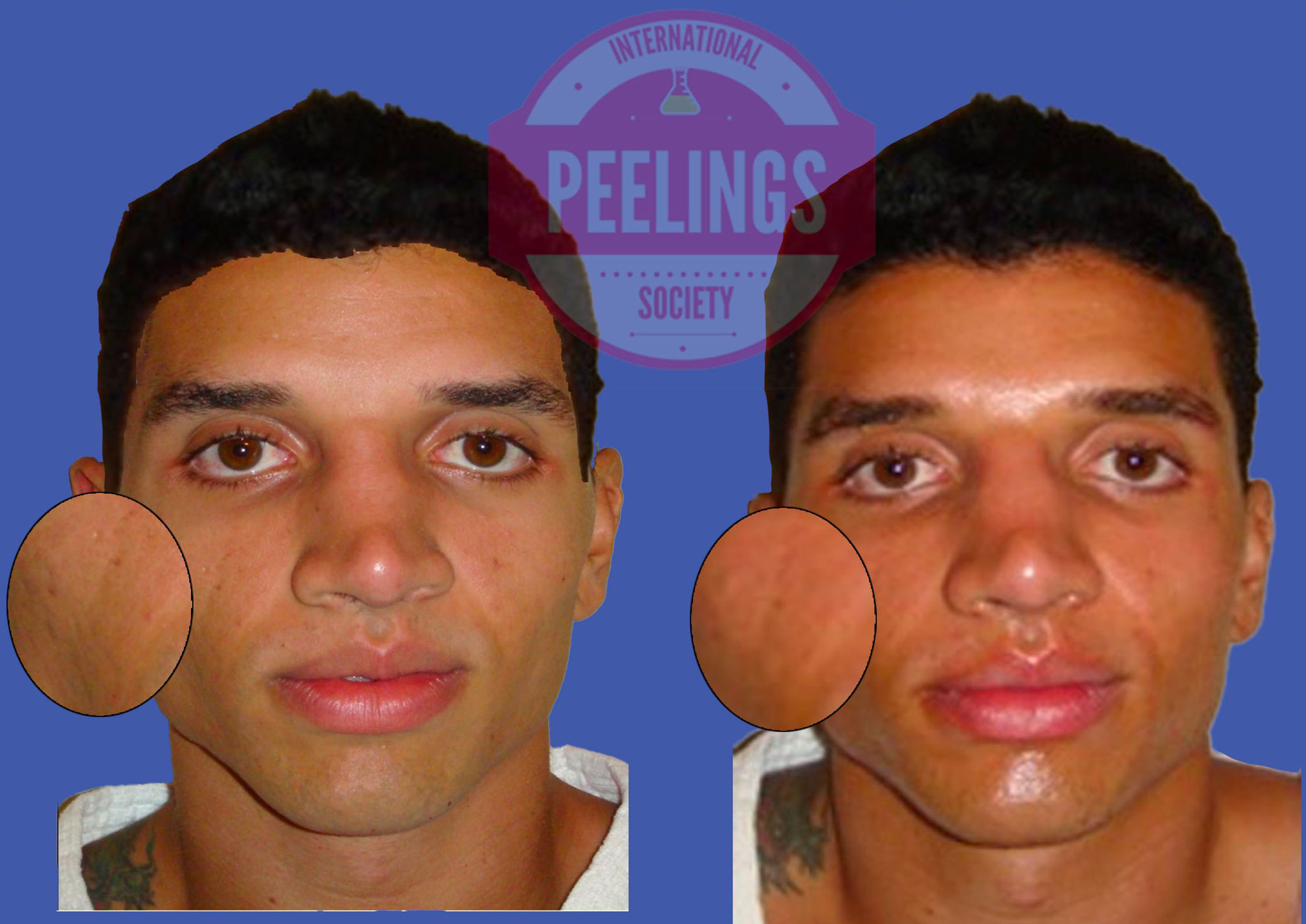
In skin of color, clinical photography should always be standardized for lighting, angle, and timing, as small visual variations may significantly affect pigment perception.
FAQ
-
Can chemical peels be performed safely in skin of color?
Yes. Skin of color can often be treated successfully with chemical peels, provided that the indication, preparation, acid choice, depth control, and aftercare are carefully managed.
-
Why is post-inflammatory hyperpigmentation such an important concern?
Because inflammation can stimulate melanogenesis. If a peel is too aggressive or poorly timed, the patient may develop darker marks after treatment instead of the intended improvement.
-
Is stronger always better in skin of color?
No. In skin of color, stronger is not necessarily more intelligent. Controlled, staged, and biologically appropriate treatment is often safer and more effective than aggressive single-session logic.
-
Which indications are especially common?
Common indications include melasma, post-inflammatory hyperpigmentation, acne-related marks, dyschromia, dullness, and selected textural concerns.
-
Why is preparation so important before an active peel?
Preparation helps improve tolerance, reduce unnecessary inflammatory reactivity, and support a more stable pigment response during the active treatment phase.
Related Clinical Topics
Explore related indications that frequently overlap with skin of color and influence protocol selection, pigment control, and maintenance strategy.