
Clinical Topic • Structural Sequelae • pKa Strategy
Structural Restoration of Acne Scars
Acne scars are no longer active inflammatory lesions. They are residual structural defects involving dermal matrix loss, fibrotic retraction, contour irregularity, and altered skin topography. Their management therefore requires progressive remodeling rather than a simple surface-only approach.
Clinical Understanding of Acne Scars
The primary disease may be over, but the tissue architecture remains altered. What persists is not acne itself, but its structural footprint.
Acne scars represent the structural consequences of previously active acne. Management of inflammatory lesions is addressed separately in our
Acne treatment section,
which focuses on controlling ongoing disease before addressing post-acne sequelae.
A rational scar strategy must distinguish between superficial textural alteration and deeper architectural collapse. Acne scars should therefore not be approached as a purely superficial cosmetic issue, but as a morphologic and biologic indication requiring controlled stimulation, progressive remodeling, and indication-based sequencing.
Key structural abnormalities
- Dermal matrix loss and collagen disorganization
- Fibrotic retraction in rolling scars
- Vertical wall defects in boxcar scars
- Deep punctiform narrowing in ice-pick scars
Therapeutic objective
- Texture harmonization
- Topographic softening
- Progressive dermal remodeling
- Reduction of contrast between scar and surrounding skin
Why Conventional Approaches Often Remain Incomplete
Many procedures focus first on visible resurfacing, while the most relevant problem may lie deeper in the scar architecture and tissue response.
Laser
Thermal resurfacing may improve texture, but recovery profile, irritation risk, and depth control can be limiting when structural collapse is heterogeneous.
Microneedling
Mechanical stimulation is useful in selected cases, but remains relatively non-specific and may not sufficiently address mixed scar morphology.
TCA CROSS / Abrasive Methods
These approaches can be relevant in focal indications, but they are not always ideal as a comprehensive strategy for diffuse or polymorphic scarring.
The Metabolic Peel Approach
Metabolic peeling does not rely on blind aggression. It uses controlled chemical behavior, keratoregulatory modulation, and progressive tissue signaling to support structural improvement over time.
In acne scars, the logic is not “stronger acid = better result.” Acid behavior, pKa, proticity, penetration profile, tissue tolerance, phototype, morphology, and sequencing all matter when structural remodeling is the real objective.
pKa Logic
Rational acid selection according to biologic behavior rather than simplistic strength labels.
Controlled Remodeling
Progressive dermal stimulation instead of uncontrolled chemical aggression.
Protocol Adaptation
Sequential planning according to scar type, skin behavior, tolerance, and recovery profile.
Classification of Acne Scars
Deep • Narrow • Focal
Ice-Pick Scars
Deep and narrow punctiform defects. These lesions usually require very targeted and highly controlled therapeutic logic.
Depressed • Defined Borders
Boxcar Scars
Wider depressions with relatively sharp margins, often benefiting from structural remodeling support and textural harmonization.
Undulating • Fibrotic Tethering
Rolling Scars
Wavy contour defects linked to fibrotic anchoring and dermal traction, often requiring progressive release and remodeling logic.
pKa Classification Applied to Acne Scars
Once inflammation has subsided, acne scars become a problem of structure rather than sebum or bacteria. Acid selection should therefore be guided by biologic behavior and remodeling purpose.
In acne scars, low pKa acids are mainly used to initiate controlled remodeling, intermediate pKa acids to regulate progression and improve texture, and higher pKa systems to support stabilization, tolerance, and long-term maintenance. The objective is not destructive excess, but biologically intelligible regeneration.
Low pKa • < 2
Controlled Injury & Dermal Stimulation
Lower pKa acids are associated with stronger biologic activity and may be used to trigger more intensive remodeling in carefully selected structural defects.
- Supports controlled remodeling initiation
- Relevant in deeper atrophic defects
- Requires caution regarding irritation and PIH risk
Intermediate pKa • 2–4
Keratoregulation & Progressive Remodeling
Intermediate pKa acids often provide the bridge between activity and tolerance, allowing progressive textural correction and sequential protocol building.
- Useful for superficial to moderate irregularities
- Supports progressive skin preparation
- Important in sequential and maintenance strategies
Higher pKa • > 4
Biostimulation Without Excess Aggression
Higher pKa systems are better suited to modulation, support, and maintenance when the clinician seeks biologic continuity with lower irritative burden.
- Supports maintenance and tolerance
- Relevant in reactive or higher-risk skin
- Useful for stabilization after corrective phases
1
Prepare
Use intermediate or better-tolerated systems to optimize skin behavior before more corrective phases.
2
Correct
Introduce more active remodeling only where morphology, phototype, and tolerance justify it.
3
Stabilize
Maintain gains through progressive support, controlled biostimulation, and reduction of relapse toward irregular texture.
Scientific Blocks for Clinical Interpretation
Structural Objective
The aim is not to erase history, but to improve tissue continuity, soften defect contrast, and restore more regular surface architecture.
Biologic Principle
Progressive regeneration is preferable to uncontrolled destruction. The best strategy is usually sequential, not brutal.
Clinical Caution
Depth, phototype, inflammation history, and post-inflammatory pigmentation risk must guide every therapeutic decision.
Product Integration for Acne Scar Management
Product choice should follow morphology, depth, skin reactivity, and treatment sequencing rather than a one-product-fits-all logic.
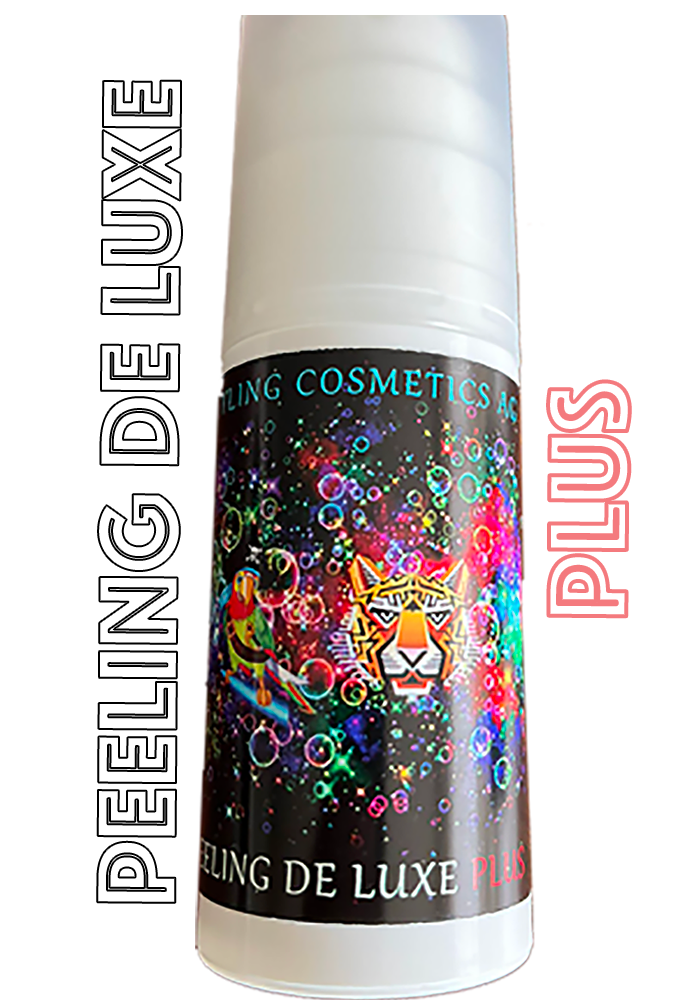
Peeling de Luxe
Useful for progressive textural refinement, controlled surface harmonization, and global support in selected post-acne irregularities.
- Progressive texture improvement
- Global support approach
- Premium protocol integration
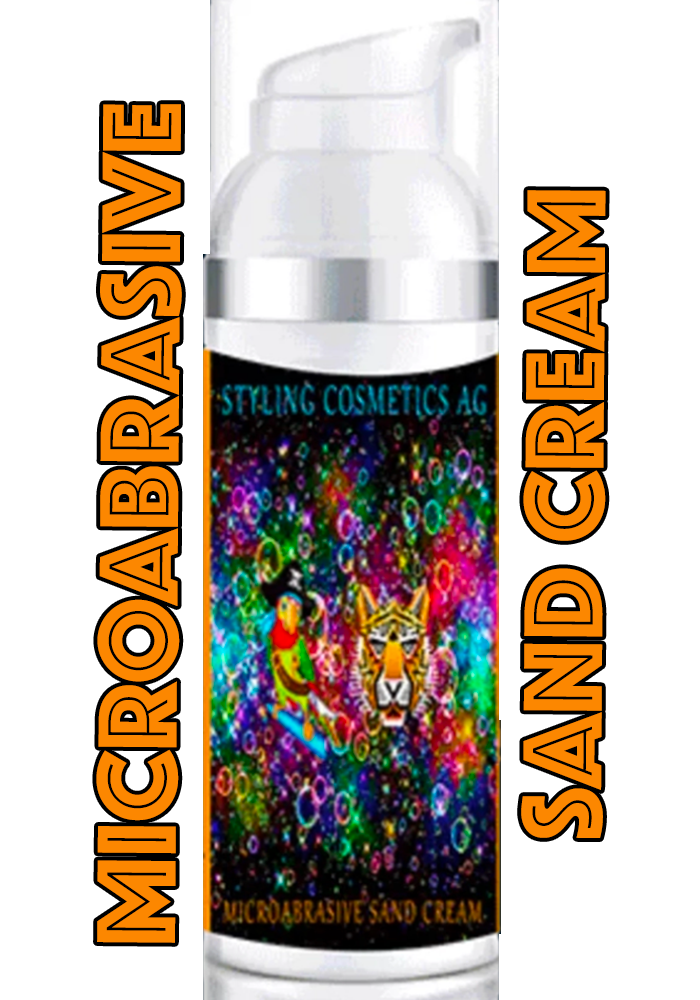
Microabrasive
Particularly relevant when superficial irregularity, roughness, or uneven residual texture requires controlled microabrasive support.
- Surface irregularity support
- Texture refinement logic
- Adjunctive protocol value
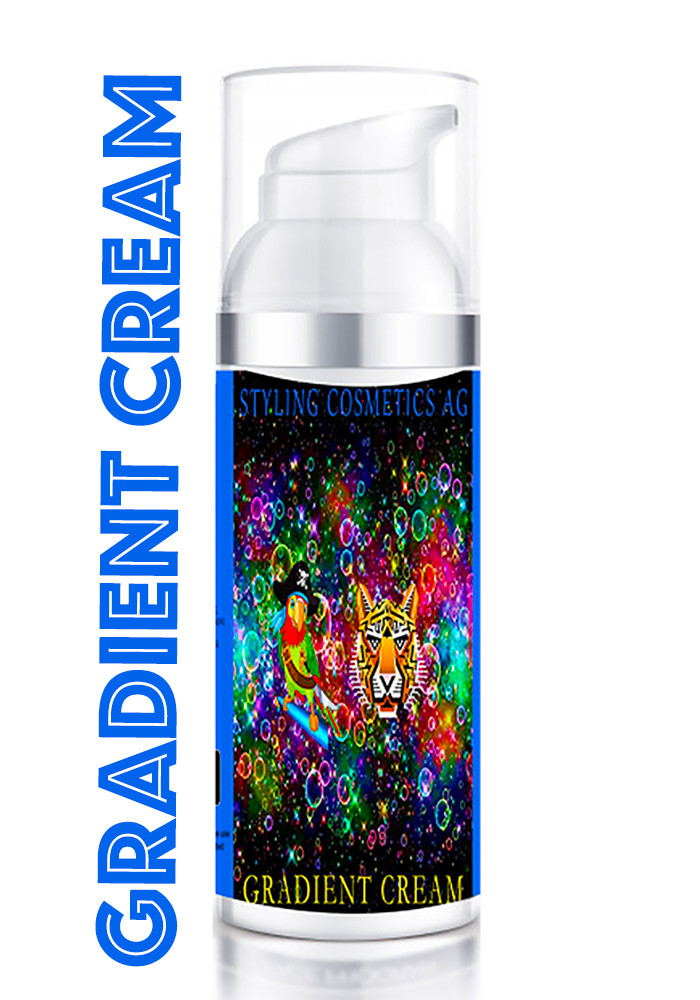
Gradient
Valuable in protocol transition, modulation, and skin preparation logic, especially when tolerance and progressive escalation matter.
- Preparation and sequencing
- Protocol modulation support
- Progressive escalation logic
Strategic Treatment Planning
Acne scars generally improve through a staged strategy rather than a single intervention. The objective is progressive remodeling, better surface continuity, softer relief transitions, and more regular light reflection across the treated area.
- Session planning according to scar type and density
- Adaptation to skin sensitivity and recovery profile
- Combination logic between preparation, corrective phases, and maintenance
- Progressive rather than abrupt structural improvement
Expected Direction of Improvement
- Smoother texture
- Less visible depressions
- More regular skin topography
- Progressive softening of scar contrast
Outcomes are gradual and depend on morphology, chronicity, depth, phototype, tissue behavior, and protocol consistency.
Before / After Strategy
This section should communicate realistic progressive improvement rather than exaggerated promises. The strongest message is texture coherence, scar softening, and structural harmonization.
Before

After

Best practice: use the same lighting, angle, expression, and timing between sessions. This preserves medical credibility and reduces misleading visual interpretation.
Frequently Asked Questions
Can acne scars disappear completely?
Complete disappearance is uncommon, but significant visible improvement may be achieved through a well-designed progressive protocol.
How many sessions are usually required?
The number depends on scar morphology, density, depth, tissue response, and the need for sequential correction rather than single-session overaggression.
Why use metabolic peels for acne scars?
Because they fit a logic of controlled remodeling, biologic modulation, and indication-based sequencing rather than relying only on aggressive surface injury.
Why does pKa matter in acne scar protocols?
pKa helps classify acid behavior and supports a more rational choice between corrective intensity, progressive regulation, and maintenance-oriented support.
Related Clinical Topics
Explore related conditions and complementary treatment approaches within the broader clinical spectrum of aesthetic dermatology.
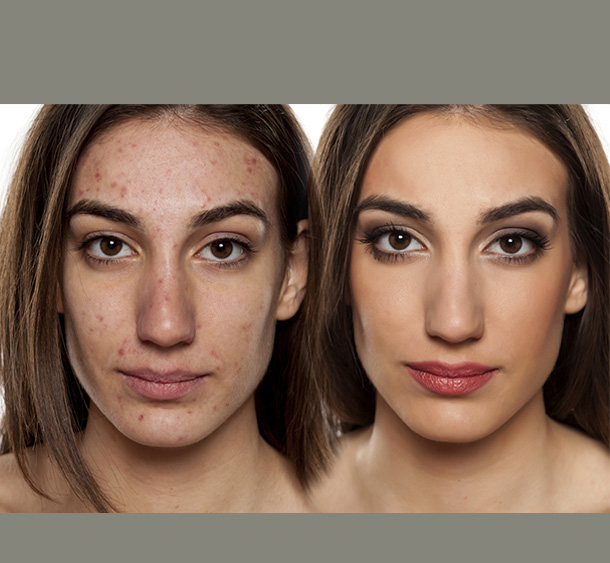
Acne
Control of active inflammatory lesions remains a prerequisite before targeting residual structural sequelae.
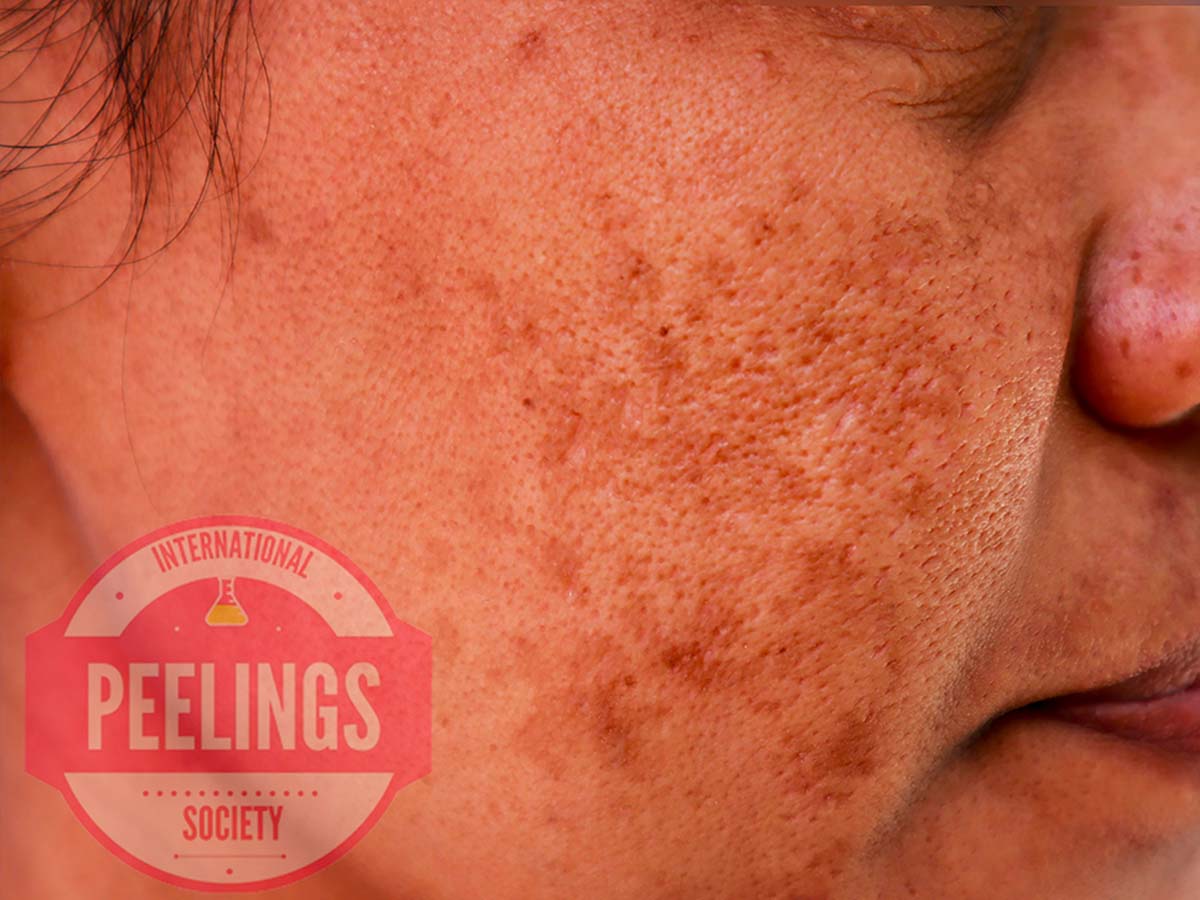
Melasma
Pigmentation disorders may coexist with post-acne changes and require a separate but complementary strategy.

Photoaging
Environmental aging and textural decline may influence scar visibility and treatment response.
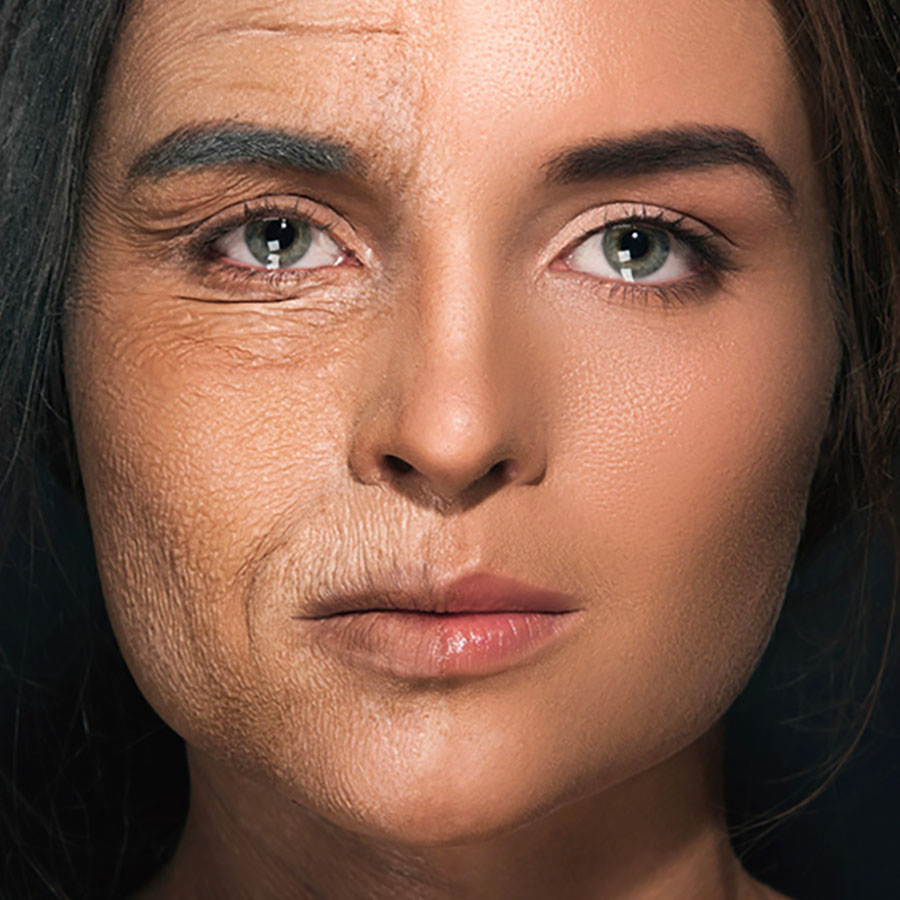
Wrinkles
Dermal remodeling pathways involved in aging overlap with structural improvement logic used in acne scar care.
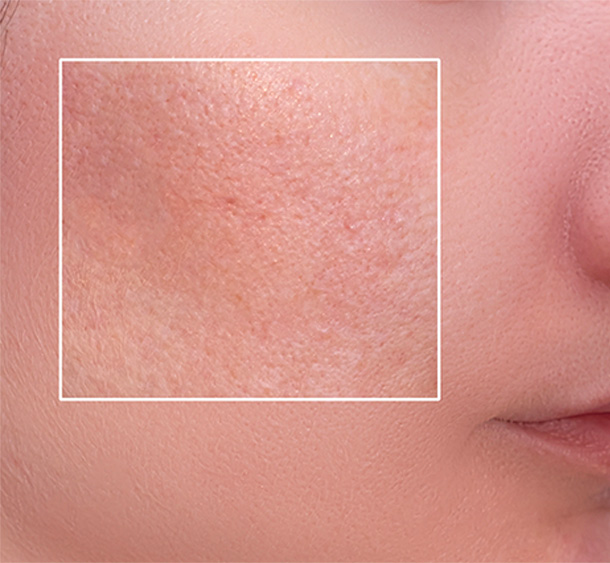
Pores
Enlarged pores and residual surface irregularities often accompany acne-prone skin and contribute to overall texture concerns.

Skin of Color
Higher phototypes require specific caution when treating acne scars, especially regarding post-inflammatory pigmentation risk.
Explore Protocols, Products, and Professional Training
Acne scar management requires structure, sequence, morphology-based interpretation, and a coherent pKa strategy. Explore the medical pathway behind metabolic peel integration.