
Clinical Understanding of Solar Lentigines
Solar lentigines are circumscribed hyperpigmented macules that develop on chronically photoexposed skin. They reflect cumulative ultraviolet injury and are frequently associated with broader signs of photoaging.
Unlike diffuse dyschromia, solar lentigines usually present as sharply demarcated brown macules located on the face, décolleté, shoulders, forearms, and hands. Their presence often indicates chronic actinic exposure rather than isolated transient pigmentation.
In aesthetic practice, solar lentigines are important not only as isolated pigment lesions, but also as visible markers of long-term sun damage. For this reason, treatment planning should address both the lesion itself and the surrounding biological context of photodamaged skin.
- Localized brown to dark-brown macules
- Association with chronic ultraviolet exposure
- Frequent coexistence with roughness and uneven tone
- Often part of a broader photoaging phenotype
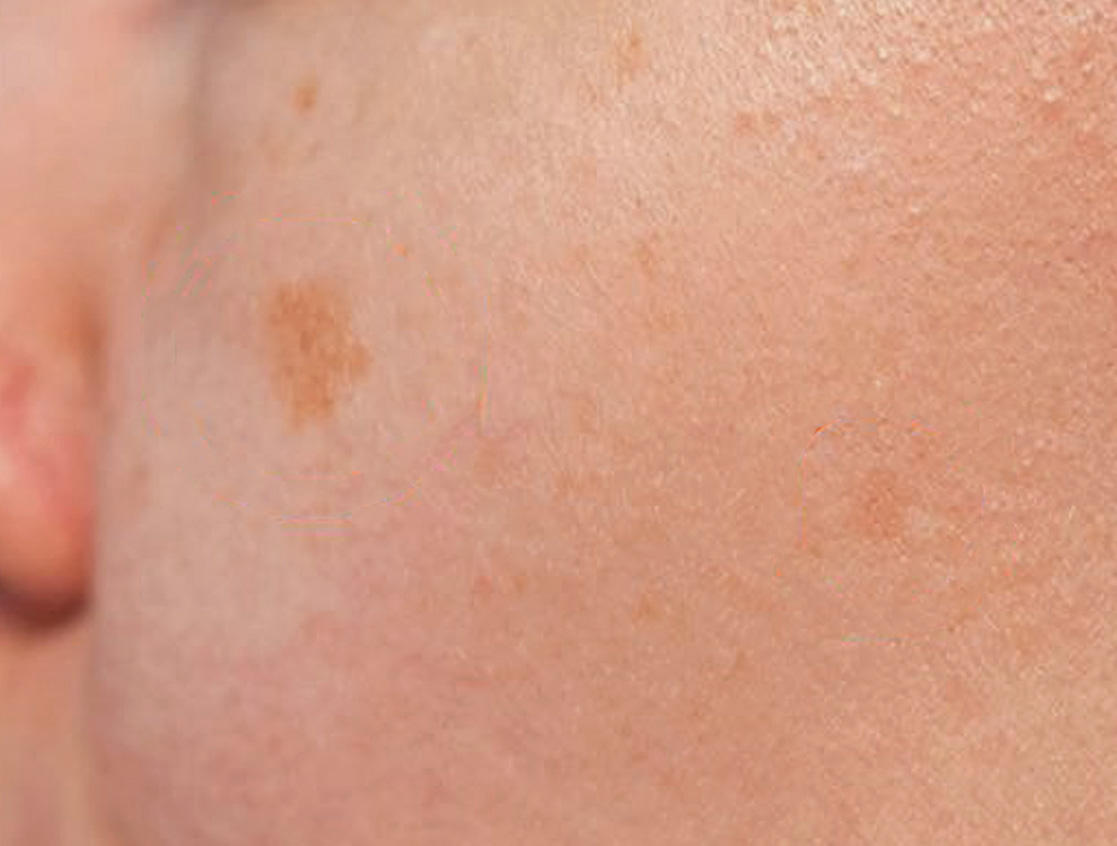
Localized solar lentigines on photoexposed cheek skin, presenting as well-defined hyperpigmented macules associated with cumulative ultraviolet exposure.
Why Solar Lentigines Require More Than Simple Spot Logic
Focusing only on the visible dark spot may overlook the surrounding actinic damage, epidermal instability, and textural decline that often sustain the overall aged appearance of the skin.
✦
Isolated Spot Thinking
Treating only the visible lesion without considering the surrounding photodamaged field may lead to incomplete aesthetic harmonization.
The lesion is focal, but the biological context is often diffuse.
◉
Pigment-Only Logic
Lentigines are pigment lesions, but they often coexist with roughness, epidermal thickening, and other signs of photodamage that influence peel choice.
Pigment correction is stronger when integrated into a broader renewal strategy.
⚗
One-Acid Routine
A simplistic peel choice may fail to account for lesion density, surrounding skin tolerance, phototype, and the need for controlled pigmentation management.
Peel selection should follow lesion biology and field condition, not habit alone.
The Biological Logic Behind Solar Lentigines
Solar lentigines are not random pigment marks. They emerge from cumulative ultraviolet exposure, melanocytic activation, epidermal alteration, and localized photodamage.
Chronic ultraviolet exposure stimulates melanocytic activity and promotes persistent pigment accumulation in photoexposed areas. At the same time, epidermal turnover may become irregular, favoring lesion persistence and the visible contrast between affected and surrounding skin.
The clinical expression of solar lentigines is frequently amplified by concurrent actinic roughness, uneven skin reflectance, and global dyschromia. This is why therapeutic planning should combine targeted pigment intervention with controlled field correction when appropriate.
- Chronic UV-induced melanocytic stimulation
- Localized pigment retention
- Irregular keratinocyte renewal
- Association with broader actinic degeneration
UV Memory
The lesion reflects repeated actinic exposure accumulated over time.
Pigment Concentration
Hyperpigmented macules form through localized pigment excess and retention.
Field Damage
Surrounding skin often shows broader signs of photoaging that influence treatment response.
A more refined strategy therefore addresses both lesion contrast and the quality of the surrounding skin.
pKa-Oriented Classification Logic
In solar lentigines, acid behavior should be interpreted through pKa, proticity, and tissue response rather than through concentration alone.
A rational peel strategy for solar lentigines requires understanding how each acid behaves in relation to pigment modulation, epidermal renewal, tolerance, and control. The goal is not merely to intensify peeling, but to optimize lesion response while preserving surrounding skin quality.
pKa < 3
Higher acidic reactivity with narrower tolerance margins and stronger lesion-directed potential.
- Higher biological aggressiveness
- More precise indication needed
- Useful in selected pigment protocols
- Requires careful control of surrounding skin
Examples
TCA, pyruvic acid, salicylic acid
pKa ≈ 3–4
Balanced behavior allowing controlled pigment regulation and repeated session logic.
- Better modulation potential
- Progressive correction logic
- Useful for broader field improvement
- Greater protocol flexibility
Examples
Glycolic, lactic, mandelic, tartaric acids
pKa > 4
Slower dissociation favoring controlled support, maintenance logic, and gradual modulation.
- Lower aggressiveness
- Higher progressive tolerance
- Supportive pigment management role
- Useful in long-term strategies
Examples
Azelaic acid and selected buffered systems
Monoprotic
Single dissociation profile.
Glycolic, lactic
Diprotic
Dual dissociation behavior.
Malic, tartaric, azelaic
Triprotic
Multiple dissociation steps.
Citric acid
In solar lentigines, the practical objective is controlled pigment correction with maximal respect for surrounding tissue quality and phototype-related tolerance.
Conceptual Classification Framework — Alain Tenenbaum
Main Clinical Expressions of Solar Lentigines
Discrete Macules
The most classic presentation consists of well-defined brown macules on sun-exposed skin, often increasing in number with age and cumulative exposure.
Actinic Field Change
Many patients also present with diffuse dyschromia, roughness, and uneven brightness in the surrounding skin, requiring broader correction logic.
Combined Photoaging
Solar lentigines often coexist with wrinkles, dullness, textural irregularity, and visible signs of cumulative environmental aging.
Product Integration for Solar Lentigines Management
Product selection should reflect lesion density, surrounding skin quality, tolerance, and whether the primary objective is targeted correction, field harmonization, or maintenance support.
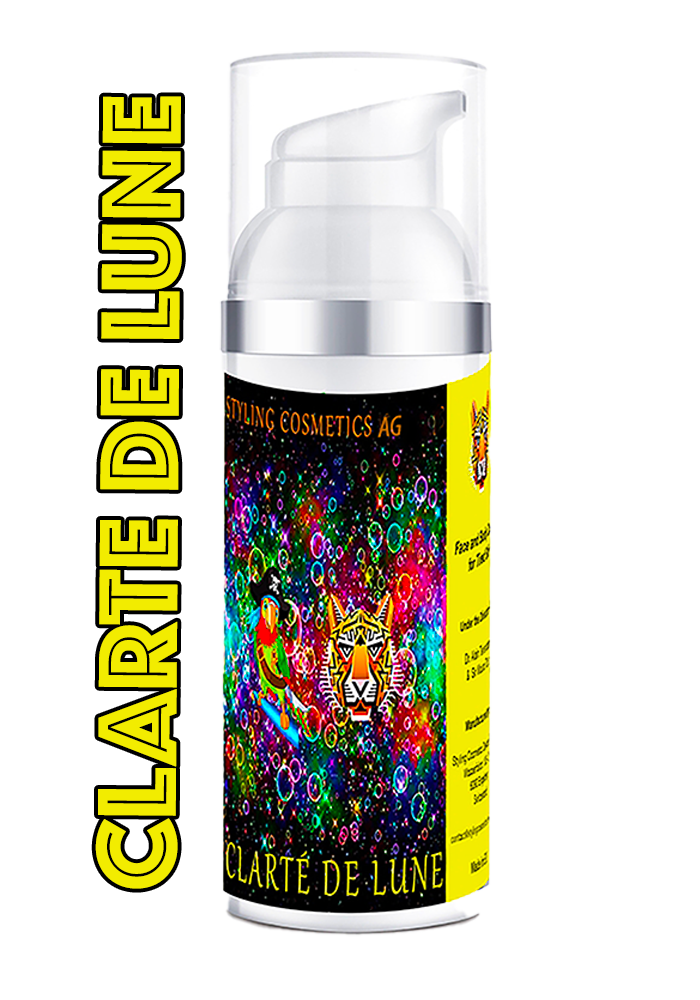
Pigment Support
Clarté de Lune
Particularly relevant when solar lentigines are part of a broader pigment irregularity pattern requiring supportive topical regulation.
- Pigment modulation support
- Adjunctive maintenance role
- Useful in broader dyschromia profiles
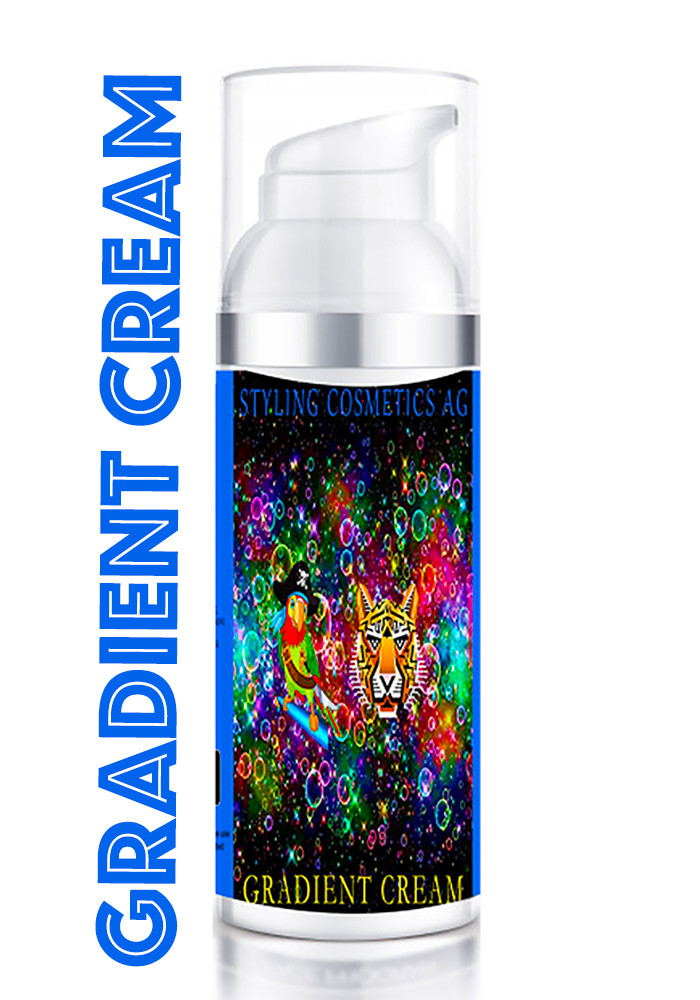
Preparation Phase
Gradient Cream
Useful when the surrounding photoexposed skin is reactive, heterogeneous, or in need of progressive preparation before active corrective sessions.
- Tolerance-building support
- Preparation before active peels
- Protocol modulation logic
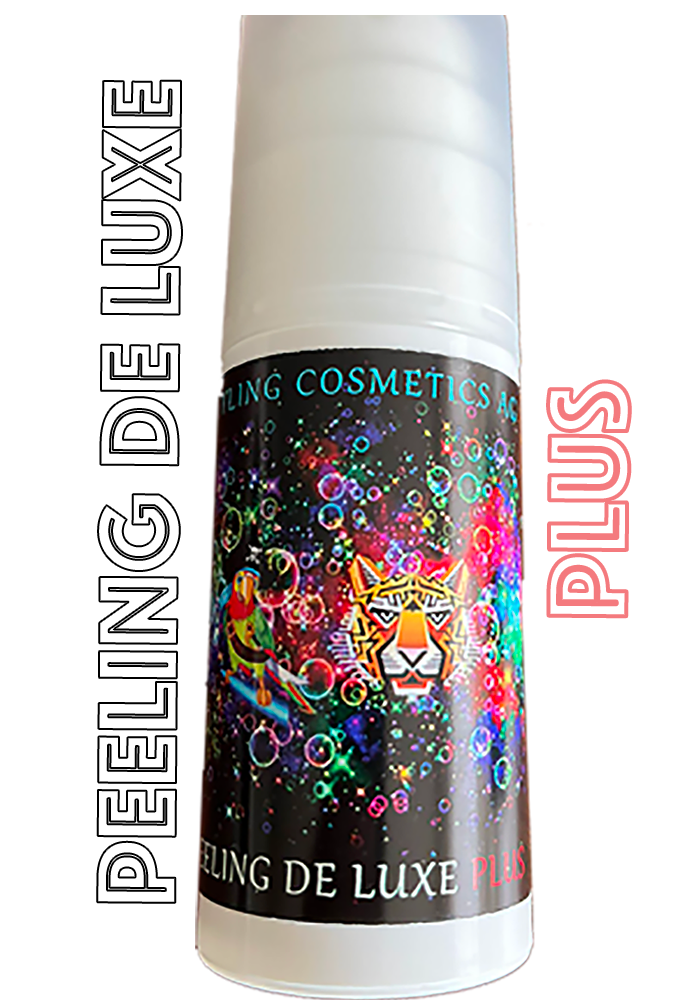
Renewal Support
Peeling de Luxe Plus
Suitable when solar lentigines are associated with roughness, dullness, and a need for global skin quality refinement within a premium protocol strategy.
- Surface refinement
- Brightness support
- Integration into broader photodamage management
Strategic Treatment Planning
Solar lentigines generally respond best to a structured sequence integrating lesion analysis, field assessment, phototype sensitivity, and progressive correction.
Treatment planning should distinguish between isolated lentigines, diffuse actinic pigmentation, and mixed photoaging presentations. The practitioner must evaluate lesion depth, skin sensitivity, sun history, and the degree of background dyschromia before selecting a chemical strategy.
- Assessment of lesion density and contrast
- Evaluation of surrounding skin quality
- Adaptation to phototype and reactivity
- Integration of corrective and maintenance phases
Expected Direction of Improvement
- Visible lesion lightening
- Better tone homogeneity
- Improved skin brightness
- More harmonious photoexposed skin appearance
Results depend on lesion chronicity, phototype, UV habits, associated photoaging, and the consistency of long-term management.
Before / After Strategy
This section should document realistic progressive improvement in lesion contrast, surrounding skin harmony, and visible actinic pigmentation without overstating clearance.
Before
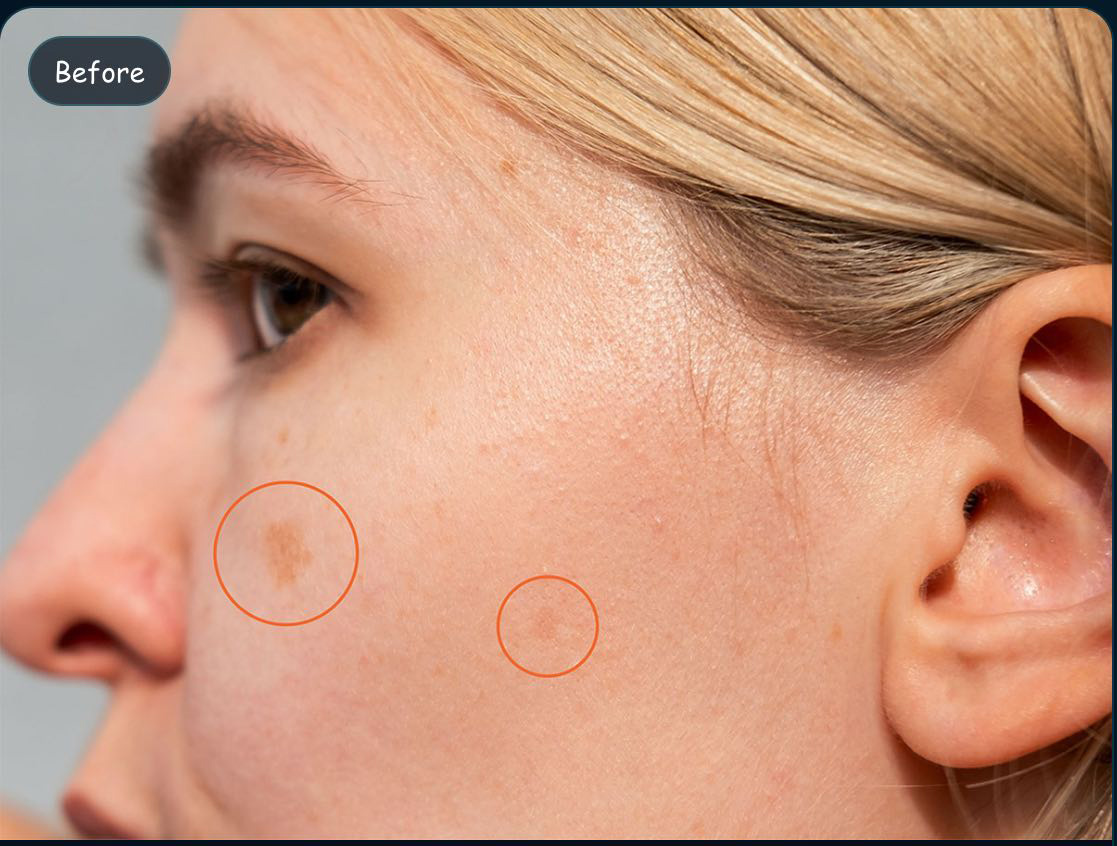
After
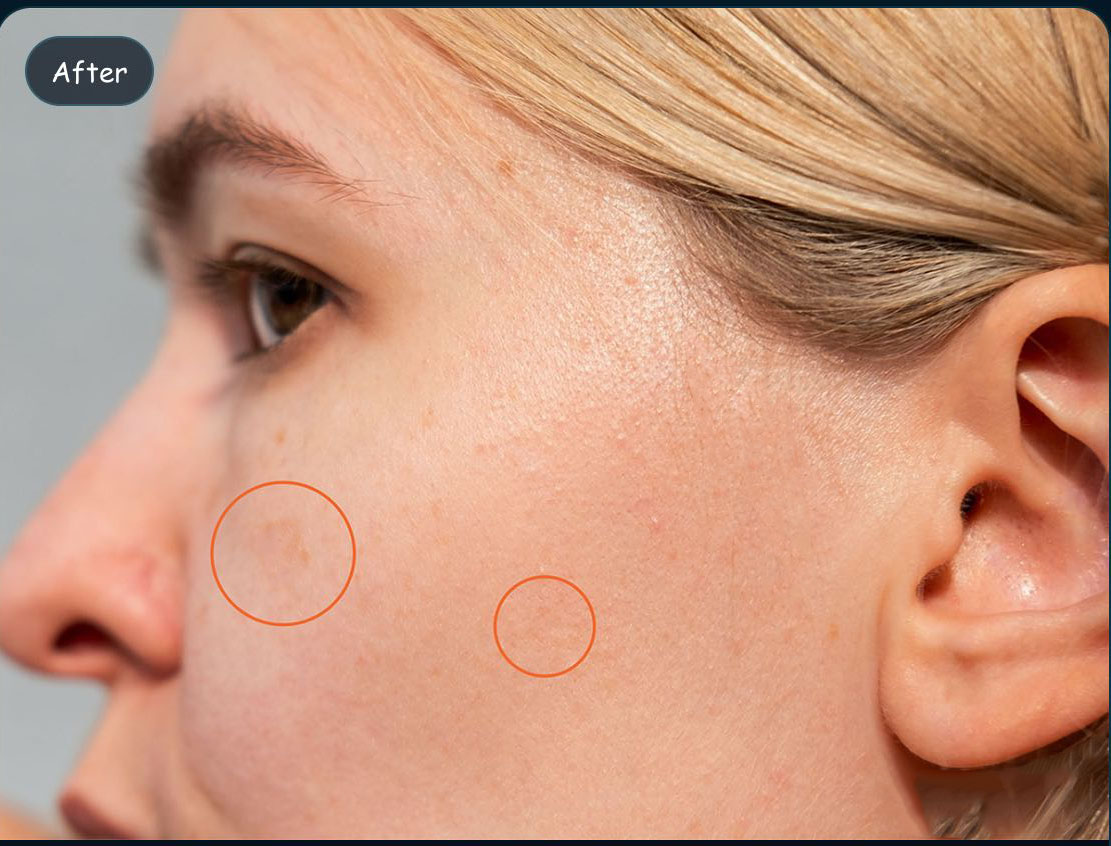
Best practice: standardize lighting, angle, camera distance, and timing when documenting solar lentigines. This is essential to preserve credibility and avoid false visual amplification.
FAQ
-
What are solar lentigines?
Solar lentigines are well-defined brown macules that appear on chronically sun-exposed skin. They are commonly considered visible markers of cumulative photodamage.
-
Are solar lentigines the same as melasma?
No. Solar lentigines are typically discrete, well-circumscribed pigmented macules linked to chronic sun exposure, whereas melasma usually presents as broader, more diffuse pigment patches with a different clinical behavior.
-
Can chemical peels be useful for solar lentigines?
Yes. When properly selected, chemical peels may support lesion lightening, epidermal renewal, and improved tone regularity in patients with solar lentigines.
-
Why is the surrounding skin important in treatment planning?
Because solar lentigines often develop within a wider field of photodamage. Roughness, dyschromia, and skin sensitivity around the lesion may influence both peel selection and final aesthetic harmony.
-
What is the value of a pKa-oriented strategy?
A pKa-oriented approach helps interpret acid behavior through dissociation potential, reactivity, and tolerance profile, allowing more rational pigment-focused protocol design than concentration alone.
Related Clinical Topics
Explore related indications that frequently overlap with solar lentigines or influence a broader pigment and photoaging treatment strategy.