
Clinical Protocol Hub

Chemical Peel Treatment Protocols

This page serves as the central navigation hub for the main clinical protocols developed on ChemicalPeeling.com. It organizes the protocol logic according to indication, therapeutic objective, and dermo-functional sequence.

Dermo-Functional Protocol Logic

Chemical peeling should not be approached as a collection of isolated products, but as a structured clinical sequence. The most coherent protocols evolve through three complementary phases: correction, stabilization, and maintenance.

Phase 1

Correction

The active therapeutic phase targeting the visible disorder or functional imbalance through indication-specific intervention.

Active correction tools may vary according to acne, pigment disorders, texture changes, or deep structural scars.
Phase 2

Stabilization

The phase that consolidates the result, reduces inflammatory or pigmentary rebound, and supports functional re-equilibration.

Barrier support, controlled regulation, and dermo-functional normalization become central at this level.
Phase 3

Maintenance

The long-term phase designed to preserve results over time, prevent relapse, and integrate continuity into the clinical routine.

Maintenance must remain indication-aware. It is not a cosmetic add-on, but a clinical continuation.

Each protocol is therefore read as a sequence rather than as a single act. Products and phases are not interchangeable and must be chosen according to their role within the clinical strategy.

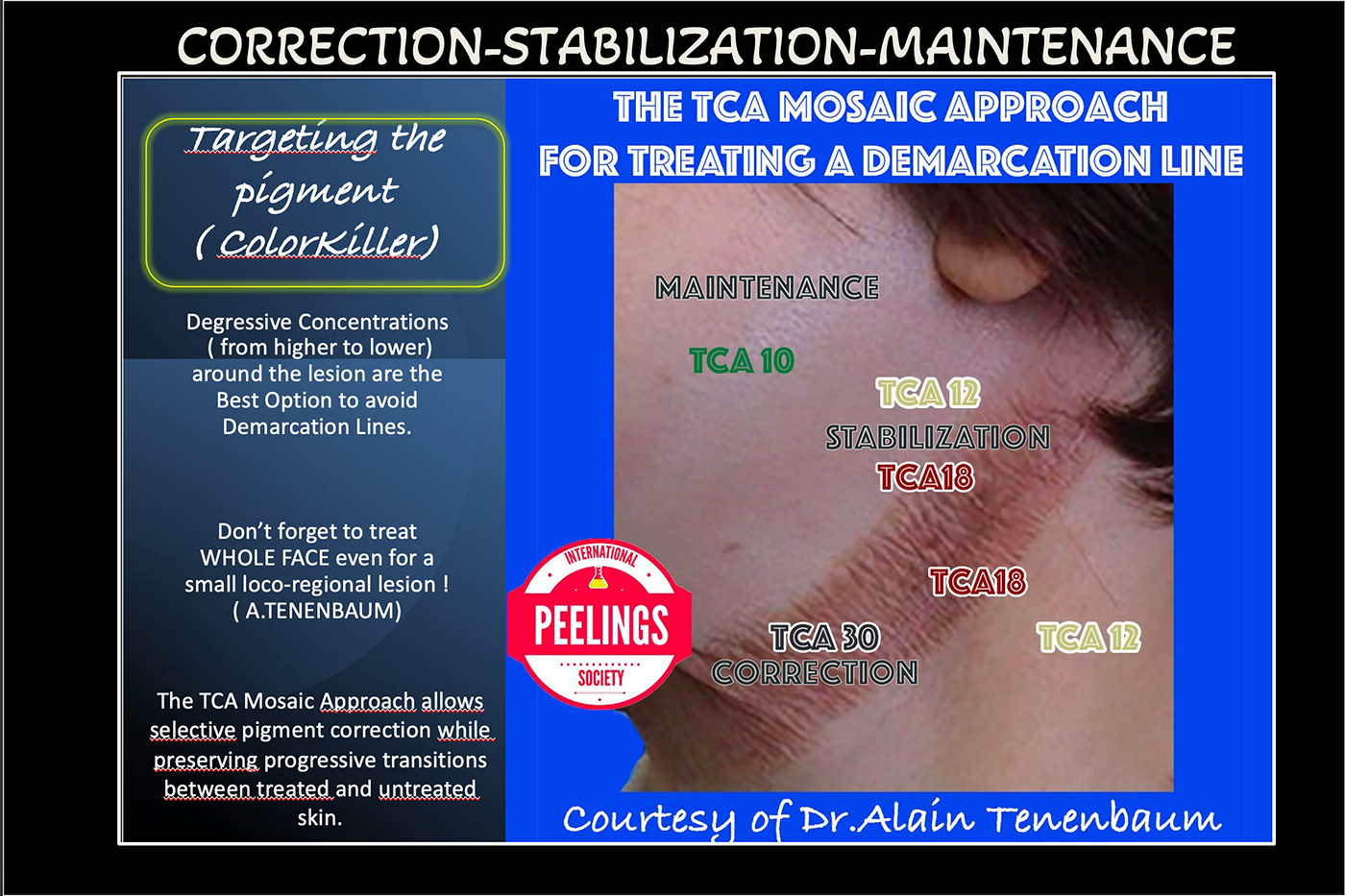
Correction, stabilization, and maintenance illustration for chemical peel treatment protocols

How to Read This Illustration

This illustration represents the Correction phase of a protocol-driven approach, showing how active treatment may be localized and adjusted according to the clinical objective. In practice, chemical peel protocols are organized within a broader dermo-functional continuum — Correction → Stabilization → Maintenance — using phase-specific clinical tools.

Clinical Tools By Phase

Each phase of the dermo-functional continuum relies on a dedicated product role within the protocol and should not be understood as interchangeable care.

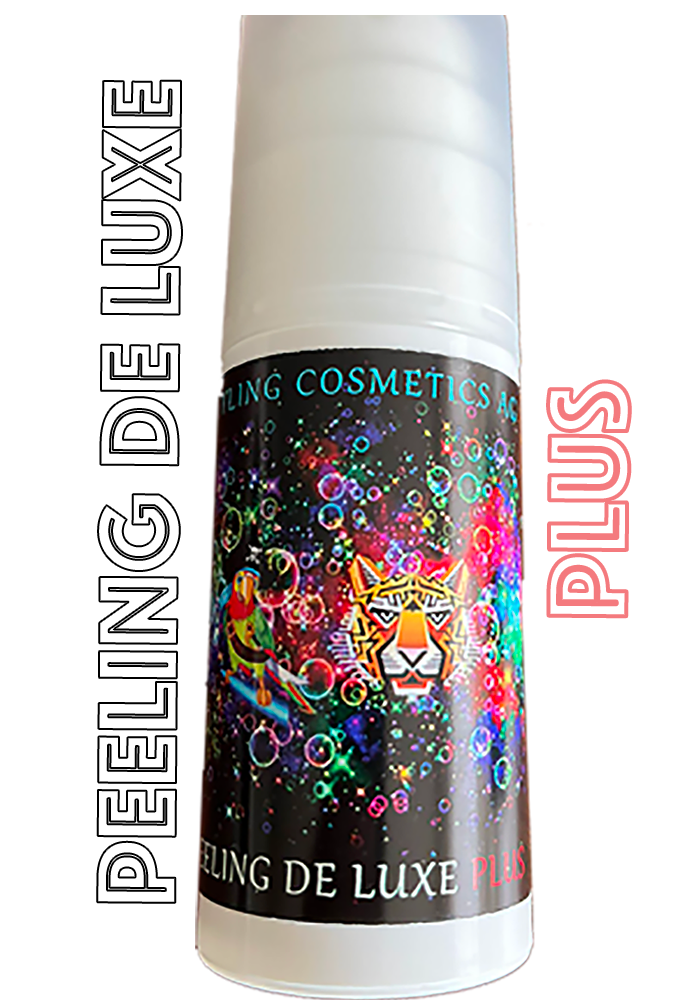
Peeling de Luxe Plus
Correction

Peeling de Luxe Plus

Main correction tool used when the protocol requires active clinical intervention directed at the primary indication.

View Product
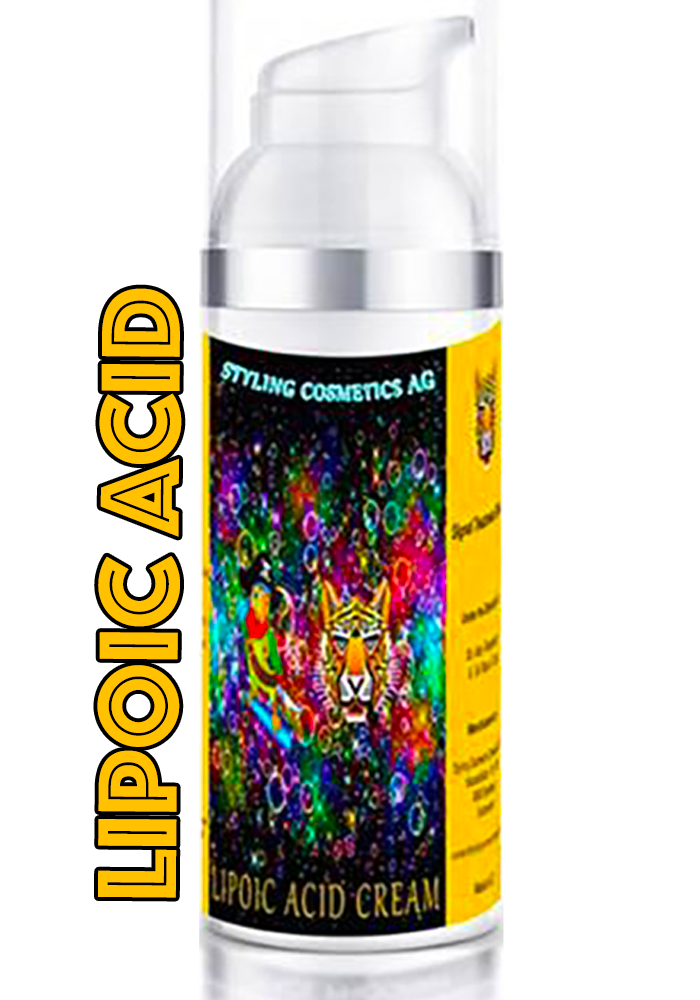
Lipoic Acid
Stabilization

Lipoic Acid

Functional stabilization tool used to support controlled normalization and reduce rebound risk after correction.

View Product
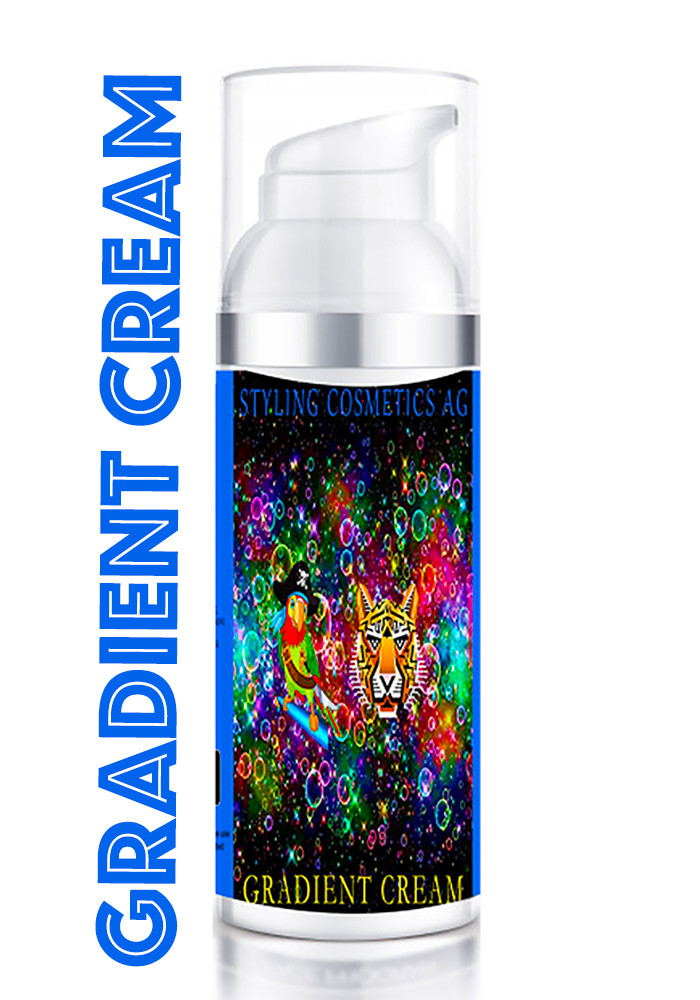
Gradient Cream
Maintenance

Gradient Cream

Long-term maintenance tool designed to preserve gains, support skin balance, and extend protocol continuity.

View Product

These examples illustrate phase-specific roles within the protocol logic. Final product selection always depends on the indication, treatment phase, and clinical rationale.

Clinical Protocol Navigation

Select the protocol pathway according to the main clinical indication. This organization helps physicians and qualified aesthetic practitioners move directly from the indication to the corresponding therapeutic framework.

Metabolic Peels Core Strategy

Metabolic peeling should be understood as a core strategic framework rather than as a single product family. It organizes protocol intelligence around the dermo-functional sequence and helps distinguish correction, stabilization, and maintenance through phase-specific formulations.

  • Supports a protocol-based reading of products and indications
  • Clarifies why phase-specific formulations are not interchangeable
  • Serves as a specialized sub-hub within the broader protocol ecosystem
Quick Clinical Answers

Clinical Protocols Mini FAQ

Quick answers to the key questions about clinical indications, protocol sequencing, phase-specific products and the relationship between product selection and the detailed treatment pathway.

This page functions as a clinical hub. It helps physicians and qualified aesthetic practitioners move from a clinical indication toward the corresponding protocol pathway while clarifying the dermo-functional logic connecting correction, stabilization and maintenance.

Because a clinical pathway should not be reduced to a single isolated procedure. Correction addresses the principal clinical target, stabilization supports the functional environment after correction, and maintenance provides continuity over time. The three phases therefore have different but complementary roles.

No. They are presented as phase-specific clinical examples. Product selection depends on the indication, the required function, the treatment phase and the product's position within the clinical pathway. Products should therefore not be considered automatically interchangeable.

This page is the global clinical protocol hub. The Metabolic Peels section is a specialized strategic framework within the wider protocol ecosystem, focusing on the metabolic approach and its relationship with the different phases of the clinical pathway.

It is intended primarily for physicians and qualified aesthetic practitioners seeking a structured overview of the principal clinical peeling protocols, their logic and the relationship between indications, treatment phases and selected clinical tools.

Start with the clinical indication. The indication defines the objective. The required function can then be identified, the appropriate product selected and its position established before moving into the detailed clinical protocol.

Use the Clinical Product Selection Matrix when the indication is known but you still need to determine the appropriate product function, which product fits that function, or where it belongs within the treatment sequence. Once those elements are established, use the clinical protocol for the detailed pathway.

Open the Clinical Product Selection Matrix
Clinical decision path: Indication → Function → Product → Position → Protocol
Clinical Summary

Clinical Page Summary

A concise clinical overview of the protocol architecture, the dermo-functional sequence, the principal indication pathways, and the relationship between clinical objectives and product selection.
01

Page Overview

Chemical Peel Treatment Protocols functions as the central clinical hub of the protocol ecosystem on ChemicalPeeling.com. It organizes the main pathways according to clinical indication, therapeutic objective, and dermo-functional sequence.

The clinical architecture follows three complementary phases: Correction → Stabilization → Maintenance. Products and interventions are positioned according to their function within this sequence rather than presented as interchangeable isolated treatments.

The principal pathways include Acne & Acne Scars, Pigmentation Disorders, Photoaging & Wrinkles, and Skin Quality, Body & Specific Areas.

Metabolic Peels are integrated as a specialized strategic framework within the broader protocol ecosystem.

Clinical Hub Protocol Navigation C → S → M Metabolic Peels Product Selection
02

Key Clinical Points

  • Start with the indication. The clinical objective precedes product selection.
  • Think in phases. Correction, stabilization, and maintenance have distinct functions within the clinical pathway.
  • Select by function. Products should be chosen according to what they contribute to the strategy, not simply because they are available.
  • Define the position. A product must have a clear place within the treatment routine or procedural sequence.
  • Then enter the protocol. The detailed protocol defines the clinical pathway and implementation.
  • More is not automatically better. Every additional product should have a defined clinical role.
Clinical Decision Support

Not Sure Which Products Belong in the Treatment Strategy?

When the clinical indication is clear but the product choice is not, use the Clinical Product Selection Matrix to identify the appropriate product function and determine where it belongs within the clinical pathway before entering the detailed protocol.

Indication → Function → Product → Position → Protocol
Open the Clinical Product Selection Matrix
This summary provides a rapid reading of the page architecture: identify the indication, define the required function, select the appropriate product, establish its position, and then follow the corresponding clinical protocol.

Share this page with your network