


Preparation Support
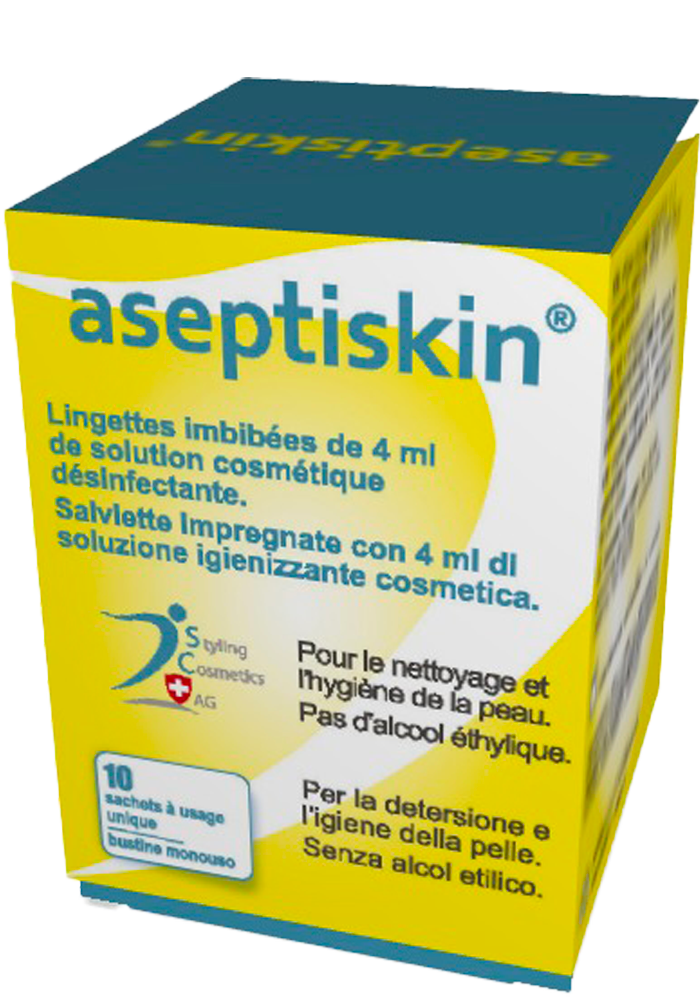
Aseptiskin
A practical preparation product that supports superficial workflows by improving skin cleanliness and procedural readiness before the active phase of treatment.
Superficial peels are not merely “light” procedures. They represent a strategic category of controlled epidermal intervention, designed to improve skin texture, brightness, superficial dyschromia, and clinical tolerance without the burden of aggressive downtime.
In modern aesthetic practice, they play a central role in skin preparation, progressive correction, maintenance therapy, and combination protocols. Their value lies in precision, repeatability, and broad compatibility across indications, phototypes, and long-term treatment pathways.
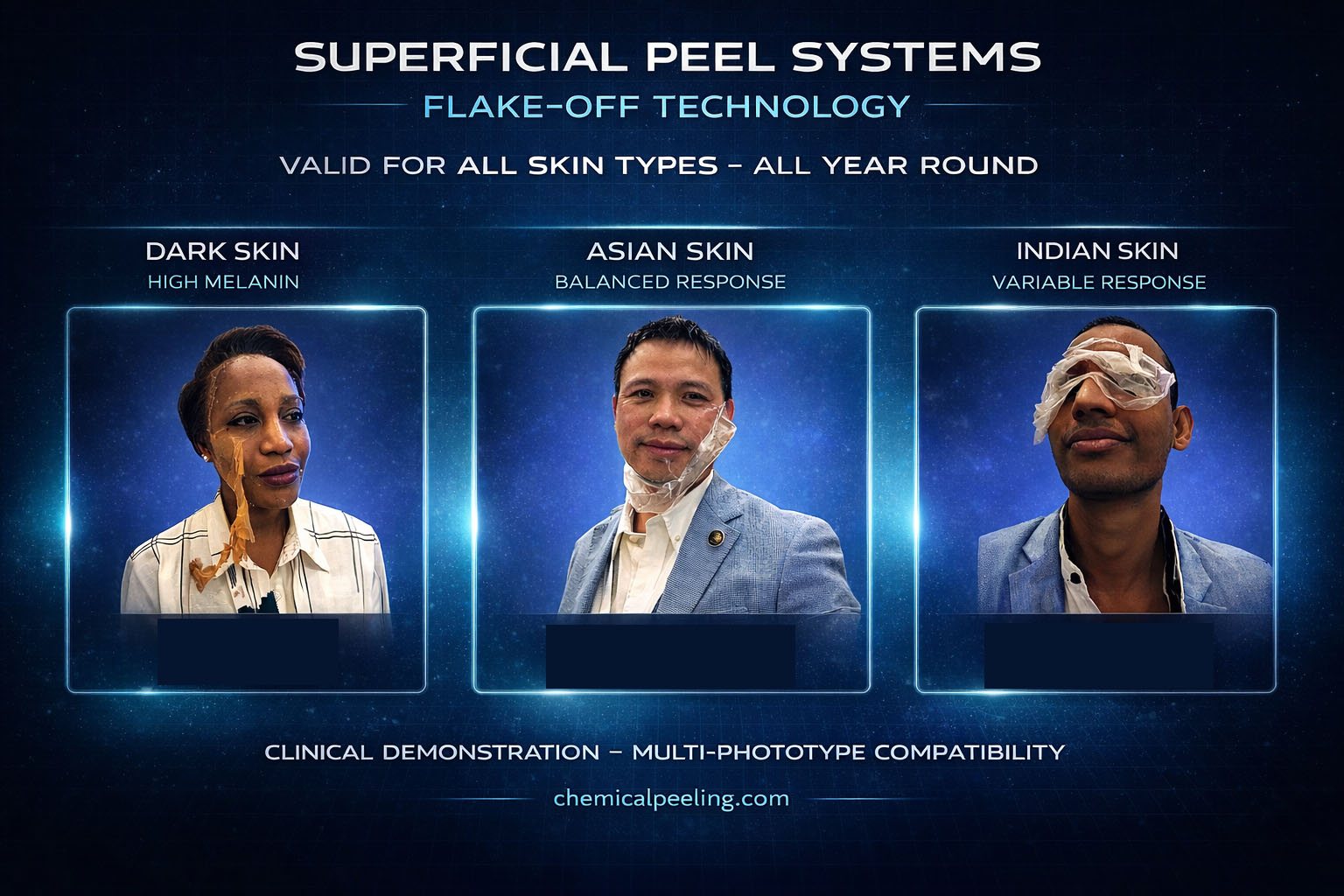
Ideal for texture refinement, superficial pigment irregularities, mild congestion, and progressive aesthetic maintenance.
Can function alone or as a preparatory and complementary layer within broader metabolic or advanced peeling plans.
Superficial peels should not be reduced to a minimal or secondary category. In real clinical practice, they represent one of the most versatile forms of epidermal regulation, allowing physicians to improve tolerance, support progressive correction, and integrate peel-based care into repeatable treatment pathways.
Superficial peels are designed to act primarily within the epidermis, where they can influence keratinocyte turnover, superficial corneocyte cohesion, texture irregularities, and visible skin brightness without entering the logic of aggressive tissue destruction.
Their importance lies in precision, flexibility, and repeatability. They can be used as introductory procedures, maintenance tools, preparatory steps before stronger interventions, or as part of integrated protocols requiring progressive skin adaptation over time.
Supports smoother turnover, cleaner surface texture, and more regular visual skin quality.
Useful in routine practice because they can often be repeated and adjusted with high practical tolerance.
Helps prepare the skin before metabolic or more advanced peeling strategies.
Particularly valuable when the therapeutic goal is continuity rather than isolated intervention.

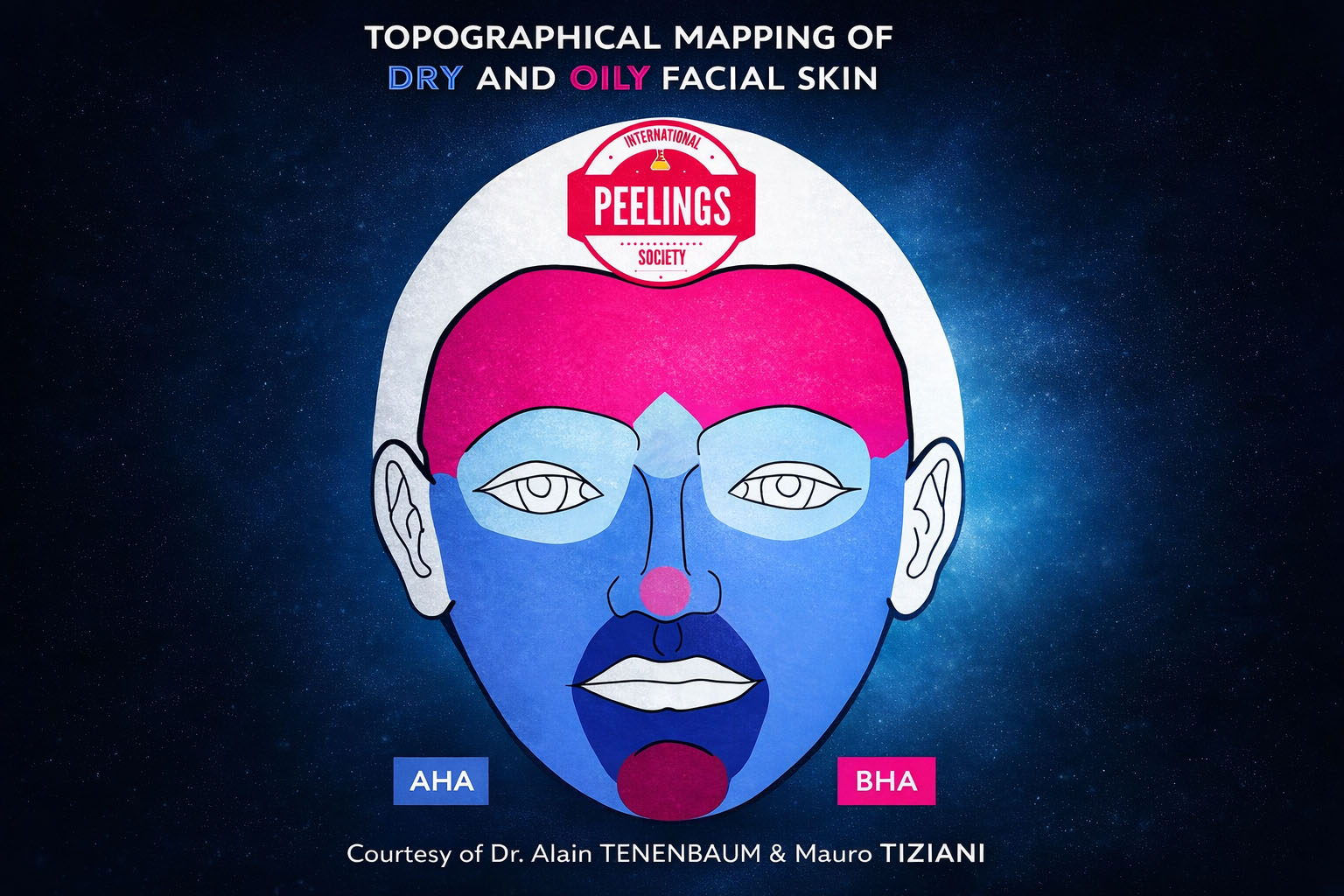
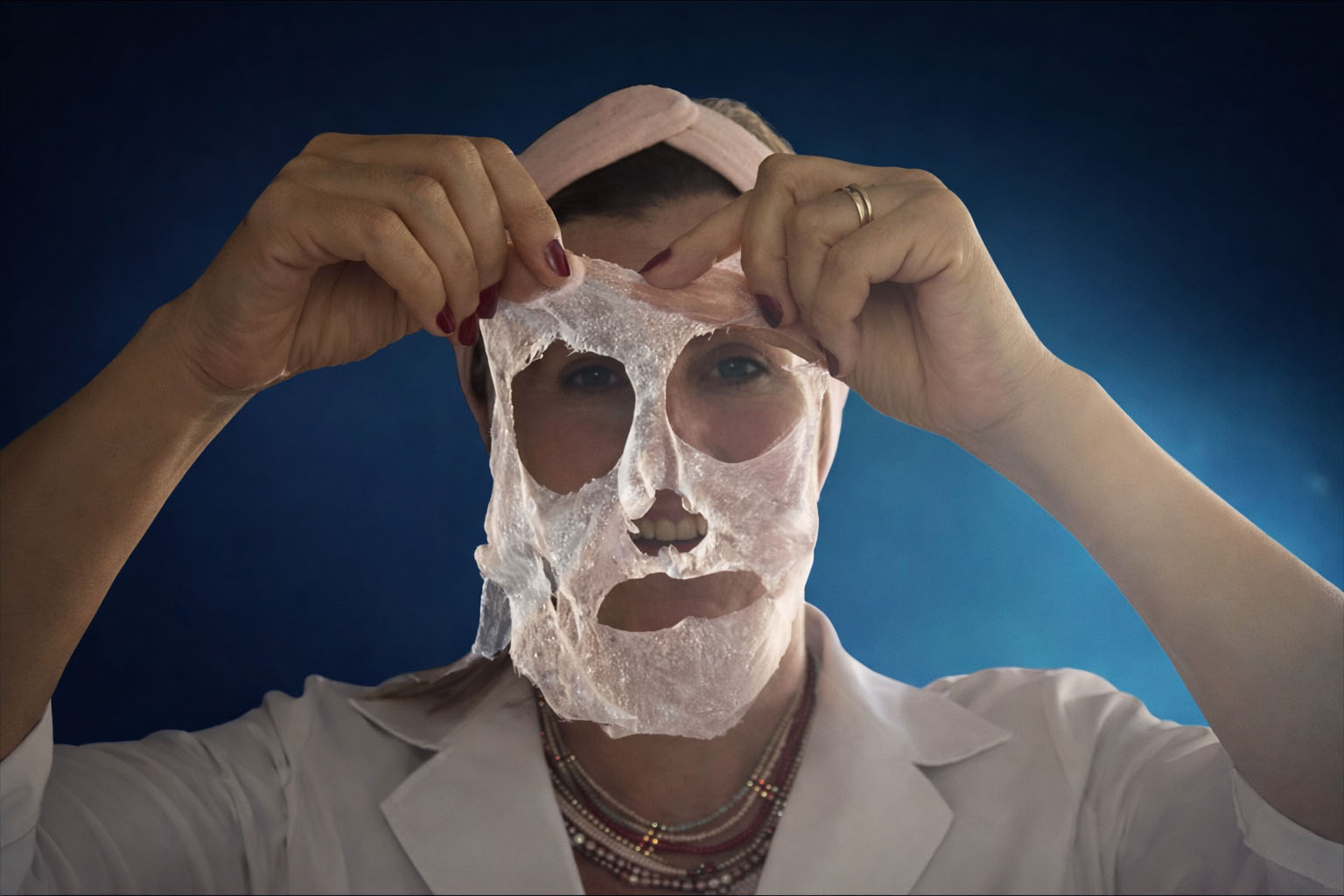
This visual highlights how superficial peeling logic can be positioned in keratotic, thickened, or clinically targeted epidermal zones where controlled superficial action is preferred over unnecessarily aggressive intervention.
The value of a peel is not determined only by how deep it goes. A clinically relevant peel is one that can regulate the skin intelligently, fit into a broader protocol, and be repeated safely with consistent biological coherence. In that sense, superficial peels are not minor tools. They are foundational instruments in structured aesthetic medicine.
Useful when the clinical objective is refinement of surface irregularities, dullness, mild congestion, or non-complex epidermal imbalance.
Important for physicians who prefer progressive treatment logic instead of moving immediately toward higher-risk or less adaptable interventions.
Particularly relevant in practices where consistency, follow-up integration, and patient adherence matter as much as isolated visible impact.
Superficial peels should be understood as part of a larger clinical architecture. They do not merely occupy the lowest end of the peeling spectrum. They often serve as the first regulatory layer, the maintenance layer, and the adaptation layer that makes broader treatment strategies more coherent and more sustainable over time.
Used to optimize epidermal balance before stronger procedures, helping the skin enter more advanced therapeutic sequences in a more controlled manner.
Maintains clinical results over time through repeatable, lower-burden interventions adapted to everyday aesthetic follow-up.
Can be integrated with metabolic peels, advanced peels, and dermocosmetic support as part of multi-step protocol construction.
Offers physicians a practical and biologically coherent starting point when progressive skin adaptation is preferable to abrupt escalation.
In real practice, a peel category becomes valuable not only because of its intrinsic properties, but because of how effectively it can be positioned within a treatment sequence. Superficial peels are especially relevant because they can function both independently and as connectors between different levels of intervention.
They may precede more intensive procedures, accompany longer treatment plans, or support post-correction maintenance when the goal is to stabilize results without reintroducing unnecessary inflammatory burden. This makes them highly useful in protocol-based medicine where continuity matters as much as intensity.
Helps normalize the epidermal environment before deeper, more reactive, or metabolically active procedures.
Supports continuity when the physician wants to maintain activity without repeating an aggressive step.
Useful in patients who benefit more from cumulative correction than from isolated high-intensity interventions.
Integrates well with cleansing, preparation, metabolic stimulation, and advanced resurfacing pathways.
This block can later contain a protocol flow diagram, a progressive treatment ladder, or a category-to-category visual showing how superficial peels connect preparation, correction, and maintenance.
Superficial peels are best understood as a regulatory platform within peel medicine. They are not simply weaker treatments. They create clinical continuity, improve integration between categories, and provide the repeatable epidermal support that allows broader aesthetic strategies to function with greater precision and tolerance.
The superficial category is not limited to classic peeling acids alone. It also includes practical skin-preparation systems, surface-management formulations, and lower-concentration active solutions that together support a broader epidermal strategy built on control, progression, and repeatable clinical use.
This portfolio is best understood as a structured clinical ecosystem. Some products improve procedural readiness and surface quality, others act as direct active peeling agents, and one item should be positioned separately for the sake of therapeutic clarity.
This group brings together formulations that support superficial workflows through cleansing, preparation, surface conditioning, and controlled epidermal management.
A practical preparation product that supports superficial workflows by improving skin cleanliness and procedural readiness before the active phase of treatment.
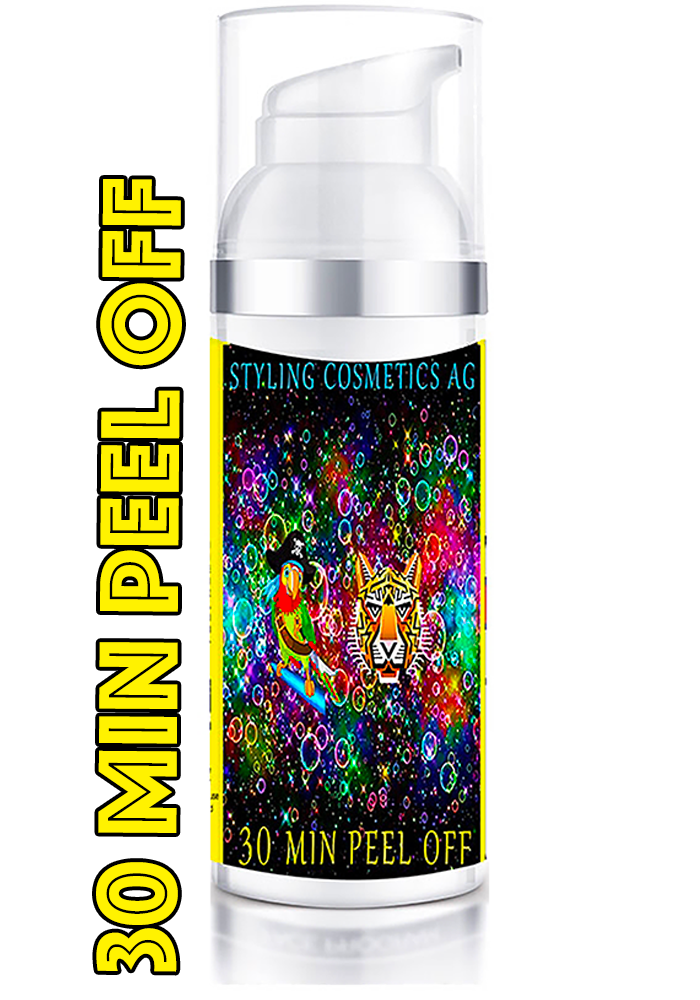
Positioned within the superficial ecosystem as a controlled epidermal-support option compatible with progressive, practical, and lower-burden treatment logic.
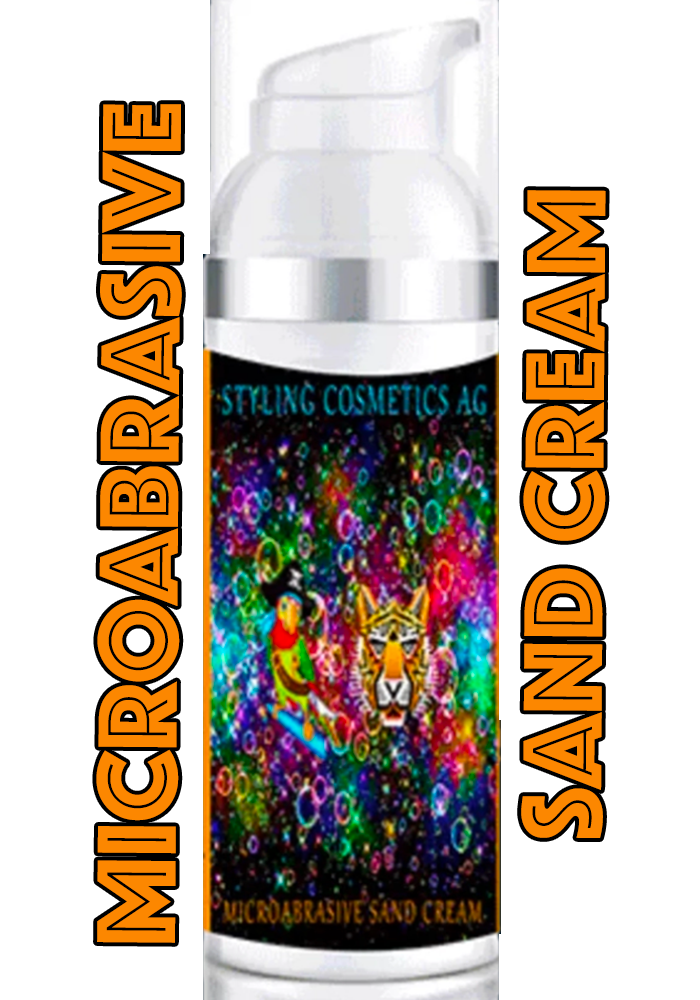
A complementary surface-refinement product that supports texture management and controlled epidermal polishing within broader superficial protocol architecture.
This group includes the active peeling solutions that define the category more directly, from classical superficial acid intervention to lower-concentration TCA profiles compatible with progressive peel construction.

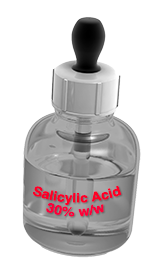
A classic superficial peeling option particularly relevant for oily, congested, or acne-prone skin environments where epidermal clarification and surface regularization are priorities.

A very controlled TCA concentration positioned for limited superficial activity when the objective is measured epidermal intervention rather than stronger peeling intensity.
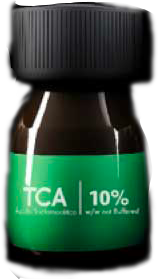
A controlled superficial TCA option that supports progressive peel construction while preserving a low-intensity epidermal framework.
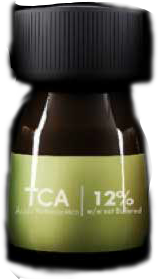
Positioned toward the upper edge of the superficial range, this concentration supports stronger epidermal activity while remaining compatible with structured stepwise escalation.
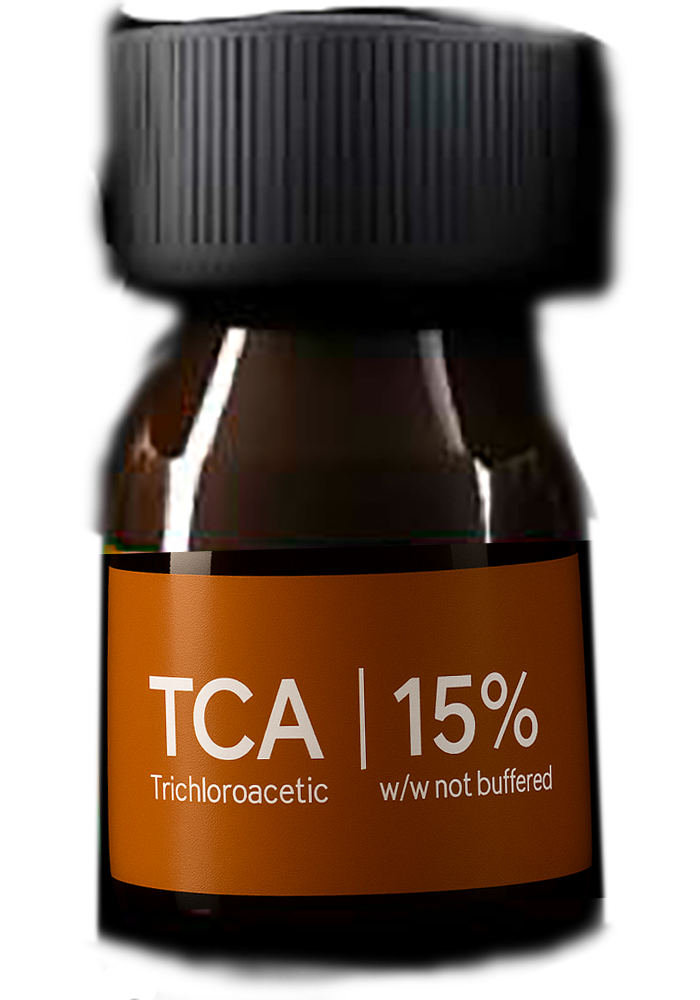
A stronger superficial TCA profile that can function as a transition point between classical epidermal peeling logic and more structured escalation when clinically appropriate.
One product should remain clearly separated from the main therapeutic groups in order to preserve medical clarity and stronger category architecture.
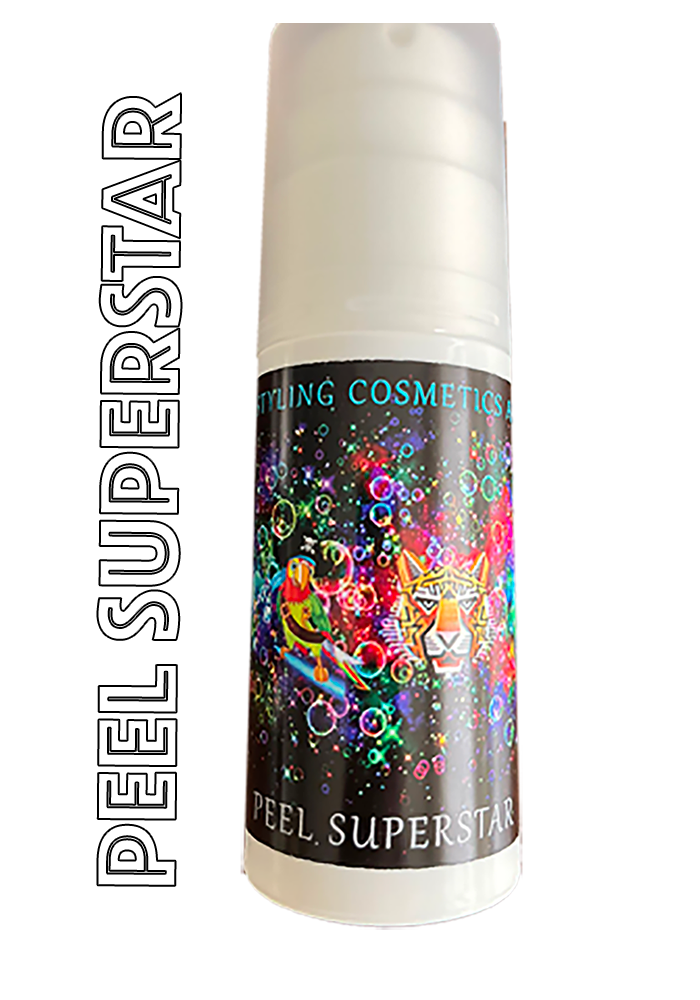
Peel SuperStar should be presented separately from the main superficial treatment structure. It may accompany the category from a practical or commercial standpoint, but it should not be confused with the core active superficial treatment portfolio.
Keeping it distinct strengthens the medical readability of the page and protects the internal coherence of the category for physicians evaluating the therapeutic logic of the range.